
If you own a car or work with engines, you may have heard about carbon buildup. This is a common problem in both modern and older vehicles. Over time, engines can collect a layer of carbon deposits inside, causing many issues—reduced power, higher fuel use, rough idling, or even engine damage. Many drivers ignore this, thinking it is normal wear and tear. But cleaning carbon buildup is not just for performance cars; it is important for any engine to run smoothly and last longer.
Let’s take a deeper look at what causes carbon buildup, how it affects your engine, the best ways to clean it, and how you can prevent it. If you’re new to this topic, don’t worry. This article explains everything step by step in simple English, so you can keep your engine healthy and avoid expensive repairs.
What Is Carbon Buildup In An Engine?
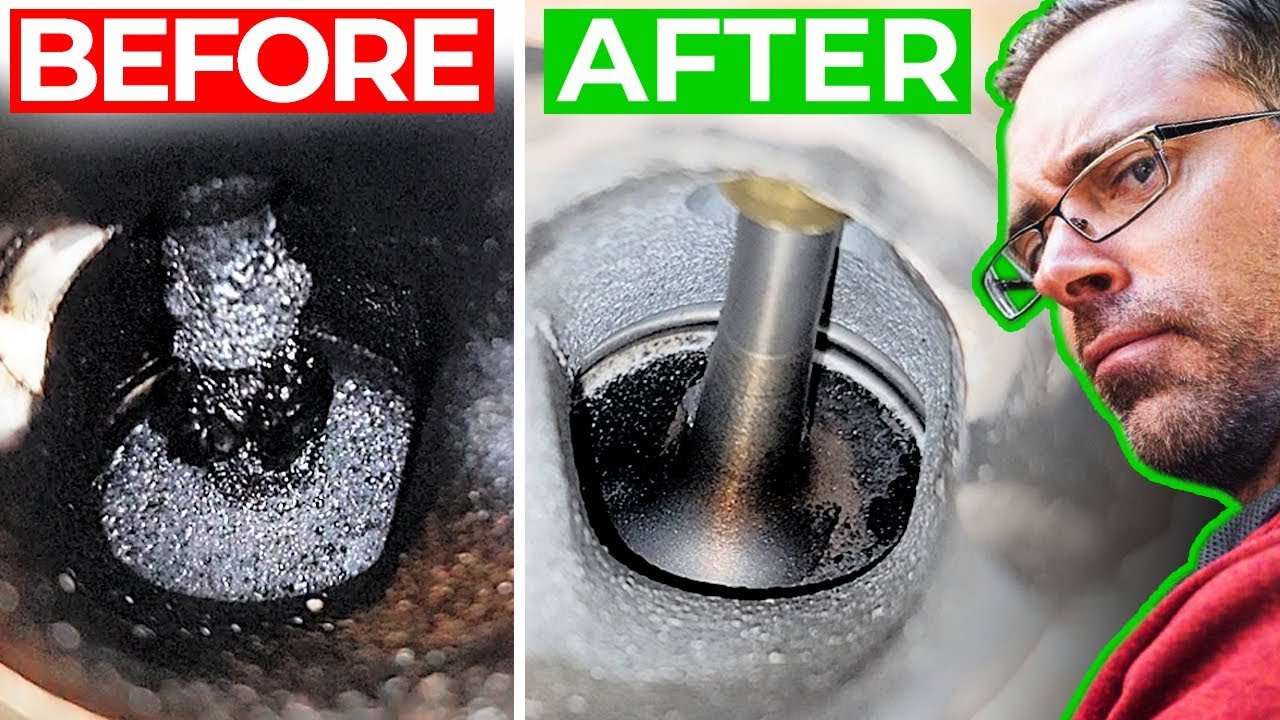
Carbon buildup happens when tiny bits of fuel do not burn completely inside the engine. These bits turn into black, sticky deposits called carbon. Over time, these deposits stick to parts like the intake valves, pistons, and combustion chamber.
In older engines with port fuel injection, fuel sprayed over the valves helps clean them. But many new engines use direct injection, spraying fuel straight into the chamber. This leaves the intake valves unwashed and more likely to collect carbon.
A small amount of carbon is normal. But when it gets too thick, it can block airflow, cause knocking, and make your car less efficient.
How Does Carbon Buildup Affect Engine Performance?
Even a thin layer of carbon can change how your engine works. Here are some real effects you might notice:
- Reduced power: Carbon blocks the air and fuel flow, so the engine can’t “breathe” well. This means less power when you press the gas.
- Poor fuel economy: The engine works harder, burning more fuel to do the same job.
- Rough idle or misfires: Dirty valves don’t seal perfectly, making the engine shake or misfire.
- Knocking or pinging sounds: Carbon raises the compression, causing strange noises.
- Check engine light: Sensors may pick up the problem and warn you.
A study by the Society of Automotive Engineers found that severe carbon buildup can reduce engine power by up to 15% and increase fuel usage by 10%.
Common Causes Of Carbon Buildup
You might wonder, “Why does carbon buildup happen in my engine?” Here are the main reasons:
- Short trips: Engines need time to warm up fully. Short drives never get hot enough to burn off deposits.
- Poor fuel quality: Cheaper fuels may not burn as clean, leaving more carbon behind.
- Low-quality oil: Some oils break down faster, leaving behind sticky residue.
- Direct injection engines: As mentioned, these engines are more at risk because fuel doesn’t clean the valves.
- Driving style: Lots of slow city driving or idling can make things worse.
Signs Your Engine Needs Carbon Cleaning
How do you know if your engine has too much carbon? Watch for these warning signs:
- Sluggish acceleration
- Engine shakes or vibrates at idle
- Increased fuel consumption
- Trouble starting the car
- Engine warning light stays on
- Loud knocking or pinging noises
Don’t ignore these signs. Early cleaning can prevent bigger repairs later.
Credit: www.jlmlubricants.com
Methods For Carbon Buildup Engine Cleaning
There are several ways to clean carbon from your engine. The right method depends on how much buildup you have and the type of engine. Here are the most common options:
1. Chemical Additives
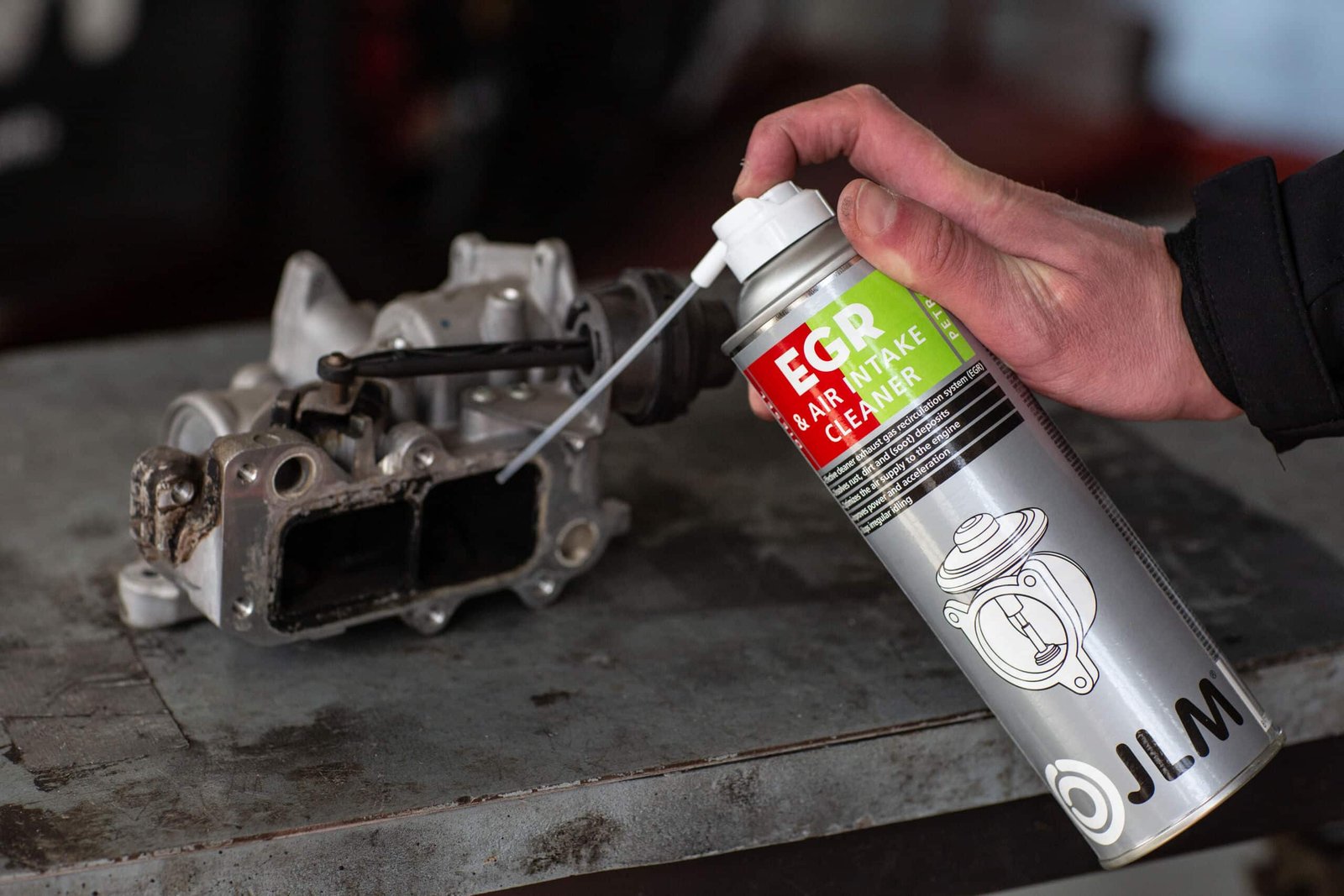
You can buy fuel system cleaners at auto shops. These are poured into the gas tank, then work as you drive.
Pros:
- Easy to use
- Low cost
Cons:
- Works best as preventive, not for heavy buildup
- May not reach intake valves in direct injection engines
2. Intake System Cleaning (walnut Blasting)
This professional method uses crushed walnut shells blasted at high speed to clean intake valves.
Pros:
- Very effective for direct injection engines
- Removes heavy deposits
Cons:
- Requires special tools
- Not a DIY job—needs a skilled mechanic
3. Manual Cleaning
In severe cases, mechanics may remove engine parts and clean them by hand.
Pros:
- Best for very heavy carbon buildup
Cons:
- Expensive and time-consuming
- Not needed for most cars
4. Hydrogen Carbon Cleaning
This method uses hydrogen gas, which is fed into the intake while the engine runs. It reacts with carbon, turning it into gas that leaves through the exhaust. According to AAA’s Approved Auto Repair program, shops that employ ASE-certified or factory-trained technicians must meet strict standards for training, equipment, and customer service.
Pros:
- Quick process (less than an hour)
- No disassembly needed
Cons:
- Mixed reviews on long-term effectiveness
- Not recommended for all engines
5. Water Injection Cleaning
Some workshops use a fine mist of water sprayed into the intake. The water turns to steam, loosening carbon.
Pros:
- Can remove light to medium carbon
- Cheap
Cons:
- Risk of engine damage if done wrong
- Not recommended for beginners
Comparing Common Cleaning Methods
Here is a quick comparison of the most popular methods:
| Method | Effectiveness | DIY Friendly | Cost (USD) | Best For |
|---|---|---|---|---|
| Chemical Additive | Low-Moderate | Yes | 10-30 | Prevention |
| Walnut Blasting | High | No | 300-600 | Heavy buildup |
| Hydrogen Cleaning | Moderate | No | 100-200 | Moderate buildup |
| Manual Cleaning | Very High | No | 500+ | Severe buildup |
Step-by-step: Diy Carbon Cleaning With Fuel Additives
If you want to try cleaning your engine at home, fuel additives are the simplest way. Here’s a clear process:
- Choose a quality fuel system cleaner. Look for brands like Techron, Liqui Moly, or Red Line.
- Read the instructions. Each product has its own rules—usually, you pour it into a nearly empty gas tank.
- Fill up with fuel. Top off the tank to mix the cleaner well.
- Drive normally. The cleaner works as the engine runs, especially on highways.
- Repeat every 5,000-10,000 miles for best results.
Tip: Additives help most with light carbon and as a preventive step. They won’t fix major buildup.
The Professional Approach: Walnut Shell Blasting
For modern cars, especially those with direct injection, walnut shell blasting is often the best solution. Here’s how it works:
- The mechanic removes the intake manifold.
- They use a special tool to blast crushed walnut shells at the dirty valves.
- The shells are soft enough not to harm metal but hard enough to scrape away carbon.
- After cleaning, the mechanic reassembles everything.
This method is fast and safe for most engines. It is a bit costly, but it restores lost power and smoothness.
How Often Should You Clean Carbon Buildup?
The answer depends on your engine and driving habits. Most experts recommend:
- Every 30,000–50,000 miles for direct injection engines
- Every 60,000–100,000 miles for port injection or older engines
But if you notice symptoms like rough idle or power loss, don’t wait—get your engine checked.
Credit: www.youtube.com
Preventing Carbon Buildup: Practical Tips
It is much easier to prevent carbon buildup than to fix it after it happens. Here are some smart ways to keep your engine clean:
- Use quality fuel: Top-tier gasoline has more cleaning agents.
- Change oil regularly: Fresh oil reduces residue that can stick inside the engine.
- Drive on highways sometimes: High speeds help burn away deposits.
- Avoid too many short trips: Let the engine warm up fully when possible.
- Install an oil catch can: This device catches oily vapors before they reach the intake.
- Use fuel additives: Every few thousand miles, add a cleaner to your tank.
An often-missed insight: Idling for long periods (like warming up your car for 10 minutes) actually increases carbon risk. Modern engines warm up best by driving gently, not idling.
Another tip: Some drivers think “premium” fuel will solve carbon problems, but unless your car needs it, it won’t make a difference.
The Cost Of Ignoring Carbon Buildup
Ignoring carbon buildup can get expensive. Here’s a look at potential costs:
| Problem | Repair Cost (USD) | Risk Level |
|---|---|---|
| Loss of Power | 100-300 | Low |
| Valve Cleaning | 300-600 | Medium |
| Engine Damage | 1000-4000 | High |
Acting early saves money and keeps your car reliable.
Credit: www.youtube.com
Real-world Example: Bmw Direct Injection Engines
Many BMW models with direct injection faced issues with carbon buildup. Owners reported rough idling and loss of power at only 40,000–60,000 miles. The solution was regular walnut blasting every 30,000 miles. After cleaning, most drivers noticed smoother acceleration and better fuel economy.
This shows how even luxury cars can suffer from this problem—and how a good cleaning makes a big difference.
When Should You See A Mechanic?
Some cleaning jobs are safe for DIY, but sometimes you need a professional. Visit a mechanic if you notice:
- Engine warning lights
- Loud knocking or pinging
- Severe power loss
- Failed emission tests
A mechanic can inspect your engine with a borescope camera to check for carbon without taking it apart.
Is Carbon Buildup The Same For Gasoline And Diesel Engines?
Carbon buildup happens in both gasoline and diesel engines, but it can look different. Diesel engines often get more soot in the intake and EGR system, while gasoline engines get hard carbon on valves. Both need regular cleaning, but the methods may vary. For more on this, you can check Wikipedia’s Carbon Deposit page.
Frequently Asked Questions
What Is The Best Way To Clean Carbon Buildup From My Engine?
The best cleaning method depends on your engine type. For direct injection engines, walnut blasting is most effective. For older or port-injection engines, fuel additives or water injection may be enough. Always follow your car manufacturer’s advice.
Can I Prevent Carbon Buildup Completely?
You can’t stop all carbon buildup, but you can reduce it by using quality fuel, changing oil often, and driving on highways sometimes. Preventive fuel additives also help.
How Do I Know If My Engine Has Carbon Buildup?
Watch for symptoms like rough idle, power loss, or higher fuel use. A mechanic can check with a camera or by removing parts for inspection.
Is Carbon Buildup Harmful To My Car?
Yes, thick carbon can cause engine damage, valve problems, and expensive repairs. Cleaning it early keeps your engine healthy and efficient.
How Often Should I Clean Carbon From My Engine?
For most cars, clean the engine every 30,000 to 50,000 miles if you have direct injection. For other engines, every 60,000–100,000 miles is enough—unless you notice symptoms sooner.
Carbon buildup is a hidden problem that affects many engines, old and new. By understanding the causes, signs, and cleaning methods, you can keep your car running smoothly for years. Regular cleaning and good driving habits can save you from costly repairs and keep your engine feeling like new.
Don’t wait for trouble—take action today to protect your investment.