
Many car owners don’t think about ball joints until something goes wrong. These small parts play a big role in your vehicle’s suspension system. They connect the control arms to the steering knuckles, allowing your wheels to move up and down while turning left or right. When ball joints wear out, they can cause unsafe driving conditions and expensive damage. Knowing when to replace them is important for both safety and cost savings.
This article will help you understand what ball joints are, why they matter, signs that suggest replacement, how mechanics diagnose problems, the replacement process, costs, and mistakes to avoid. By the end, you’ll have a clear roadmap for keeping your suspension in top shape.
What Are Ball Joints And Why Are They Important?
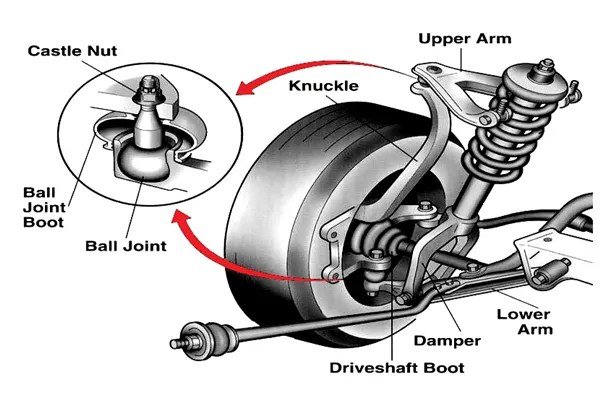
Ball joints are spherical bearings that work like the human hip joint. They provide pivoting movement between the suspension and the wheels. Most cars and trucks have upper and lower ball joints on each front wheel. Some vehicles also have them on the rear suspension.
The main jobs of ball joints:
- Support vehicle weight: They help hold the car up, especially during bumps or potholes.
- Allow steering and suspension movement: They let your wheels turn and move independently.
- Keep tires in contact with the road: Good ball joints ensure smooth, stable driving.
If a ball joint fails, the wheel can collapse inward or outward. In rare cases, the wheel can even detach from the car. That’s why regular inspection and timely replacement are essential.
Common Signs You Need Ball Joint Replacement
Ball joints usually don’t fail overnight. They wear out slowly, but ignoring early signs can be risky. Here are the most common warning signals:
- Clunking or knocking noise from the front suspension, especially when going over bumps or turning.
- Loose or wandering steering where the car feels less responsive or drifts to one side.
- Vibration in the steering wheel, often felt at lower speeds or on rough roads.
- Uneven tire wear—look for more wear on the inside or outside edges of your tires.
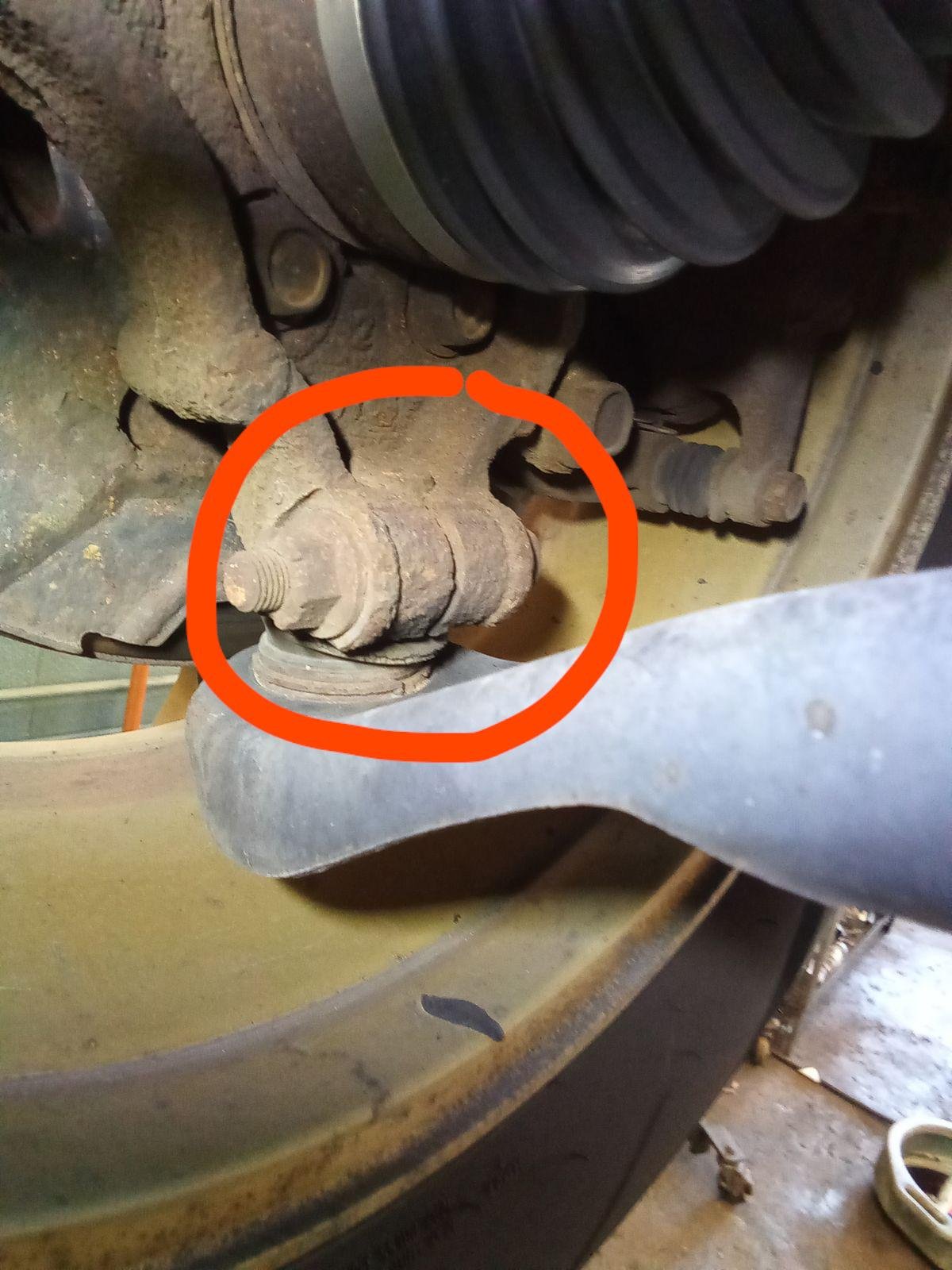
- Visible wear or movement: If you look under the car, a worn ball joint might have a torn rubber boot or leak grease.
It’s easy to confuse these symptoms with other suspension or steering problems. That’s why a proper inspection is important.
How Mechanics Diagnose Ball Joint Problems
A good mechanic will use a combination of visual inspection and hands-on tests to check your ball joints:
- Lift and inspect: The car is lifted, and the wheel is shaken side to side and up and down. Excess play often points to a worn ball joint.
- Pry bar test: A lever is used to check movement between the control arm and the steering knuckle.
- Look for grease leaks or torn boots that can let dirt in and cause faster wear.
- Check tire wear patterns for signs of suspension problems.
Sometimes, mechanics use special tools or dial indicators to measure the exact amount of movement. If the movement is above the manufacturer’s limit, replacement is needed.
When Should You Replace Ball Joints?
Ball joints should be replaced as soon as you notice serious symptoms or if they fail inspection. Waiting too long can lead to:
- Loss of steering control
- Damage to tires, shocks, and other suspension parts
- Higher repair costs
Most ball joints last between 70,000 and 150,000 miles. But driving on rough roads, carrying heavy loads, or exposure to salt and water can shorten their lifespan. If you’re unsure, check your owner’s manual for inspection intervals or ask your mechanic during routine maintenance.
Preventive Replacement
Some car owners choose preventive replacement—changing ball joints before failure, especially on older vehicles or when replacing other suspension parts. This can save money and reduce the risk of sudden failure.
The Ball Joint Replacement Process
Replacing a ball joint is not a simple task. Here’s a step-by-step look at what’s involved:
- Lifting the vehicle: The car is safely raised and supported.
- Removing the wheel: This gives access to the suspension.
- Separating the ball joint: Special tools are used to disconnect it from the control arm and steering knuckle.
- Removing the old ball joint: Some ball joints are pressed into place and need a hydraulic press. Others are bolted or riveted.
- Installing the new ball joint: The new part is pressed, bolted, or riveted in, and all connections are torqued to factory specs.
- Reassembling the suspension: Everything is put back together.
- Checking alignment: After replacement, a wheel alignment is often needed to avoid tire wear.
This process can take 1 to 2 hours per side, depending on the vehicle and whether other parts are rusted or damaged.
Types Of Ball Joints And Replacement Options
Not all ball joints are the same. Here’s a comparison of common types:
| Type | How It’s Held | Replacement Difficulty | Common Vehicles |
|---|---|---|---|
| Press-in | Pressed into control arm | High (needs special tools) | SUVs, trucks |
| Bolt-on | Bolted to control arm | Medium | Many modern cars |
| Riveted | Riveted to control arm | Medium (needs cutting/drilling) | Older cars |
| Integrated | Built into control arm | Highest (replace whole arm) | Luxury/performance cars |
Non-obvious tip: Some vehicles let you replace only the ball joint, while others require replacing the entire control arm. Always check your service manual before buying parts.
How Much Does Ball Joint Replacement Cost?
The price can vary widely based on vehicle type, labor rates, and parts needed. Here’s a quick breakdown:
| Vehicle Type | Parts Cost (each) | Labor Cost (per side) | Total (per side) |
|---|---|---|---|
| Compact car | $30–$70 | $80–$150 | $110–$220 |
| SUV/Truck | $50–$120 | $120–$250 | $170–$370 |
| Luxury car | $80–$200 | $200–$400 | $280–$600 |
If both sides or all four ball joints need replacing, simply double or quadruple these numbers. Prices can be higher if additional suspension repairs are needed.
Pro tip: After ball joint replacement, always get a wheel alignment. Skipping this step can lead to rapid tire wear and poor handling.
Mistakes To Avoid When Replacing Ball Joints
Even experienced DIYers can make errors. Here are mistakes to watch for:
- Not checking both sides: If one ball joint is bad, the other side may also be worn.
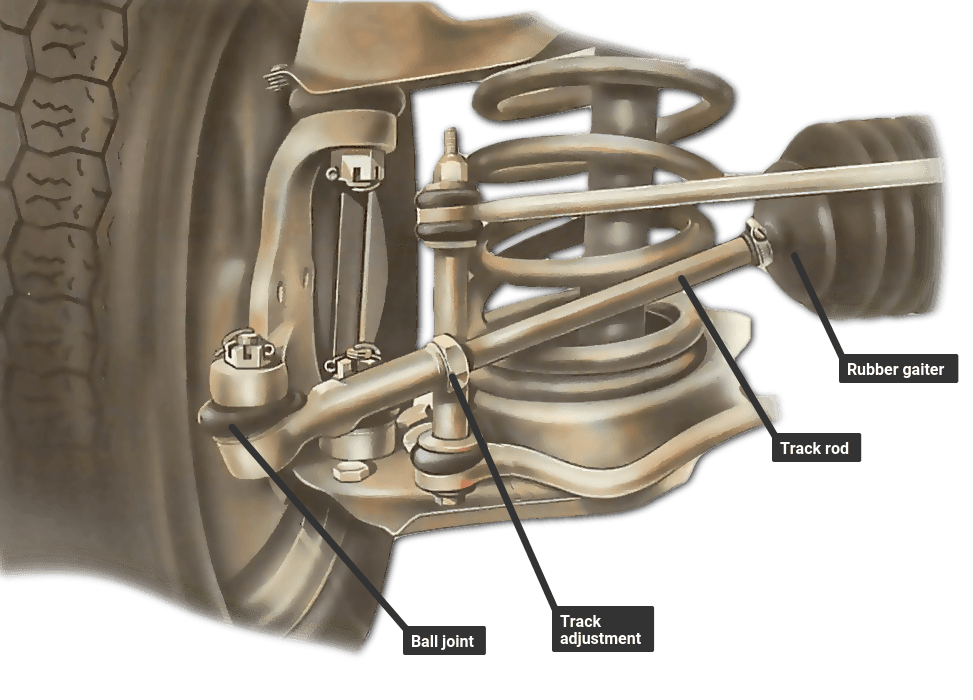
- Ignoring related parts: Worn bushings, control arms, or tie rods can also cause problems. Inspect everything.
- Using low-quality parts: Cheap ball joints may wear out faster or fail suddenly. Choose well-known brands.
- Skipping alignment: Failing to align the wheels after replacement can ruin new tires quickly.
- Improper installation: Not tightening bolts to the correct torque can lead to unsafe driving.
Non-obvious insight: Many ball joints have a grease fitting. Always add fresh grease after installation to extend life.
Credit: gmspecialist.com
How Ball Joint Failure Affects Your Vehicle
Driving with worn or broken ball joints is dangerous. Here’s what can happen:
- Steering problems: The car may pull to one side or become hard to control.
- Noisy suspension: You’ll hear more knocking, rattling, or squeaking.
- Tire damage: Uneven or rapid wear means replacing tires sooner.
- Accidents: A complete failure can make you lose control or cause a wheel to detach. This is rare, but the risk is real.
A 2021 survey by the National Highway Traffic Safety Administration found that suspension problems contribute to about 2% of all vehicle crashes. While that might sound small, it means thousands of accidents each year in the US alone.
How To Extend Ball Joint Life
You can help your ball joints last longer by following these tips:
- Check and replace rubber boots: A torn boot lets dirt and water in, which destroys ball joints quickly.
- Lubricate regularly: If your ball joints have grease fittings, add grease at each oil change.
- Avoid rough roads: Potholes and gravel increase wear.
- Limit heavy loads: Carrying extra weight puts more stress on suspension parts.
- Get regular inspections: Have your suspension checked at least once a year or every 12,000 miles.
Experience-based tip: Sometimes, a small squeak or clunk can be fixed by simply greasing the ball joint. But if the noise returns quickly, plan for a replacement.
Credit: www.howacarworks.com
Diy Vs. Professional Ball Joint Replacement
Some car enthusiasts choose to replace ball joints themselves. This saves money but requires special tools and mechanical skill. Here are key factors to consider:
- Tools needed: Ball joint press, torque wrench, jack stands, and sometimes a pickle fork.
- Safety risks: Suspension springs and parts can be dangerous if mishandled.
- Warranty concerns: DIY work may void certain warranties or insurance.
If you’re not confident, it’s best to let a certified mechanic handle the job. Many professionals also offer warranties on parts and labor.
How Ball Joint Replacement Connects To Other Repairs
Ball joint failure rarely happens alone. Mechanics often check or replace these parts at the same time:
- Control arms
- Bushings
- Tie rod ends
- Sway bar links
- Shocks/struts
Bundling repairs can save on labor costs and prevent repeat visits to the shop.
For more technical details, the Wikipedia page on ball joints offers a deeper look at design and engineering.
Credit: www.reddit.com
Frequently Asked Questions
What Happens If I Don’t Replace Worn Ball Joints?
Ignoring bad ball joints can cause unsafe driving, rapid tire wear, and even a wheel breaking loose from your car. Always replace them at the first sign of trouble.
Can I Just Replace One Ball Joint, Or Should I Do Both?
It’s best to replace both ball joints on the same axle. If one is worn, the other is likely close to failure. This also saves on labor and alignment costs.
How Often Should Ball Joints Be Inspected?
Have your ball joints checked at least once a year or every 12,000 miles, especially if you drive on rough roads or in harsh conditions.
Is It Safe To Drive With A Bad Ball Joint?
No. Driving with a worn or damaged ball joint is unsafe. The risk of losing control or causing an accident is too high.
Are Aftermarket Ball Joints As Good As Oem Parts?
Some aftermarket brands are excellent, but quality varies. Look for trusted brands with good reviews. OEM parts are usually a safe choice but may cost more.
Taking care of your ball joints isn’t just about comfort—it’s about safety. Early detection and timely replacement keep your car running smoothly and protect you on the road. Don’t wait for a small clunk to become a costly repair. If you notice any warning signs, schedule an inspection soon.
With the right care, your suspension will last for years and miles to come.