
Brake Line Inspection And Replacement
Few parts of a car are as critical as the brake system. Every time you press the pedal, you trust that your vehicle will slow down or stop safely. But what many drivers overlook is the silent work of the brake lines—the network of metal tubes and flexible hoses that carry brake fluid from the master cylinder to each wheel. A small problem in these lines can lead to big risks, including total brake failure. That’s why understanding brake line inspection and replacement is not just for mechanics. Anyone who owns or drives a car should know when and how to check these vital components, and what steps to take if replacement is needed.
This article will guide you through the process, offering practical advice, real-world examples, and insights you won’t find in a basic manual. Whether you’re a hands-on DIYer or just want to ask smarter questions at your next service appointment, the following information will help you keep your brakes—and your safety—in top condition.
What Are Brake Lines And Why Are They Important?
Brake lines are pipes and hoses that move pressurized brake fluid from the master cylinder to the brakes at each wheel. When you step on the pedal, fluid travels through these lines, making the brake pads clamp down on the rotors and slow the car.
A single leak, clog, or weakness in these lines can mean the difference between a smooth stop and a dangerous accident. Most modern cars use a combination of steel tubing (for durability) and flexible rubber hoses (to handle movement and vibration near the wheels). Rust, physical damage, or even age can cause brake lines to fail.
Key functions of brake lines:
- Transmit hydraulic pressure
- Maintain consistent braking performance
- Keep air and moisture out of the brake system
Signs Your Brake Lines Need Attention
Knowing the warning signs can help you catch problems early, before they become emergencies.
- Spongy or soft brake pedal: If the pedal feels mushy or goes to the floor, air or moisture might be in the brake lines.
- Visible leaks: Drops or puddles under your car, especially near the wheels, could be leaking brake fluid.
- Rust or corrosion: Even small amounts of rust on steel brake lines can lead to dangerous cracks.
- Warning lights: The brake warning or ABS light on your dashboard might indicate low fluid or pressure loss.
- Reduced braking power: If stopping takes longer or you need more pedal force, something in the hydraulic system may be failing.
- Unusual noises: Hissing near the wheels or under the car can suggest a fluid leak.
Non-obvious insight: Sometimes, brake issues are misdiagnosed as worn pads or rotors. If these parts are fine, suspect the lines.
How To Inspect Brake Lines
You don’t need to be a professional to perform a basic inspection, but you do need to work safely.
Tools You’ll Need
- Flashlight or inspection lamp
- Safety gloves and glasses
- Jack and jack stands (if checking under the car)
- Clean cloth
- Small mirror (to see hard-to-reach areas)
Step-by-step Inspection Process
- Park safely: Make sure the car is on level ground, engine off, and parking brake applied.
- Locate the brake lines: Most vehicles have four main lines running from the master cylinder to each wheel, with flexible hoses near the wheels.
- Check for leaks: Use your flashlight to look for wet spots, especially at line connections and along the undercarriage.
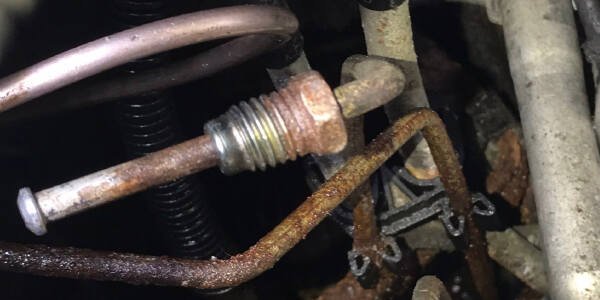
- Look for rust and cracks: Focus on steel lines under the car and near the wheels. Surface rust is common, but deep rust or bubbling means the line is weak.
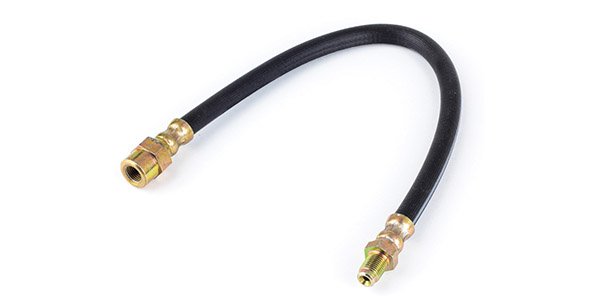
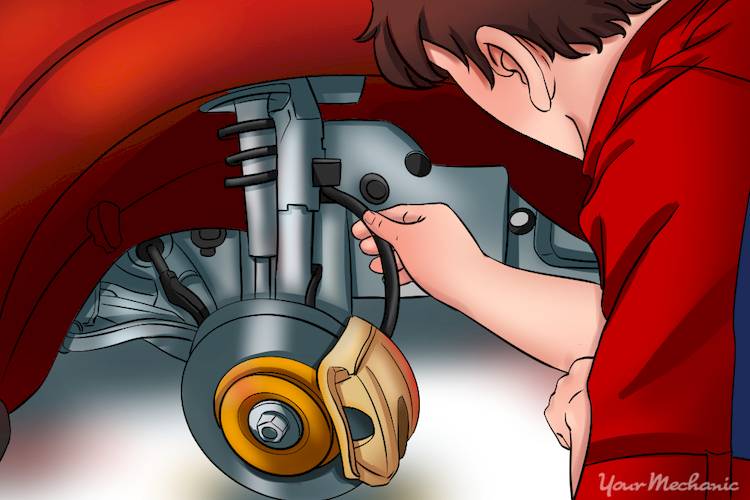
- Inspect rubber hoses: Look for swelling, cracking, or brittleness. Even small cracks can let air or moisture in.
- Wipe and re-check: If you see fluid, wipe with a cloth and check again after pressing the brake pedal.
- Test the pedal: With the engine off, press the brake pedal several times. It should feel firm—not soft or spongy.
Practical tip: If you live in a cold or coastal area, inspect brake lines more often. Salt and moisture accelerate rust.
When To Replace Brake Lines
Brake lines do not have a fixed replacement schedule. Instead, replacement depends on condition, not just age or mileage.
Main Reasons For Replacement
- Severe rust or corrosion
- Visible cracks or bulges
- Fluid leaks
- Failed brake inspection
- After a collision near the wheels or undercarriage
Non-obvious insight: Changing only one section of a rusty brake line is risky. Rust often spreads inside the line, so replacing the whole line or set is safer.
How Long Do Brake Lines Last?
- Steel lines: 8–15 years (can last longer in dry climates)
- Rubber hoses: 6–10 years (may need earlier replacement if cracked or swollen)
- Braided stainless hoses: Often last longer, but still require inspection
Types Of Brake Lines
Choosing the right brake line material is important, especially if you live in harsh climates or drive aggressively.
| Type | Main Material | Common Use | Pros | Cons |
|---|---|---|---|---|
| Steel Tube | Coated Steel | OEM/Most Cars | Strong, Cheap | Rusts over time |
| Copper-Nickel (CuNi) | Copper-Nickel Alloy | Aftermarket/Upgrades | Rustproof, Easy to bend | Costly |
| Rubber Hose | Reinforced Rubber | At Wheel Ends | Flexible, Absorbs Vibration | Can swell, cracks with age |
| Braided Stainless | Steel Mesh & Teflon | Performance Cars | High pressure, resists swelling | More expensive |
Expert tip: If you replace lines, upgrading to copper-nickel can prevent future rust, especially in snowy regions.
Step-by-step Guide To Replacing Brake Lines
Replacing brake lines can be a DIY project for skilled home mechanics, but it requires care and the right tools. If you’re not confident, let a professional handle it.
Tools And Supplies Needed
- Replacement brake line (pre-bent or roll)
- Tube cutter and bender
- Fitting wrenches (flare nut)
- Brake fluid (correct type for your car)
- Line flaring tool (if making custom lines)
- Jack, stands, wheel chocks
- Safety gear (gloves, goggles)
- Bleeder kit or clear hose and bottle
Replacement Steps
- Lift and secure the car: Use a jack and stands to safely raise the vehicle. Never trust only the jack.
- Locate the faulty line: Trace the line from the master cylinder to the affected wheel.
- Remove the old line: Use flare nut wrenches to loosen fittings. Be gentle—old lines can break easily.
- Prepare new line: If using a roll, cut to length and bend to match the original. Attach fittings and flare the ends if needed.
- Install new line: Connect and tighten fittings by hand, then snug with a wrench. Avoid over-tightening, which can crush the flare.
- Refill brake fluid: Top off the master cylinder with fresh fluid.
- Bleed the brakes: Remove air from the system using the correct bleeding sequence for your car.
- Check for leaks: With the car still lifted, press the pedal and check all connections for leaks.
- Test drive: Make short, gentle stops in a safe area before normal driving.
Common Mistakes To Avoid
- Mixing old and new fluid: Always use fresh brake fluid to avoid contamination.
- Forgetting to bleed: Air in the lines can make brakes fail.
- Wrong line routing: Make sure the new line follows the original path, away from moving parts and heat sources.
- Over-bending: Kinks or sharp bends can block fluid flow.
Credit: www.brakeandfrontend.com
Brake Fluid: The Hidden Factor
Even perfect lines can fail if the brake fluid is old or contaminated. Brake fluid absorbs moisture over time, which can cause rust inside the lines and boil under heavy braking.
| Fluid Type | Boiling Point (Dry) | Boiling Point (Wet) | Change Interval |
|---|---|---|---|
| DOT 3 | 205°C (401°F) | 140°C (284°F) | 2 years |
| DOT 4 | 230°C (446°F) | 155°C (311°F) | 2 years |
| DOT 5 (Silicone) | 260°C (500°F) | 260°C (500°F) | Rarely used in regular cars |
Tip: Always use the brake fluid type specified in your owner’s manual. Never mix DOT 3/4 with DOT 5.
Cost Of Brake Line Replacement
The price of brake line replacement can vary depending on the car and the extent of the work.
- Single line repair: $150–$300 (including labor)
- Full set replacement: $400–$800 (for all lines)
- DIY material cost: $30–$100 (tools extra)
Luxury or imported cars can cost more, especially if parts are hard to reach or require special fittings.
Hidden cost: If brake fluid has leaked onto pads or rotors, these may need replacement too.
Credit: www.brakeandfrontend.com
Safety Tips And Final Checks
- Always wear gloves and goggles when working with brake fluid—it’s toxic and damages paint.
- Never drive with a known brake fluid leak, even a small one.
- After replacement, check for leaks and test the brakes in a safe area before normal driving.
- If you hear hissing or see new leaks after repair, stop and re-check all connections.
Pro insight: Some shops offer brake line “patch” repairs. These are usually temporary. Full replacement is safer and can save money in the long run.
When To Call A Professional
If you notice heavy rust, multiple leaks, or have ABS or electronic brake assist systems, it’s best to see a qualified mechanic. Modern cars may require special tools or computer resets after brake work.
For more about advanced brake systems, visit the Wikipedia Brake Fluid page.
Credit: www.yourmechanic.com
Frequently Asked Questions
What Is The Most Common Reason Brake Lines Fail?
The most common reason is rust and corrosion, especially in regions with salted winter roads. Over time, this weakens the steel, leading to leaks or sudden bursts.
Can I Replace A Brake Line Myself?
If you have mechanical skills, the right tools, and follow safety steps, you can replace simple lines yourself. However, proper bleeding and leak checks are critical. If unsure, professional help is safest.
How Often Should Brake Lines Be Inspected?
Brake lines should be visually inspected at least once a year or at every major service. In harsh climates, inspect every 6 months.
What Type Of Brake Line Material Is Best?
Copper-nickel (CuNi) lines are the best for rust resistance and flexibility but are more expensive than steel. For most drivers, OEM steel lines are fine if inspected regularly.
Is A Small Brake Fluid Leak Dangerous?
Yes, even a small leak can cause brake failure. Brake fluid loss means less hydraulic pressure, making your brakes less effective or causing them to stop working completely.
Your brakes are your car’s most important safety feature. Keeping the brake lines in top shape is a smart, simple way to protect yourself and everyone on the road. If you ever have doubts, remember: when it comes to brakes, it’s better to be safe than sorry.