
When your car’s engine light comes on and you see the code P0335, it’s natural to feel worried. This code points directly to a problem with the Crankshaft Position Sensor A Circuit. If you drive daily or depend on your vehicle, understanding this code is key. Below, you’ll find clear explanations, real-world advice, and practical steps to handle the P0335 code like a pro—even if you’re not a car expert.
What Is P0335 Crankshaft Position Sensor A Circuit?
The P0335 code means the engine control module (ECM) detects a fault in the crankshaft position sensor circuit. The crankshaft sensor’s job is to monitor the position and speed of the crankshaft. This information helps the ECM control ignition timing and fuel injection.
When this sensor or its circuit fails, your engine may not start, run rough, or even stall. The “A” in the code usually refers to the primary crankshaft sensor (some engines have more than one).
How The Crankshaft Position Sensor Works
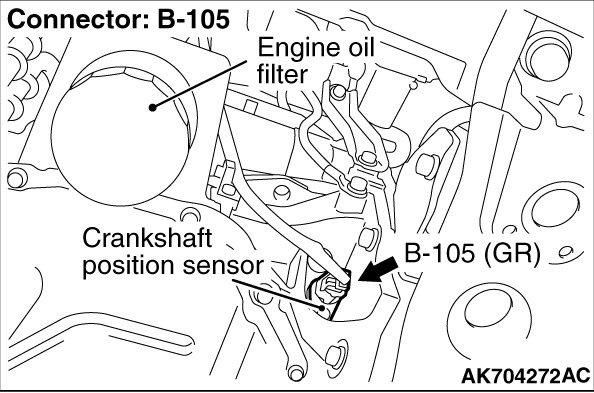
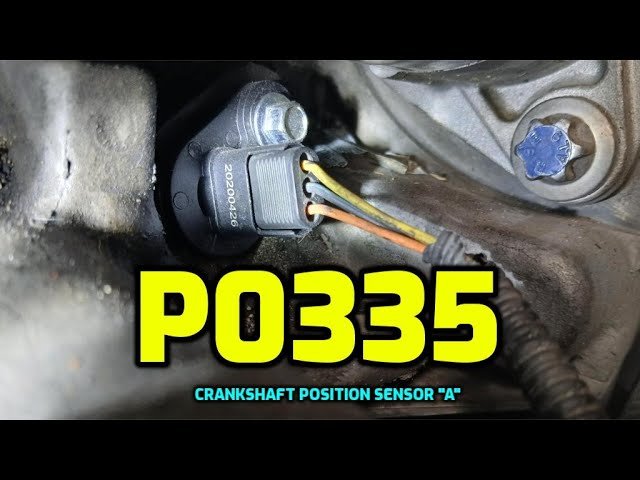
A crankshaft position sensor is usually located near the crankshaft itself. It reads the rotation using a magnet and a small wheel with teeth or notches. Every time a tooth passes, the sensor sends a signal to the ECM. This helps the engine know exactly when to fire each spark plug and inject fuel.
There are two main types of crankshaft sensors:
- Magnetic (Variable Reluctance): Uses a magnet to detect teeth on a gear.
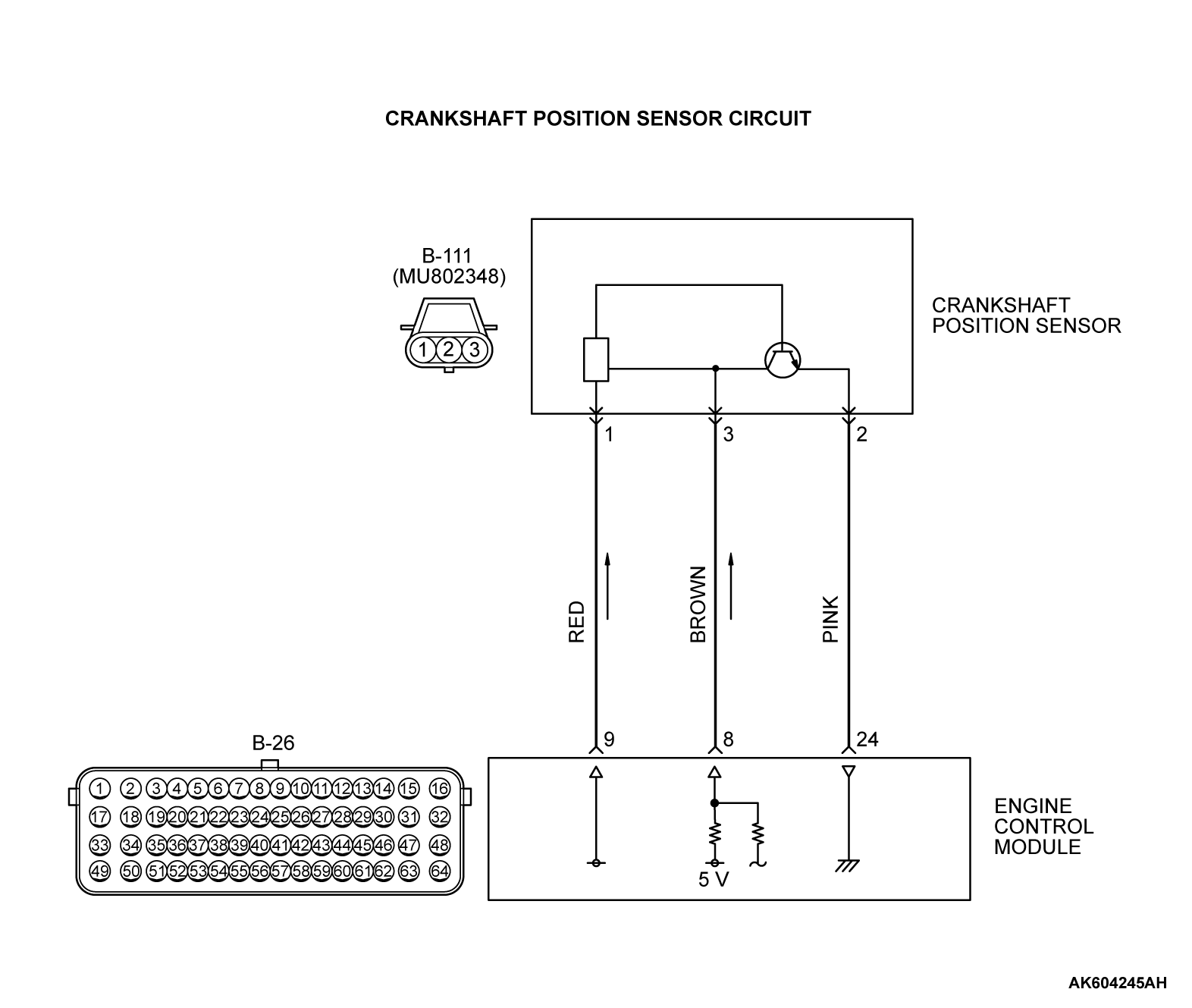
- Hall Effect: Uses a transistor to detect the gear’s position electronically.
A failure in the sensor or wiring can cause the P0335 code to appear.
What Causes The P0335 Code?
Several things can trigger this code. Understanding the causes will save you time and money:
- Faulty crankshaft position sensor: The sensor itself may be broken.
- Damaged wiring or connectors: Wires can corrode, break, or disconnect.
- Timing problems: If timing components (like the timing belt) are worn, the sensor cannot read correctly.
- Damaged reluctor ring: The gear or ring the sensor reads may be cracked or missing teeth.
- ECM problems: Rarely, the engine computer itself may fail.
- Oil or dirt contamination: Oil leaks or debris can block the sensor signal.
- Incorrect installation: If the sensor was replaced recently, it might not be installed properly.
Signs And Symptoms Of P0335
If your vehicle has a P0335 code, you may notice these issues:
- Check Engine Light: Always comes on with this code.
- Hard starting or no start: The engine may crank but not start.
- Engine stalling: The car starts but dies at random times.
- Poor acceleration: Slow or rough response when pressing the gas.
- Misfiring: The engine shakes or runs unevenly.
- Reduced fuel economy: More fuel is used as the ECM guesses timing.
Diagnosing P0335: Step-by-step
Fixing P0335 is easier if you have a plan. Here’s how a mechanic or DIYer would approach it:
- Scan for trouble codes: Use an OBD-II scanner to confirm P0335 and check for other codes.
- Visual inspection: Look for loose, damaged, or corroded wires and connectors.
- Check the sensor: Test the crankshaft sensor with a multimeter for proper resistance or voltage.
- Inspect the reluctor ring: Check for missing teeth, cracks, or damage.
- Check timing components: Inspect timing belts or chains for wear.
- Test ECM (rarely needed): Only if all other parts check out.
Diagnostic Tools Comparison
Here’s a quick overview of tools you might use:
| Tool | Purpose | Skill Needed |
|---|---|---|
| OBD-II Scanner | Read codes, check sensor data | Basic |
| Multimeter | Test sensor resistance/voltage | Intermediate |
| Scope (Oscilloscope) | View sensor waveform | Advanced |
How To Fix P0335 Crankshaft Position Sensor A Circuit
The right repair depends on the cause. Here’s what you can do:
1. Replace The Crankshaft Position Sensor
This is the most common fix. Sensors usually cost between $20 and $100.
Steps:
- Disconnect the battery.
- Locate the sensor (often near the crank pulley or flywheel).
- Unplug the sensor and remove mounting bolts.
- Install the new sensor, reconnect, and clear codes with an OBD-II scanner.
2. Repair Wiring Or Connectors
If wires are damaged:
- Repair or replace broken sections.
- Clean corroded connectors with electrical cleaner.
- Make sure connectors are tight.
3. Fix Timing Components
If the timing belt or chain is worn:
- Replace the belt or chain.
- Check tensioners and guides.
4. Clean Sensor And Area
Oil leaks or debris can block the sensor:
- Wipe off oil, dirt, or metal shavings.
- Check for leaks that need repair.
5. Replace Reluctor Ring
If the ring is damaged:
- Replace the reluctor or crankshaft gear.
- This may require more labor and special tools.
6. Check Or Replace Ecm
If all else fails:
- Test the ECM for faults.
- Replace only if other fixes do not work (rare).
Credit: mitsubishitechinfo.com
Common Mistakes When Fixing P0335
Many people waste time and money by:
- Replacing the sensor without checking wiring: Wiring is often the real problem.
- Ignoring timing components: Worn belts can cause the code.
- Not clearing codes after repair: The ECM needs to reset.
- Not using OEM parts: Cheap sensors may fail quickly.
- Overlooking oil leaks: Oil can block the sensor’s magnetic field.
Cost To Repair P0335
The price depends on the cause and vehicle:
| Repair Needed | Parts Cost | Labor Cost |
|---|---|---|
| Sensor replacement | $20–$100 | $50–$150 |
| Wiring repair | $5–$30 | $50–$100 |
| Timing belt/chain | $50–$300 | $200–$800 |
| Reluctor ring | $20–$100 | $150–$400 |
| ECM replacement | $200–$800 | $100–$200 |
*Note: Prices can vary by car model and location.*
Real-world Example
A customer brings in a 2012 Honda Accord with a check engine light and stalling. The mechanic uses an OBD-II scanner and finds P0335. The sensor is replaced but the problem remains. Upon closer inspection, the wiring harness has a small break hidden under tape.
The wire is repaired and the car runs perfectly.
Insight: Sometimes, the obvious part is not the problem. Always check wiring and connectors first.
Driving With P0335: Is It Safe?
If your vehicle is still running, you may be tempted to drive it. However, this is risky:
- Engine may stall unexpectedly, which can be dangerous in traffic.
- Long-term damage: Running with incorrect timing can harm the catalytic converter or engine.
- Poor fuel economy: You’ll spend more on gas.
Advice: Fix the problem as soon as possible.
Credit: www.youtube.com
How P0335 Differs Across Car Brands
Some vehicles are more sensitive than others. For example, some Nissan and Toyota models may not start at all with P0335, while others (like some GM cars) might run but with poor performance. Always check your owner’s manual or a repair database for your exact vehicle.
Can You Fix P0335 Yourself?
If you’re comfortable with basic tools, you can replace a crankshaft position sensor or repair simple wiring. However, timing belt or ECM repairs are best left to professionals. Always disconnect the battery before working on engine electronics.
How P0335 Affects Emissions And Inspection
A P0335 code will almost always cause your vehicle to fail an emissions test. Most inspection computers will not allow the car to pass with the check engine light on, especially for engine sensor codes.
Preventing P0335 In The Future
You can reduce the risk of this code by:
- Keeping engine oil leaks fixed
- Replacing timing belts or chains on schedule
- Using quality parts
- Keeping electrical connectors clean and dry
How Mechanics Approach P0335 Vs. Diy Fixes
Professionals use advanced tools, such as oscilloscopes, to check sensor signals. DIYers may only have a multimeter. If you cannot find the problem quickly, don’t be afraid to seek help.
When To Get Professional Help
If you’ve checked the sensor, wiring, and connectors and still have problems, it’s best to see a qualified mechanic. Deeper issues, like ECM faults or timing problems, require special tools and knowledge.
Credit: mitsubishitechinfo.com
Practical Tips For First-time Fixers
- Always disconnect the battery before working on sensors.
- Label connectors if you’re removing more than one.
- Take clear photos before removing parts to help with reassembly.
- If you get stuck, look for a service manual or join a car forum for help.
Comparing Crankshaft Vs. Camshaft Position Sensor Issues
Both sensors help the ECM time the engine, but they do different jobs. Here’s a quick comparison:
| Sensor | What It Measures | Common Codes | Effect if Fails |
|---|---|---|---|
| Crankshaft Sensor | Crankshaft position and speed | P0335–P0339 | No start or severe misfire |
| Camshaft Sensor | Camshaft position | P0340–P0349 | Rough idle, poor performance |
Two Hidden Factors Most Miss
1. Battery Voltage Problems: Low voltage or a weak battery can make sensors read incorrectly. Always check your battery before replacing parts.
2. Aftermarket Remote Starters: Poorly installed remote start systems can cause wiring issues that mimic sensor problems. If you recently had electrical accessories installed, mention it to your mechanic.
Where To Find Reliable Repair Information
For more technical details, see the official On-board diagnostics entry on Wikipedia.
Frequently Asked Questions
What Does “circuit A” Mean In The P0335 Code?
Circuit A refers to the primary crankshaft position sensor circuit. Some vehicles have more than one sensor or circuit, so “A” helps identify which one has a problem.
Can A Dead Battery Cause The P0335 Code?
Yes. Low battery voltage can cause false sensor readings or lost signals, triggering P0335. Always check your battery health before replacing parts.
Will My Car Start With A P0335 Code?
Sometimes. Some vehicles will crank but not start, while others may run poorly. The ECM needs a crankshaft signal to control ignition and fuel.
Is It Safe To Drive With P0335?
It’s not recommended. The engine may stall or run roughly, creating safety risks and possible engine damage.
How Do I Clear The P0335 Code After Repair?
Use an OBD-II scanner to erase the code. If repairs are successful, the code will not return. If it does, further diagnosis is needed.
Handling a P0335 Crankshaft Position Sensor A Circuit code doesn’t have to be confusing or expensive. Start with simple checks, don’t skip wiring inspections, and use quality parts. If you’re unsure, professional help is always a good option. With the right approach, you’ll have your car running smoothly again and avoid future headaches.