
Buying a used car can be stressful, especially if you want a vehicle with a clean history. Sometimes, cars that look perfect have a hidden past—accidents, repairs, or even flood damage. Sellers may repaint the car to hide problems. This is where a car paint meter becomes your best friend. With this simple tool, you can quickly check if the car’s paint is original or if it hides past damage. Understanding how to use a paint meter gives you an advantage and protects you from buying a car with a hidden story.
What Is A Car Paint Meter?
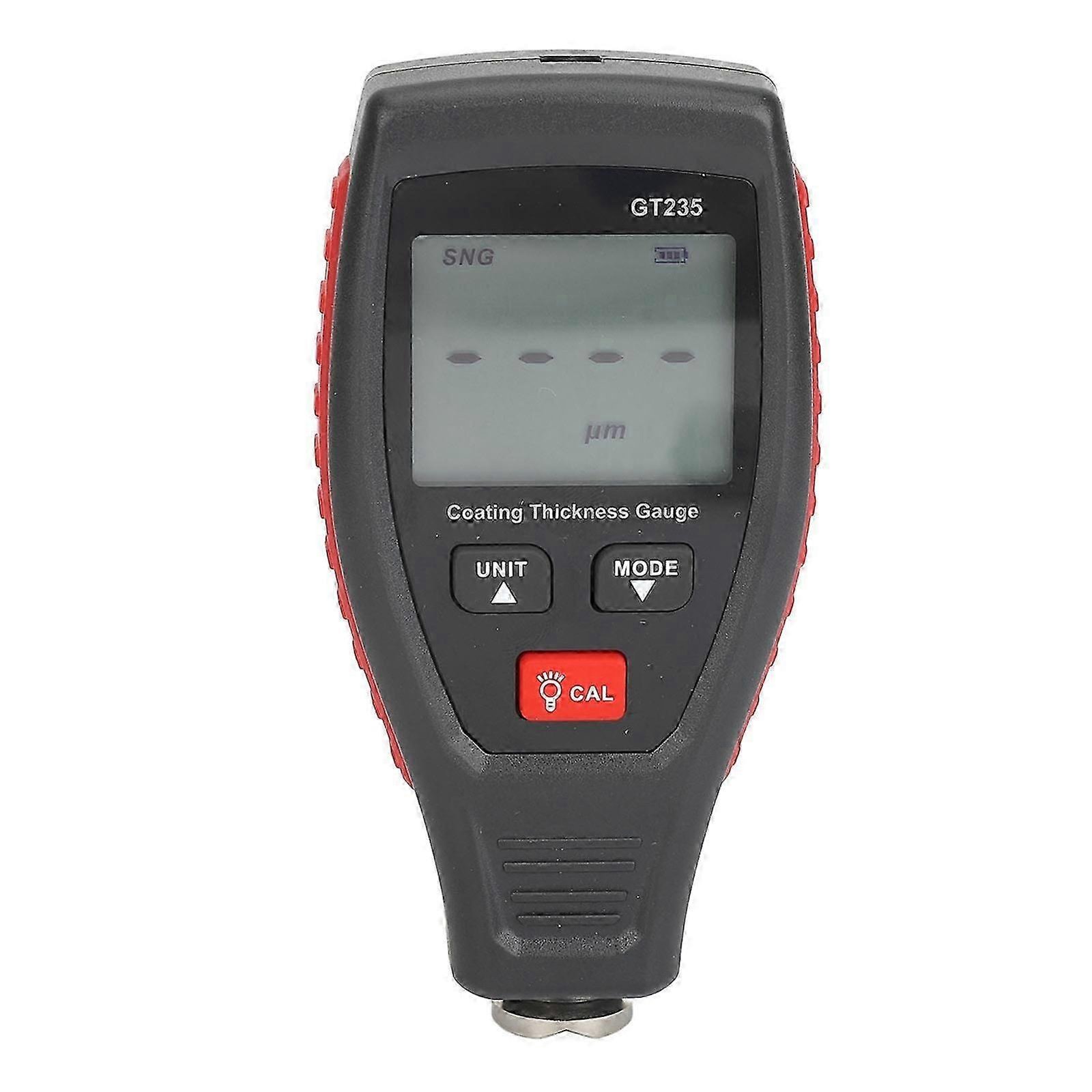
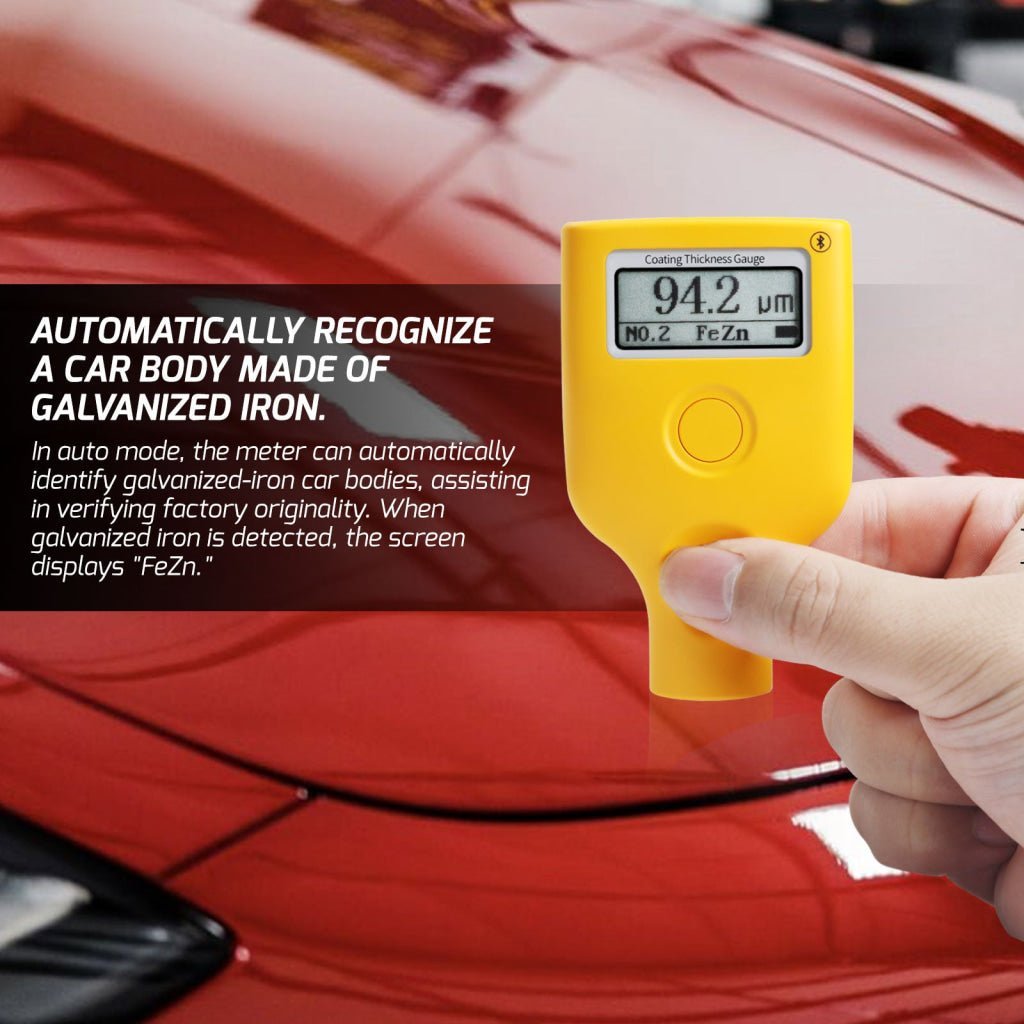
A car paint meter, also called a paint thickness gauge, is a handheld device that measures the thickness of paint on a car’s surface. It tells you if the paint is factory-original or if extra paint, filler, or bodywork has been done. Most meters use magnetic or ultrasonic technology to give a reading in microns or mils. The reading can help you spot panels that have been repainted or repaired.
For example, a normal paint thickness for most cars is 90–180 microns. If a meter shows 300 microns on a door, it means there is likely extra paint or filler—possibly due to an accident or rust repair.
Why Paint Thickness Matters When Buying Used Cars
Car dealers and sellers sometimes repaint cars to cover up problems. While a fresh paint job can look nice, it may hide:
- Major accidents that required bodywork
- Rust repairs
- Flood or hail damage
- Poor-quality repairs
A car paint meter helps you find these issues, even if the paint looks perfect. This knowledge can save you from buying a car with hidden faults or help you negotiate a better price.
Real-world Example
Imagine two cars of the same make and model. Both look great. But with a paint meter, you find one car has much thicker paint on the rear quarter panel. This suggests past damage in that area. Without the meter, you would never know.
How A Car Paint Meter Works
Paint meters measure the thickness of the car’s paint and sometimes the layers below, like primer or filler. There are two main types:
- Magnetic Meters: These use a magnet to measure the thickness of paint on steel panels. The stronger the attraction, the thinner the paint.
- Ultrasonic/Electronic Meters: These use sound waves or electronic sensors to measure thickness on any surface, including steel, aluminum, and plastic.
Modern meters show the reading on a digital display. They are simple to use—just place the tip on the car’s surface and read the number.
Types Of Car Paint Meters
Choosing the right meter is important. Here are some main types:
| Type | Works On | Accuracy | Price Range |
|---|---|---|---|
| Magnetic | Steel only | Basic | $15–$50 |
| Electronic | Steel & aluminum | High | $40–$200 |
| Ultrasonic | All surfaces | Very high | $200–$1,000 |
Basic magnetic meters are cheap but only work on steel. Electronic and ultrasonic meters are more expensive but work on modern cars with aluminum or plastic panels. For most buyers, an electronic meter is the best value.
Credit: www.clinicaneurologicacr.com
How To Use A Car Paint Meter: Step-by-step
Using a car paint meter is easy, but doing it right makes all the difference. Here’s how:
- Clean the Car’s Surface: Dirt or wax can affect the reading. Wipe the area first.
- Turn on the Meter and select the right mode (steel, aluminum, etc. ).
- Test a Known Area: Start with the roof or inside the door frame. These areas are usually original.
- Measure Multiple Points: Place the meter on each panel—doors, fenders, hood, trunk.
- Check for Differences: Big jumps in numbers mean the panel was likely repainted or repaired.
- Repeat if Unsure: Measure twice to confirm.
Quick Example
If the left front fender reads 120 microns and the right reads 350 microns, the right side probably had bodywork. This is a warning sign.
Understanding Paint Meter Readings
Interpreting the numbers is key. Here’s what the readings usually mean:
| Paint Thickness (microns) | What It Means |
|---|---|
| 80–180 | Factory paint (normal) |
| 180–250 | Possible light repaint |
| 250–400 | Body filler or heavy repair |
| 400+ | Major repair or thick filler |
Non-obvious insight: Some luxury cars have thicker paint from the factory. Check manufacturer specs if you’re unsure.
Another insight: If one door is different but all others match, the car may have had a small accident. If every panel is different, the car was likely fully repainted—sometimes due to flood or hail damage.
Credit: www.gainexpress.com
What A Paint Meter Cannot Tell You
A car paint meter is powerful, but it has limits:
- It cannot tell you what type of damage happened—just that the panel was repainted or repaired.
- Some skilled body shops can match factory thickness closely, making repairs hard to spot.
- If the car was repainted after a scratch (not an accident), the reading may still be higher.
Always combine meter readings with a close visual inspection. Look for mismatched paint color, uneven surfaces, or overspray.
Common Mistakes When Using A Car Paint Meter
Many first-time users make simple errors. Here are mistakes to avoid:
- Only Checking One Spot Per Panel: Repairs might only cover part of a door or fender.
- Not Calibrating the Meter: Most digital meters need calibration before use.
- Ignoring the Material: Magnetic meters do not work on aluminum or plastic.
- Trusting Only the Meter: Always check visually too.
- Measuring Over Stickers or Decals: These can give false readings.
Practical tip: Bring a small magnet to check if a panel is steel or aluminum. This helps you select the correct meter mode.
Comparing A Car Paint Meter With Other Inspection Tools
How does a paint meter stack up against other inspection methods?
| Tool | What It Does | Best Use | Limitations |
|---|---|---|---|
| Paint Meter | Measures paint thickness | Finding hidden repairs | Cannot show repair type |
| OBD Scanner | Reads car’s computer | Finding engine issues | Cannot check bodywork |
| Visual Inspection | Checks for visible flaws | Finding obvious damage | Misses hidden repairs |
| History Report | Shows accidents and owners | Verifying car history | Not all accidents reported |
A paint meter is a unique tool because it helps you find repairs that may not be in the car’s history report.
Should You Buy Or Rent A Car Paint Meter?
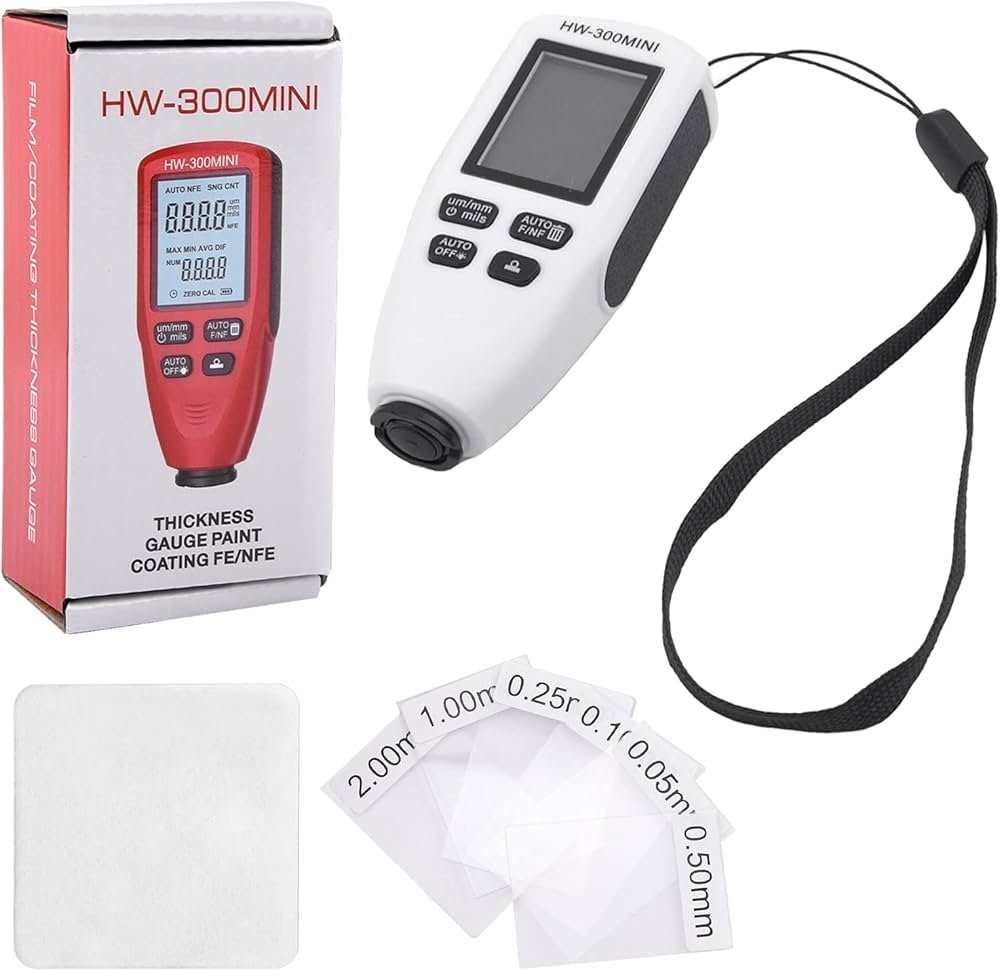
If you buy used cars often, owning a car paint meter is smart. Prices start at $40 for a good electronic model. If you only buy a car every few years, renting might be better. Many tool rental shops and some auto parts stores offer paint meters for a small fee.
Non-obvious insight: Some mobile mechanics and inspection services bring a paint meter with them. Ask before you hire someone for a pre-purchase inspection.
Credit: www.amazon.com
What To Do If You Find Repainted Panels
Finding a repainted panel is not always a deal breaker. Here’s what to do:
- Ask the Seller: Honest sellers will explain past repairs.
- Check for Signs of Poor Work: Look for rough surfaces, paint drips, or color mismatch.
- Negotiate Price: Use the information to get a lower price.
- Get a Professional Opinion: If you’re unsure, ask a trusted mechanic or body shop.
Sometimes, a small scratch repair is fine. But if several panels have very thick paint or filler, walk away.
Car Brands And Paint Thickness: Are There Differences?
Yes, paint thickness can vary by brand and model. For example:
- German luxury cars (like Mercedes or BMW) often have thicker, harder paint.
- Japanese cars (like Toyota or Honda) usually have thinner, softer paint.
- American brands are often in the middle.
Always compare panels on the same car. Do not compare a Toyota’s paint thickness to a BMW’s—they can be very different from the factory.
Should You Trust A Car’s History Report Alone?
No. Many accidents and repairs are never reported to insurance or national databases. A car paint meter finds problems that history reports might miss. Always use both tools for the best result.
For more information about paint thickness gauges, you can check the Wikipedia page on coating thickness gauges.
Frequently Asked Questions
What Is The Normal Paint Thickness For Most Cars?
Most cars have a paint thickness between 80 and 180 microns. This includes the primer, color, and clear coat layers. Luxury cars may be slightly higher, but numbers above 250 microns usually mean extra paint or body filler.
Can A Paint Meter Detect Rust Under The Paint?
No, a car paint meter cannot see rust under the paint. It only measures the thickness of the paint and any filler. If you suspect rust, look for bubbles, rough spots, or get a mechanic to check.
Do Paint Meters Work On Plastic Car Parts?
Only ultrasonic paint meters work on plastic. Most cheaper meters need metal (steel or aluminum) under the paint to function. Check your car’s panels—many bumpers and trim parts are plastic.
Should I Trust A Seller If The Paint Meter Finds Thick Paint?
Not always. Ask the seller for the repair history. If they cannot explain, or if the repair is poor quality, be careful. Use your findings to negotiate or walk away if something feels wrong.
Where Can I Buy A Good Car Paint Meter?
You can buy a car paint meter online (Amazon, eBay) or at auto parts stores. Choose a trusted brand, and check reviews before buying. If you only need it once, consider renting from a tool rental shop.
Buying a used car is a big decision. Using a car paint meter takes just minutes, but the results can save you thousands of dollars and many headaches. With the right knowledge and a careful approach, you can find a great car—and avoid the ones hiding expensive secrets.