
A torque wrench is more than just a tool; it’s a bridge between safety, precision, and reliability. Whether you’re tightening the lug nuts on a car, assembling a bike, or working on industrial machinery, the right torque makes all the difference.
Using a torque wrench the correct way prevents damage, ensures safety, and helps equipment last longer. Many beginners underestimate the value of proper technique and end up with stripped bolts or, worse, mechanical failure. This guide will show you, step by step, how to use a torque wrench with confidence and accuracy.
What Is A Torque Wrench?
A torque wrench is a tool designed to apply a specific torque to a fastener such as a nut or bolt. Torque is the twisting force that causes rotation. When a manufacturer specifies a torque value, they want you to tighten a bolt just enough—not too loose, not too tight.
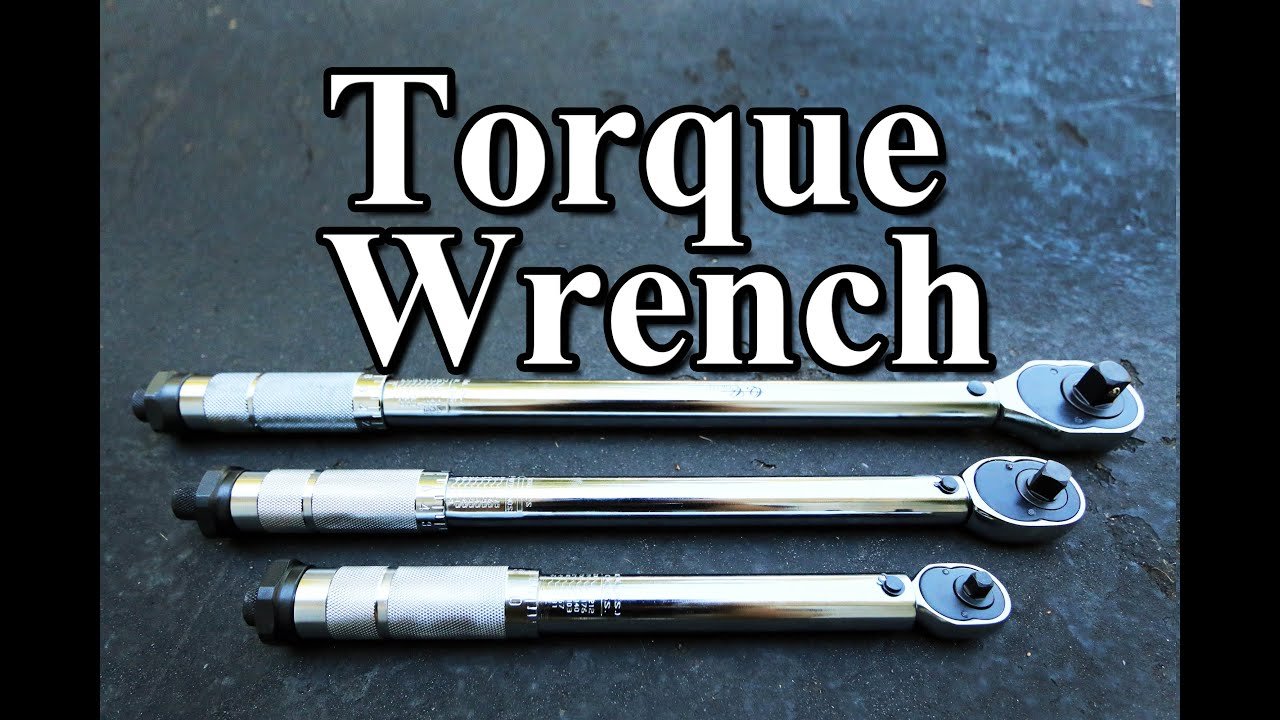
The most common types include:
- Beam torque wrench: Simple, affordable, and easy to read.
- Click torque wrench: Makes a “click” sound when you reach the set torque.
- Electronic torque wrench: Digital display with precise readings.
- Dial torque wrench: Shows torque on a dial as you turn.
Most people use click or beam types for automotive and DIY projects.
Why Using A Torque Wrench Matters
Torque wrenches are not just for professionals. Here’s why proper use is critical:
- Prevents damage: Overtightening can strip threads or break bolts.
- Ensures safety: Under-tightened bolts can come loose and cause accidents.
- Guarantees performance: Many machines rely on exact torque for best operation.
- Protects warranties: Incorrect torque can void product warranties.
For example, over-tightening a cylinder head bolt on a car engine can warp the head or damage the gasket, leading to costly repairs.
Credit: www.wikihow.com
How A Torque Wrench Works
Understanding how the tool works is key to using it well. Most torque wrenches have:
- Handle: Where you grip and apply force.
- Shaft or body: Transfers force to the head.
- Head: Holds the socket that fits your bolt or nut.
- Scale or dial: Shows the torque value. On click models, there’s a set dial.
- Locking mechanism: Locks your set torque value.
When you twist the handle, the torque travels through the shaft to the bolt. On a click wrench, the tool “breaks” or clicks when you reach the preset value. On a beam wrench, a pointer moves along a scale.
Preparing To Use A Torque Wrench
Before you start, a few steps ensure accuracy:
- Read the manual: Every wrench is a bit different. Check instructions for your model.
- Check calibration: Wrenches need to be calibrated regularly, usually every year or after heavy use.
- Inspect the tool: Look for damage, dirt, or rust. A damaged wrench can give false readings.
- Gather sockets: Make sure you have the right size socket for your bolt or nut.
- Know your torque value: Find the recommended torque from a service manual, on the machine, or from a reliable source.
Setting The Torque Value
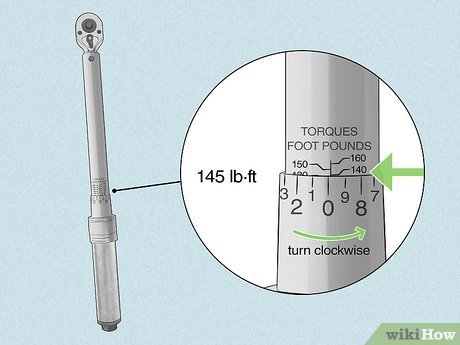
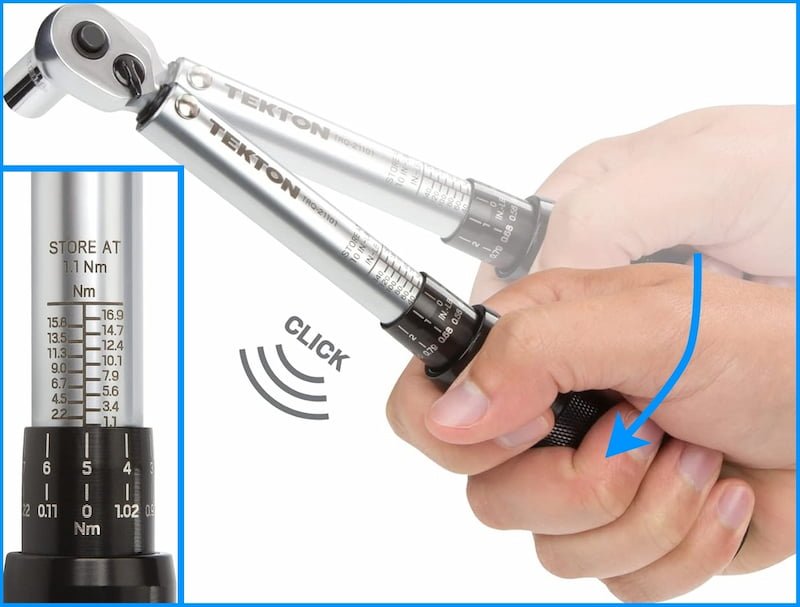
On a click torque wrench, you set the value before tightening. Here’s how:
- Unlock the handle: Most have a locking ring at the end—turn it to unlock.
- Rotate the handle: Turn to adjust the scale up or down. Align the main scale with the desired torque.
- Fine-tune: Some wrenches have a secondary scale for small increments.
- Lock the handle: Tighten the ring to hold your setting.
For a beam wrench, you do not set a value in advance; you watch the pointer as you work.
Step-by-step: Using A Torque Wrench Correctly
Follow these steps for the best results:
- Attach the socket: Place the correct socket on the wrench head.
- Position the wrench: Fit the socket onto the bolt or nut you want to tighten.
- Hold the handle: Grip the handle at the marked center (not the very end or near the head).
- Apply force smoothly: Pull or push the handle slowly and steadily. Avoid jerky motions.
- Listen for the click (click wrench): When you hear or feel the click, stop immediately. You’ve reached the set torque.
- Check the reading (beam/dial): Watch the pointer or dial as you tighten, and stop at the correct value.
- Double-check: For critical jobs, check each bolt again after a few minutes.
Never use a torque wrench to loosen bolts. They are designed only for tightening.
Real-world Example: Tightening Car Lug Nuts
Let’s say you’re changing a tire. The car manual says, “Tighten lug nuts to 100 Nm.” Here’s how you would use your torque wrench:
- Set your click wrench to 100 Nm.
- Fit a 19 mm socket onto the wrench.
- Place the socket over a lug nut.
- Pull the handle until you hear a click.
- Move to the next nut, repeating the pattern.
- After all nuts are tightened, go around once more to confirm.
Many beginners don’t realize that bolts can “settle” after the first tightening. That’s why it’s smart to double-check each nut.
Comparing Torque Wrench Types
Choosing the right type depends on your needs and budget. Here is a comparison of the most common types:
| Type | Accuracy | Ease of Use | Price | Best For |
|---|---|---|---|---|
| Beam | Good | Simple | Low | DIY, occasional use |
| Click | Very Good | Easy | Medium | Automotive, bikes |
| Electronic | Excellent | Very Easy | High | Precision work, professionals |
| Dial | Excellent | Moderate | High | Lab, research |
Key Mistakes To Avoid
Even experienced users make errors. Here are some common mistakes and how to avoid them:
- Not calibrating regularly: An uncalibrated wrench can be off by 10% or more.
- Using the wrong setting: Nm (Newton meters) and ft-lb (foot-pounds) are not the same. Double-check units.
- Applying force too quickly: Jerky movements can give incorrect torque.
- Using the wrench to loosen bolts: This can damage the tool.
- Not resetting to zero after use: For click wrenches, always set back to the lowest value to keep the spring accurate.
Advanced Tips For Best Results
A few extra habits separate experts from beginners:
- Use a smooth, steady motion: This gives more accurate results than fast or jerky pulls.
- Hold only the handle: Gripping the body changes the applied force.
- Clean threads before tightening: Dirt or oil can change the real torque.
- Use a torque sequence: For jobs like cylinder heads or wheels, follow the recommended tightening order.
- Store your wrench carefully: Keep it in its case, away from moisture.
How To Maintain A Torque Wrench
Proper care extends the life and accuracy of your tool:
- Clean after each use: Wipe with a dry cloth. Never use harsh chemicals.
- Check for damage: Look for bent shafts or cracked handles.
- Calibrate yearly: Professional calibration is worth the cost for important jobs.
- Store at lowest setting: For click wrenches, always store at the minimum torque.
Torque Conversion: Nm Vs. Ft-lb
Many manuals list torque in Newton meters (Nm) or foot-pounds (ft-lb). Knowing how to convert is useful.
1 Nm = 0.7376 Ft-lb
1 Ft-lb = 1.3558 Nm
Here’s a handy conversion:
| Nm | ft-lb |
|---|---|
| 10 | 7.4 |
| 50 | 36.9 |
| 100 | 73.8 |
| 150 | 110.7 |
Always use the correct unit for your project.
Credit: www.youtube.com
Safety Tips When Using A Torque Wrench
Safety is just as important as accuracy:
- Wear safety glasses in case a bolt snaps.
- Keep hands away from moving parts.
- Don’t use extensions unless the manual says it’s okay. Extensions can change the torque reading.
- Check for proper fit: The socket should fit snugly to avoid slipping.
- Never use a hammer to force a torque wrench.
Practical Scenarios For Torque Wrenches
Torque wrenches are used in more places than you might expect:
- Automotive: Wheels, engine parts, spark plugs.
- Bicycles: Stems, seat posts, crank arms.
- Construction: Structural bolts, anchors.
- Home repairs: Plumbing connections, furniture assembly.
- Industrial: Aircraft, machinery, pipelines.
Each scenario may need a different type and range of torque wrench.
Choosing The Right Torque Wrench For Your Needs
Not every wrench fits all jobs. Consider these factors:
- Torque range: Match the tool to your job’s required torque.
- Drive size: Common sizes are 1/4″, 3/8″, 1/2″, and 3/4″.
- Accuracy: For critical work, pick a model with high accuracy and recent calibration.
- Budget: Don’t overspend for rare use, but don’t go too cheap for important work.
- Length: Longer wrenches give more leverage for high-torque jobs.
Compare a few models and read reviews to find the best fit. For more details, you can check the Wikipedia entry on torque wrenches.
Troubleshooting Common Torque Wrench Problems
If you notice problems, try these solutions:
- Wrench won’t click: Make sure it’s not set to minimum, and check if it needs calibration.
- Torque feels off: Compare with a second wrench or get it recalibrated.
- Handle won’t lock: Clean the threads and check for damage.
- Pointer sticks (beam wrench): Clean the pivot point carefully.
If problems continue, consult a professional or replace the tool.
Credit: bike.bikegremlin.com
Frequently Asked Questions
What Happens If I Over-tighten A Bolt With A Torque Wrench?
Over-tightening can stretch or break the bolt, damage threads, or warp the material being joined. Always follow the recommended value.
Can I Use A Torque Wrench To Loosen Bolts?
No. Torque wrenches are only for tightening. Using them to loosen bolts can damage their internal mechanism.
How Often Should I Calibrate My Torque Wrench?
For regular users, calibrate once per year or every 5,000 cycles. For occasional use, check calibration every two years.
What Is The Difference Between Nm And Ft-lb?
Nm (Newton meters) and ft-lb (foot-pounds) are both units of torque but in different measurement systems. 1 Nm equals about 0. 74 ft-lb.
Why Does My Torque Wrench Need To Be Stored At The Lowest Setting?
Leaving a click wrench at a high setting can weaken the spring inside and reduce accuracy. Always set it to the lowest value before storing.
Learning how to use a torque wrench is a valuable skill for anyone who enjoys fixing or building things. With the right technique and care, you’ll get safe, reliable, and professional results every time. Don’t rush—practice makes perfect, and attention to detail pays off in the long run.