
Choosing between a 4×2 and a 4×4 truck can feel confusing if you’re not familiar with how they work or what each type can offer. Many buyers just look at the price, but there’s much more to consider. The right choice depends on your needs, where you drive, and how you use your truck. Understanding the real differences will help you avoid common mistakes and get the best value for your money.
Let’s explore the key differences, advantages, disadvantages, and real-world uses of 4×2 and 4×4 trucks. This guide will help you make a confident decision, whether you use your truck for work, adventure, or daily driving.
What Does 4×2 And 4×4 Mean?
These numbers show how a truck sends power from the engine to its wheels.
- 4×2 trucks: Power goes to only two wheels (usually the rear wheels). The “4” means four wheels; the “2” means two powered wheels.
- 4×4 trucks: Power goes to all four wheels. Both front and rear axles can receive power when needed, which improves traction.
This may sound simple, but these systems affect how a truck performs in many ways, from handling to towing to safety.
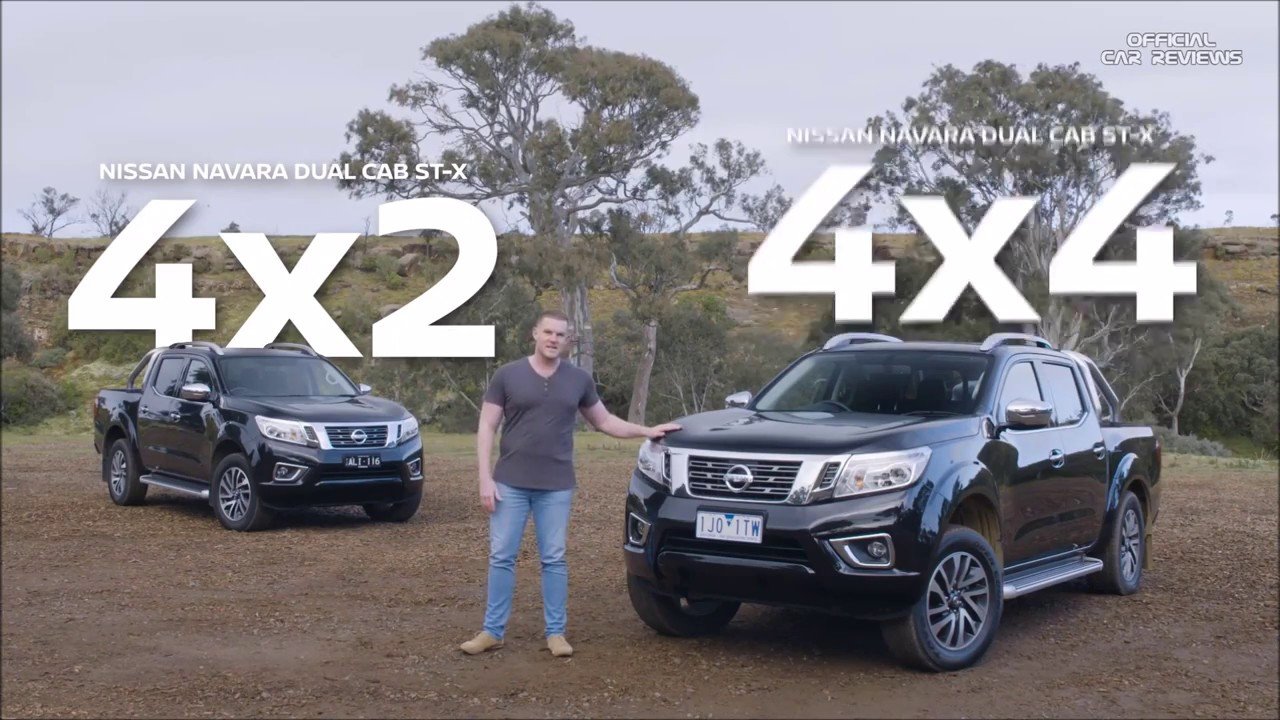
Key Differences Between 4×2 And 4×4 Trucks
Here’s a side-by-side look at the main differences:
| Feature | 4×2 Truck | 4×4 Truck |
|---|---|---|
| Number of Driven Wheels | 2 (usually rear) | 4 |
| Traction | Standard | Superior, especially off-road |
| Weight | Lighter | Heavier |
| Fuel Economy | Better | Poorer (usually 1–2 mpg less) |
| Price | Cheaper | More expensive |
| Maintenance Cost | Lower | Higher |
Credit: www.youtube.com
When To Choose A 4×2 Truck
A 4×2 truck is a smart choice for many drivers. Here’s when it makes sense:
- City and Highway Driving: If you mostly drive on paved roads, a 4×2 will do the job well. You won’t need extra traction.
- Better Fuel Economy: With less weight and fewer moving parts, 4×2 trucks usually get better gas mileage. For example, a typical full-size 4×2 truck may get 1–2 miles per gallon more than its 4×4 version.
- Lower Price: You can save $2,000 or more by choosing a 4×2 instead of a 4×4.
- Easier Maintenance: Fewer parts mean fewer things that can break. Repairs are usually cheaper and less frequent.
- Towing on Smooth Roads: 4×2 trucks can tow heavy loads on dry, flat roads just as well as 4×4 trucks.
But remember, 4×2 trucks have limits. If you drive on snow, sand, mud, or steep hills often, you may face traction problems. It’s easy to get stuck if only two wheels are driving the whole truck.
When To Choose A 4×4 Truck
A 4×4 truck is built for more challenging conditions. Consider a 4×4 if:
- Off-Road Adventures: Whether you like camping, hunting, or exploring, a 4×4 truck handles rough, uneven, or muddy ground much better.
- Snow and Ice: In areas with harsh winters, 4×4 can help you drive safely on snowy or icy roads.
- Work in Construction or Farming: If your job means driving on dirt, fields, or construction sites, a 4×4 is much less likely to get stuck.
- Steep Hills and Slopes: 4×4 trucks provide extra grip when climbing or descending steep areas.
- Towing in Poor Conditions: If you need to tow boats out of slippery ramps or trailers from muddy ground, 4×4 helps you avoid getting stuck.
However, 4×4 systems add weight and complexity. This means higher fuel use and more expensive repairs. If you rarely leave paved roads, you might not use 4×4 much at all.
Performance: Traction, Handling, And Power
How Do These Trucks Feel On The Road?
- 4×2 trucks: They feel lighter and often turn more sharply. On dry pavement, you will not notice much difference in normal driving.
- 4×4 trucks: In 4-wheel-drive mode, you’ll feel more grip on loose or slippery surfaces. Some drivers notice a heavier steering feel and slightly slower acceleration because of the extra weight.
In real-world tests, a 4×4 truck often stops sooner and starts moving faster in snow or mud. But, on dry roads, both perform nearly the same.
Cost Differences: Purchase, Fuel, And Maintenance
Let’s look at real costs.
| Type | Purchase Price | Average Fuel Economy | Typical Annual Maintenance |
|---|---|---|---|
| 4×2 | $32,000 | 20 mpg | $500 |
| 4×4 | $34,500 | 18 mpg | $650 |
*Example data for full-size pickups. *
Most buyers pay at least $2,000 more for a 4×4. Insurance may also be higher, since repairs can cost more. Over a truck’s life, you may spend several thousand dollars more on fuel and maintenance for a 4×4.
Credit: www.nissansumtersc.com
Towing And Payload: Does 4×4 Always Win?
Many people think a 4×4 automatically tows more. That’s not always true.
- Towing: On dry, level roads, 4×2 trucks often can tow more weight. This is because 4×4 trucks are heavier, so the total allowed weight (truck plus trailer) is used up faster.
- Payload: 4×2 trucks usually carry slightly more in the bed for the same reason—less weight from the 4×4 system.
However, a 4×4 is better for towing in poor conditions, like wet grass, sand, or gravel, where extra traction prevents you from getting stuck.
Safety: Which Truck Is Safer?
On dry pavement, both types are equally safe if you drive carefully. The key difference is on slippery or uneven ground.
- 4×4 trucks: Much safer on snow, ice, or off-road. Four driven wheels help prevent sliding and getting stuck.
- 4×2 trucks: May lose grip more easily in bad weather.
A common mistake: Some drivers think 4×4 makes them invincible. It does not help you stop faster on ice. Braking depends on your tires and weight, not just 4-wheel drive.
Maintenance And Repairs: What To Expect
4×4 trucks have more moving parts—extra differentials, a transfer case, and sometimes extra driveshafts.
- 4×2 trucks: Simpler, fewer parts to break. Less routine maintenance.
- 4×4 trucks: Need special attention to the 4×4 system. Repairs can cost hundreds or even thousands of dollars if the transfer case or front axle fails.
If you plan to keep your truck a long time, factor in these extra costs.
Resale Value: Which Holds Value Better?
A 4×4 truck often holds its value better, especially in areas with tough winters or where off-roading is popular. Buyers will pay more for a used 4×4 if they need the capability.
However, in warm cities or places with mild weather, a 4×2 can sell just as well and is easier to maintain.
Credit: www.gochampiondodge.com
Real-world Examples
- Ford F-150 XL 4×2 vs. 4×4: The 4×4 version costs about $3,000 more new. Fuel economy drops by 1.5 mpg.
- Toyota Tacoma: The 4×4 TRD Off-Road model is popular with adventure drivers but costs $2,500 more than a 4×2 SR5.
If you drive mostly in cities or suburbs, the extra cost may not pay off. If you live in the mountains or countryside, a 4×4 could save you from getting stranded.
Common Buyer Mistakes
- Paying for Features You Don’t Use: Many people buy a 4×4 for peace of mind but never use it.
- Ignoring Fuel Costs: Over five years, the lower gas mileage of a 4×4 can add up to $1,000 or more in fuel bills.
- Not Considering Weight: Heavy 4×4 trucks can be harder to park and maneuver.
- Forgetting Maintenance Costs: Repairs on 4×4 systems can surprise owners who are used to simpler 4×2 trucks.
- Overestimating Off-Road Needs: Most truck owners rarely leave paved roads.
Which Truck Is Right For You?
Ask yourself:
- Where do you drive most often?
- Do you face snow, mud, or off-road trails?
- Is saving on fuel and maintenance important to you?
- Do you plan to sell the truck soon, or keep it for many years?
If you live in a city and drive on highways, a 4×2 truck is usually the smart choice. If you need to tackle rough roads, snow, or slippery work sites, a 4×4 truck is worth the investment.
Non-obvious Insights
Here are two details most beginners miss:
- Tire Choice Makes a Big Difference: Good all-terrain or snow tires can make a 4×2 perform much better in bad weather, sometimes nearly as well as a 4×4 with basic tires.
- 4×4 Parts Wear Out if Not Used: If you own a 4×4, it’s important to use the 4-wheel-drive system sometimes, even on mild terrain, to keep parts lubricated and prevent problems.
Environmental Impact
4×2 trucks are lighter and use less fuel, which means lower carbon emissions. If you care about the environment and don’t need extra traction, a 4×2 is the greener choice.
Final Thoughts
Choosing between a 4×2 and 4×4 truck isn’t just about price or style. It’s about matching your truck to your real life. Take time to think about where you drive, what you carry, and what you really need. Talk to people who use trucks in your area. And remember, sometimes less is more—a 4×2 can be the perfect tool for many drivers. But if adventure or tough jobs call, a 4×4 is ready for nearly anything.
If you want to dig deeper into drivetrain systems, visit the Wikipedia Drivetrain page for detailed explanations.
Frequently Asked Questions
What Does “4×2” Mean On A Truck?
“4×2” means the truck has four wheels, but only two wheels get power from the engine—usually the rear wheels. The other two wheels just roll along.
Is A 4×4 Always Better Than A 4×2?
No. A 4×4 is better for off-road, snow, or mud. A 4×2 is lighter, cheaper, and uses less fuel. For city and highway driving, most people don’t need 4×4.
Can I Convert A 4×2 Truck To A 4×4?
It is possible, but it’s very expensive and complicated. You need to change the transmission, add a transfer case, and many other parts. It’s cheaper to buy a truck that’s already a 4×4.
Does A 4×4 Truck Use More Fuel?
Yes, usually a 4×4 truck uses 1–2 miles per gallon more fuel than a 4×2. The extra weight and moving parts reduce fuel efficiency.
Are 4×4 Trucks Harder To Maintain?
Yes. 4×4 trucks have more parts that can break and need special maintenance. Repairs are often more expensive than with 4×2 trucks.