
When you see your check engine light come on and notice white smoke from the exhaust, it’s a clear sign something isn’t right with your car. Many drivers panic, imagining the worst. But while this combination can mean serious trouble, sometimes the problem is small and fixable. Understanding what’s happening, why it’s happening, and what you should do next can save you money, time, and headaches.
Let’s break down everything you need to know about the check engine light and white smoke from the exhaust. We’ll cover the main causes, how to diagnose the issue, what repairs might be needed, and how to prevent problems in the future.
What Does The Check Engine Light Mean?
The check engine light is part of your car’s onboard diagnostics system. When something goes wrong with the engine or its related systems, a sensor sends a signal to the car’s computer. The computer then turns on the check engine light to warn you.
This light can come on for many reasons. Sometimes, it’s a minor issue, like a loose gas cap. Other times, it’s a sign of a serious problem, such as a failing catalytic converter or engine misfire.
Why Is White Smoke Coming From The Exhaust?
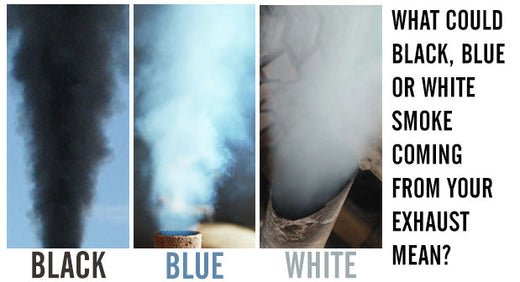
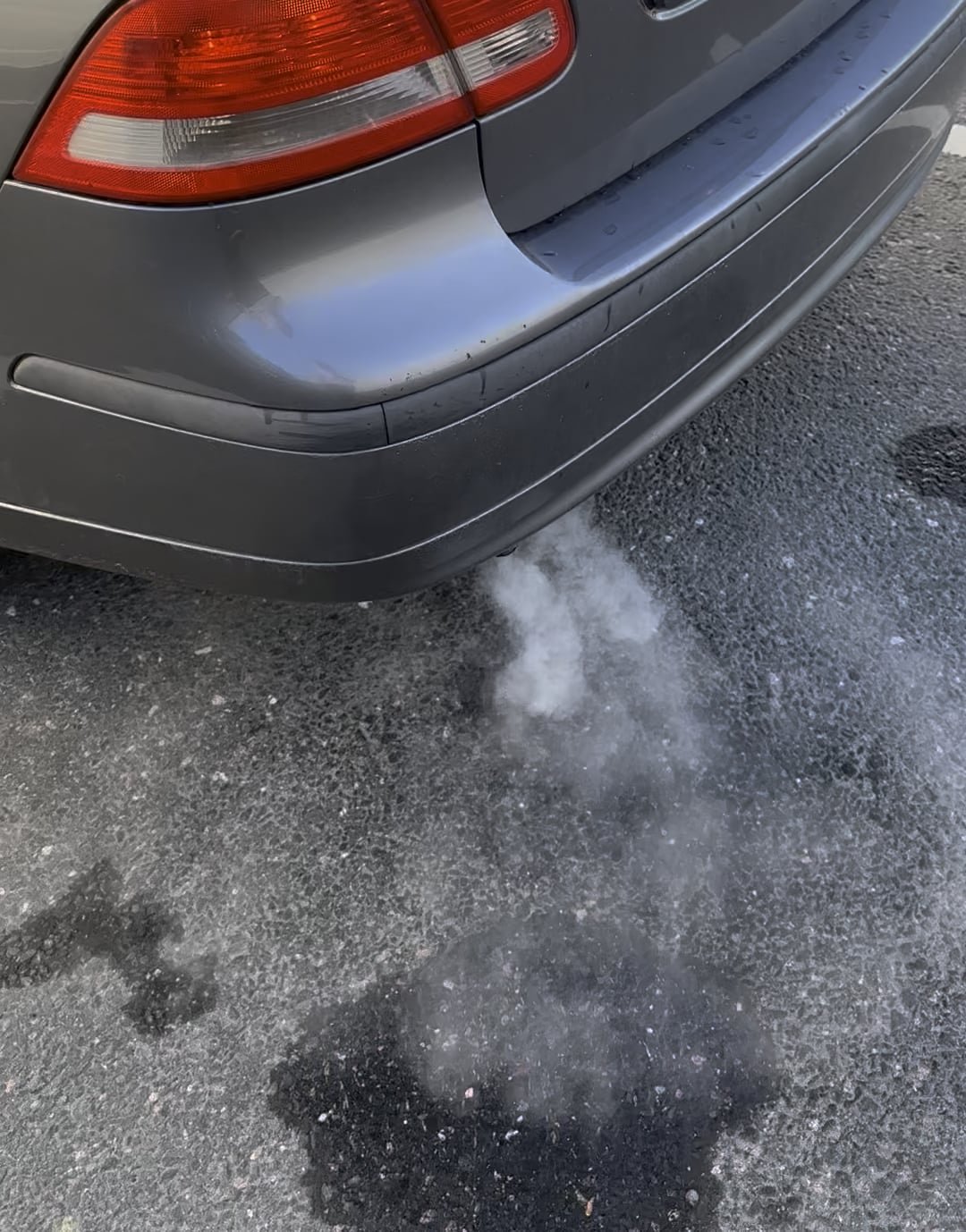
White smoke from your exhaust means something is burning or leaking that shouldn’t be. While a small amount of thin white vapor on a cold morning is normal (it’s just condensation), thick or constant white smoke is not.
Usually, persistent white smoke means coolant is getting into the engine’s combustion chamber. This can be caused by:
- A blown head gasket
- A cracked engine block
- A damaged cylinder head
- A leaking intake manifold gasket
When coolant burns, it creates white smoke that exits through the exhaust.
Credit: cdtautomotive.com
Main Causes Of Check Engine Light And White Smoke Together
When you see both the check engine light and white smoke, it’s time to take the situation seriously. Here are the main reasons these two symptoms appear together:
1. Blown Head Gasket
A blown head gasket is one of the most common and serious causes. The head gasket sits between the engine block and cylinder head. If it fails, coolant can leak into the cylinders and burn, causing thick white smoke. The check engine light comes on because the engine is not running properly.
2. Cracked Engine Block Or Cylinder Head
If the engine block or cylinder head cracks, coolant can again leak into the combustion chamber. This is less common than a blown head gasket but just as serious. Repairing a cracked block or head is expensive and often means a full engine rebuild or replacement.
3. Leaking Intake Manifold Gasket
The intake manifold gasket seals the area between the intake manifold and the engine. If it fails, coolant can leak into the intake and then into the cylinders. This also causes white smoke and engine problems, triggering the check engine light.
4. Faulty Egr Cooler (diesel Engines)
On some diesel engines, a faulty EGR (Exhaust Gas Recirculation) cooler can let coolant escape into the exhaust. This causes dense white smoke and may trigger the check engine light due to emissions problems.
5. Coolant Leak Into The Engine
Sometimes, a coolant leak from hoses or connections can drip onto hot engine parts or directly into the engine, causing white smoke. If the leak is bad enough to affect engine performance, the check engine light will come on.
6. Transmission Fluid Burning (rare)
In rare cases, a faulty transmission vacuum modulator can allow transmission fluid to be sucked into the engine and burned, creating white smoke. This is uncommon, but worth mentioning.
7. Engine Misfire Due To Coolant
If coolant enters the combustion chamber, it can cause the engine to misfire. The car’s computer detects this and turns on the check engine light. The white smoke is a result of the coolant burning in the cylinder.
How To Diagnose The Problem
It’s important to diagnose the cause correctly before spending money on repairs. Here’s a step-by-step approach:
Step 1: Read The Trouble Codes
When the check engine light is on, your car’s computer has stored a trouble code. Use an OBD-II scanner to read the code. Many auto parts stores will do this for free. The code will point you toward the problem (for example, a misfire code or coolant temperature sensor issue).
Step 2: Observe The Smoke
Look at the smoke:
- Is it thick and white? That usually means coolant.
- Is it only on startup, or all the time? If only on startup, it might be condensation.
- Does it smell sweet? Burning coolant often smells sweet.
Step 3: Check Coolant And Oil Levels
Open the hood (when the engine is cool) and check the coolant level. If it’s low, you probably have a leak. Also, check the oil. If the oil looks milky or foamy, coolant may be mixing with oil, which is a clear sign of a head gasket or internal engine problem.
Step 4: Inspect For External Leaks
Look for coolant leaks on the ground or around the engine. Sometimes, a simple hose leak can spray coolant onto hot engine parts and create white smoke.
Step 5: Compression And Leak-down Test
A compression test or leak-down test checks the health of your engine’s cylinders and can help confirm a blown head gasket or cracked engine.
Common Warning Signs To Watch For
If you notice any of these signs along with the check engine light and white smoke, the problem is likely serious:
- Engine overheating
- Loss of engine power
- Bubbling in the coolant reservoir
- Visible coolant leaks
- Sweet smell from exhaust
- Milky oil on the dipstick
Ignoring these signs can lead to complete engine failure.
What Repairs Might Be Needed?
The type of repair depends on the cause. Here’s a comparison of possible fixes and their cost range:
| Cause | Repair Needed | Estimated Cost (USD) | Time Required |
|---|---|---|---|
| Blown Head Gasket | Replace head gasket | $1,000 – $2,500 | 1-3 days |
| Cracked Block/Head | Repair or replace engine | $2,500 – $7,000+ | 3-7 days |
| Leaking Intake Manifold Gasket | Replace gasket | $300 – $600 | 1 day |
| EGR Cooler Failure | Replace EGR cooler | $500 – $1,200 | 1-2 days |
| Transmission Fluid Leak | Replace vacuum modulator | $100 – $300 | Half day |
Credit: bulletproofdiesel.com
Why You Should Not Ignore These Symptoms
Driving with a check engine light and white smoke is risky. Here’s why:
- Major Engine Damage: Continuing to drive can destroy the engine, especially if coolant is leaking inside.
- Expensive Repairs: The longer you wait, the more expensive the repair becomes.
- Safety Risks: Engine failure can happen suddenly, putting you and others at risk.
- Environmental Impact: Burning coolant or oil is bad for the environment and may make your car illegal to drive in some areas.
Preventing Check Engine Light And White Smoke Issues
While some engine problems are hard to predict, you can reduce your risk by taking care of your car:
- Check coolant levels regularly and top off as needed.
- Change oil on schedule and watch for milky appearance.
- Inspect hoses and gaskets for leaks during routine service.
- Address small issues quickly before they grow.
- Don’t ignore the check engine light—even if the car seems to drive fine.
Here’s a quick comparison of how regular maintenance helps:
| Maintenance Task | Benefit | Problem Prevented |
|---|---|---|
| Check coolant | Stops overheating | Blown head gasket |
| Change oil | Protects engine | Internal damage |
| Inspect hoses/gaskets | Finds leaks early | Coolant leaks |
| Scan for codes | Early warning | Serious issues |
Credit: www.reddit.com
Two Insights Beginners Often Miss
- Coolant Loss Is Not Always Visible: Sometimes, coolant leaks inside the engine, not outside. Just because you don’t see a puddle doesn’t mean there’s no leak.
- Check Engine Light Can Point to Related Problems: The code may not say “head gasket,” but codes for misfires, coolant temperature, or emissions often connect back to the real problem. Always look at the full picture.
When To Call A Mechanic
If you have both the check engine light and white smoke from the exhaust, it’s best to stop driving and call a professional. Even if your car still runs, you could cause more damage by continuing. Towing the car to a trusted mechanic is often cheaper than a complete engine replacement.
For more technical details on engine diagnostics and emissions, you can visit the Wikipedia page on On-board diagnostics.
Frequently Asked Questions
What Does White Smoke From The Exhaust Mean?
White smoke usually means coolant is leaking into the engine and burning. This is often a sign of a blown head gasket, cracked engine block, or leaking gasket.
Can I Drive My Car With White Smoke And The Check Engine Light On?
It’s not safe to drive with these symptoms. You could cause serious engine damage or even total engine failure. It’s best to stop and get your car checked by a mechanic.
How Much Does It Cost To Fix A Blown Head Gasket?
Repairing a blown head gasket can cost from $1,000 to $2,500 or more, depending on your car’s make and model. The cost includes parts and labor.
Is White Smoke Ever Normal?
A small amount of thin white vapor on cold mornings is normal. It’s just water vapor (condensation). But thick, persistent white smoke is not normal and means a problem.
What Should I Do First If I See These Symptoms?
First, stop driving the car if you see white smoke and the check engine light. Check your coolant level once the engine is cool. Then, arrange for a mechanic to diagnose and repair the problem.
Taking quick action when you see the check engine light and white smoke can save your engine and your wallet. By understanding the causes and knowing what to do, you can keep your car healthy and avoid major repairs.