
If you press the brake pedal and something feels wrong, it’s never a good sign. Your car’s braking system is critical for safety. One hidden danger is a brake fluid leak. Many drivers ignore early warning signs, putting themselves and others at risk. Knowing the symptoms of a brake fluid leak can save you from expensive repairs—or even an accident.
Let’s explore how your brakes work, the most common symptoms of a brake fluid leak, and what you should do if you suspect a problem. We’ll also clear up some confusion and share tips that most people miss.
Why Brake Fluid Is Essential
Brake fluid is not just another car liquid. It’s a hydraulic fluid that transfers force from your brake pedal to the brakes at each wheel. Without enough of this fluid, your brakes will not work correctly.
What makes brake fluid unique is that it does not compress. When you press the brake pedal, the fluid pushes pressure through the lines to the brake calipers or drums. That force clamps the brake pads on the rotors, slowing your car.
If you have a leak, there won’t be enough pressure, and your car may not stop when you need it.
How Brake Fluid Leaks Happen
Brake fluid leaks can develop for several reasons:
- Corroded or damaged brake lines
- Worn-out brake calipers or wheel cylinders
- Cracked master cylinder seals
- Loose or damaged brake hoses
- Failing reservoir caps or seals
Most leaks are small at first. But even a tiny leak can cause big problems over time.
Key Symptoms Of A Brake Fluid Leak
Spotting a brake fluid leak early means you can fix the problem before it’s dangerous or expensive. Here are the main symptoms to watch for.
1. Spongy Or Soft Brake Pedal
If you press the brake pedal and it feels soft, mushy, or goes closer to the floor than usual, this is a classic symptom. Normally, the pedal should feel firm and responsive. When you have a leak, air enters the system, and the fluid cannot build enough pressure.
This is often the very first sign many people notice.
2. Brake Warning Light
Most modern cars have a dashboard warning light for the brakes. Sometimes it simply says “BRAKE,” or it might be a circle with an exclamation mark. This light can turn on for several reasons: low brake fluid, worn brake pads, or a problem with the braking system. If you see this light and your fluid is low, a leak could be the cause.
3. Visible Fluid Under The Car
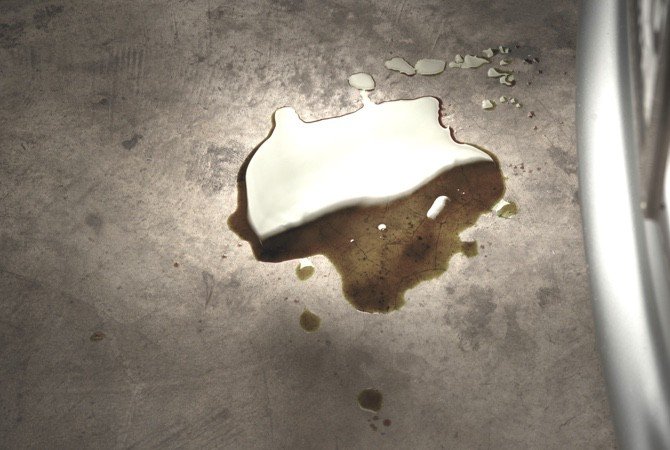
Brake fluid is usually clear or light brown, and it feels slippery, a bit like oil. If you see puddles or wet spots under your car, especially near a wheel or under the brake pedal area, this could be leaking brake fluid.
Unlike engine oil, brake fluid usually has a mild odor and is thinner in texture.
4. Poor Braking Performance
When there is not enough fluid, your car will not stop as quickly. You might notice it takes longer to come to a stop or that you need to press the pedal harder. This is a dangerous symptom and should never be ignored.
5. Low Brake Fluid Level In The Reservoir
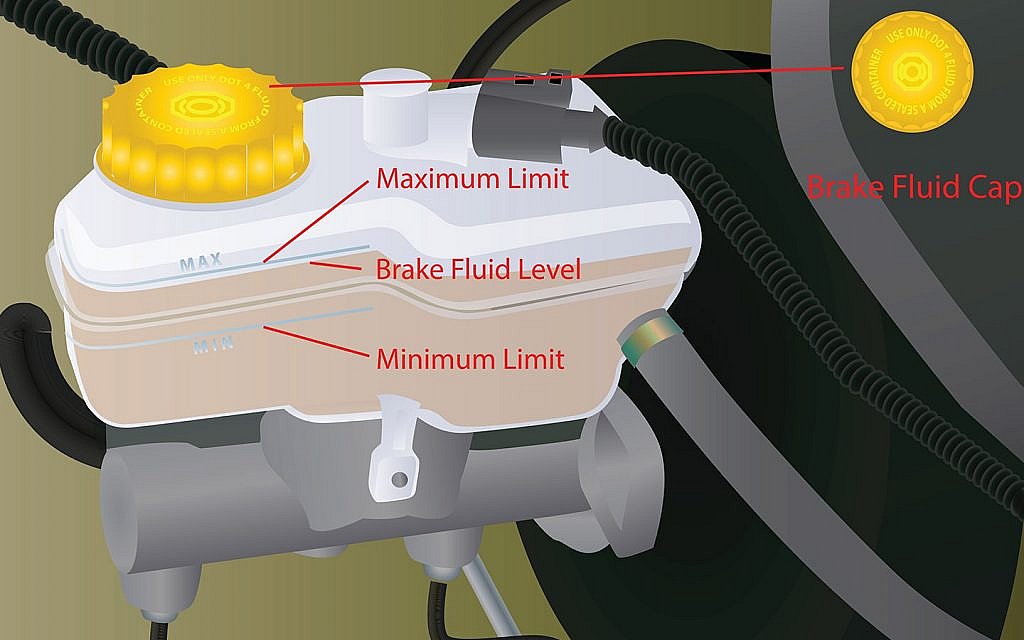
Open your car’s hood and look for the brake fluid reservoir. If the fluid level is below the “MIN” line, check for leaks. Brake fluid does not get “used up” like gasoline; if it’s low, there’s a reason. Some people top up the fluid without fixing the leak, which only delays the problem.
6. Brake Pedal Sinks When Pressed
A healthy brake pedal should stay in position when you press and hold it. If it slowly sinks toward the floor, even with your foot firmly on it, this means the system is losing pressure—often because of a leak or a bad master cylinder.
7. Unusual Noises When Braking
Air in the system, caused by a leak, can create squishing or hissing sounds when you press the pedal. Sometimes you may also hear grinding or squealing, especially if the fluid leak has caused brake pads to wear unevenly.
8. Burning Smell After Braking
If brake fluid leaks onto hot parts like the brake rotors or exhaust, it can create a sharp, chemical burning smell. This is rare but very serious because leaking fluid can catch fire under high temperatures.
9. Brake Pedal Vibrates Or Pulsates
When a leak causes uneven pressure, you might feel vibrations in the pedal, especially when stopping quickly. This is different from the normal ABS vibration. It usually feels random and is a sign something is wrong in the hydraulic system.
10. Dirty Or Contaminated Brake Fluid
If you check the reservoir and the brake fluid looks dark, cloudy, or has particles floating in it, this can be a sign of a leak or contamination. Old, dirty fluid can eat away at seals, making leaks more likely.
11. Tires Or Wheels Wet With Fluid
Sometimes, brake fluid leaks near the wheels. If you see one wheel that’s always wet or sticky, check for brake fluid. This is more common with drum brakes but can happen with disc brakes too.
12. Uneven Braking Or Car Pulls To One Side
If your car pulls to one side when you brake, it might mean one wheel is getting less pressure because of a leak. This often feels like a gentle tug on the steering wheel.
13. Increased Stopping Distance
This is one of the most dangerous symptoms. If you notice you need more space to stop, even in normal traffic, it’s a sign your brakes are not working as they should. Always test your brakes in a safe area if you notice this change.
14. No Resistance In Pedal
If you press the brake pedal and it goes to the floor with almost no resistance, your system may have lost almost all its fluid. This is a critical emergency—do not drive the car!
15. Abs System Warning Light
Some cars have a separate ABS (anti-lock braking system) warning light. If it turns on along with other symptoms above, a fluid leak could be affecting the ABS module.
Brake Fluid Leak Vs. Other Leaks
Many car fluids can leak, but brake fluid has a few special signs. Here’s a quick comparison:
| Fluid | Color | Texture | Common Location |
|---|---|---|---|
| Brake Fluid | Clear to light brown | Oily, slippery | Near wheels, under brake pedal |
| Engine Oil | Amber to dark brown | Thick, greasy | Under engine |
| Transmission Fluid | Red or pink | Oily, slippery | Mid-vehicle, near transmission |
| Coolant | Green, orange, pink | Watery, sweet smell | Under radiator or engine |
What To Do If You Suspect A Leak
If you notice any of these symptoms, act fast. Here’s what you should do:
- Do not drive if your brake pedal feels too soft or sinks to the floor.
- Check the brake fluid reservoir. If it’s low, do not just top it up and keep driving.
- Look for leaks around the wheels or under the car.
- Call for professional help. A mechanic can check the lines, calipers, and master cylinder to find and fix the leak.
- If you must move the car, go slowly and use a tow service if possible.
Ignoring a brake fluid leak can lead to total brake failure. It’s not just about fixing the car; it’s about safety for you and everyone on the road.
How Mechanics Find Brake Fluid Leaks
A mechanic will usually:
- Check the brake fluid level and inspect the fluid’s condition.
- Look for wet spots around brake lines, hoses, calipers, and wheels.
- Pressurize the system to spot hidden leaks.
- Use a UV dye in the fluid to trace small leaks (advanced shops).
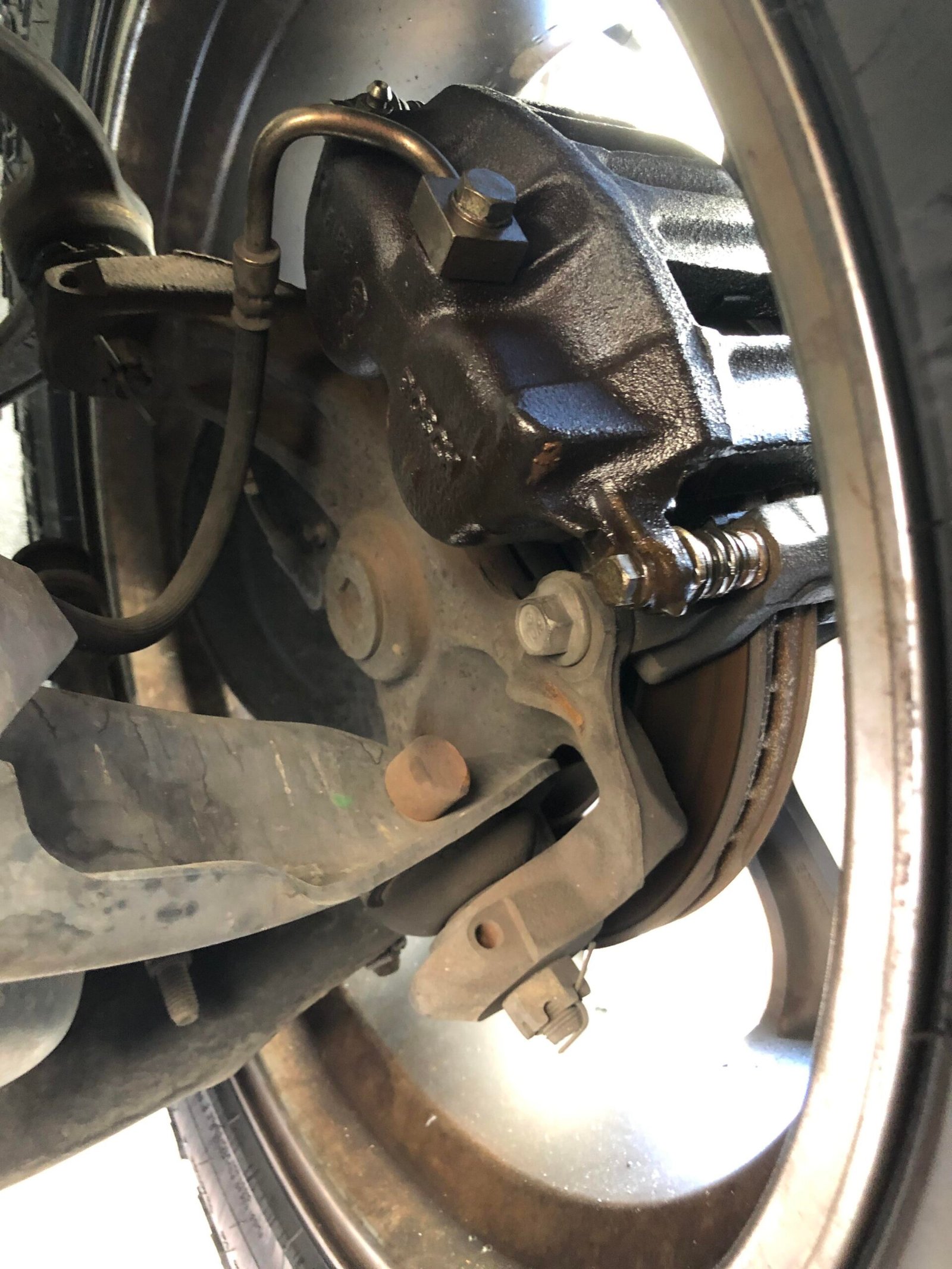
Here’s a summary of common leak points and their causes:
| Leak Location | Usual Cause | Repair Needed |
|---|---|---|
| Brake Lines | Rust, physical damage | Replace line/section |
| Calipers/Wheel Cylinders | Seal failure, age | Rebuild or replace |
| Master Cylinder | Worn seals, internal leaks | Rebuild or replace |
| Hoses | Cracks, loose fittings | Replace hose |
| Reservoir | Cracked cap or body | Replace reservoir |
Credit: www.reddit.com
Common Myths And Mistakes
Many car owners make the same mistakes when it comes to brake fluid leaks:
- Myth: “It’s just a small leak, I can wait.” Even a tiny leak can lead to total brake failure in seconds.
- Mistake: Topping up fluid without fixing the leak. This only hides the problem and can cause bigger damage.
- Myth: “I’ll hear a grinding noise before it gets serious.” Some leaks are silent until the brakes fail.
- Mistake: Using the wrong type of brake fluid. Always use the fluid recommended in your car’s manual.
One thing beginners miss: brake fluid attracts water over time, which can rust brake parts from the inside. So even a slow leak can create expensive repairs if not fixed quickly.
How Often Should You Check Brake Fluid?
For most cars, check the brake fluid at every oil change—about every 5,000 to 10,000 km (3,000 to 6,000 miles). If you drive in wet or hilly areas, check more often. If you see the fluid getting darker, have it changed.
Old fluid can break down seals and cause leaks.
Credit: www.wagnerbrake.com
How Much Does It Cost To Fix A Brake Fluid Leak?
Costs depend on where the leak is:
- Brake lines: $100–$300 (per section)
- Calipers or wheel cylinders: $150–$400 each
- Master cylinder: $200–$400
- Brake hoses: $80–$200 each
Labor costs vary based on location and car type. Remember, fixing a leak is always cheaper than fixing an accident.
Can You Drive With A Brake Fluid Leak?
It’s not safe. Even a slow leak can quickly become a major one. Brakes can fail at any time, especially in heavy traffic or on hills. If you must drive, go straight to a repair shop and avoid highways.
For more details on brake fluid and vehicle safety, you can check Wikipedia’s brake fluid page.
Credit: www.dubizzle.com
Frequently Asked Questions
What Does Brake Fluid Look Like?
Brake fluid is usually clear to light brown when new. Over time, it can get darker. It feels oily and is thinner than engine oil. If you see this kind of fluid near your wheels or under the brake pedal, it’s a warning sign.
Is Brake Fluid Dangerous To Touch?
Yes. Brake fluid can irritate your skin and damage paint. Wash your hands after touching it, and clean any spills on your car right away. Always use gloves when working with brake fluid.
How Do I Know If My Brakes Are Leaking Fluid?
Look for the symptoms: a soft brake pedal, low fluid in the reservoir, warning lights, and visible fluid under the car. If in doubt, have a mechanic inspect your brakes.
Can I Add More Brake Fluid Myself?
You can add more, but this is only a short-term solution. If the fluid is low, you likely have a leak. Adding fluid won’t fix the root problem. Always repair the leak as soon as possible.
How Often Should Brake Fluid Be Changed?
Most experts recommend changing brake fluid every 2–3 years or as your owner’s manual suggests. Old fluid can cause corrosion and leaks. Regular changes help keep your braking system safe and reliable.
Staying alert for brake fluid leak symptoms is one of the smartest things you can do for your car and your safety. Small problems can become big emergencies if ignored. If you notice even one of the signs above, get your brakes checked by a professional right away.
Safe driving always starts with good brakes.