
When your car’s dashboard flashes the check engine light, it can be worrying—especially if you scan the codes and see “P0011 Camshaft Timing Over Advanced.” This technical phrase may sound confusing, but it’s a common issue in many modern engines. Understanding what it means, how it affects your vehicle, and how to fix it is vital for any car owner or enthusiast. This guide will break down the P0011 code in clear, simple language, covering everything you need to know.
What Does Engine Code P0011 Mean?
The P0011 code stands for Camshaft Position “A” – Timing Over-Advanced or System Performance (Bank 1). In simple terms, your engine’s computer (ECU) thinks the intake camshaft timing is too advanced compared to what it should be. This usually happens in engines with Variable Valve Timing (VVT), a technology that helps improve fuel efficiency and power.
When the timing is “over advanced,” the intake valves open sooner than the computer expects, which can cause poor engine performance, rough idling, or even engine damage if ignored.
How Camshaft Timing Works
To grasp why P0011 matters, you need to know how camshaft timing affects your engine. The camshaft controls when the intake and exhaust valves open and close. With VVT, the timing can change based on speed and load, making your engine smarter and more efficient.
When the timing is right:
- The engine breathes well.
- Fuel burns efficiently.
- Power and emissions stay balanced.
But if the timing is off—especially if it’s too far advanced—you might notice several problems.
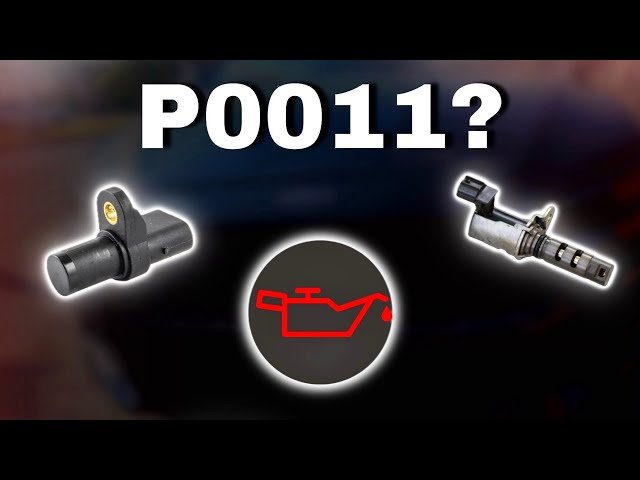
Credit: www.youtube.com
Symptoms Of P0011 Camshaft Timing Over Advanced
When your car has the P0011 code, you might see or feel some of these signs:
- Check Engine Light stays on.
- Rough idle or stalling.
- Hard starting or trouble starting the engine.
- Loss of power during acceleration.
- Poor fuel economy.
- Engine knocking or ticking noises.
- Failed emissions test.
- Car going into limp mode (reduced power).
- Unusual exhaust smell.
- Delayed response when pressing the accelerator.
- Excessive exhaust smoke (sometimes blue or black).
Even if you only notice one or two, don’t ignore them—addressing the P0011 code early can save you from bigger problems later.
What Causes The P0011 Code? (11 Common Causes)
Let’s break down the 11 most common reasons for the P0011 code. Each cause has its own signs and fixes.
1. Low Or Dirty Engine Oil
Dirty or low oil is the top cause. VVT systems use oil pressure to move the camshaft. If the oil is old or there isn’t enough, the system can’t work right. Always check your oil first when you see this code.
2. Faulty Camshaft Position Actuator Solenoid
The actuator solenoid controls oil flow to the camshaft. If it fails, the camshaft can get stuck in the advanced position. This is a common part to wear out, especially in high-mileage cars.
3. Worn Timing Chain Or Belt
A stretched or worn timing chain (or belt) can throw off the camshaft timing. This is more common in older engines, or those with poor maintenance history.
4. Faulty Camshaft Position Sensor
The sensor tells the ECU where the camshaft is. If it sends wrong signals, the computer may think the timing is over-advanced even if it’s not.
5. Bad Oil Control Valve (ocv)
The oil control valve manages oil pressure to the VVT system. If it’s clogged or broken, oil flow is limited, causing timing problems.
6. Engine Mechanical Problems
Issues like worn camshaft gears, broken guides, or bent valves can make the camshaft act out of sync. These are more serious but less common.
7. Electrical Problems
Damaged wires, poor connections, or a bad ECU can confuse the VVT system and trigger the P0011 code.
8. Incorrect Timing Chain Installation
If the timing chain or belt was installed wrong during repairs, the camshaft may always be advanced.
9. Sludge Buildup In Engine
Old oil can create sludge, blocking oil passages and VVT parts. Regular oil changes help prevent this.
10. Faulty Crankshaft Position Sensor
This sensor works with the camshaft sensor. If it fails, timing can be thrown off.
11. Aftermarket Engine Modifications
Non-standard parts, like aggressive camshafts or performance chips, can sometimes confuse the VVT system and cause this code.

Credit: www.carparts.com
How To Diagnose And Fix P0011
Fixing the P0011 code takes careful steps. Here’s how a mechanic—or a skilled DIYer—can find and solve the problem.
Step 1: Check Engine Oil
Always start here. Make sure oil is clean and at the right level. If it’s dirty, change it and replace the filter. Use the oil type recommended by your car’s manufacturer. According to the U.S. Environmental Protection Agency, vehicle emissions standards and onboard diagnostic systems are designed to identify problems that can increase pollution.
Step 2: Scan For Additional Codes
Use an OBD-II scanner to see if other codes are present. Sometimes P0011 appears with other VVT or sensor codes, which can help pinpoint the cause.
Step 3: Inspect The Camshaft Position Actuator Solenoid
Remove and check the solenoid. It should move freely and not be clogged with sludge. If it’s dirty, try cleaning it with a solvent. Replace if necessary.
Step 4: Test The Camshaft And Crankshaft Sensors
Use a multimeter to check for correct voltage and signal. If the sensors are faulty, replace them.
Step 5: Inspect The Timing Chain Or Belt
If your engine is noisy or has high miles, check the timing chain/belt for stretch or wear. This usually requires removing the timing cover.
Step 6: Check The Oil Control Valve
Remove the OCV and check for clogs. Clean or replace as needed.
Step 7: Look For Wiring Or Connector Problems
Check all VVT-related wiring for cracks, corrosion, or loose plugs.
Step 8: Check For Engine Sludge
If you see thick, black deposits under the oil cap or in the valve cover, your engine may have sludge. This requires deeper cleaning.
Step 9: Consider Mechanical Issues
If nothing else works, a mechanic may need to check for worn gears, bent valves, or other mechanical problems inside the engine.
Step 10: Relearn Or Reset The Ecu
After repairs, some cars need the ECU reset or a “relearn” procedure with a scan tool.
Step 11: Test Drive And Re-scan
Clear the code, drive the car, and scan again. If the code returns, further investigation is needed.
How P0011 Affects Your Car’s Performance
Ignoring the P0011 code is risky. Over-advanced camshaft timing can cause:
- Poor fuel economy (up to 10–20% worse)
- Loss of power, especially at low speeds
- Engine knocking (can cause long-term damage)
- Higher emissions, possibly causing failed inspections
- In rare cases, serious engine damage if not fixed
For many drivers, the car may run, but not as smoothly or efficiently as before. Some vehicles may enter “limp mode,” reducing power to protect the engine.
Cars Most Likely To Get P0011
While any car with VVT can get this code, it’s most common in:
- Nissan and Infiniti (especially 2.5L and 3.5L engines)
- GM vehicles (Chevrolet, Cadillac, GMC with Ecotec engines)
- Toyota and Lexus (especially 2.4L and 2.5L engines)
- Honda and Acura (with VTEC systems)
- Hyundai and Kia (newer models with GDI engines)
Knowing your car’s history can help you plan for possible issues.
Cost To Fix P0011
Repair costs depend on the cause. Here’s a typical range:
| Repair Needed | Estimated Cost (USD) |
|---|---|
| Oil change (with filter) | $40 – $100 |
| Replace actuator solenoid | $100 – $300 |
| Replace camshaft sensor | $80 – $250 |
| Timing chain/belt replacement | $500 – $1,500 |
| Engine cleaning (sludge removal) | $150 – $600 |
| Major engine repairs | $1,000 – $3,000+ |
If you catch the problem early, repairs are often simple and affordable.
Prevention Tips For P0011
You can avoid this code by:
- Changing oil regularly (follow the owner’s manual)
- Using the right oil type and quality
- Fixing oil leaks quickly
- Doing regular engine checkups
- Avoiding cheap aftermarket engine parts
- Keeping all sensors and wiring in good shape
- Following manufacturer maintenance schedules
- Cleaning the engine if you notice sludge
- Checking for recalls or technical service bulletins
- Letting your engine warm up before hard driving
- Not ignoring small engine noises or changes
These habits keep your VVT and timing systems healthy.
How P0011 Differs From Similar Codes
There are several codes related to camshaft timing. Here’s how P0011 compares:
| Code | Description | Main Difference |
|---|---|---|
| P0010 | Camshaft Position Actuator Circuit (Bank 1) | Electrical issue, not timing position |
| P0012 | Camshaft Timing Over Retarded (Bank 1) | Timing too late, not advanced |
| P0021 | Camshaft Timing Over Advanced (Bank 2) | Same problem, but in Bank 2 |
| P0022 | Camshaft Timing Over Retarded (Bank 2) | Retarded timing, Bank 2 |
Knowing the code helps target the right repair.

Credit: www.carparts.com
Real-world Example: 2012 Nissan Altima
A 2012 Nissan Altima with a 2. 5L engine was idling rough and had a check engine light. The code was P0011. The owner found the oil was low and overdue for a change. After a fresh oil change and filter, the code cleared and the engine ran smoothly.
This shows how sometimes a simple fix solves a complex-sounding problem.
Common Mistakes When Fixing P0011
Many beginners jump to expensive repairs before checking the basics. Two common mistakes:
- Not checking oil first: Dirty or low oil is often the cause. Always start here.
- Replacing parts without testing: Don’t swap sensors or solenoids before testing them. It can waste money and time.
Patience and a step-by-step approach prevent frustration.
Importance Of Using Quality Parts
Cheap or off-brand sensors, solenoids, or oil filters can cause more problems. Always use OEM or high-quality parts, especially for VVT systems. The wrong oil filter can restrict oil flow, triggering the P0011 code again.
When To See A Professional
If you’ve checked oil, sensors, and wiring but the code stays, it’s time for a pro mechanic. Deep engine or timing chain issues are complex and need special tools and experience.
Frequently Asked Questions
What Does “camshaft Timing Over Advanced” Mean?
It means the intake camshaft is opening the valves sooner than the engine’s computer expects. This can reduce power, cause rough running, and increase emissions.
Can I Drive My Car With Code P0011?
You can drive short distances, but it’s risky. The engine may run poorly, stall, or get damaged if ignored. Fix it as soon as possible.
Will An Oil Change Fix P0011?
Often, yes—especially if the oil was dirty or low. But if the code returns, further diagnosis is needed.
How Long Does It Take To Fix P0011?
Simple fixes, like oil changes or solenoid replacement, take 30–90 minutes. Major repairs, like timing chain replacement, can take 4–8 hours.
Where Can I Learn More About Engine Codes?
A good resource is the Wikipedia page on On-board diagnostics for more technical background.
If you take care of your engine, keep up with maintenance, and address warning lights early, the P0011 code doesn’t have to be a nightmare. Knowing what causes it, how to diagnose it, and how to prevent it keeps your car running longer and stronger.