
When the check engine light appears on your dashboard, it can trigger instant worry. Sometimes, this light signals a minor issue, but other times, it points to something more serious—like a timing chain problem. The timing chain is a critical engine part. If it fails, your engine can suffer severe damage. Understanding how the check engine light relates to timing chain issues can help you act quickly, save money, and avoid breakdowns.
This article will guide you through what the check engine light means, how it’s connected to timing chain problems, common symptoms, what to do next, repair costs, and ways to prevent timing chain failures. If you’ve ever wondered whether you can ignore that light, or what that rattling noise under the hood means, this article is for you.
What Is The Timing Chain And Why Does It Matter?
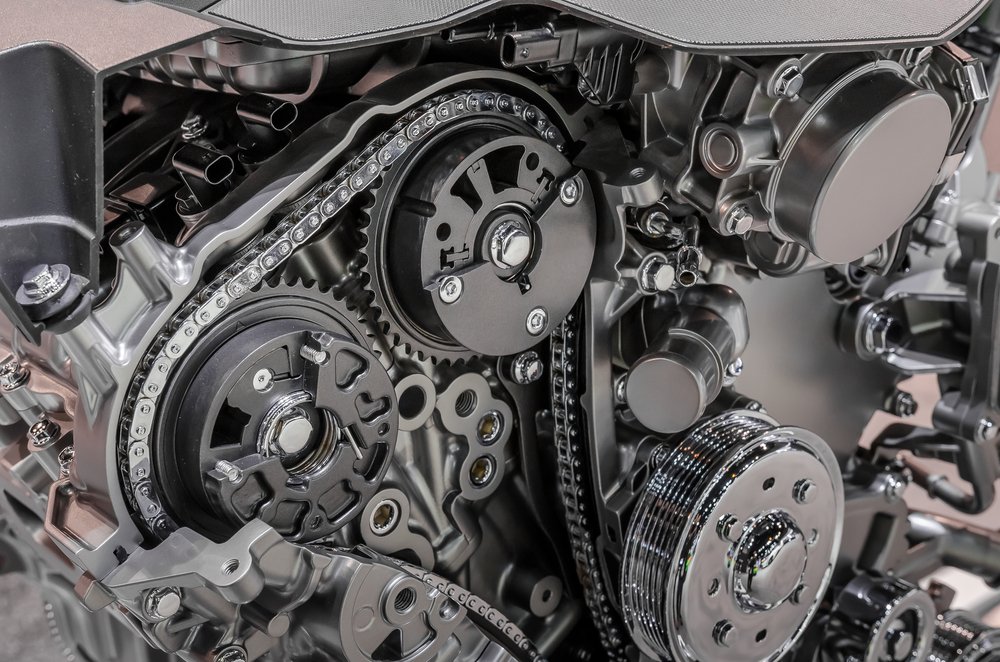
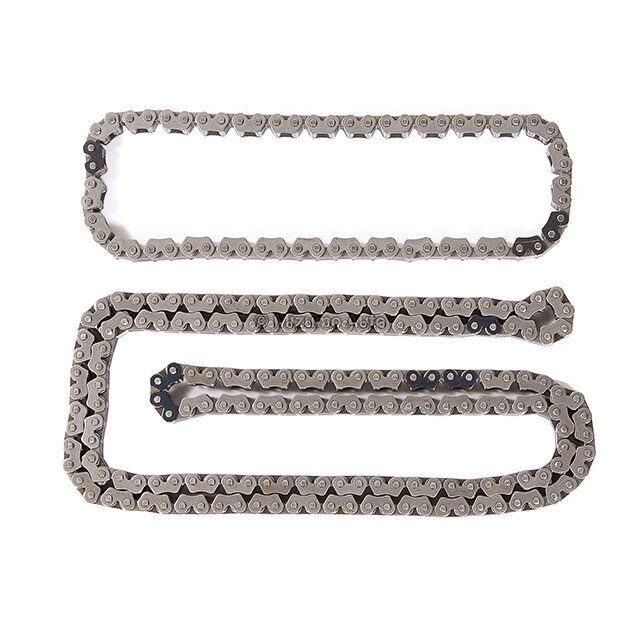
The timing chain is a strong metal chain that connects the engine’s crankshaft to the camshaft(s). Its job is to keep the engine valves opening and closing at the right times, in sync with the pistons. This coordination is essential for the engine to run smoothly and efficiently.
Some engines use a timing belt instead, but timing chains are more durable and usually last longer. However, they are not maintenance-free. Over time, a timing chain can stretch, wear, or even break. When this happens, the engine’s timing is thrown off, leading to poor performance or engine failure.
Timing Chain Vs. Timing Belt
People often confuse timing chains with timing belts. Here’s a quick comparison:
| Feature | Timing Chain | Timing Belt |
|---|---|---|
| Material | Metal | Rubber/Fiber |
| Location | Inside Engine (lubricated) | Outside Engine (dry) |
| Typical Lifespan | 150,000+ miles | 60,000–100,000 miles |
| Maintenance | Rarely replaced | Regular replacement needed |
Most modern cars with timing chains don’t have a scheduled replacement interval, but chains can still fail due to lack of oil changes or manufacturing defects.
What Triggers The Check Engine Light?
The check engine light is part of your car’s onboard diagnostics system (OBD-II). When the system detects a problem that could affect emissions or engine performance, the light turns on.
For a timing chain, several situations can trigger this warning:
- The timing chain has stretched or become loose, causing engine timing errors.
- The timing chain tensioner (which keeps the chain tight) is failing.
- The chain has skipped a tooth, causing incorrect valve timing.
- Engine sensors (like the camshaft position sensor) detect timing is off.
Sometimes, the engine may run with a stretched chain for a while before serious damage. But if the chain jumps or breaks, the engine can stop working instantly and be ruined.
Common Symptoms Of Timing Chain Problems
Timing chain issues rarely appear without other signs. If your check engine light is on, look for these symptoms:
1. Rattling Noise On Startup
A loose or stretched timing chain often makes a rattling or clattering noise, especially when starting the engine cold. This is a key warning sign.
2. Engine Misfire Or Poor Performance
If the chain has jumped, the engine’s timing is off. You may notice rough idling, loss of power, or the engine misfiring.
3. Metal Shavings In Oil
A failing timing chain can shed tiny metal fragments. Mechanics sometimes find these in the oil during an oil change.
4. Check Engine Codes
Diagnostic trouble codes (DTCs) like P0016, P0017, or similar (related to cam/crankshaft correlation) often indicate timing chain problems.
5. Hard Starting Or No Start
If the chain slips badly or breaks, the engine may be difficult to start or not start at all.
6. Illuminated Engine Light Only
Sometimes, the check engine light is the only sign, especially if the timing chain is just starting to stretch.
How Mechanics Diagnose A Timing Chain Problem
A professional will usually:
- Scan for OBD-II codes with a diagnostic tool.
- Listen for abnormal engine noises.
- Check oil for metal particles.
- Inspect timing components (sometimes requires engine disassembly).
Some timing chain wear is hard to spot without opening the engine, so experienced mechanics are important.
Why Ignoring The Check Engine Light Is Risky
Some drivers ignore the check engine light, especially if the car seems to run fine. With a timing chain issue, this is a dangerous gamble. If the chain breaks, valves and pistons can collide, causing catastrophic engine damage. Repairs can cost thousands—or require a full engine replacement. According to the U.S. Environmental Protection Agency, vehicle emissions standards and onboard diagnostic systems are designed to identify problems that can increase pollution.
One non-obvious fact: Even if the chain doesn’t break, a stretched chain can slowly damage other engine parts by causing them to operate out of sync. This leads to more expensive repairs later.
What To Do When The Check Engine Light And Timing Chain Issues Appear
1. Don’t Panic, But Don’t Delay
If you hear rattling and see the check engine light, stop driving soon. Call a mechanic or have the car towed.
2. Check Oil Level And Quality
Low or dirty oil can make timing chain problems worse. If you see metal flakes, don’t drive the car.
3. Get A Diagnostic Scan
Many auto parts stores will scan codes for free. Write down the codes you receive.
4. Find A Trusted Mechanic
Choose someone with experience working on your car’s make and model. Timing chain repairs require skill.
5. Ask For A Clear Estimate
Get a written estimate before agreeing to work. Timing chain jobs can be expensive.
6. Do Not Try To Diy Unless Qualified
Replacing a timing chain is a complex job. Mistakes can destroy the engine.
Repair Costs: Timing Chain And Check Engine Light
Timing chain repairs are not cheap. Here’s a comparison of average timing chain replacement costs in different regions:
| Region | Labor Cost | Parts Cost | Total Estimate |
|---|---|---|---|
| United States | $700–$1,200 | $200–$400 | $900–$1,600 |
| Europe | €800–€1,200 | €250–€500 | €1,050–€1,700 |
| Asia | $400–$900 | $180–$350 | $580–$1,250 |
Some cars, like V6 or V8 engines, have multiple timing chains and higher labor costs. Always confirm with your mechanic.
Factors That Affect Cost
- Engine design (DOHC engines cost more)
- Vehicle make/model (luxury brands are pricier)
- Extra repairs (tensioners, guides, water pump)

Credit: www.hartkia.com
How To Prevent Timing Chain Problems
Prevention is easier and cheaper than repair. Here’s what works:
1. Change Oil Regularly
Clean oil is the single best way to extend timing chain life. Old, dirty oil increases wear.
2. Listen For New Noises
Don’t ignore rattling or ticking sounds. Early action can avoid big repairs.
3. Use Quality Parts And Oil
Cheap oil or aftermarket parts may not protect your engine well. Use products that meet your car’s standards.
4. Avoid Short Trips Only
Short drives don’t let oil warm up and circulate well. Try to drive longer distances sometimes.
5. Follow Manufacturer Service Recommendations
Read your car’s manual for advice on timing chain inspection.
A practical tip: If your car has a known timing chain issue (some models like early 2000s Nissan or GM Ecotec engines), ask your mechanic to inspect it even if your check engine light is not on.
Real-world Examples Of Timing Chain Failures
Case 1: 2011 Chevrolet Equinox
Many owners reported a rattling noise on cold start and check engine codes P0016 or P0017. The cause? A stretched timing chain. GM issued a bulletin, and repairs often cost $1,200–$1,800.
Case 2: 2007 Bmw 3 Series
Some BMW N47 diesel engines had timing chain failures as early as 60,000 miles, sometimes with no warning but a sudden check engine light and a “no start” condition. Repairs were expensive and required engine disassembly.
Case 3: 2013 Ford F-150 Ecoboost
A known issue was timing chain stretch due to poor oil change habits. Owners noticed reduced power and a flashing check engine light. Early repair saved the engine, but some waited too long and needed engine replacement.
These examples show that ignoring warning signs or stretching oil changes can lead to big bills.
Credit: www.ymfcarparts.co.uk
Advanced Insights Most Drivers Miss
Many people believe timing chains last the “life of the engine.” This isn’t always true. Modern engines use thinner chains for better efficiency, but these may wear faster if oil changes are missed.
Another overlooked fact: Some timing chain engines are “interference engines.” Here, a failed chain means pistons hit valves, causing massive damage. Knowing if your car is interference or non-interference can help you decide how quickly to act.
When The Check Engine Light Is Not The Timing Chain
Not every check engine light means a timing chain issue. Here are some common causes:
| Check Engine Cause | Typical Symptom | Timing Chain Related? |
|---|---|---|
| Loose Gas Cap | Light only | No |
| Oxygen Sensor Fault | Poor MPG | No |
| Timing Chain Error | Rattle, Codes, Misfire | Yes |
| Ignition Coil Failure | Misfire | No |
Getting a professional diagnosis is always the best first step.
Credit: www.gemefindustries.com
Frequently Asked Questions
What Are The Most Common Check Engine Codes For Timing Chain Problems?
The most frequent codes are P0016 (Crankshaft/Camshaft Timing Misalignment) and P0017. Other related codes include P0011 (Camshaft Position Timing Over-Advanced) and P0340 (Camshaft Position Sensor Circuit Malfunction).
Can I Drive With A Check Engine Light And Timing Chain Noise?
It’s risky. If you hear rattling or clattering and the check engine light is on, drive only to a repair shop. Continued driving can cause engine failure.
How Long Does It Take To Replace A Timing Chain?
Most timing chain replacements take between 6 to 12 hours of labor, depending on the engine design. Some engines require removing the engine from the car, which takes longer.
How Can I Tell If My Car Has A Timing Chain Or Timing Belt?
Check your owner’s manual or ask your mechanic. You can also search online using your car’s make, model, and year. Generally, newer vehicles use chains, but not always.
Where Can I Learn More About Timing Chains And Engine Repair?
A trusted resource is the Wikipedia Timing Chain page. It covers history, types, and technical details.
If your check engine light is on and you suspect a timing chain issue, quick action is your best protection. Well-timed repairs can save your engine—and your wallet. Stay alert to symptoms, maintain regular service, and don’t ignore warning signs.
Your engine’s future may depend on it.