
A car works best when small problems are handled early. That is the real secret behind long vehicle life and fewer repair bills. Many drivers wait until a warning light appears or a strange sound gets louder. By then, the problem is often more expensive and harder to fix. A smart Car Maintenance Guide helps you stay ahead of trouble instead of chasing it.
You do not need to be a mechanic to care for your car well. Most important tasks are simple, fast, and cheap. Checking fluids, watching tire pressure, listening for changes, and following service intervals can protect the engine, brakes, tires, and battery. These small habits make driving safer and smoother too.
This guide explains the essential steps that matter most. It focuses on what you should check, when to check it, and why it matters. You will also learn common mistakes many drivers make, plus practical tips that can save money and reduce stress.
Start with the basics that protect your car every day
The best car care does not start in the repair shop. It starts with simple daily and weekly habits. These checks take only a few minutes, but they can stop major damage before it begins. If you build these habits now, your car will usually reward you with better performance and fewer surprises.
Check fluid levels before they become a problem
Your car depends on several fluids to stay cool, clean, and moving properly. Engine oil, coolant, brake fluid, transmission fluid, and windshield washer fluid all play important roles. Low fluid levels can lead to overheating, poor braking, gear problems, or engine wear.
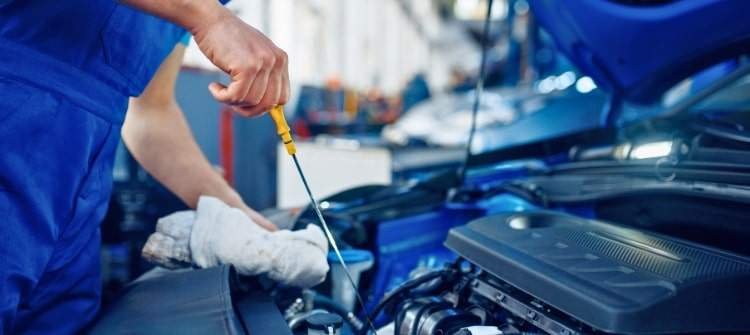
Open the hood and inspect the dipsticks and reservoirs when the engine is cool and the car is parked on level ground. If a level drops too fast, that often means a leak. A leak is not something to ignore, even if the car still drives normally.
Non-obvious insight: Dark fluid is not always bad. Some fluids naturally change color over time. What matters more is smell, texture, and level. Burnt smell, gritty feel, or sudden loss of fluid is a bigger warning sign than color alone.
Keep tire pressure in the correct range
Tires affect fuel use, handling, braking distance, and safety. Underinflated tires wear faster and make the engine work harder. Overinflated tires can reduce grip and make the ride harsher. Both can shorten tire life.
Check tire pressure at least once a month and before long trips. Use the pressure listed on the driver-side door sticker, not the number printed on the tire sidewall. The sidewall number shows the tire’s maximum limit, not the ideal pressure for your car.
Non-obvious insight: Tire pressure changes with temperature. A cold morning can lower pressure enough to trigger a warning light even when the tires are fine. Always measure pressure when the tires are cold for the best reading.
Look at tread and tire wear patterns
Tread gives your tires grip on wet roads. If tread is too low, stopping becomes harder and hydroplaning risk rises. You can use a tread depth gauge or the simple coin test. More important than depth alone is the wear pattern.
If one side of a tire wears faster than the other, alignment may be off. If the center wears faster, the tire may be overinflated. If both edges wear faster, it may be underinflated. Uneven wear is useful information. It often shows a problem long before a tire fails.
Watch for warning lights and strange sounds
Modern cars often tell you when something is wrong. A dashboard warning light is not always an emergency, but it should never be ignored. The same is true for new sounds like squealing, grinding, clicking, knocking, or humming.
If a sound changes with speed, braking, or turning, that detail matters. It can help a mechanic find the issue faster. Write down when the sound happens, how long it lasts, and whether it gets worse in rain, heat, or cold.
Follow a simple maintenance schedule
A good Car Maintenance Guide is not only about fixing problems. It is also about timing. Cars have parts that need service at certain intervals. If you follow those intervals, the car usually runs better and lasts longer.
Use the owner’s manual as your main source
The owner’s manual tells you the right service timing for your exact vehicle. This is more reliable than guessing or copying advice from another car model. Even two vehicles from the same brand can need different service schedules.
Many drivers never open the manual unless something breaks. That is a mistake. The manual often explains oil type, tire pressure, fluid specs, belt timing, and more. If you lost the paper copy, many manufacturers offer the manual online.
For general safety guidance and recalls, you can also check the official U.S. vehicle safety site: National Highway Traffic Safety Administration.
Change the engine oil on time
Engine oil reduces friction and helps carry away heat and dirt. Old oil loses its ability to protect the engine. If you wait too long, parts can wear faster and sludge can form inside the engine.
Oil change timing depends on the car, oil type, driving style, and climate. Some cars can go longer between changes, but short trips, heavy traffic, and hot weather can shorten oil life. Do not rely only on mileage. Time matters too, especially if the car sits unused for long periods.
Non-obvious insight: Frequent short trips are harder on oil than many drivers realize. The engine may not warm up fully, so moisture and fuel residue can stay in the oil longer. That can speed up oil breakdown even when mileage looks low.
Replace air filters before airflow drops too much
There are usually two filters to think about: the engine air filter and the cabin air filter. The engine air filter helps the engine breathe clean air. The cabin filter helps keep dust and pollen out of the car interior.
A clogged engine air filter can reduce engine performance and fuel economy. A dirty cabin filter can weaken the airflow from your vents and make the interior smell stale. These filters are easy to forget because the car may still seem fine at first.
Inspect brakes before they reach a failure point
Brakes rarely fail without warning. More often, they give small signs first. Squealing, longer stopping distance, vibration during braking, or a soft pedal all deserve attention. Brake pads and rotors wear over time, and fluid can absorb moisture.
If the brake pedal feels different, do not wait. Brakes are one part of the car where early action matters a lot. The cost of a simple service is much lower than the cost of damaged rotors, calipers, or worse.
Keep the engine healthy with good habits
The engine is the heart of the vehicle. It usually lasts longer when it is not abused. Many engine problems start with small habits that drivers do every day without noticing. A few smart choices can reduce wear and keep performance steady.
Credit: autocheatsheet.com
Warm up gently, not aggressively
Modern cars do not need long idling sessions before driving. In most cases, a short wait and gentle driving are enough. The best approach is to start the car, let the idle settle, and then drive calmly for the first few minutes.
Avoid hard acceleration right after starting, especially in cold weather. Cold oil moves more slowly and does not protect moving parts as well as warmed oil. Gentle driving gives the engine time to reach a better working temperature.
Use the right fuel and do not ignore fuel system issues
Always use the fuel grade recommended by the manufacturer. Higher octane is not better unless the engine was designed for it. Using the wrong grade may not break the car right away, but it can hurt efficiency or performance.
If you notice rough idling, hesitation, poor starting, or weaker acceleration, the fuel system may need attention. Dirty injectors, old fuel, or a weak fuel pump can all affect performance. These issues often appear slowly, which makes them easy to miss.
Pay attention to the battery and charging system
A dead battery often seems sudden, but it usually gives warning signs first. Slow engine cranking, dim lights, or electrical glitches can point to a weak battery or charging problem. Batteries also age with heat, cold, and time.
Check battery terminals for corrosion. White or blue buildup can block power flow. If you see corrosion, clean it safely or ask a technician to do it. Also make sure the battery is secured tightly. A loose battery can wear out faster from vibration.
Battery care often missed by beginners
If your car sits unused for long periods, the battery can drain even when nothing seems wrong. Modern cars still use a small amount of power while parked. If you travel often or drive very little, a battery maintainer can help in some cases.
Do not overlook tires, alignment, and suspension
Many drivers think tires are only about rubber and pressure. In reality, tires, alignment, and suspension work together. When one part is off, the others often suffer too. This can affect steering feel, comfort, fuel use, and tire life.
Rotate tires to spread wear evenly
Tire rotation helps each tire wear more evenly. Different positions on the car create different wear patterns. Front tires often wear faster because they handle steering and more braking load.
Regular rotation can extend tire life and improve balance. The interval depends on the vehicle and driving style, but many cars benefit from rotation every 5,000 to 8,000 miles. Check the manual for the exact recommendation.
Get alignment checked when the car pulls or steers oddly
If the car drifts to one side, the steering wheel sits off-center, or the tires wear unevenly, alignment may be off. Hitting potholes, curbs, or rough roads can affect alignment over time.
Alignment problems do not always make a loud noise. That is why they are easy to ignore. But the damage is real. Poor alignment can wear tires much faster and make the car feel unstable.
Listen for suspension changes
Suspension parts help control the car’s motion over bumps and turns. Worn shocks or struts can make the car bounce too much, lean more in corners, or feel loose on rough roads. Clunking sounds over bumps can also point to worn parts.
If the car feels less stable than before, do not assume it is only “old age.” Suspension issues can affect braking and steering. That means they are both a comfort issue and a safety issue.
Care for the outside and inside to protect long-term value
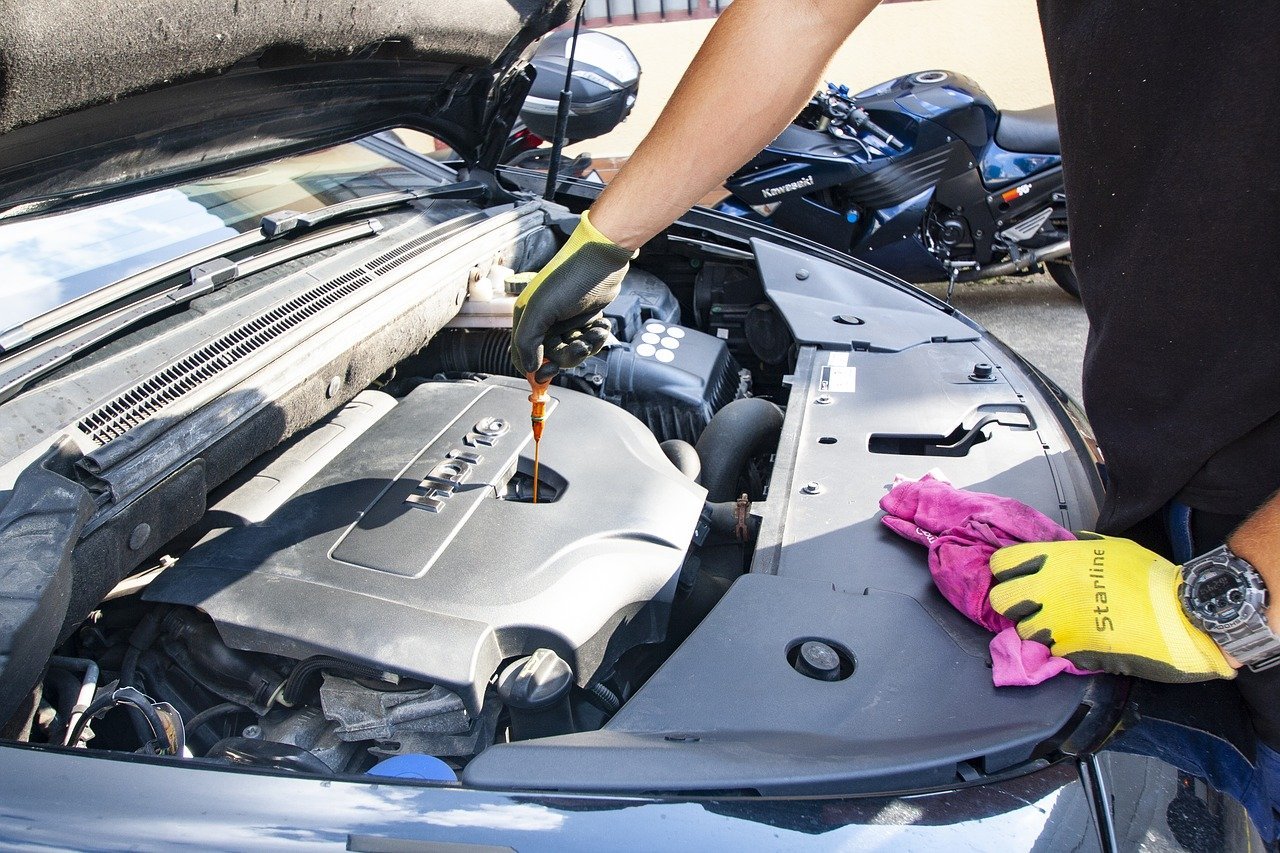
Car maintenance is not only mechanical. Clean surfaces and protected materials also matter. Dirt, salt, moisture, and sun damage can slowly wear down paint, trim, seals, and interior parts. That damage may not stop the car from running, but it can lower value and lead to leaks or rust later.
Credit: jdpower.com
Wash the car regularly, especially after harsh weather
Road salt, mud, bird droppings, and tree sap can harm paint if left too long. A regular wash helps prevent corrosion and keeps the car looking better. After winter driving or coastal driving, washing becomes even more important.
Do not forget the underside of the car. That area often collects salt and grime. If your area uses road salt, an undercarriage wash can be a smart habit.
Protect seals, wipers, and glass
Rubber seals around doors and windows help keep water out and reduce noise. They can dry out and crack over time. Wiper blades also wear out and can leave streaks when they fail.
Replace wipers when they start skipping or smearing. Clean the windshield often so the blades do less work. A clear windshield is not just about comfort. It is part of safe driving in rain and at night.
Keep the interior clean and dry
Dirt and moisture inside the car can damage carpets, smell bad, and even cause mold. Vacuum the interior, clean spills early, and dry wet floor mats quickly. If water keeps showing up inside the car, check for clogged drains, bad seals, or a leaking sunroof.
Non-obvious insight: A musty smell is often more than a cleaning issue. It can be an early sign of trapped moisture, which may later lead to electrical problems, rust, or mold in hidden places.
Use a maintenance log to stay organized
One of the easiest ways to keep a car healthy is to track what you do. People often remember the last oil change, but not the last brake service, battery check, or tire rotation. A simple log solves that problem.
You can use a notebook, phone app, or spreadsheet. Write down date, mileage, service type, and any notes. This helps you avoid duplicate work and makes resale easier because buyers trust a well-documented car.
What to record every time
- Oil and filter changes
- Tire rotations, pressure checks, and replacements
- Brake work
- Battery replacement or testing
- Fluid top-ups and flushes
- Repairs and warning lights
- Any unusual sounds, smells, or leaks
Recording small issues is useful because patterns matter. One odd sound may not seem important. Three similar notes over two months can point to a bigger problem.
Common mistakes that shorten car life
Good maintenance is not only about what you do. It is also about what you avoid. Some habits seem harmless but slowly damage the car over time. Knowing these mistakes can save money and stress.
- Skipping small warning signs — A small leak, light vibration, or faint squeal can become a big repair later.
- Using the wrong fluid — Different cars need specific oil, coolant, and transmission fluid. Wrong fluid can cause damage.
- Ignoring short-trip driving effects — Short drives can be harder on oil, battery, and exhaust systems than many drivers expect.
- Letting tire pressure drift — Even a small pressure loss changes wear, fuel use, and braking.
- Waiting too long for brake service — Worn pads can damage rotors and raise repair costs fast.
One more mistake is assuming a car is “fine” because it still starts and moves. Cars often keep working for a long time while hidden wear builds up. The goal of maintenance is not to wait for failure. The goal is to stop failure before it starts.
Build a simple routine that is easy to keep
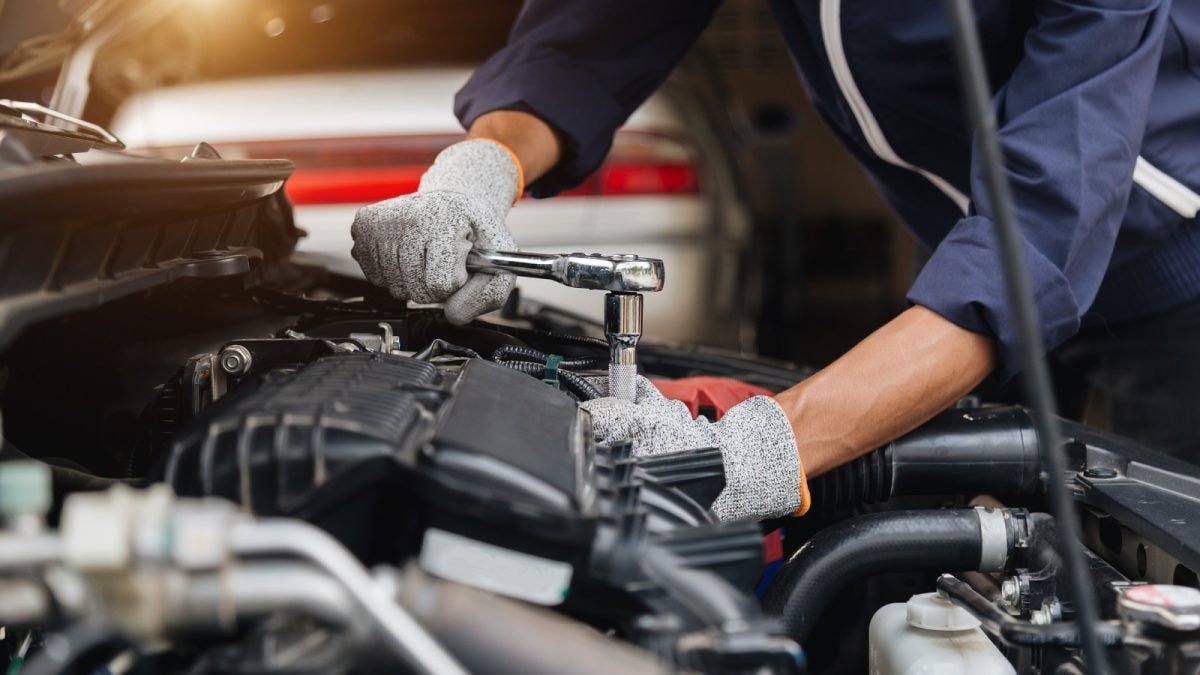
The best maintenance plan is the one you actually follow. You do not need a complicated system. A steady routine is enough for most drivers and is much better than random checkups.
Credit: kbb.com
Every week
Look at tire condition, check for warning lights, and notice any new sounds or smells. If you drive in extreme heat, cold, or heavy traffic, these checks matter even more.
Every month
Check tire pressure, fluid levels, lights, wiper blades, and battery terminals. This is also a good time to clean the car and inspect for leaks underneath.
Every few months
Review service records, rotate tires if needed, and check the cabin air filter. If the car is driven less often, inspect the battery and look for signs of flat spots on tires.
At each service visit
Ask what was checked, what looks worn, and what may need attention soon. Do not leave without understanding the next recommended service point. That habit helps you plan expenses instead of reacting to surprise repairs.
When to call a professional
Some maintenance tasks are easy for most owners. Others are better left to trained technicians. You do not need to fix everything yourself to be a responsible car owner. In fact, knowing when to ask for help is part of good maintenance.
Call a professional if you smell burning, see fluid under the car, get repeated warning lights, hear grinding from the brakes, or notice the car pulling badly to one side. Also seek help if a problem keeps coming back after you try to solve it.
Modern cars use complex electronics, sensors, and software. Guessing can waste money. A proper diagnosis often saves more than it costs because it finds the real cause early.
Keep your car running smoothly for years
A reliable car is usually not the result of luck. It is the result of small, steady habits. Check fluids. Keep tires healthy. Follow service intervals. Watch for changes in sound, smell, and feel. These actions may seem simple, but they make a big difference over time.
The best Car Maintenance Guide is one you use regularly, not just once. If you stay consistent, your car is more likely to start easily, drive smoothly, and cost less to own. That is a smart way to protect both your safety and your budget.
FAQs
1. How often should I follow a car maintenance schedule?
You should check basic items every week or month, and follow the service schedule in your owner’s manual for oil changes, tire rotation, filters, and major services. The exact timing depends on your car and how you drive.
2. What is the most important part of a Car Maintenance Guide?
The most important part is consistency. Regular fluid checks, tire care, oil changes, and brake inspections prevent many expensive problems before they start.
3. Can I do car maintenance myself?
Yes, many simple tasks can be done at home, such as checking tire pressure, topping up washer fluid, and looking at fluid levels. But brake work, major repairs, and complex diagnostics are often better handled by a professional.
4. Why does my car need maintenance if it still drives fine?
Cars can keep driving even when parts are wearing out. Maintenance helps catch hidden problems early, before they turn into breakdowns, safety issues, or expensive repairs.
5. What is one car maintenance habit many drivers forget?
Many drivers forget to check tire pressure regularly. This small habit affects fuel use, tire life, handling, and safety more than most people realize.