
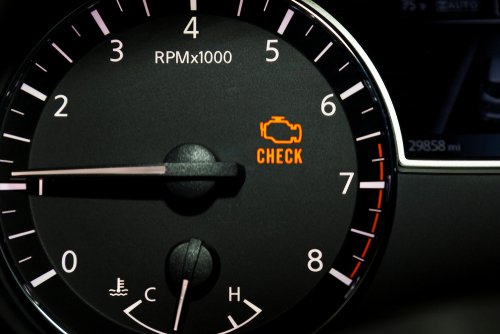
When your car’s check engine light turns on, you might feel worried or even stressed. This small warning can point to many different problems. But one common reason is a problem with the mass airflow sensor. This sensor is important for your car’s engine, and understanding how it works can save you money and trouble. In this article, you’ll learn what the mass airflow sensor does, why it can trigger the check engine light, and how you can handle these issues like a pro—even if you are not a car expert.
What Is A Mass Airflow Sensor?
The mass airflow sensor (MAF sensor) is a small device inside your car’s engine air intake system. Its main job is to measure the amount of air entering the engine. The car’s computer, called the Engine Control Unit (ECU), uses this data to decide how much fuel to inject. Getting the air-fuel mix right is key for good engine performance, fuel efficiency, and clean emissions.
There are different types of mass airflow sensors, but the most common are:
- Hot wire sensors (most modern cars)
- Vane meter sensors (older models)
The hot wire sensor uses a thin wire heated by electricity. As air passes over the wire, it cools down. The sensor measures how much current is needed to keep the wire hot. More air means more cooling and more electricity needed, so the sensor can calculate the airflow.
Why The Mass Airflow Sensor Is So Important
Your engine needs the right mix of air and fuel to run smoothly. Too much fuel (rich mix) wastes gas and creates pollution. Too little fuel (lean mix) can cause engine knocking or damage. The mass airflow sensor helps the ECU keep this balance, making sure your engine is healthy and efficient.
When the sensor sends wrong information, the engine can run poorly. This is why a faulty mass airflow sensor is a common cause for the check engine light.
Check Engine Light: What Does It Mean?
When you see the check engine light, your car’s ECU is telling you something is wrong. It’s a warning to check the engine or related systems. The light can mean many things—some serious, some simple.
If the problem is with the mass airflow sensor, the ECU may have detected:
- Airflow readings outside the normal range
- No signal from the sensor
- A signal that doesn’t match other sensors (like the oxygen sensor)
The car’s computer stores a trouble code. Mechanics can read this code to find the problem.
Common Symptoms Of A Bad Mass Airflow Sensor
A faulty MAF sensor doesn’t just turn on the check engine light. It also causes other problems that you might notice while driving:
- Rough Idle: The engine shakes or vibrates when stopped.
- Poor Acceleration: The car feels slow or unresponsive when you press the gas.
- Engine Stalls: The engine may stop running, especially at low speeds or idle.
- Bad Fuel Economy: You notice you’re filling the tank more often.
- Black Exhaust Smoke: Too much fuel in the mix causes dark smoke from the tailpipe.
- Hard Starting: The engine takes longer to start or needs several tries.
These symptoms alone don’t guarantee it’s the MAF sensor, but combined with the check engine light, they are strong clues.
How Mechanics Diagnose A Mass Airflow Sensor Problem
Finding out if the mass airflow sensor is the reason for the check engine light is a step-by-step process. Here’s how mechanics usually do it:
1. Scan For Trouble Codes
They use a tool called an OBD-II scanner to read codes from the ECU. Codes like P0101, P0102, or P0103 often point to MAF sensor issues.
2. Visual Inspection
The mechanic checks for loose wires, dirty connectors, or air leaks in the intake system.
3. Live Data Testing
They watch real-time airflow readings. If numbers are too high, too low, or jumpy, the sensor may be bad.
4. Testing With A Multimeter
For older cars, mechanics check voltage or resistance to see if the sensor is working.
5. Swap Test
Some try a known-good sensor to see if the problem goes away.
Here’s a quick look at common OBD-II codes linked to MAF sensors:
| Code | Meaning | Typical Fix |
|---|---|---|
| P0100 | MAF Circuit Malfunction | Check wiring and connections |
| P0101 | MAF Range/Performance Problem | Clean or replace sensor |
| P0102 | MAF Circuit Low Input | Check for air leaks |
| P0103 | MAF Circuit High Input | Inspect sensor or wiring |
Causes Of Mass Airflow Sensor Failure
The mass airflow sensor is a sensitive part. Here are the main reasons it can fail:
- Dirt and Debris: Dust, pollen, or oil can coat the sensor wire, making readings wrong.
- Air Leaks: Cracks or loose hoses after the sensor let in extra air, confusing the readings.
- Electrical Problems: Broken wires, corroded connectors, or bad grounds can stop the sensor signal.
- Old Age: Like any part, MAF sensors wear out over time.
- Using Oiled Air Filters: Some aftermarket air filters use oil, which can coat and damage the sensor.
It’s important to know that a dirty or damaged sensor doesn’t always mean it’s broken. Sometimes, cleaning can fix the problem.
Credit: q20.co.za
How To Fix A Mass Airflow Sensor Issue
If you suspect the MAF sensor is causing the check engine light, here are the steps you (or a mechanic) can take:
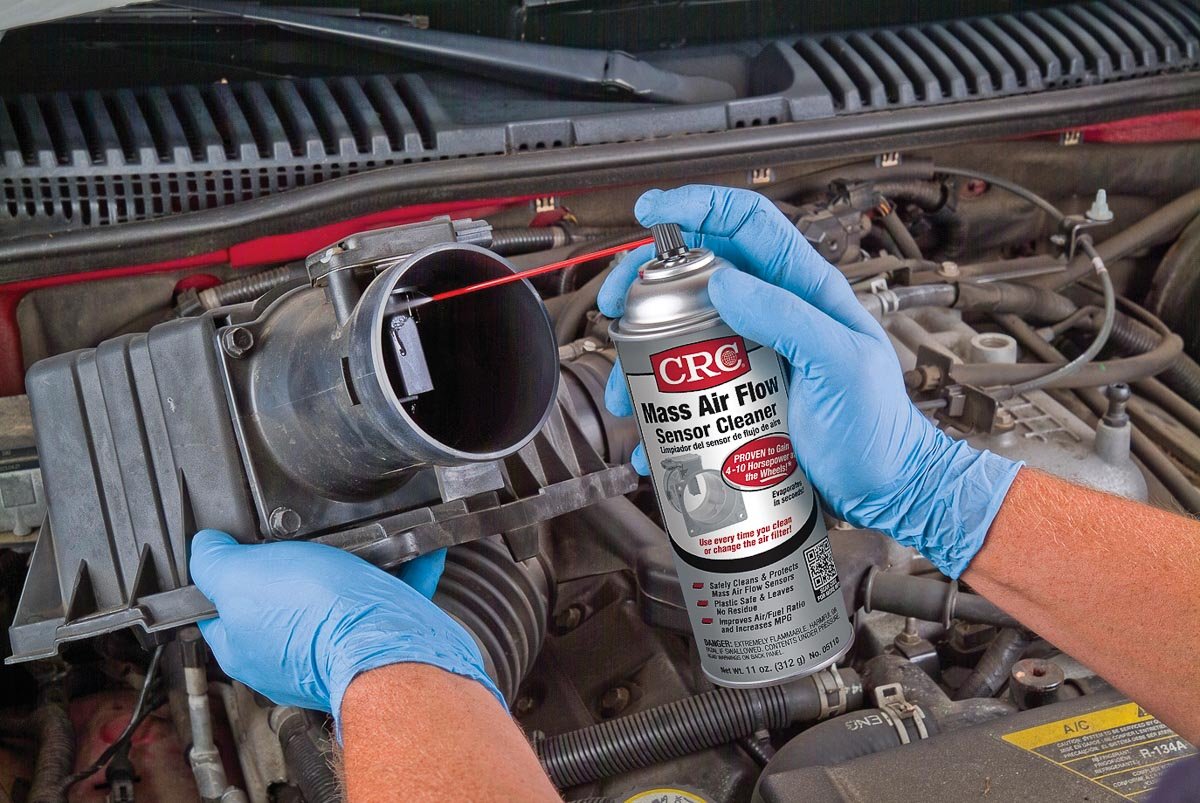
1. Clean The Sensor
Often, the sensor is just dirty. You can buy mass airflow sensor cleaner from an auto parts store. Do not use regular cleaners or compressed air, as these can damage the sensor.
Steps:
- Disconnect the battery.
- Remove the sensor from the air intake.
- Spray the sensor with the special cleaner.
- Let it dry completely.
- Reinstall and reconnect the battery.
2. Check For Air Leaks
Look for cracks or loose clamps in the air intake system, especially between the air filter and the throttle body. Fix any leaks before replacing the sensor.
3. Replace The Sensor
If cleaning doesn’t help and the code returns, the sensor may need to be replaced. New sensors range from $50 to $250, depending on the car.
4. Reset The Check Engine Light
After fixing the problem, the code may clear itself, but you can speed up the process by using an OBD-II scanner to reset the ECU.
Here’s a comparison of the cost and time for cleaning vs. replacing the MAF sensor:
| Action | Estimated Cost | Skill Level | Time Needed |
|---|---|---|---|
| Clean Sensor | $10-$20 | Easy | 20-30 min |
| Replace Sensor | $50-$250 | Medium | 30-60 min |
| Check for Air Leaks | Free | Easy | 15-30 min |
How To Prevent Mass Airflow Sensor Problems
It’s easier to prevent problems than to fix them. Here’s how you can help your MAF sensor last longer:
- Change the air filter regularly (follow your car’s schedule).
- Avoid oiled air filters unless your car needs them.
- Make sure all intake hoses are tight and free of cracks.
- Don’t let leaves, dust, or dirt build up around the air intake.
- If you drive in dusty places, check the air filter more often.
A well-maintained sensor helps your engine run better and keeps the check engine light off.
Credit: q20.co.za
Non-obvious Insights Most Drivers Miss
Many car owners think a check engine light always means a big, expensive problem. But cleaning the mass airflow sensor is often a quick, low-cost fix. Another thing most people miss: if you recently changed the air filter and did not fit it properly, this can cause air leaks and trigger the same warning light. According to the U.S. Environmental Protection Agency, vehicle emissions standards and onboard diagnostic systems are designed to identify problems that can increase pollution.
Also, a bad battery or weak charging system can sometimes cause strange sensor codes, including for the MAF sensor. If you keep getting the same code after cleaning or replacing the sensor, check your car’s battery and alternator health.
Diy Or Mechanic: Which Is Better?
If you have some basic tools and patience, cleaning or even replacing a MAF sensor is possible at home. Many online videos show the steps for popular car models. However, if you are not sure or if the problem returns after cleaning, a visit to a trusted mechanic is a wise choice.
Here’s a quick comparison between DIY and professional repair:
| Option | Pros | Cons |
|---|---|---|
| DIY | Save money, learn new skills, quick fix for simple issues | Risk of damaging sensor, may misdiagnose the problem |
| Mechanic | Expert diagnosis, warranty on parts/labor, safer for complex issues | Higher cost, may take more time |
Credit: www.youtube.com
When To Worry: Mass Airflow Sensor Vs. Other Engine Problems
Not every check engine light points to the MAF sensor. Other engine sensors—like the oxygen sensor, throttle position sensor, or even the catalytic converter—can also trigger the warning.
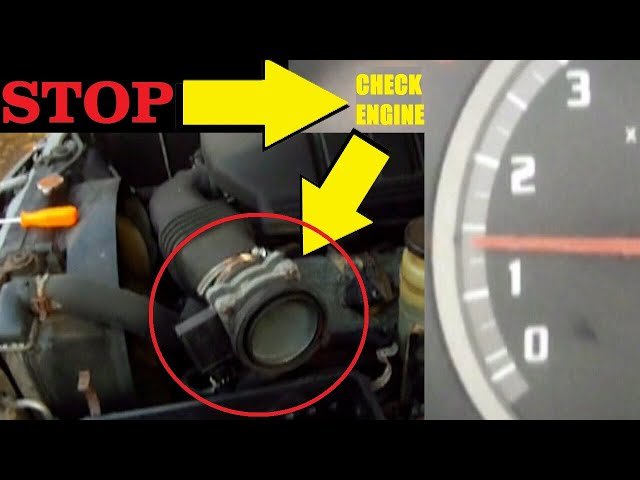
If the check engine light is flashing, stop driving. This usually means a serious problem that can damage the engine or catalytic converter. Get help right away.
If the light is steady, it’s usually safe to drive home or to a shop, but don’t ignore it for weeks. Small problems can grow bigger over time.
Real-world Example
Imagine you notice your car stalling at stoplights and using more fuel. The check engine light comes on. At the shop, the mechanic finds code P0101. He removes the sensor and sees it’s covered in dust. After a careful cleaning, your car runs smoothly again and the warning light goes off.
You just saved yourself the cost of a new sensor and a big repair bill.
Where To Learn More
If you want to dive deeper into how car sensors work, check out this Wikipedia article on mass airflow sensors for technical details and history.
Frequently Asked Questions
What Happens If I Ignore The Check Engine Light For A Mass Airflow Sensor?
Ignoring the check engine light can cause poor engine performance, worse fuel economy, and even engine damage over time. The engine may run too rich or too lean, leading to bigger repair bills.
Can I Drive With A Bad Mass Airflow Sensor?
You can sometimes drive short distances, but it’s risky. The car may run roughly or stall. Fix the problem as soon as possible to avoid further damage.
How Often Should I Clean Or Replace My Mass Airflow Sensor?
There’s no set schedule. Clean the sensor if you notice symptoms or when changing the air filter. Replace it only if cleaning does not solve the problem.
Will A Bad Mass Airflow Sensor Always Turn On The Check Engine Light?
Usually, yes. But sometimes the sensor may give wrong readings without triggering the light. Watch for symptoms like rough idle or bad fuel economy.
Is A Mass Airflow Sensor Expensive To Fix?
Cleaning is cheap (often under $20). Replacing the sensor can cost $50–$250 for parts, plus labor if you use a mechanic.
If you pay attention to the check engine light and understand how the mass airflow sensor works, you’ll be ready to handle problems quickly and save money. Regular care and quick action can keep your car running smoothly for years.