
Every driver wants a safe and smooth ride. But sometimes, small car parts can make a big difference—especially when it comes to steering. One of these parts is the tie rod end. Even though it is small, it plays a huge role in keeping your car stable and easy to control. If the tie rod end starts to fail, your car could become dangerous to drive. Knowing the signs of a bad tie rod end will help you avoid serious problems, save money, and keep you and your passengers safe.
This article explains tie rod end replacement signs in detail. You’ll learn what symptoms to watch for, how they affect your car, and why quick action matters. Whether you’re a new car owner or have years of driving experience, understanding these warning signs can help you make better decisions about repairs and safety.
What Is A Tie Rod End?
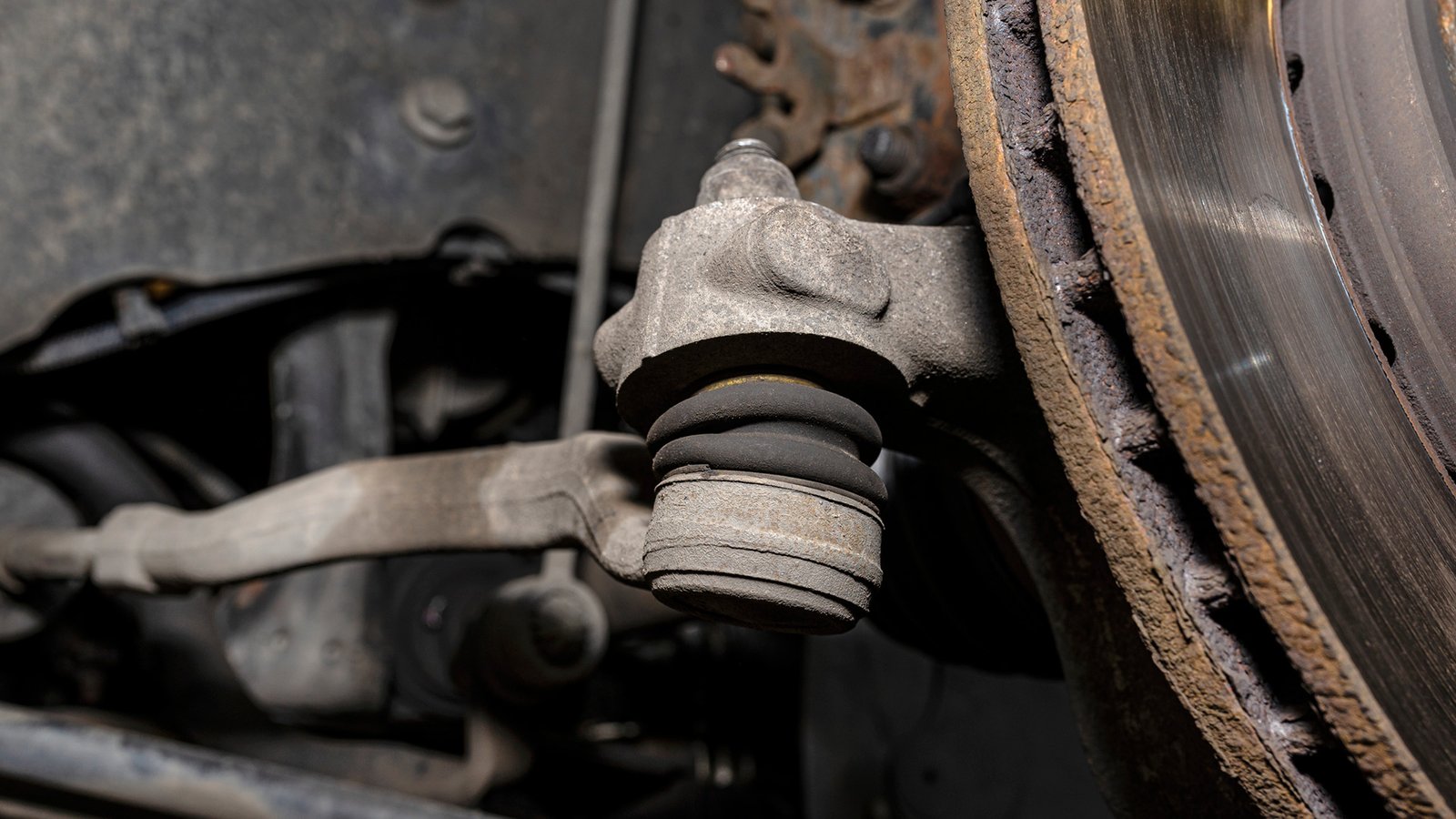
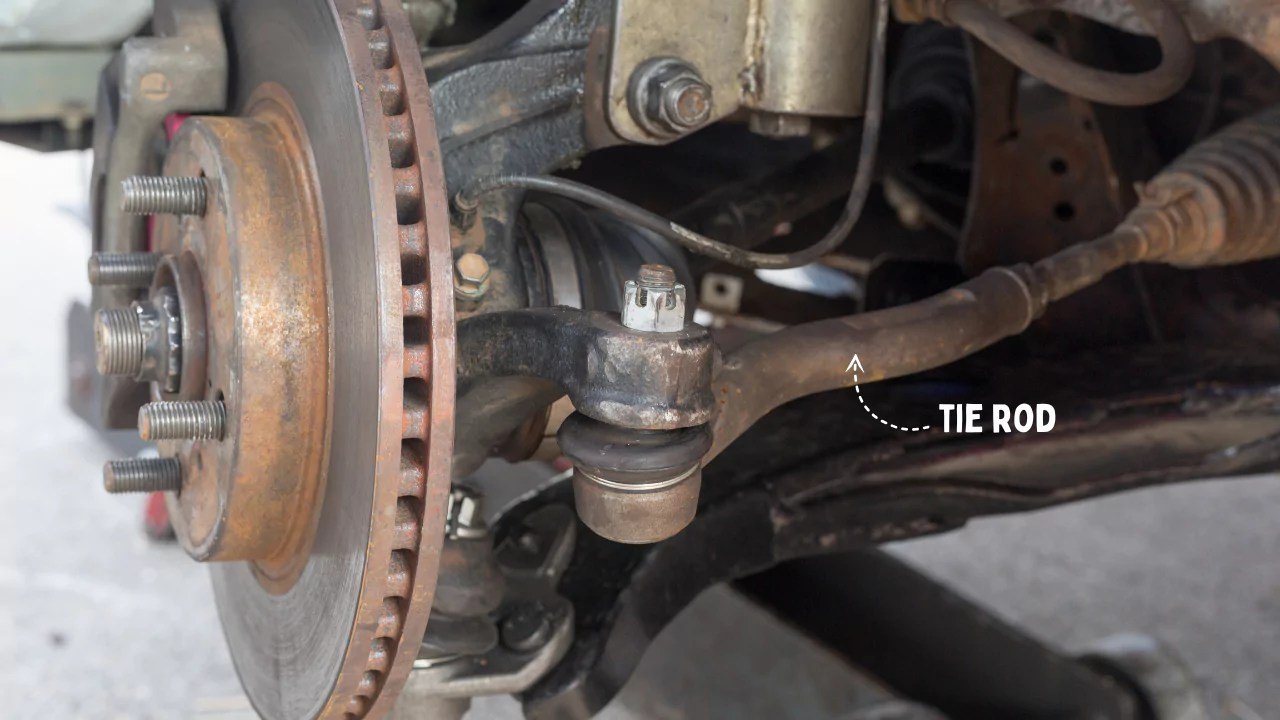
Before we look at the warning signs, it helps to know what the tie rod end is and what it does. The tie rod end connects your car’s steering rack to the steering knuckle on each front wheel. When you turn the steering wheel, the tie rod ends move the wheels left or right. They help keep your car going straight and make turning possible.
Tie rod ends have a ball-and-socket joint. This lets the wheels move up and down and side to side, which is important for steering and suspension. Over time, this joint can wear out because of road bumps, dirt, water, and normal use.
Why Tie Rod Ends Matter For Safety
A weak or broken tie rod end is more than just a small problem. If it fails, you could lose control of your car. This is why car experts say you should never ignore the warning signs. Early detection and replacement can prevent accidents and expensive damage to your car’s steering and suspension system.
Credit: www.thedrive.com
Main Signs Your Tie Rod End Needs Replacement
Spotting a bad tie rod end is not always easy, but there are clear symptoms you can look for. Let’s go through each one and see what it means for your car.
1. Loose Or Unresponsive Steering
If your steering wheel feels loose, vague, or has extra play before the wheels start turning, this is often a sign of a worn tie rod end. You might notice that the steering does not respond as quickly as before, especially on bumpy roads or when making small corrections. A good steering wheel should feel direct and connected to the wheels. If it feels disconnected, have your tie rod ends checked right away.
2. Uneven Or Rapid Tire Wear
Your tires should wear down evenly. If you notice one side of your front tires wearing out faster, or “feathering” (where tire tread feels rough in one direction), this can mean your tie rod end is bad. A failing tie rod end causes your wheels to become misaligned, which puts extra stress on parts of the tire. Ignoring this problem will not only damage your tires but can also affect other suspension parts.
3. Clunking Or Knocking Noises
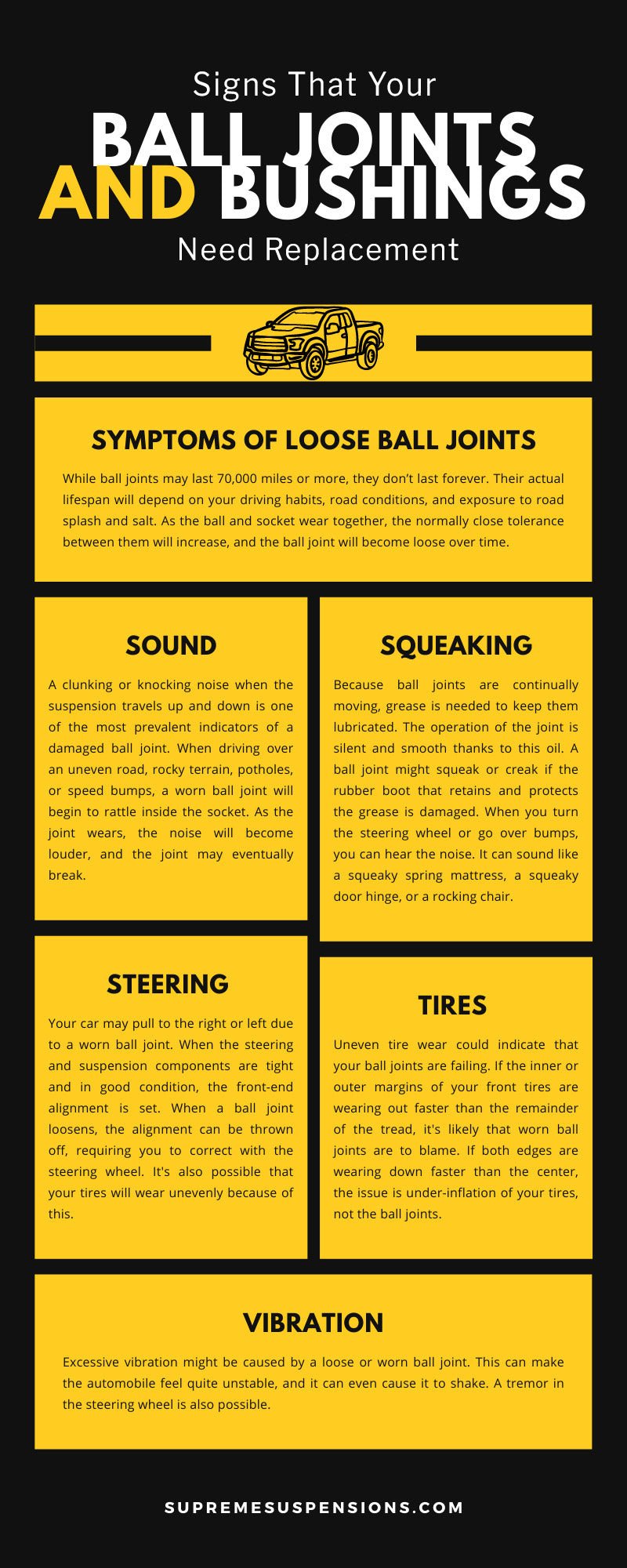
A common warning sign is a clunking, knocking, or rattling noise from the front of the car, especially when turning or going over bumps. This noise happens because the loose tie rod end moves inside its joint, hitting other suspension parts. The sound often gets worse over time. If you hear this kind of noise, it’s a clear sign that you should have your suspension checked by a mechanic.
4. Vibration In The Steering Wheel
If your steering wheel shakes or vibrates when driving, especially at higher speeds, a worn tie rod end could be the cause. This happens because the loose joint lets the wheels wobble slightly. The vibration can feel worse when you speed up, slow down, or turn. While other problems can cause steering wheel vibration, a failing tie rod end is one of the most common reasons.
5. Steering Wheel Not Returning To Center
After making a turn, your steering wheel should naturally return to the center position. If it doesn’t, or if you have to help it come back, this can mean the tie rod end is binding or worn out. This makes steering harder and can be dangerous if you need to react quickly.
6. Car Pulls To One Side
If your car starts to pull to the left or right when driving straight, this is often a sign of a bad tie rod end. The loose joint makes it hard to keep your wheels aligned, so the car drifts. You may notice this especially after hitting a pothole or driving on rough roads.
7. Squeaking When Turning
A high-pitched squeak or squeal when you turn the steering wheel can mean the tie rod end is dry or has lost its grease. The ball-and-socket joint needs proper lubrication to work smoothly. If it dries out, you will hear noise and feel extra resistance in the steering.
8. Visible Damage Or Torn Boot
Sometimes you can see the damage. Look at the tie rod end on your car (you may need to jack up the car and remove the wheel). If the rubber boot is torn or missing, dirt and water can get inside and cause the joint to wear out faster. Grease may also leak out, making the joint dry and noisy.
9. Poor Wheel Alignment
A bad tie rod end often causes your car’s wheel alignment to go out of spec. If your steering wheel is off-center when driving straight, or if your car drifts even after a recent alignment, the tie rod end may be worn. Mechanics often find this problem during a wheel alignment check. According to AAA’s Approved Auto Repair program, shops that employ ASE-certified or factory-trained technicians must meet strict standards for training, equipment, and customer service.
10. Steering Feels Stiff Or Jerky
If turning the steering wheel feels hard, stiff, or jerky, especially in cold weather or after the car has been sitting, this can be a sign of a dry or damaged tie rod end. The joint may be binding, which makes smooth steering difficult.
How To Check Tie Rod Ends Yourself
While some signs are easy to spot, others need a closer look. Here’s how you can do a simple check at home:
- Park your car on a flat surface and set the parking brake.
- Safely lift the front of your car using a jack and secure with jack stands.
- Grab the front tire with both hands at the 3 and 9 o’clock position.
- Try to move the tire in and out (side to side).
If you feel looseness or free play, the tie rod end may be worn. You can also look for a torn or missing rubber boot and grease leaks.
But remember: These checks can help, but a mechanic should always confirm the diagnosis. Some play in the wheel can also come from other parts like the ball joint or wheel bearing.
Tie Rod End Vs. Other Steering Problems
Many steering and suspension parts can fail, leading to similar symptoms. Here’s a quick comparison to help you tell if the tie rod end is the likely cause:
| Symptom | Possible Cause | How to Check |
|---|---|---|
| Loose steering | Tie rod end, steering rack | Check tie rod play, inspect steering rack bushings |
| Clunking noise | Tie rod end, ball joint | Listen when turning, feel for looseness in wheel |
| Tire wear | Tie rod end, alignment issue | Check tire tread, alignment report |
| Vibration | Tie rod end, wheel bearing | Test at different speeds, check wheel play |
A key insight: Tie rod end issues often show up together with steering looseness, uneven tire wear, and noise when turning. Ball joints and wheel bearings can also cause noise and vibration, but they affect up and down movement more than side-to-side.
What Happens If You Ignore Tie Rod End Problems?
Ignoring a bad tie rod end can lead to serious problems:
- Loss of steering control: If the tie rod end breaks, you could lose the ability to steer the car.
- Severe tire damage: Misalignment causes the tires to wear out much faster, sometimes in just a few weeks.
- Extra repair costs: A failed tie rod can damage the steering rack and suspension, leading to expensive repairs.
A real-world example: Some drivers have reported losing control on the highway when a tie rod end broke suddenly. This is rare but shows why early detection is so important.
Credit: www.meireles.com.es
How Mechanics Diagnose Tie Rod End Issues
Professional mechanics use several methods to check for a bad tie rod end:
- Physical inspection: They look for play in the joint and check the boot for damage.
- Steering test: They check for looseness or binding while turning the steering wheel.
- Wheel alignment check: If the alignment is off, they look for worn steering parts.
- Noise check: They listen for clunks or squeaks when turning or driving over bumps.
Mechanics often use special tools to check tie rod end play more accurately than you can at home. If there’s any doubt, a trained professional should always do the final diagnosis.
Tie Rod End Replacement: What To Expect
If your tie rod end is bad, replace it as soon as possible. Here’s what usually happens:
- Parts cost: A typical tie rod end costs $20–$70, depending on your car model.
- Labor cost: Mechanics usually charge 1–2 hours of labor, which can be $50–$150.
- Alignment: After replacement, a wheel alignment is always needed to make sure your car drives straight.
Here’s a simple cost comparison for popular car models:
| Car Model | Parts Cost (USD) | Labor Cost (USD) | Alignment Cost (USD) |
|---|---|---|---|
| Toyota Corolla | 30–50 | 60–100 | 80–120 |
| Honda Civic | 25–45 | 60–110 | 80–120 |
| Ford F-150 | 40–70 | 80–150 | 80–140 |
A common mistake is to replace only the worn tie rod end and skip the wheel alignment. This leads to poor handling and quick tire wear. Always budget for alignment after any steering repair.
Credit: www.supremesuspensions.com
Preventing Tie Rod End Failure
While you can’t stop all wear and tear, you can help your tie rod ends last longer:
- Avoid potholes and rough roads when possible.
- Check your alignment regularly, especially after hitting a curb or pothole.
- Inspect the tie rod boots during oil changes—look for cracks or grease leaks.
- Replace both sides if one fails—if one tie rod end is worn, the other is often not far behind.
- Use quality parts—cheap tie rod ends may fail sooner and put safety at risk.
Many people forget to check tie rod ends during routine service. Ask your mechanic to check them every 12,000–15,000 miles or once a year.
How Tie Rod End Problems Affect Other Parts
A failing tie rod end doesn’t just affect steering. It can cause problems in other systems, such as:
- Suspension wear: Bad tie rod ends put extra stress on ball joints, control arms, and bushings.
- ABS and traction control: Misaligned wheels can trigger warning lights and affect braking performance.
- Fuel economy: Poor alignment increases rolling resistance, which can lower your MPG.
This is why it’s smart to fix tie rod end issues early. You avoid a chain reaction of other expensive problems.
Non-obvious Signs And Insights
Some symptoms are easy to overlook:
- Steering feels different after a road trip: Long drives on bad roads can speed up tie rod end wear.
- Noise only when cold or wet: Some tie rod ends make noise only when the weather changes, making it harder to notice.
- Car wanders more in wind: If your car is harder to keep straight in crosswinds, weak tie rod ends may be to blame.
Many drivers ignore these subtle changes, but they can be early warnings of bigger problems.
When To See A Mechanic
Don’t take chances with your steering. If you notice any of the signs above—even if the problem seems small—schedule a checkup soon. Early action is always cheaper and safer than waiting for a major failure. Mechanics can often spot tie rod end issues during routine service, so don’t skip your regular maintenance visits.
Frequently Asked Questions
What Does A Bad Tie Rod End Sound Like?
A bad tie rod end often makes a clunking or knocking noise from the front of the car, especially when turning or driving over bumps. You might also hear a squeaking sound if the joint is dry.
Can I Drive With A Bad Tie Rod End?
It is risky to drive with a bad tie rod end. If it fails completely, you could lose control of your car. It’s best to replace it as soon as possible.
Do I Need A Wheel Alignment After Replacing The Tie Rod End?
Yes, a wheel alignment is always needed after tie rod end replacement. This ensures your car drives straight and avoids rapid tire wear.
How Long Do Tie Rod Ends Last?
Most tie rod ends last between 50,000 and 100,000 miles, but this depends on road conditions and driving habits. Regular checks during maintenance help catch problems early.
Where Can I Learn More About Steering Systems?
You can read more about steering systems on this Wikipedia page about tie rods.
A healthy steering system is key to a safe and enjoyable drive. By understanding the signs of tie rod end problems and acting early, you help keep your car in top shape and protect everyone on the road.
