
Is The Check Engine Light An Automatic Inspection Failure?
You’re ready for your annual vehicle inspection. Suddenly, the check engine light flickers on. Your heart sinks. Will this dash warning mean instant failure? Many drivers ask this question every year. The answer isn’t always simple. Let’s explore how the check engine light affects inspections, why it turns on, and what you can do to avoid problems.
What Is The Check Engine Light?
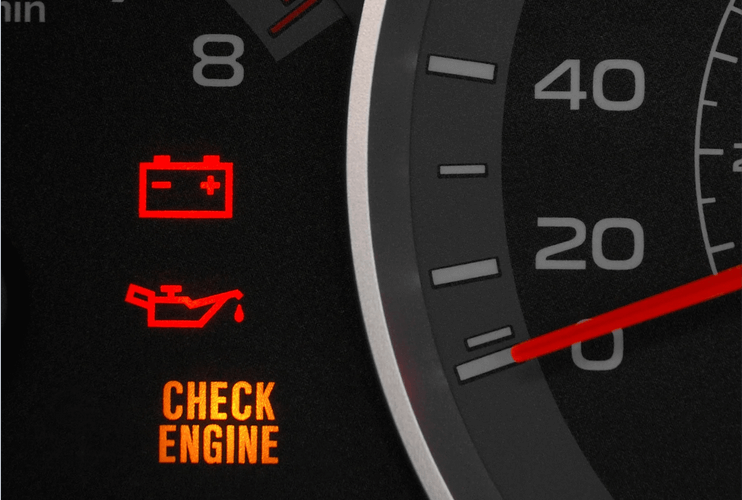
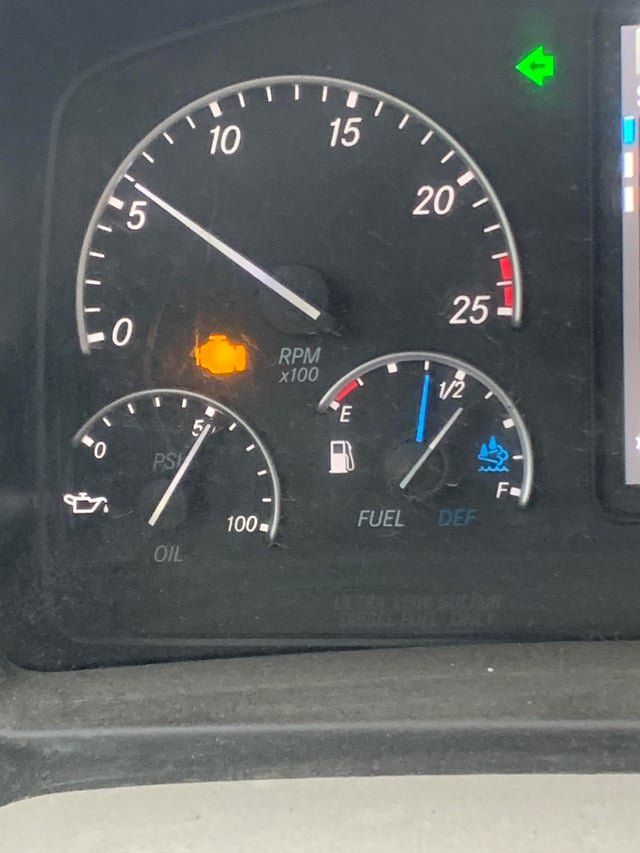
The check engine light is part of your car’s onboard diagnostics system. You may see it as a yellow or orange symbol, usually shaped like an engine, on the dashboard. When it lights up, your car’s computer is telling you something is wrong with the emissions or engine system.
The light can mean many things, from a loose gas cap to a failing sensor. Some issues are minor, while others are serious. The car’s onboard computer stores a trouble code that helps mechanics find the problem.
Why Do Vehicle Inspections Care About The Check Engine Light?
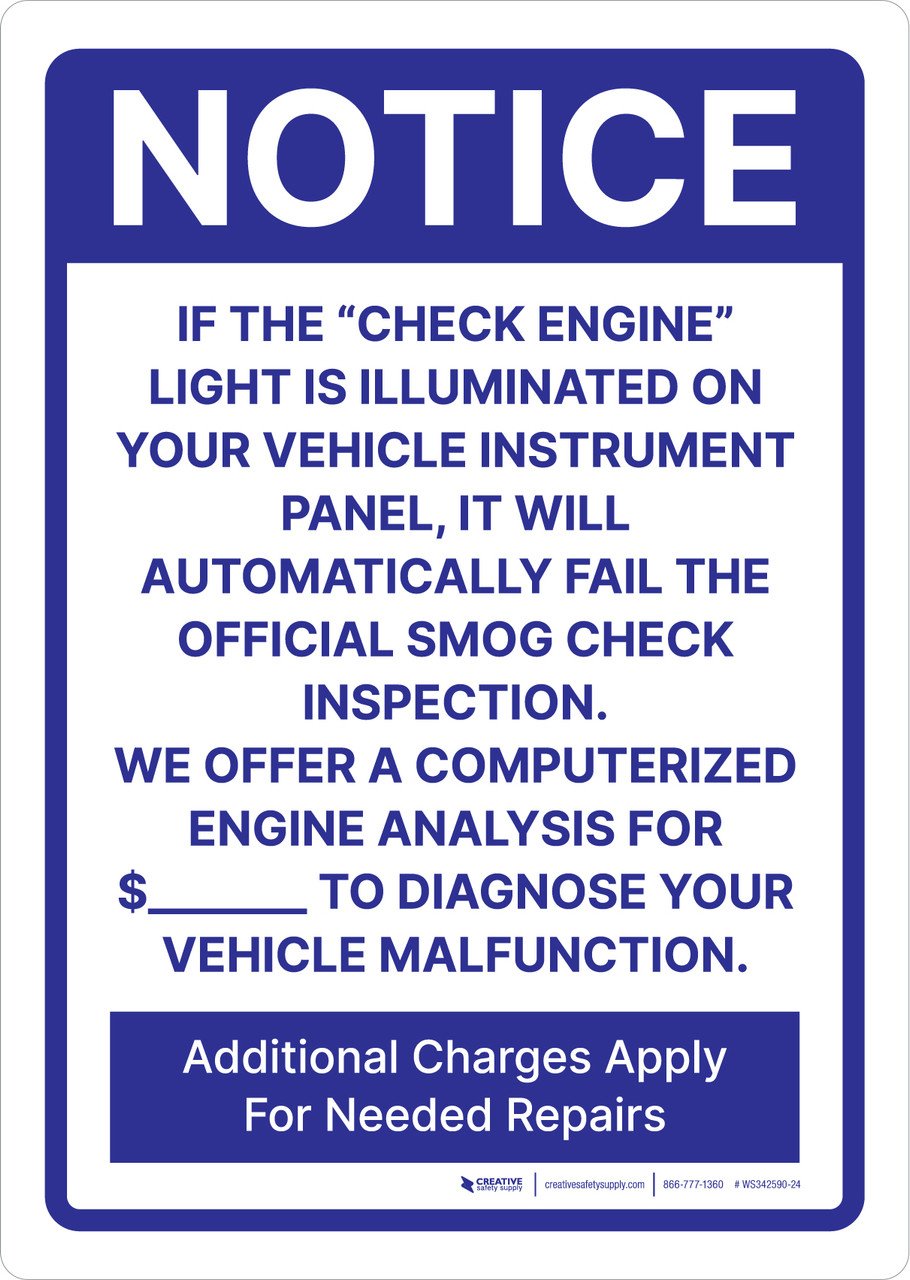
Most vehicle inspections check your car’s emissions system to control air pollution. If your check engine light is on, it usually means your car isn’t running as clean as it should. States with strict emissions standards—like California, New York, or Texas—use the car’s computer to see if everything is working. If the light is on, your car will almost always fail the inspection.
How Inspections Check For The Check Engine Light
Inspections can be different depending on your state. But most use the OBD-II system, found on cars made after 1996. Here’s what typically happens:
- The inspector connects a tool to your car’s OBD-II port.
- The tool checks for active trouble codes.
- If the check engine light is on or there are codes, the car usually fails.
- If the light is off and there are no codes, you pass this part of the test.
Some older vehicles may have a different process, but nearly all modern cars use this system.
State-by-state Rules For Check Engine Light Failures
Rules can vary. Here’s a simple overview of how some major states handle the check engine light during inspection:
| State | Check Engine Light On | Result |
|---|---|---|
| California | Yes | Automatic Fail |
| Texas | Yes | Automatic Fail |
| New York | Yes | Automatic Fail |
| Florida | No Emissions Test | Pass (for emissions) |
| Pennsylvania | Yes | Automatic Fail |
Insight: In most states with emissions testing, the check engine light means you cannot pass. Some states don’t require emissions testing at all—so the light won’t matter for inspection.
Common Reasons The Check Engine Light Turns On
You might wonder what can trigger this warning. Here are the most common reasons:
- Loose or missing gas cap – Easy to fix, but often overlooked.
- Faulty oxygen sensor – Affects emissions and fuel efficiency.
- Bad catalytic converter – Serious issue; can be expensive.
- Failing spark plugs or wires – Impacts engine performance.
- Bad mass airflow sensor – Changes how your engine mixes fuel.
- Evaporative emissions leak – Small leaks in the fuel system.
| Reason | Fix Difficulty | Typical Cost (USD) |
|---|---|---|
| Loose Gas Cap | Easy | Free–$20 |
| Oxygen Sensor | Medium | $100–$300 |
| Catalytic Converter | Hard | $900–$2,500 |
| Spark Plugs | Easy | $40–$150 |
| Mass Airflow Sensor | Medium | $200–$400 |
Tip: The check engine light isn’t always a sign of a major problem, but you can’t know for sure without a code scan.
What Happens If You Try To Pass With The Light On?
If you show up for inspection and the check engine light is on, here’s what typically happens:
- The inspector plugs in the OBD-II scanner.
- The scanner finds trouble codes.
- Your vehicle automatically fails the emissions part of the inspection.
You’ll be asked to fix the issue and return for a retest. In some states, you’ll get a list of codes. Others may only tell you that you failed.
Non-emissions States
If your state does not have emissions testing (for example, Florida or Michigan), the check engine light may not matter at all for inspection. But, it is still wise to fix the problem—it could affect how your car runs or create bigger issues later.
Can You Clear The Check Engine Light To Pass Inspection?
Some drivers think they can clear the check engine light right before inspection. There are important facts to know:
- Clearing the codes with a scanner may turn the light off, but it also resets your car’s readiness monitors.
- Most states require a certain number of monitors to show as “ready.” If too many are not ready, you will still fail.
- It usually takes 50–100 miles of normal driving to reset the monitors after clearing codes.
| Action | Immediate Effect | Inspection Outcome |
|---|---|---|
| Clear Codes Before Inspection | Light Off, Monitors Not Ready | Fail if monitors not ready |
| Drive After Clearing Codes | Monitors Reset After 50–100 miles | Pass if light stays off and monitors ready |
| Do Not Fix Issue | Light Returns | Fail again |
Non-obvious insight: Even if you clear the codes, inspectors know to check for readiness. Trying to “cheat” the system usually doesn’t work.
Should You Drive With The Check Engine Light On?
You might be tempted to ignore the warning if the car runs fine. This is risky. The light can mean anything from a loose cap to a failing part that could cause bigger damage. Ignoring it can lead to expensive repairs or even leave you stranded.
Pro tip: Always get the codes scanned. Many auto parts stores will do this for free. Knowing the code can help you decide if it’s a quick fix or needs a mechanic.
What To Do If Your Car Fails Inspection Because Of The Check Engine Light
Failing inspection can be stressful, but there are steps you can take:
- Get a diagnostic scan – Find out why the light is on.
- Fix the problem – Some issues are simple; others need a shop.
- Drive your car – After repairs, drive 50–100 miles to reset monitors.
- Retest – Return for a new inspection.
In some states, you may get a free retest within a certain time. Always keep your repair receipts.
Common Myths About The Check Engine Light And Inspections
Many drivers believe things about the check engine light that aren’t true. Let’s clear up some myths:
- Myth: Taping over the light will fool the inspector.
- Truth: The computer still stores trouble codes.
- Myth: The light means expensive repairs.
- Truth: Sometimes it’s a simple fix, like a gas cap.
- Myth: You can pass if the light is only “sometimes” on.
- Truth: If the light is on during inspection, you will fail.
- Myth: Clearing the light is enough.
- Truth: Readiness monitors must show “ready” to pass.
How To Prevent Check Engine Light Problems Before Inspection
You can avoid surprises with a little preparation:
- Fix known issues early – Don’t wait for inspection season.
- Schedule a pre-inspection check – Many mechanics offer this.
- Check your gas cap – Tighten it if loose.
- Drive regularly – Short trips can prevent monitors from resetting.
- Scan for codes – Get a free check at a parts store.
Non-obvious tip: If your battery was recently changed or disconnected, your readiness monitors may reset. Drive at least a week before inspection to avoid problems.
When Does The Check Engine Light Not Cause A Fail?
There are a few cases where the check engine light may not matter:
- No emissions test in your state – Some states only do safety checks.
- Vehicle is too old – Some cars built before 1996 do not use OBD-II.
- Diesel vehicles – Some states have different rules for diesel engines.
But for most cars built after 1996, and in most states, a lit check engine light means automatic failure.
Credit: www.chapelhilltire.com
Check Engine Light Severity: Flashing Vs. Steady
A flashing check engine light is more serious than a steady one. It usually means your engine is misfiring, which can damage the catalytic converter. Never drive far with a flashing light—get immediate help.
A steady light means the problem isn’t urgent, but it still needs attention.
Cost And Time To Fix A Check Engine Light Issue
Some fixes are quick and cheap. Others can take time and money. Here’s what to expect:
- Loose gas cap: Minutes, usually free.
- Oxygen sensor: 1–2 hours, $100–$300.
- Catalytic converter: 1 day or more, $900–$2,500.
- Mass airflow sensor: 1 hour, $200–$400.
Always ask for an estimate before repairs.
Credit: www.reddit.com
Why The Check Engine Light Matters For The Environment
The emissions system helps your car run clean. A check engine light often means higher emissions, which can hurt air quality. This is why most states require the light to be off for inspection.
Where To Find Reliable Information
If you want to learn more about your state’s inspection rules or common reasons for check engine lights, the U.S. Environmental Protection Agency has useful guides. Check their official information here: EPA Vehicle Emissions Inspections.
Credit: www.creativesafetysupply.com
Frequently Asked Questions
Will My Car Fail Inspection If The Check Engine Light Is On?
Yes, in most states with emissions testing, a lit check engine light will cause an automatic fail. Some states do not require emissions tests, but it’s still wise to fix any issues.
Can I Pass Inspection If I Clear The Check Engine Light Right Before?
Usually no. Clearing the light also resets readiness monitors. If these monitors are not ready, you will fail inspection. You need to drive 50–100 miles after repairs for the monitors to reset.
Is It Safe To Drive With The Check Engine Light On?
It depends. If the light is steady and the car runs normally, it is not an emergency but should be checked soon. If the light is flashing, stop driving immediately and get help.
How Do I Know What’s Causing The Check Engine Light?
Get a diagnostic scan. Many auto parts stores do this for free. The code will tell you which part of the system needs attention.
Will A Loose Gas Cap Really Make Me Fail Inspection?
Yes, a loose or missing gas cap can trigger the check engine light. If the light is on for this reason during inspection, you will fail in most states.
A check engine light can feel scary, but it doesn’t have to be. Knowing how inspections work, fixing problems early, and understanding your car’s warning signs will help you pass with confidence.