
A 30,000 mile service usually includes an oil and filter change, fluid checks, tire rotation, brake inspection, filter checks or replacement, and a general safety inspection. Exact items vary by vehicle, so compare the shop’s checklist with your owner’s manual and your car’s service history. For broader schedule planning, see our car maintenance guide.
This guide explains what commonly happens at this service point, why it matters, what may cost extra, and what to ask before approving the work.
Why Is The 30,000 Mile Service So Important?
Cars today are more reliable than ever, but regular maintenance is still necessary. The 30,000 mile service is one of the biggest milestones in your car’s maintenance schedule. By this time, your car has seen a lot of road, weather, and use.
Some parts may be wearing out. Fluids may be old. Filters could be dirty.
If you skip this service, you could run into bigger problems later. For example, ignoring old fluids or worn parts can lead to engine damage, poor fuel economy, or even breakdowns. This service helps you avoid costly repairs and keeps your car running smoothly.
Typical Items Checked Or Replaced During A 30,000 Mile Service
Car manufacturers recommend certain checks and replacements at the 30,000 mile mark. Each car model may be a little different. Always check your owner’s manual. But most 30,000 mile services include:
1. Engine Oil And Oil Filter Change
Fresh oil keeps your engine running smoothly and prevents wear. The oil filter catches dirt and small metal pieces. Old oil can become thick and dirty, which can harm your engine. At 30,000 miles, the oil and filter are always replaced—even if you have changed them before—because this check is a good time to use high-quality oil and make sure nothing is missed.
2. Air Filter Replacement
Your engine breathes through the air filter. If it’s clogged, your engine has to work harder and may use more fuel. Dust and dirt can also get inside and cause damage. The 30,000 mile service usually includes a new air filter to help your engine run cleaner and more efficiently.
3. Cabin Air Filter Replacement
This filter keeps dust, pollen, and dirt out of the air inside your car. If you have allergies or drive in dusty areas, a clean cabin air filter is important for your health and comfort. Many people forget this filter exists, but it makes a big difference, especially if you notice smells or less air flow from your vents.
4. Fuel Filter Replacement (if Equipped)
Some cars have a fuel filter that needs changing. This filter keeps dirt and rust from getting into your engine with the gasoline. If it’s clogged, your car might hesitate, lose power, or even stall. Not all cars have a fuel filter that needs replacing at this point, but many do.
It’s an easy way to prevent problems with your fuel system.
5. Engine Coolant (antifreeze) Inspection And Top-up
Coolant keeps your engine from getting too hot or freezing in winter. Over time, it can break down or leak. At 30,000 miles, the mechanic checks the coolant level, looks for leaks, and may suggest a coolant flush. This is important, especially if you notice your car running hotter than normal.
6. Transmission Fluid Check And/or Replacement
Transmission fluid helps your car shift gears smoothly. Some cars need the fluid changed at 30,000 miles, others can go longer. Still, it’s checked for color, smell, and level. Dirty or burned fluid can mean trouble is coming. The mechanic will advise if it’s time to replace it.
7. Brake Inspection (pads, Rotors, Fluid)
Brakes are critical for safety. At 30,000 miles, a thorough check includes looking at the pads (the parts that press against the wheels to stop the car), rotors (the metal discs the pads squeeze), and brake fluid. If pads are thin or rotors are grooved, they’ll recommend replacement.
Brake fluid can absorb water over time, so it may be flushed and refilled.
8. Tire Rotation And Inspection
Tires wear unevenly depending on where they are on the car. Rotating them (moving them to different positions) helps them last longer and wear evenly. The mechanic also checks the tread depth, looks for cracks or bulges, and checks air pressure.
If tires are worn or damaged, you’ll get a recommendation to replace them.
9. Battery And Charging System Check
A weak battery can leave you stranded. The mechanic checks your battery’s charge, looks for corrosion on the terminals, and tests the charging system (alternator and voltage regulator). If the battery is weak or near the end of its life, it’s better to replace it now than risk being stuck.
10. Spark Plug Inspection Or Replacement
Spark plugs help ignite the fuel in your engine. Worn plugs can cause misfires, poor fuel economy, and hard starts. Some cars need new spark plugs at 30,000 miles, others can go longer. The mechanic will check your car’s needs and inspect the plugs for wear, oil, or carbon buildup.
11. Steering And Suspension Check
The way your car steers and handles bumps is controlled by the steering and suspension system. At this service, the mechanic checks for worn parts, leaks, and loose connections. Problems here can cause uneven tire wear or even make your car unsafe to drive.
12. Belts And Hoses Inspection
Rubber parts like belts and hoses can crack, dry out, or become loose over time. If a belt snaps or a hose leaks, you could have a big breakdown. The mechanic looks for signs of wear and will recommend replacement if needed.
13. Exhaust System Check
The exhaust system carries away harmful gases from the engine. Leaks or rust can allow dangerous fumes to enter the car or reduce performance. At 30,000 miles, the system is checked for holes, rust, and tightness.
14. Lights, Wipers, And Other Small Checks
The mechanic also looks at all exterior and interior lights, replaces worn wiper blades, checks the horn, and makes sure all safety systems are working.
What Is Not Usually Included?
Some people think the 30,000 mile service includes every possible repair or replacement. That’s not true. This service is about prevention and catching problems early. It usually does not include:
- Major repairs (unless something is found during inspection)
- Cosmetic fixes like paint or interior cleaning
- Tire replacement (unless tires are very worn)
- Alignment (unless requested or needed)
Think of it as a thorough check-up, not a full rebuild or repair.
How Much Does 30,000 Mile Service Cost?
The price can vary a lot depending on your car, where you live, labor rates, and what the service actually includes. A basic inspection-and-fluid service usually costs less than a visit that adds filters, brake work, transmission service, or other replacement parts. Ask for an itemized estimate before approving the work.
Some items (like brake pad replacement or new tires) are extra, only if needed. Always ask for a clear estimate and a list of what’s included before you agree to the service.
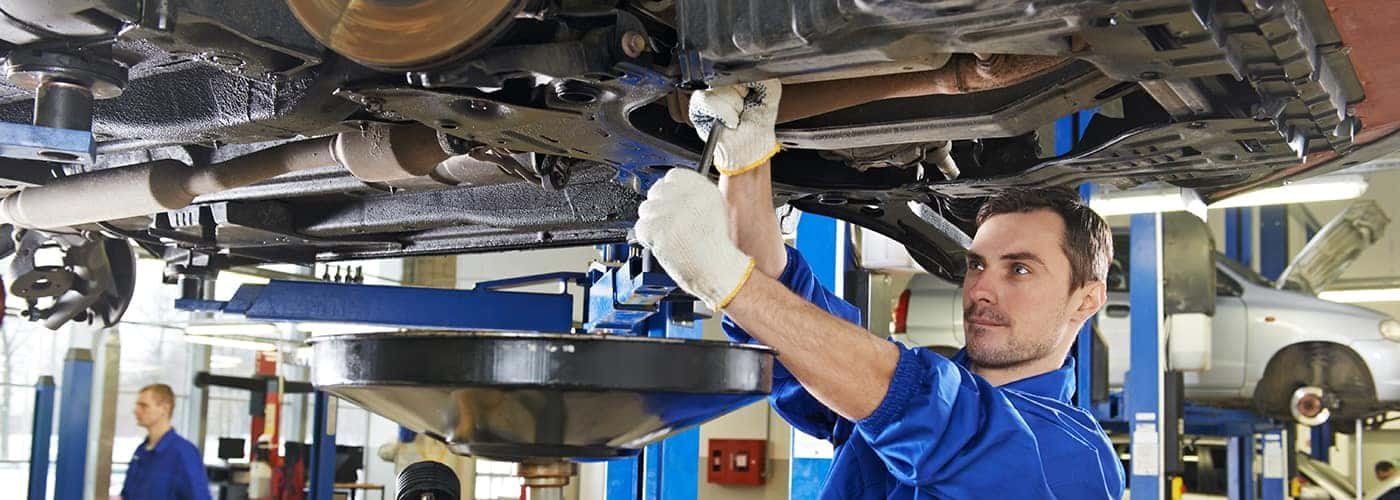
Credit: www.savannahtoyota.com
Can You Do It Yourself?
Some car owners like to do basic maintenance themselves to save money. Changing the air filter, cabin filter, or even the oil can be done at home with some tools and patience. However, some checks (like brakes, suspension, or computer diagnostics) require special tools or experience.
If you’re not sure, it’s safer to let a professional handle the full 30,000 mile service. You don’t want to miss something important.
What Happens If You Skip 30,000 Mile Service?
Many drivers delay or skip this service, thinking the car is running fine. Here’s why that’s risky:
- Small issues can become big, expensive repairs if not caught early.
- Missing fluid changes can cause engine or transmission damage.
- Worn brakes or tires can reduce your safety.
- Skipping service may void your warranty for some problems.
Even if your car seems fine, hidden problems can be building up. Regular service is much cheaper than major repairs.
Two Service Tips Beginners Often Miss
- Ask for the old parts back. If you want to be sure items were really replaced (like filters or spark plugs), ask the shop to give you the old parts. Reputable shops will do this, and it’s a good learning tool.
- Check your service booklet. Some car warranties require proof of regular maintenance. Make sure your mechanic stamps or fills out your service record. This helps keep your warranty valid and boosts resale value.
How To Choose A Good Shop For 30,000 Mile Service
Not all shops are equal. Here’s what matters:
- Certification. Look for mechanics certified by organizations like ASE.
- Reputation. Read reviews and ask friends for recommendations.
- Clear pricing. A good shop will give you a written estimate and answer your questions.
- Warranty on work. Many shops guarantee their work for a few months or miles.
If a shop tries to sell you extra services you don’t need, ask for an explanation or check your owner’s manual. You don’t have to agree to everything.

Credit: www.toyotaofnorthcanton.com
Is It Okay To Go To An Independent Shop Instead Of The Dealer?
Yes. You do not have to go to the dealership unless your warranty requires it (check your manual). Many independent shops can do the same service, often for less money. Just make sure they use quality parts and follow the manufacturer’s recommendations.
What To Do After Your 30,000 Mile Service
- Keep the service receipt in your records.
- Ask the mechanic for any recommendations or watch-outs.
- Listen for new noises or issues after the service, and report them right away if something doesn’t feel right.
Regular maintenance is not just about the car—it’s about your safety and peace of mind.

Credit: www.beechmonttoyota.com
A Final Word: Why 30,000 Mile Service Is Worth It
This service can feel expensive and maybe unnecessary if your car seems fine. But it’s like a health check-up for your car. You’re making sure all the important systems are healthy, and you’re catching problems before they become serious.
A well-maintained car is safer, lasts longer, and keeps its value better. If you are unsure what is included or needed, compare the shop estimate with your owner’s manual, service history, and our car maintenance guide.
Taking care of your car at 30,000 miles is one of the best things you can do as a car owner. It’s not just a checklist—it’s an investment in your vehicle’s future.
