
When a car will not start, many drivers think the battery is the only problem. That is a common guess, but it is not always correct. A bad ignition switch no start problem can look almost the same as a weak battery, starter failure, or even a fuel issue. That is why many people replace the wrong part first.
The ignition switch is a small part with a big job. It sends power to the starter, fuel system, and other electrical parts when you turn the key or press the start button. If it fails, the engine may not crank, may crank only sometimes, or may act strange before it dies completely. The good news is that the warning signs are often easy to spot if you know what to look for.
In this guide, you will learn the main symptoms, likely causes, and practical fixes for a bad ignition switch no start problem. You will also see simple checks that can help you avoid wasted time and money. If you want a clear plan before calling a mechanic, this article will help.
How the ignition switch affects starting
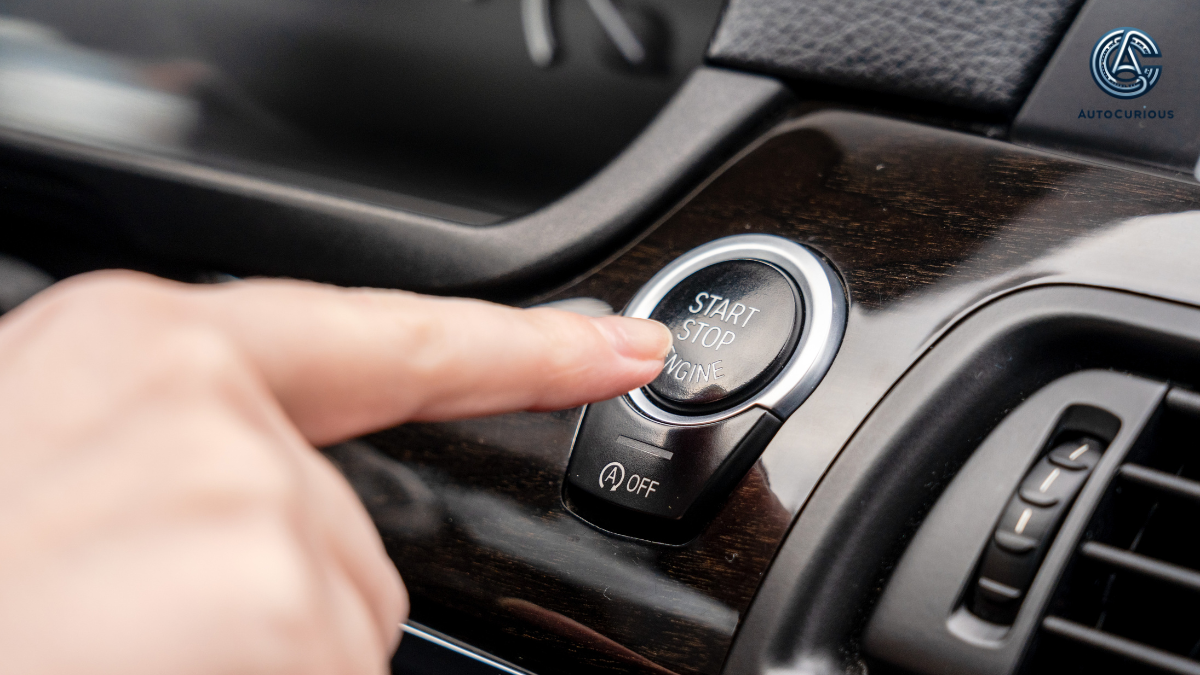
The ignition switch is the command center for the starting system. When you turn the key to the start position, or press the start button in a vehicle with push-button ignition, the switch tells several systems to wake up. It does not just “turn on” the car. It helps route electrical power to the starter relay, ignition system, dashboard, fuel pump, and accessories.
When the switch is healthy, the signal is clean and steady. When it is worn, damaged, or loose, the signal may cut in and out. That can stop the engine from cranking, prevent the starter from engaging, or make the dash lights flicker. In some cars, the steering wheel may also stay locked because the switch is not sending the proper signal to release it.
One important thing many beginners miss is this: a bad ignition switch does not always fail completely. It may work when cold, fail when hot, or only fail in one key position. That is why the problem can seem random.
Common symptoms of a bad ignition switch no start problem
Before replacing parts, it helps to notice the pattern. A failing ignition switch usually gives warning signs. These signs can point you away from the battery and toward the switch itself.
1. No crank when you turn the key
This is one of the most common signs. You turn the key, but the engine does not crank at all. You may hear nothing, or you may hear a faint click. If the battery is good and the starter is known to work, the ignition switch becomes a strong suspect.
2. Dash lights come on, but the engine does not start
Sometimes the dashboard lights and radio work, which makes people think the electrical system is fine. But the engine still will not start. This can happen when the switch sends power to some circuits but not the start circuit.
3. Intermittent starting
The car starts one day and fails the next. Or it starts only after you jiggle the key, move the shifter, or try several times. This kind of problem often means the switch contacts are worn inside.
4. Key turns, but nothing happens
In some cases, the key feels normal in your hand, but turning it gives no response from the starter. That can point to a bad electrical contact inside the switch, not a mechanical key issue.
5. Accessory power works, but start mode does not
You may have radio, lights, or blower motor power, but the start position fails. That split behavior is very useful. It suggests the switch is not failing in every position, only in the part that handles starting.
6. Flickering dashboard or warning lights
A worn ignition switch can cause unstable voltage. That may show up as blinking lights, odd dashboard behavior, or systems turning on and off when you move the key.
7. Engine stalls while driving
This is more serious. If the ignition switch loses contact while driving, the engine may cut out suddenly. That can also kill power steering assist and power brakes, so it should not be ignored.
| Symptom | What it may mean | Typical clue |
|---|---|---|
| No crank | Start signal is not reaching the starter circuit | Battery seems fine, but starter stays silent |
| Intermittent start | Worn internal switch contacts | Problem changes from day to day |
| Dash power but no start | Some switch circuits work, others do not | Accessories turn on, engine does not |
| Stalling while driving | Electrical contact loss | Engine dies without warning |
What causes an ignition switch to fail
Ignition switches do not usually fail because of one single event. Most of the time, they wear out slowly. Heat, vibration, age, and repeated use all take a toll.
Credit: autocurious.com
Normal wear inside the switch
Every time you turn the key, small metal contacts inside the switch move and connect. After years of use, those contacts can wear down or burn slightly. Once that happens, the switch may stop making a solid connection.
Heat damage
Heat can dry out plastic parts and weaken electrical contacts. If the switch sits near hot components or the car has had electrical overloads, the chance of failure rises. This is one reason some cars fail more often after long drives.
Loose or damaged wiring
Sometimes the switch itself is not the only problem. Loose connectors, damaged wires, or corrosion at the plug can break the circuit. The symptom looks like a bad ignition switch, but the real issue may be in the harness.
Heavy key chains
This is a small detail many people miss. A heavy key ring can pull down on the ignition cylinder over time. That extra weight can stress the switch and the mechanical parts around it. It may not cause instant failure, but it can shorten the life of the system.
Moisture or corrosion
Water leaks, high humidity, or spilled liquids can damage the switch area or connectors. Corrosion adds resistance to the circuit and may cause random no-start behavior.
Electrical system problems elsewhere
A failing starter relay, weak battery cable, blown fuse, or bad neutral safety switch can act like ignition switch trouble. This is why good diagnosis matters. The ignition switch may be innocent even when the symptoms look guilty.
Simple checks before replacing parts
Before buying a new ignition switch, do a few basic checks. These steps can save time and help you avoid guessing.
Check the battery first
A weak battery can create the same no-start feeling. Make sure the battery terminals are clean and tight. Check for corrosion. If you have a multimeter, test the battery voltage. A healthy resting battery is usually around 12.6 volts, while a much lower reading may point to battery trouble instead of the switch.
Look at the dash behavior
Pay attention to what happens when you turn the key. Do the lights come on? Do they fade? Does the radio work? Do all electrical systems fail at once, or only the crank function? These details help narrow down the problem.
Try the spare key
Sometimes the key itself is worn. A worn key can fail to move the ignition cylinder properly, especially in older vehicles. If the spare key works better, the issue may not be the switch.
Move the shifter
Automatic cars sometimes have a safety switch that prevents starting unless the shifter is fully in Park or Neutral. If the car starts when you move the shifter slightly, the ignition switch may not be the main problem.
Listen for the starter relay
When you turn the key to start, listen for a click from the relay area. No click may mean the start signal is missing. A click with no crank could point more toward the starter, battery cable, or starter motor.
Check related fuses
Some cars use fuses for the ignition or starter circuit. If a fuse is blown, the ignition switch may seem bad even though the switch is fine. Replace the fuse only after you understand why it blew.
How to diagnose a bad ignition switch no start issue
Diagnosis should follow a simple path. Start with the easiest checks and move toward more detailed testing. That way, you avoid replacing good parts.
Use the symptom pattern
If the car has power in accessory mode but not in the start position, the ignition switch becomes more likely. If the engine dies while driving and then starts again later, the switch may have an internal contact problem.
Test for voltage at the switch
With proper safety steps, a mechanic may test whether the switch sends voltage to the start circuit when the key is turned. If power enters the switch but does not leave it in the correct position, the switch is likely faulty.
Check for continuity
In some cases, a continuity test can show whether the switch opens and closes the circuit correctly. A worn switch may pass the test in one position and fail in another.
Inspect the connector
Look at the plug behind the ignition switch for melted plastic, loose pins, or green corrosion. Even a small amount of damage can interrupt the signal.
Do not overlook the starter circuit
It is easy to blame the ignition switch when the real issue is in the starter relay, starter motor, clutch switch, or neutral safety switch. A good diagnosis checks the whole chain from key to starter.
If you want a general technical overview of starting-system parts, the AAA auto repair information page is a useful place to learn more before you decide on repairs.
Fixes that may solve the problem
The right fix depends on the cause. Some problems are simple. Others need part replacement. The key is to fix the real fault, not the most obvious one.

Credit: dubizzle.com
Clean and tighten battery connections
If the battery terminals are dirty or loose, clean them and tighten them properly. A strong battery connection can bring a “dead” car back to life if the problem was not the ignition switch at all.
Replace a blown fuse or relay
If a fuse is blown, replace it only after checking the reason. If a relay is bad, it may stop the starter signal just like a bad switch. Swapping with a known good relay can be a quick test in some cars.
Repair damaged wiring or connectors
If inspection shows corrosion, loose pins, or damaged wires, repair those first. A new ignition switch will not fix a bad connector.
Replace the ignition switch
If testing shows the switch is failing, replacement is the correct fix. In many vehicles, the ignition switch is separate from the lock cylinder. That means the key may still turn smoothly even though the electrical switch behind it has failed.
A practical warning
Do not assume all ignition-related parts are the same. Some cars have both an ignition lock cylinder and an electrical ignition switch. They are different parts. Replacing the wrong one is a common mistake.
Address the mechanical ignition cylinder if needed
If the key sticks, does not turn fully, or only works with pressure, the mechanical cylinder may be worn. In that case, the electrical switch may be fine, but the mechanical part is not moving it correctly.
Check the starter and safety switches
If the switch tests good, inspect the starter motor, starter relay, clutch switch, or neutral safety switch. A lot of “bad ignition switch” complaints turn out to be problems in one of these related parts.
Can you drive with a bad ignition switch?
It is not a good idea. A failing ignition switch can make the car stall without warning. That can be dangerous in traffic, at intersections, or on highways. If the switch is only failing sometimes, the car may still run for now, but the failure can become worse at any time.
There is also a safety issue beyond starting. If the engine cuts off while driving, you may lose power steering assist and braking assist. That makes the vehicle much harder to control. If your car shows these symptoms, arrange repair soon rather than waiting.
How much repair usually costs
Repair cost depends on the car model, labor time, and whether the ignition switch is easy to reach. Some switches are simple and inexpensive. Others sit deep in the steering column and take more labor.
In general, the parts cost for an ignition switch is often moderate, but labor can raise the total price. If the car needs a new lock cylinder, rekeying, programming, or steering column work, the price can increase more.
One non-obvious point: modern cars with anti-theft systems may need electronic relearning after replacement. That means the cheapest part is not always the cheapest repair overall.
How to prevent ignition switch trouble later
You cannot stop all wear, but you can reduce stress on the system.
- Keep your key ring light. Avoid heavy bundles of keys.
- Do not force the key if it does not turn easily.
- Keep the ignition area dry and clean.
- Fix weak battery and charging problems early.
- Do not ignore small starting problems. They often grow slowly.
These steps seem simple, but they help the ignition switch last longer. They also reduce strain on the ignition cylinder and wiring around it.
Common mistakes people make
When a car will not start, stress makes people rush. That leads to bad guesses. Here are the most common mistakes.
Replacing the battery too early
A battery can be the cause, but not always. If the battery is new and the problem remains, keep looking. Do not keep buying batteries just because the engine will not start.
Ignoring intermittent signs
Many people wait until the car dies completely. But early signs like flickering lights, random no-starts, and key position issues are valuable clues. Catching the problem early can save time.
Confusing the switch with the cylinder
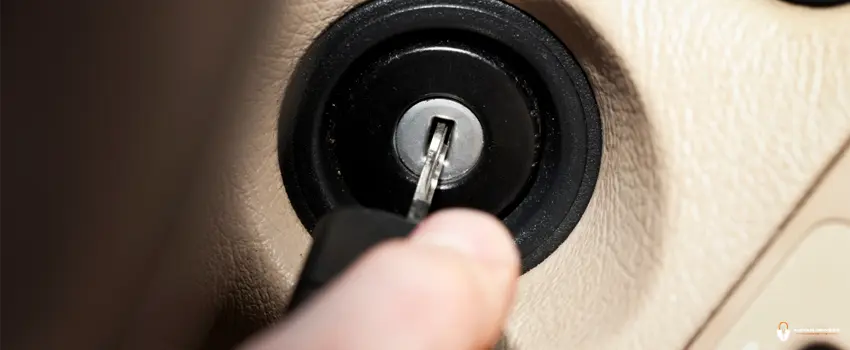
These are related, but not the same. The lock cylinder is the part you turn with the key. The ignition switch is the electrical part behind it. Knowing the difference matters during repair.
Skipping wiring inspection
Even a new switch will fail to help if the connector is loose or damaged. Always inspect the wiring before final repair.
When to call a mechanic
Call a professional if the car stalls while driving, the steering locks, the problem comes and goes with no clear pattern, or you are not comfortable testing electrical parts. A mechanic can test the circuit quickly and tell you whether the switch, wiring, relay, or starter is the true cause.
Professional help is also wise if your vehicle has a steering column airbag, complex security system, or push-button start with modules that need programming. These systems can be sensitive, and mistakes can create bigger problems.
Credit: denverslocksmiths.com
Final thoughts
A bad ignition switch no start problem can be frustrating, but it is usually diagnosable if you follow the signs carefully. Look at the symptom pattern, check the battery and connections first, and then test the switch and related parts. Do not assume the most obvious part is the wrong one.
The best repair is the one based on evidence. If you notice random no-starts, dash power without cranking, or stalling that seems electrical, the ignition switch deserves close attention. Fixing it early can keep you from getting stranded later.
FAQs
1. What are the first signs of a bad ignition switch no start problem?
The first signs are often random no-starts, no crank when turning the key, flickering dash lights, or accessories working while the engine will not start. The problem may come and go before it becomes permanent.
2. Can a bad ignition switch drain the battery?
Yes, in some cases it can. If the switch fails in a way that leaves some circuits active, it may help drain the battery. However, a bad battery, alternator, or electrical short can also cause battery drain.
3. Is the ignition switch the same as the ignition cylinder?
No. The ignition cylinder is the mechanical part that the key turns. The ignition switch is the electrical part that sends power to starting and accessory circuits. They are connected, but they are not the same part.
4. Will a car start with a bad ignition switch?
Sometimes it will start for a while, especially if the switch is only partly worn. The failure may be intermittent at first. Over time, the problem often gets worse until the car will not start at all.
5. How do I know if it is the starter or the ignition switch?
If the starter is getting power, you may hear a click or see lights dim when trying to start. If there is no start signal leaving the ignition switch, the switch may be the cause. A proper voltage test is the best way to tell the difference.