
When you start your car on a hot day, you expect the air conditioner to bring cool relief. But sometimes, you notice the air stays warm, and you hear no click from the engine bay. This often means the car AC clutch is not engaging—a common issue that can ruin comfort and signal deeper problems. Understanding why this happens and knowing how to diagnose it can save you time, money, and frustration. Let’s break down the reasons, symptoms, and practical steps to get your car’s AC working again.
What Is A Car Ac Clutch And Why Is It Important?
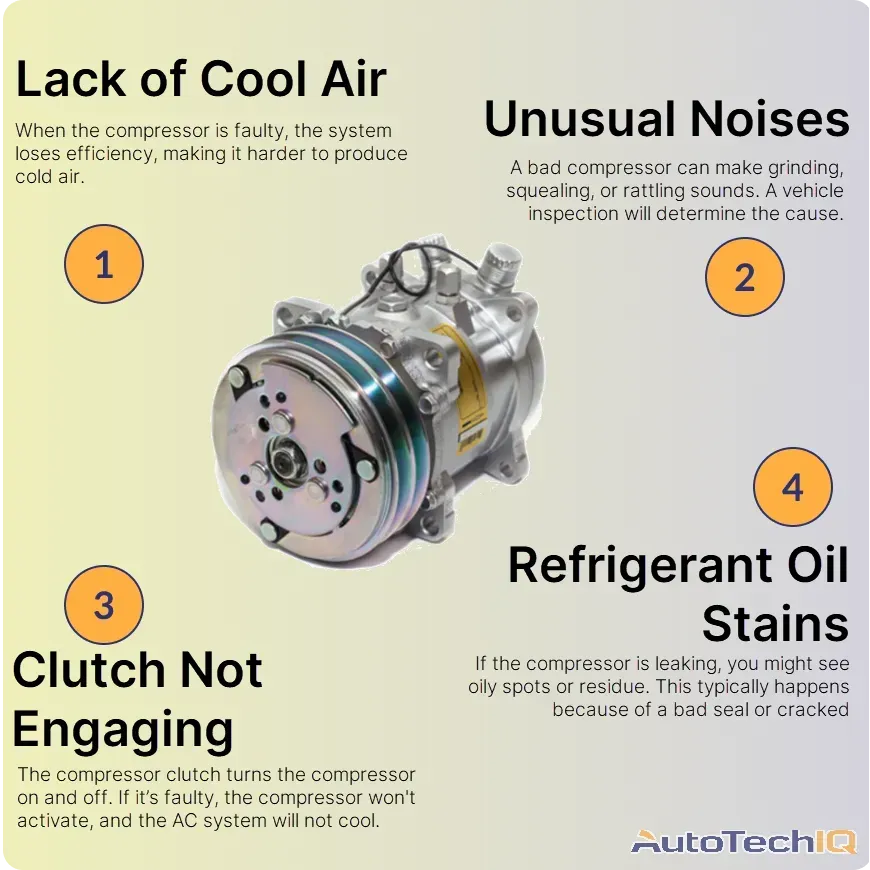
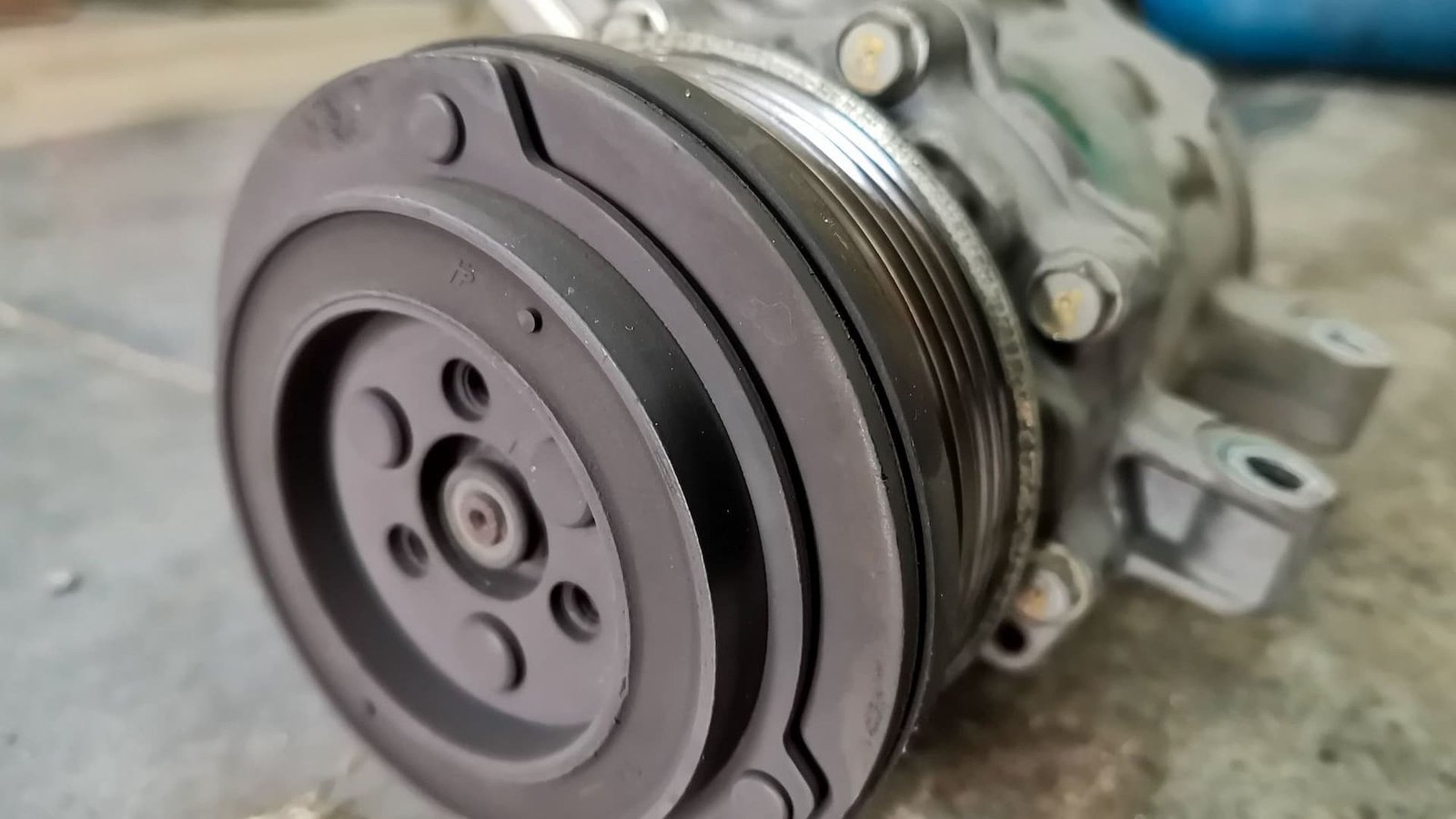
The AC clutch is a small but critical part of your vehicle’s air conditioning system. It connects and disconnects the AC compressor from the engine’s power. When you turn on the AC, the clutch engages (you often hear a click), and the compressor starts pumping refrigerant. If the clutch does not engage, the compressor doesn’t run, and you get no cool air. The problem may seem small, but it can point to several hidden issues.
Main Causes Of A Car Ac Clutch Not Engaging
Finding the root cause is key before you replace parts or visit a mechanic. Here are the most common reasons the AC clutch fails to engage:
1. Low Refrigerant Level
The AC system needs enough refrigerant (also called Freon) to work. If the level is too low, a pressure switch stops the clutch from engaging to protect the compressor.
2. Faulty Ac Clutch Relay
The relay is an electrical switch. If it fails, it can’t send power to the clutch coil, so the clutch won’t engage.
3. Blown Fuse
Most AC systems have a dedicated fuse. If it blows, the clutch loses power.
4. Bad Pressure Switch
AC systems use high and low-pressure switches for safety. If one fails, it can cut off power to the clutch.
5. Damaged Ac Clutch Coil
The coil is an electromagnet. If it breaks or burns out, the clutch can’t move.
6. Electrical Wiring Issues
Corroded, broken, or loose wires can stop power from reaching the clutch.
7. Compressor Or Clutch Mechanical Failure
Sometimes, the compressor or the clutch itself is worn out or stuck.
8. Ac Control Module Problems
Modern cars use control modules. If the AC module fails, it may not send the signal to engage the clutch.
9. Incorrect Belt Tension Or Broken Belt
If the drive belt is too loose or broken, it can’t turn the compressor—even if the clutch tries to engage.
10. Faulty Ac Switch Or Climate Control Panel
The dashboard AC switch or control panel can fail, so the clutch never gets the signal.
Credit: www.autotechiq.com
How To Diagnose A Car Ac Clutch Not Engaging
Diagnosing the problem is easier than you might think. Follow these steps in order, and you’ll find the issue faster.
1. Listen And Observe
When you turn on the AC, listen for a clicking sound from the engine bay. This means the clutch is trying to engage. If you hear nothing, continue to the next steps.
2. Check The Refrigerant Level
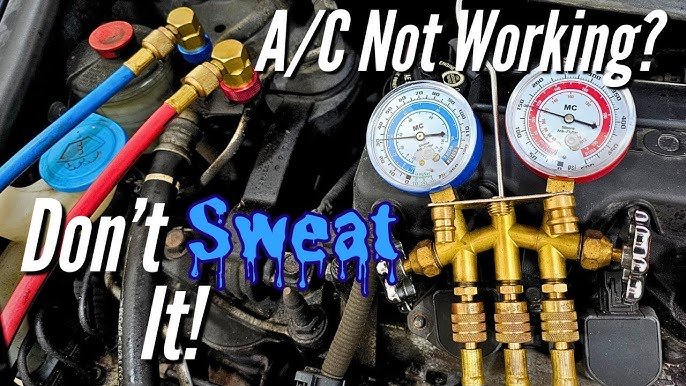
Most cars have a sight glass or low-pressure port. Use an AC pressure gauge to check the level. If it’s too low, the clutch won’t engage. Remember, very low refrigerant often means a leak.
3. Inspect The Fuse And Relay
Locate your car’s AC fuse and relay (the owner’s manual or fuse box cover helps). Pull the fuse and check if the metal strip is broken. Swap the relay with a similar one to see if the clutch engages.
4. Test The Ac Clutch Coil
Use a multimeter to check for voltage at the clutch coil when the AC is on. If there’s voltage but no click, the coil may be bad.
5. Examine The Ac Pressure Switches
Find the high and low-pressure switches. Unplug them and use a jumper wire to bypass the switch briefly. If the clutch engages, the switch may be faulty.
6. Check Wiring And Connectors
Look for frayed, corroded, or disconnected wires and connectors between the AC relay, fuse, clutch, and switches.
7. Inspect The Compressor And Belt
Check if the compressor pulley turns with the engine. A loose or broken belt means the compressor can’t work. Try turning the clutch plate by hand (engine off). If it’s seized, the clutch or compressor may have failed.
8. Scan For Error Codes
Many modern cars store AC system faults in the onboard computer. Use an OBD-II scanner to read error codes, which can point to sensor or control module problems.
9. Test The Ac Switch/climate Control Panel
Switch the AC on and off while watching for dashboard lights or changes. If the switch feels loose or unresponsive, it may be faulty.
A Practical Example
Suppose your Toyota Camry’s AC stops working, and you hear no click from the clutch. Checking the fuse, you find it blown. After replacing it, the AC works again. This simple check saves you a trip to the shop. But if the new fuse blows again, it points to a deeper electrical issue.
Common Symptoms When The Ac Clutch Fails To Engage
- No Cold Air from the AC vents
- No Click Sound when turning on the AC
- AC Compressor Pulley spins, but the center plate does not
- Short Cycling (clutch engages and disengages quickly)
- Burning Smell near the compressor (if clutch coil is burning)
Spotting these signs early can help you fix the issue before the compressor is damaged.
Tools Needed For Diagnosis
You don’t need special skills, but a few tools make the job easier:
- Multimeter (to check voltage and continuity)
- AC Pressure Gauge (to check refrigerant level)
- Jumper Wires (for bypass tests)
- OBD-II Scanner (to check error codes)
- Basic Hand Tools (screwdrivers, pliers)
Many auto stores lend these tools if you don’t want to buy them.
Data: Causes And How Often They Occur
Here’s a look at how common each cause is, based on repair shop surveys:
| Cause | Frequency (%) |
|---|---|
| Low Refrigerant | 40 |
| Relay/Fuse Problem | 20 |
| Clutch Coil Failure | 15 |
| Wiring Issues | 10 |
| Compressor/Clutch Failure | 10 |
| Control Module/Other | 5 |
As you can see, low refrigerant is the most likely cause, but don’t ignore electrical problems.
Comparison: Ac Clutch Problems Vs. Other Ac Issues
It’s important to know the difference between a clutch problem and other AC troubles.
| Problem Type | Main Symptom | Typical Fix |
|---|---|---|
| AC Clutch Not Engaging | No click, warm air | Check clutch, fuse, relay, refrigerant |
| Weak Cooling | Some cool air, but not enough | Check refrigerant, cabin filter |
| Intermittent Cooling | AC works, then stops | Check pressure switches, relay |
| Blower Fan Not Working | No air from vents | Check blower fuse, motor |
This helps you narrow down what to check first.
Professional Repair Vs. Diy: What To Try And What To Avoid
When You Can Fix It Yourself
You can safely check fuses, relays, and even wiring if you’re comfortable. Swapping relays or testing with a multimeter is low-risk. Topping up refrigerant can be done with DIY kits, but it’s easy to overfill.
When To See A Professional
If you suspect a leak, need to evacuate and refill refrigerant, or the clutch coil needs replacing, it’s best left to a certified AC technician. Modern systems are sensitive and require special tools.
Cost Comparison
| Repair Type | DIY Cost (USD) | Shop Cost (USD) |
|---|---|---|
| Fuse/Relay Replacement | $5–$20 | $50–$100 |
| Refrigerant Recharge | $30–$60 | $120–$250 |
| Clutch Coil Replacement | $40–$100 | $200–$450 |
| Compressor Replacement | N/A | $500–$1,000 |
DIY saves money, but always follow safety rules, especially with refrigerant.
Credit: www.youtube.com
Two Insights Most Beginners Miss
1. The clutch may not engage even if the refrigerant is only a little low. Many people think the AC works as long as there’s some refrigerant. But modern systems are sensitive to pressure and shut down early to protect the compressor.
2. A shorted clutch coil can blow the fuse every time you replace it. Replacing fuses over and over is not a fix. If the fuse keeps blowing, suspect the clutch coil or a wiring short.
Maintenance Tips To Avoid Ac Clutch Problems
- Run your AC for 10–15 minutes every week, even in winter, to keep parts moving and seals lubricated.
- Have your AC system checked for leaks and pressure yearly.
- Use the AC system gently—don’t always blast it on the coldest setting.
- Keep engine bay wiring clean and dry.
- Pay attention to strange noises or burning smells.
Where To Learn More
For deeper technical details, you can visit the Wikipedia page on automobile air conditioning for more about system design and function.
Frequently Asked Questions
Why Does My Car Ac Clutch Click But Not Spin?
If you hear a click but the clutch does not spin, the clutch may be slipping, the compressor may be seized, or the belt may be broken. It can also mean the clutch plate is worn out.
Can I Manually Engage The Ac Clutch?
Yes, you can use a jumper wire to send 12V directly to the clutch coil for testing. But do this only for a few seconds and with the engine off. Never use this as a permanent fix.
How Do I Know If My Ac Compressor Is Bad Or Just The Clutch?
If the clutch engages but you get no cold air, the compressor may be bad. If the clutch does not engage at all, start by checking electrical and refrigerant issues before blaming the compressor.
Is It Safe To Drive With A Non-working Ac Clutch?
Usually, yes. The AC system is separate from the engine. But if the clutch is making noise or the pulley is damaged, it can break the drive belt, which could lead to more serious engine problems.
What Is The Average Life Of A Car Ac Clutch?
An AC clutch often lasts 60,000 to 100,000 miles, depending on use and maintenance. Frequent short trips, heavy AC use, or low refrigerant can shorten its life.
When your car AC clutch is not engaging, a step-by-step diagnosis can help you find the cause and decide if you can fix it or need a pro. With the right checks and a little patience, you can get your cool air back and avoid bigger repair bills down the road.
Credit: www.autonationmobileservice.com