
Keeping your car’s air conditioning (AC) system in top shape is not just about comfort—it’s about safety, efficiency, and long-term savings. Many drivers ignore their car AC until a hot day reminds them it’s not working. But regular car AC maintenance can prevent costly breakdowns, keep the air fresh, and help your vehicle run smoothly. Whether you’re new to car ownership or want to understand AC care better, this guide will show you the complete maintenance schedule, explain why each step matters, and share tips most people miss.
Why Car Ac Maintenance Matters
A well-maintained AC system doesn’t just cool the cabin. It removes moisture from the air, helps defrost windows in winter, and keeps the system’s parts healthy. Over time, dust, moisture, and even bacteria can build up inside the AC. If ignored, this can lead to bad smells, poor cooling, and expensive repairs.
Surprisingly, neglecting AC maintenance can even affect your fuel economy. A clogged or inefficient system forces your engine to work harder, using more gas. According to the U. S. Department of Energy, a faulty AC can decrease fuel efficiency by up to 20% during heavy use.
The Complete Car Ac Maintenance Schedule
Sticking to a schedule is the smartest way to avoid problems. Here’s an easy-to-follow plan, including what to check, when to do it, and why it matters.
Every Month
1. Run The Ac For 10 Minutes
Even in winter, turn on your AC (set to the coldest temperature and highest fan speed) for about 10 minutes once a month. This keeps gas and oil circulating in the system and prevents seals from drying out.
2. Listen And Smell
Pay attention to unusual noises—like rattling or hissing—and any bad smells. These are early warning signs of problems.
Every 3–6 Months
1. Clean The Cabin Air Filter
A dirty filter reduces airflow and can let dust or pollen into your car. Most manufacturers recommend replacing or cleaning it every 15,000–30,000 km (9,000–18,000 miles), but if you drive in dusty areas, check it every 3–6 months.
2. Check For Leaks
Look under your car after running the AC. A small puddle of water is normal (it’s condensation), but oily spots or colored stains can mean a refrigerant leak.
Every 12 Months
1. Full System Inspection
Have a mechanic check the AC system. This includes refrigerant levels, hoses, and belts. If refrigerant is low, it should be refilled to the correct amount.
2. Clean The Condenser
The condenser sits at the front of your car, behind the grille. Dirt, bugs, and leaves can block airflow, making your AC less effective. Cleaning it once a year keeps the system running strong.
3. Check System Pressure
Technicians use special gauges to check pressure. Low or uneven pressure can signal a leak or other problem.
Every 24–36 Months
1. Replace Refrigerant (re-gas)
Over time, refrigerant gas escapes—about 10–15% per year, even in a healthy system. Most vehicles need a recharge every 2–3 years. Low refrigerant means weak cooling and can even damage the compressor.
2. Change The Receiver/drier Or Accumulator
This part removes moisture and dirt from the refrigerant. If it gets full, moisture can freeze or cause corrosion inside the system.
Every 5 Years
1. Deep System Clean
Have a professional clean the evaporator and disinfect the system. This removes bacteria, mold, and other buildup that cause odors and allergies.
2. Inspect And Replace Belts
Some AC systems use a separate drive belt. Over time, belts crack or stretch, leading to a loss of power or sudden failure.
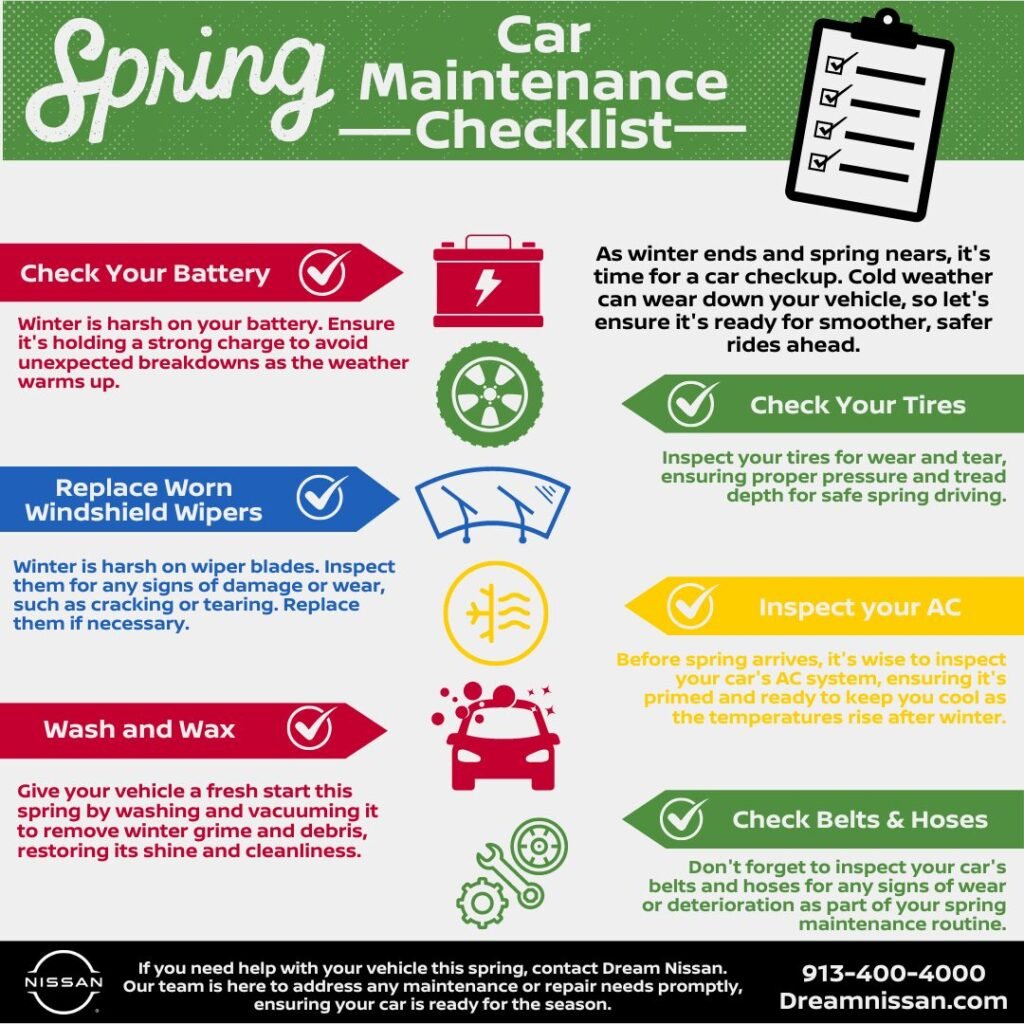
Credit: dreamnissan.com
Key Maintenance Tasks Explained
Understanding the most important AC maintenance jobs will help you spot trouble early and talk confidently with your mechanic.
Cabin Air Filter: The First Line Of Defense
A clogged cabin air filter makes your AC work harder and lowers air quality. Some drivers forget it even exists! The filter is usually behind the glove box or under the dashboard. Replacing it is a simple job and often costs less than $30.
Refrigerant Level: The Heart Of Cooling
Refrigerant is the special gas that cools the air. If it’s low, you’ll notice weak cooling, even if the fan still blows. Low levels can mean a leak, so never just “top up” without checking for the cause. Modern cars use R134a or newer R1234yf refrigerant.
Mixing types can damage the system.
Condenser And Evaporator: Keep Them Clean
The condenser (in front of the radiator) and evaporator (inside the dash) can both get blocked. Bugs, leaves, or road salt reduce their ability to exchange heat. A quick rinse with a hose (for the condenser) and regular AC use (to dry the evaporator) help prevent problems. Deep cleaning should be left to professionals.
Compressor: The Most Expensive Part
The compressor pumps refrigerant through the system. If it fails, repairs can cost $500–$1,500 or more. Signs of trouble include loud noises or the AC only working sometimes. Running the AC regularly keeps oil moving and extends compressor life.
Hoses, Seals, And O-rings: Small Parts, Big Problems
Tiny leaks often start at hose connections. Over time, rubber parts dry out and crack. Replacing worn seals is much cheaper than repairing a full system leak.
Typical Car Ac Maintenance Schedule (sample Table)
This schedule fits most modern vehicles. Always check your owner’s manual for your car’s exact needs.
| Maintenance Task | Recommended Interval | DIY or Mechanic? |
|---|---|---|
| Run AC for 10 minutes | Monthly | DIY |
| Clean/replace cabin air filter | Every 6-12 months | DIY |
| Check refrigerant level | Annually | Mechanic |
| Clean condenser | Annually | DIY/Mechanic |
| Change receiver/drier | Every 2-3 years | Mechanic |
| Recharge refrigerant | Every 2-3 years | Mechanic |
| Inspect belts/hoses | Every 5 years | Mechanic |
Signs Your Car Ac Needs Immediate Attention
Sometimes, your AC will show clear signs something is wrong. If you notice any of these, don’t wait—get it checked right away.
- Weak or no cooling, even on max setting
- Strange noises when AC is on (grinding, squealing, hissing)
- Musty or foul odors from vents
- Water pooling inside the car (not just under it)
- AC only works while driving, not idling
Ignoring these warning signs can turn a simple fix into a major repair.
Common Car Ac Problems And How Maintenance Prevents Them
Understanding common issues helps you see why each maintenance step is important.
Refrigerant Leaks
The most common AC problem. Leaks can be slow and hard to find. Regular checks help catch them early, before the compressor is damaged.
Mold And Bacteria
When the AC evaporator stays damp, bacteria and mold can grow. This leads to bad smells and allergy symptoms. Running the fan for a few minutes after turning off the AC helps dry it out.
Blocked Condenser
Dirt and road debris block airflow, making your AC weak. Cleaning the condenser is easy but often skipped.
Worn Compressor
A compressor that isn’t lubricated properly will fail sooner. Running the AC regularly and keeping refrigerant topped up is key.
Electrical Issues
Fuses, relays, or sensors can fail. Regular inspections can spot these before they cause a breakdown.
Diy Vs. Professional Maintenance
Some AC maintenance is easy to do at home, while other tasks need a professional. Here’s a quick comparison:
| Task | DIY | Professional |
|---|---|---|
| Run AC regularly | ✔️ | |
| Replace cabin air filter | ✔️ | |
| Clean condenser | ✔️ | |
| Check refrigerant level | ✔️ | |
| Recharge refrigerant | ✔️ | |
| Inspect/replace belts | ✔️ | |
| Leak detection and repair | ✔️ |
Two insights beginners often miss: First, running your AC in winter helps keep parts lubricated and prevents drying out. Second, a musty smell is not just unpleasant—it’s often a sign of mold in the system, which can affect your health.
Tips To Make Your Car Ac Last Longer
- Park in the shade when possible; less heat means less work for your AC.
- Use sunshades to keep your cabin cooler.
- After starting your car, open windows briefly to let hot air escape before turning on the AC.
- Set the fan to recirculate air for faster cooling.
- Don’t ignore weak airflow; check the cabin filter first.
- Have the AC serviced before summer, not after it breaks.
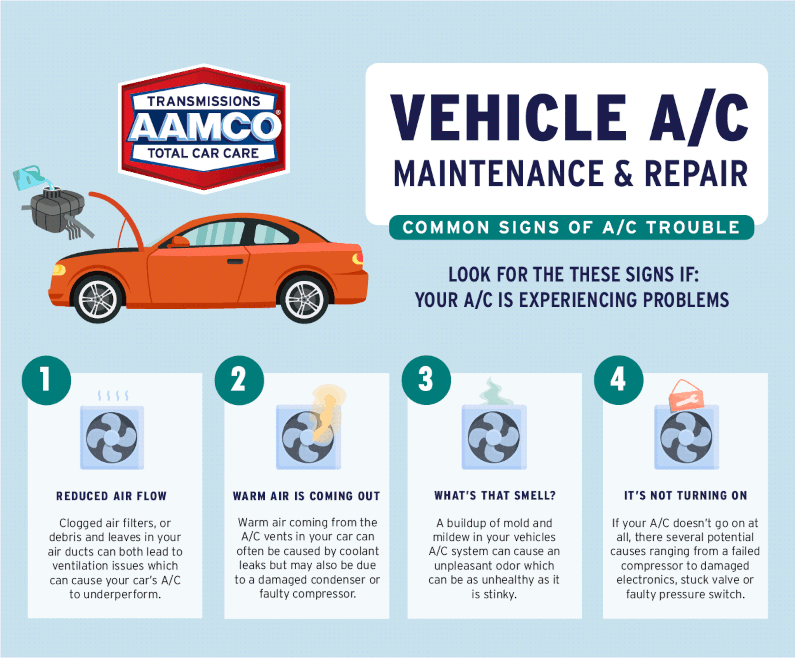
Credit: www.aamcoblog.com
Real-world Example
Maria drives a six-year-old sedan. She noticed her AC wasn’t as cold as last summer. She checked her cabin filter and saw it was full of dust and leaves. After replacing it, airflow improved, but cooling was still weak. Her mechanic found the refrigerant was low due to a small leak. By catching it early, Maria avoided a costly compressor replacement.
Cost Of Car Ac Maintenance
Basic maintenance, like changing the cabin filter, can cost $20–$50. Professional services (recharging refrigerant, leak checks) usually range from $100 to $250. Major repairs, like replacing the compressor, can cost over $1,000. Regular care is much cheaper than fixing big problems.

Credit: www.spacecenterautomotive.com
How Climate Affects Ac Maintenance
Hot, humid, or dusty climates put extra strain on your AC. If you live in these areas, check filters and have your system inspected more often. In cold climates, running the AC occasionally prevents seals from drying out.
For more technical information about automotive air conditioning, you can visit the Automobile Air Conditioning page on Wikipedia.
Frequently Asked Questions
How Often Should I Recharge My Car’s Ac?
Most cars need a recharge every 2–3 years. If you notice weak cooling before that, have a technician check for leaks first.
Can I Use My Car Ac In Winter?
Yes! Using your AC in winter helps defog windows and keeps system parts lubricated. Run it for about 10 minutes once a month, even if you don’t need cooling.
Is It Safe To Diy Car Ac Repairs?
Simple tasks, like changing the cabin filter or cleaning the condenser, are safe for most people. Handling refrigerant or fixing leaks should be left to professionals, as it requires special tools and training.
Why Does My Car Ac Smell Bad?
A musty or sour smell usually means mold or bacteria is growing in the system, often on the evaporator. Replacing the cabin filter and having the system disinfected usually solves the problem.
What Is The Most Expensive Car Ac Part To Replace?
The compressor is usually the most expensive part, sometimes costing over $1,000 to replace. Regular maintenance helps it last longer.
Keeping your car AC in good shape isn’t hard, but it does require regular attention. By following a simple maintenance schedule, you’ll enjoy cooler rides, healthier air, and lower repair bills for years to come.
