
Selling your car can be both exciting and a bit stressful, especially if you want to get the best price. One of the most important steps is a car appraisal. This is the process of finding out what your car is really worth in the current market. A proper appraisal can help you avoid low offers and give you confidence when you negotiate with buyers or dealers.
Many car owners think they know their car’s value, but often they rely on guesswork or old information. The truth is, car values change all the time based on market demand, season, mileage, and even color. Understanding how appraisals work and what affects your car’s value can give you a real advantage when it’s time to sell.
This guide will walk you through everything you need to know about car appraisal for selling, from the basics to smart tips for getting the most money.
What Is Car Appraisal And Why Does It Matter?
A car appraisal is an expert evaluation of a vehicle’s market value. It considers the car’s age, condition, history, and features. Appraisals are not just for rare or expensive cars—they’re important for any vehicle sale. A good appraisal can help you:
- Set a realistic asking price
- Spot issues that lower value
- Negotiate confidently with buyers
- Avoid selling too low or waiting too long for a buyer
Dealers and private buyers often use appraisal values to justify their offers. If you don’t know your car’s real value, you might lose money or miss the chance to sell quickly.
Main Factors That Affect Car Value
Not all cars lose value in the same way. Several key factors decide what your car is worth right now:
1. Age And Mileage
The older your car and the more miles it has, the less it’s usually worth. But sometimes, low mileage on a very old car can be a warning sign, as it may have been unused for long periods.
2. Make And Model
Popular brands like Toyota or Honda often keep their value better than less-known brands. Some models are in high demand, which can raise their price.
3. Condition
Buyers and appraisers look for signs of wear and tear. Dents, scratches, rust, and worn interiors lower value. A clean, well-kept car always sells for more.
4. Service History
If you have records of regular oil changes, repairs, and check-ups, your car will likely be appraised higher. Missing records can make buyers nervous.
5. Market Demand
Some cars are more popular in certain regions or seasons. For example, convertibles sell for more in summer, and 4x4s are in demand during winter.
6. Accident And Ownership History
A car that’s never been in an accident is worth more. Fewer owners usually means better value, too.
7. Features And Upgrades
Extras like a sunroof, navigation, or leather seats can push up the price. But some upgrades (like custom paint) might not add value.
8. Color
Surprisingly, common colors like black, white, and silver often have better resale value than bold colors.
Types Of Car Appraisal
Understanding the different ways to appraise a car helps you choose the right method for your situation.
Dealer Appraisal
Dealers will appraise your car if you want to trade it in. They often offer less than private buyers, as they need to make a profit on resale.
Online Valuation Tools
Websites like Kelley Blue Book or Edmunds let you enter your car’s details and get an estimated value. This is quick, but it’s only a starting point.
Professional Appraiser
A trained expert will inspect your car in person and give a detailed report. This is best for unique or classic cars.
Private Sale Estimate
You can look at classified ads to see what similar cars are selling for. This helps you judge what private buyers are paying right now.
Here’s a quick comparison of the most common appraisal methods:
| Appraisal Type | Accuracy | Cost | Best For |
|---|---|---|---|
| Dealer Appraisal | Medium | Free | Trade-in sellers |
| Online Valuation | Medium-Low | Free | Quick estimates |
| Professional Appraiser | High | Paid | Unique/classic cars |
| Private Sale Estimate | Medium | Free | Setting asking price |
Step-by-step Guide To Appraising Your Car
Selling your car starts with a good, honest look at what you’re offering. Here’s how to do your own appraisal:
1. Gather Your Information
Find your car’s make, model, year, mileage, and VIN (Vehicle Identification Number). Gather maintenance records, accident history, and any receipts for upgrades.
2. Check Online Valuation Tools
Enter your details on at least two trusted sites. Compare the results to get a price range. Remember, these tools don’t see your car’s real condition.
3. Inspect Your Car’s Condition
Check for dents, scratches, worn tires, or stains. Note any mechanical issues (like engine noise or warning lights). Be honest—buyers will notice problems.
4. Review Market Listings
Search local ads for similar cars. Compare prices for cars with the same age, mileage, and features. This gives a realistic view of your competition.
5. Decide On Your Asking Price
Set your asking price a bit higher than your lowest acceptable value. This gives you room to negotiate.
6. Consider A Professional Appraisal
For rare, high-value, or classic cars, get a certified appraiser. Their written report can help with insurance, buyers, or even court claims.
How To Prepare Your Car To Maximize Appraisal Value
First impressions matter. Small improvements can increase your car’s value by hundreds of dollars.
Clean Your Car Inside And Out
A professional wash and interior cleaning make a big difference. Remove personal items and odors. Clean carpets and seats.
Fix Minor Repairs
Replace blown bulbs, fix small scratches, and fill up the fluids. If a tire is worn, consider replacing it.
Organize Paperwork
Have your service records, title, registration, and owner’s manual ready. This builds trust with buyers and appraisers.
Highlight Features
Make a list of special features or upgrades, like Bluetooth, new tires, or a recent timing belt change.
Take Clear Photos
If you’re selling online, take photos in daylight showing all sides, the interior, dashboard, and any extras.
Common Mistakes To Avoid When Appraising Your Car
Many sellers lose money or waste time because of these avoidable errors:
- Overestimating value – Hoping for too much scares away buyers. Use realistic data.
- Ignoring small problems – Buyers use minor issues to negotiate down.
- Not cleaning the car – A dirty car looks unloved and worth less.
- Missing paperwork – Lack of documents slows the sale or lowers value.
- Not researching market prices – Guessing leads to wrong prices and slow sales.
Credit: www.autofanaticsusa.com
Negotiating After Appraisal: Getting The Best Deal
Once you know your car’s value, you’ll be ready to talk to buyers or dealers. Here’s how to use your appraisal in negotiations:
- Start with your researched asking price.
- Be ready to show your records and point out maintenance or upgrades.
- If a buyer points out a problem, use your appraisal and market data to explain your price.
- Don’t rush to accept the first offer—wait for a fair deal unless you need a quick sale.
- For trade-ins, use your appraisal to push for a better deal or extra perks (like free servicing or accessories).
How Appraisals Differ For Trade-ins Vs. Private Sales
You might wonder if there’s a big difference between selling to a dealer or a private buyer. Here’s what to expect:
| Aspect | Dealer Trade-In | Private Sale |
|---|---|---|
| Price | Lower (dealers need profit) | Higher (buyers pay market price) |
| Convenience | Very high | Medium (more work) |
| Paperwork | Handled by dealer | Handled by you |
| Speed | Fast | Varies (can take weeks) |
Non-obvious Insights Most Sellers Miss
Many sellers focus only on mileage and year, but some details can quietly boost your value:
- Timing matters: Selling in spring or early summer can mean higher prices, as demand for cars goes up before vacation season.
- Maintenance investments: Spending $100–$200 on fixing small issues (like a new battery or brake pads) can often increase sale value by $300–$500.
- Warranty transfer: If your car’s warranty is still valid and transferable, mention it—buyers will pay more for peace of mind.
When To Get A Second Opinion
Sometimes, your first appraisal seems too low or high. If you’re not sure, get a second opinion from another appraiser or trusted mechanic. This is especially useful if you have a rare car or unusual features.
If you’re dealing with a classic or collector car, always use a professional appraiser who knows your vehicle type. Some insurance companies or legal situations may require an official, written appraisal.
Credit: www.sherpaautotransport.com
Where To Find Trusted Appraisal Resources
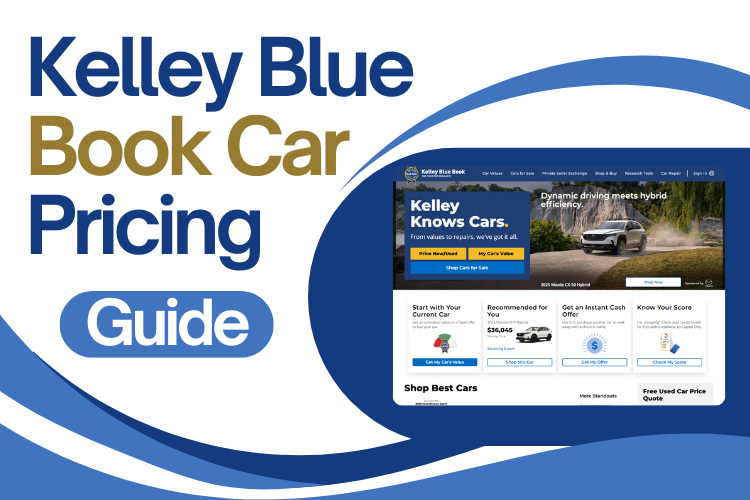
For reliable car values, use well-known sources like Kelley Blue Book, Edmunds, or your country’s official automobile association. For professional appraisers, look for certified members of groups like the International Automotive Appraisers Association.
If you want to see how car values are tracked and why prices change, check out this Kelley Blue Book article.
Frequently Asked Questions
What Is The Difference Between Market Value And Trade-in Value?
Market value is the price you can expect from a private buyer. Trade-in value is what a dealer will offer, which is usually lower because dealers need to make a profit when they resell your car.
How Accurate Are Online Car Appraisals?
Online appraisals are a good starting point. They use average data and can miss unique details about your car’s condition. Always check your car in person and compare with actual market listings.
Should I Fix My Car Before Appraisal?
Small, affordable repairs (like fixing a light or changing oil) can help your appraisal. Expensive repairs might not add enough value to cover the cost, so consider the return on investment.
How Long Does A Professional Appraisal Take?
Most professional appraisals take 1–2 hours, including a test drive and paperwork. The written report usually comes within a day or two.
Can I Sell My Car For More Than The Appraised Value?
Yes, if you find a buyer who really wants your car or if you have unique features. But most buyers will use the appraisal as a price guide, so it’s rare to go much higher.
Getting a fair price for your car starts with a smart, honest appraisal. Understand the process, prepare your car, and use your knowledge to negotiate. With these steps, you’ll sell with confidence and maximize your profit.

Credit: www.buickgmccarlisle.com
