
Keeping your car clean does much more than make it look nice. A regular car wash helps protect your car’s paint, keeps rust away, and can even boost your mood when you drive. But most drivers have questions: How often should you wash your car? What’s the best way to do it? Is it better to wash by hand or go to an automatic car wash? This guide breaks down the answers to these questions and shares expert tips for a better, safer car wash routine. Whether you’re a new car owner or someone who wants to care for an older vehicle, you’ll find practical advice here.
Why Regular Car Washing Matters
Many people think of a car wash as a cosmetic step. In truth, regular car washing is essential for vehicle maintenance. Dirt, road salt, bird droppings, and tree sap can damage your car’s paint. Over time, this can cause rust and lower your car’s resale value. Even something as simple as dust can scratch your paint when you wipe it away. Clean cars are also safer—dirty headlights and windshields reduce your visibility.
A study from the International Carwash Association found that cars in cities with lots of rain or snow needed washes almost twice as often as those in dry climates. Neglecting this basic care can lead to expensive repairs down the road. For example, road salt in winter can cause corrosion underneath your car, affecting the frame and brake lines.
How Often Should You Wash Your Car?
There is no single answer because your car wash frequency depends on several factors:
| Factor | Impact on Wash Frequency | Recommended Wash Interval |
|---|---|---|
| Weather | Rain, snow, and road salt increase need | Every 1-2 weeks |
| Location | Urban and coastal areas have more pollutants | Every 1-2 weeks |
| Parking | Outdoor parking exposes car to sap, bird droppings | Weekly |
| Driving Habits | Highway driving collects more bugs and debris | Every 1-2 weeks |
| Season | Winter requires more frequent washing | Weekly in winter |
For most drivers, washing your car every two weeks is a good rule. In winter or if you live near the ocean, weekly washing is safer. If your car is mostly in a garage and you drive little, once a month may be enough.
Two Non-obvious Insights About Washing Frequency
- Bird droppings and tree sap can damage paint in less than 24 hours. If you see them, wash them off immediately, even if you don’t wash the whole car.
- After rain, you may think your car is clean, but rainwater often leaves behind dust and pollutants. Wash your car soon after heavy rain.
Essential Car Wash Tips
Washing your car may seem simple, but small mistakes can cause scratches or leave dirt behind. Follow these tips for a safer, more effective wash.
1. Use The Right Tools
Avoid using old towels or kitchen sponges. Instead, use a microfiber mitt and dedicated car wash soap. Household detergents are too harsh and can strip wax from your car. Always use two buckets: one for soapy water, one for rinsing your mitt.
2. Wash In The Shade
Sun can dry soap and water too quickly, leaving spots and streaks. Park your car in the shade or wash early in the morning.
3. Start From The Top Down
Always wash the roof first, then move to windows, hood, doors, and finally the lower panels. Dirt and mud collect at the bottom, so clean these areas last to avoid spreading grit.
4. Rinse Thoroughly
Before washing, spray your car with water to remove loose dirt. This step prevents scratches. Rinse again at the end to remove all soap.
5. Use Separate Tools For Wheels
Wheels collect brake dust, which is harsh and can scratch paint. Use a separate brush or sponge only for the wheels.
6. Dry Properly
Letting your car air dry leads to water spots. Use a clean, soft microfiber towel or a car drying blade. Pat dry instead of dragging the towel to avoid fine scratches.
7. Don’t Forget The Undercarriage
In areas with snow and salt, washing the underside is crucial. Some automatic car washes offer this feature. At home, use a hose with good pressure to rinse underneath.
8. Wax For Protection
Waxing every 2-3 months adds a protective layer. It helps repel water and makes your next wash easier. You can use spray wax for a quick boost or paste wax for longer protection.
9. Clean The Windows Last
After the body and wheels, finish with the windows to avoid smears. Use a glass cleaner made for cars.
10. Pay Attention To Details
Clean door jambs, mirrors, and between panels. Dirt in these spots can cause rust. Use a small detailing brush or old toothbrush for tight spaces.
11. Use The Right Amount Of Soap
Too much soap can be hard to rinse off, but too little won’t clean well. Follow the product’s instructions for the correct ratio.
12. Avoid Circular Motions
When washing or drying, use straight lines instead of circles. This reduces the risk of swirl marks, which are common on darker cars.
13. Don’t Wash When The Car Is Hot
Let your car cool if it’s been in the sun or just driven. Heat dries soap quickly and can cause streaks.
14. Inspect For Stubborn Stains
Look for tar, bugs, or sap that regular soap can’t remove. Use a special cleaner or clay bar for these tough spots.
15. Protect The Interior Too
A clean exterior looks good, but dirt inside can damage seats and controls. Vacuum regularly and wipe surfaces with a damp cloth.
16. Check Your Water Quality
Hard water can cause spots and residue. If possible, use filtered or softened water for the final rinse.
17. Don’t Forget The License Plates
These collect dirt fast and can be cleaned with the same soap and brush as your wheels.
18. Be Gentle With Sensors And Cameras
Modern cars have backup cameras and sensors. Avoid spraying high-pressure water directly at them and use a soft cloth to clean.
19. Clean Wiper Blades
Dirty wipers can scratch your windshield. Wipe them gently with a damp cloth after washing your car.
20. Change Your Routine With The Season
In winter, focus on salt removal and undercarriage cleaning. In summer, wash more often to remove pollen and bugs.
Hand Wash Vs. Automatic Car Wash
Both methods have pros and cons. Here’s a comparison to help you choose:
| Method | Pros | Cons |
|---|---|---|
| Hand Wash | Gentle on paint, detailed clean, customizable | Time-consuming, uses more water |
| Automatic (Brush) | Fast, convenient, good for undercarriage | Brushes can cause micro-scratches |
| Automatic (Touchless) | No brushes, less risk of scratches | May not remove heavy dirt or bugs |
| Self-Service Bay | Affordable, flexible, good for quick wash | Requires your own effort, less effective if rushed |
If you love your car’s finish or have a luxury vehicle, a careful hand wash is best. For regular maintenance, modern touchless car washes are safe and quick. If you’re in a hurry, even a basic automatic wash is better than letting grime build up.
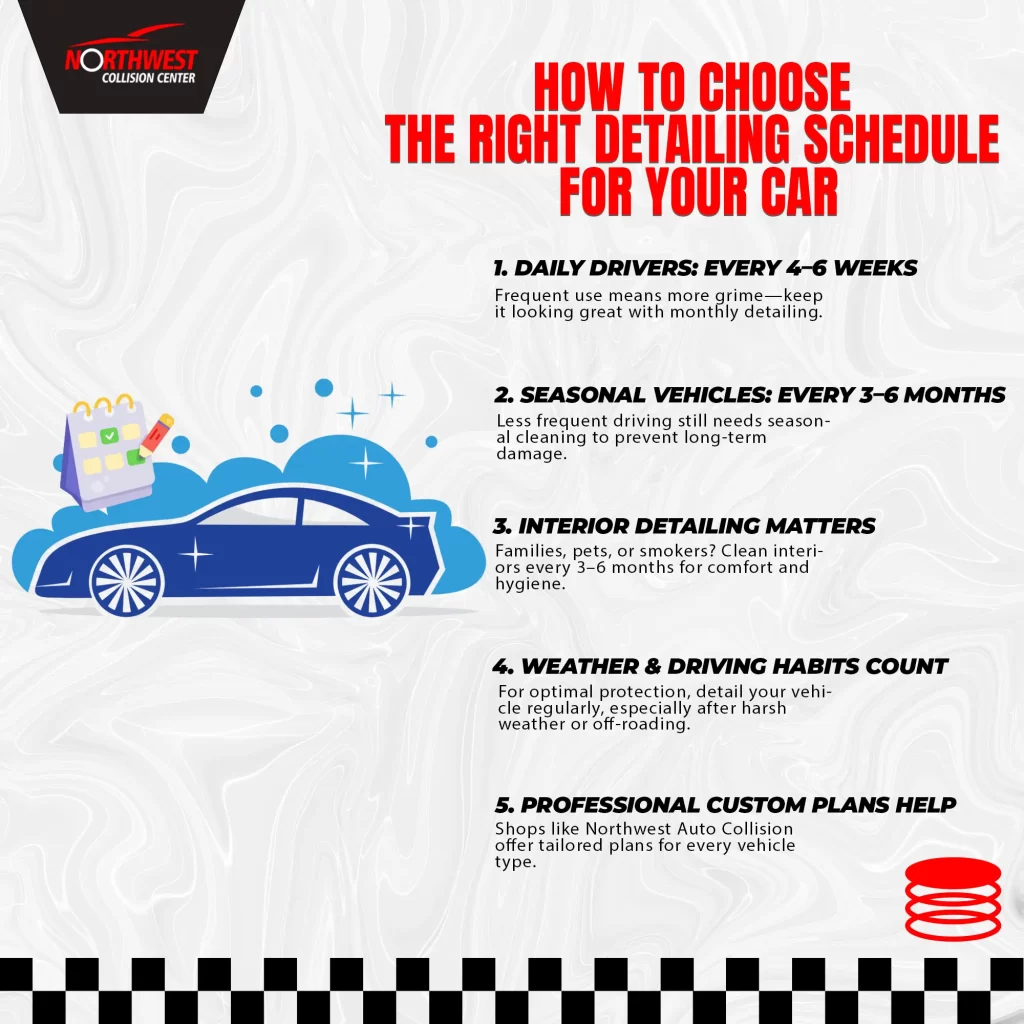
Credit: www.northwestautocollision.com
Common Car Wash Mistakes To Avoid
Even experienced drivers make mistakes that can harm their car’s finish:
- Using dish soap – It strips wax and damages paint.
- Washing with a single bucket – Dirt from the mitt goes back onto the car, causing scratches.
- Skipping the drying step – Water spots can be hard to remove, especially on dark paint.
- Washing in direct sunlight – This leads to streaks and spots.
- Ignoring problem spots – Sap, bugs, and tar need special attention.
- Using rough cloths – Old towels or T-shirts can scratch clear coats.
- Overusing high-pressure spray – It can push water into sensitive areas or sensors.
- Forgetting to clean under the car – Corrosion starts where you can’t see it.
Many people don’t realize that automatic car washes with brushes can cause swirl marks over time. If you must use them, do so rarely and follow up with waxing.
How The Seasons Affect Car Wash Frequency
Your car faces different challenges in each season:
| Season | Main Threats | Washing Tips |
|---|---|---|
| Winter | Road salt, slush | Wash weekly, focus on undercarriage |
| Spring | Pollen, rain | Wash every 2 weeks, remove pollen quickly |
| Summer | Bugs, dust | Wash every 2 weeks, wax for UV protection |
| Fall | Leaves, sap | Wash as needed, check for sap spots |
Winter is the most dangerous time for your car’s metal parts, so make washing a habit after each snowstorm.
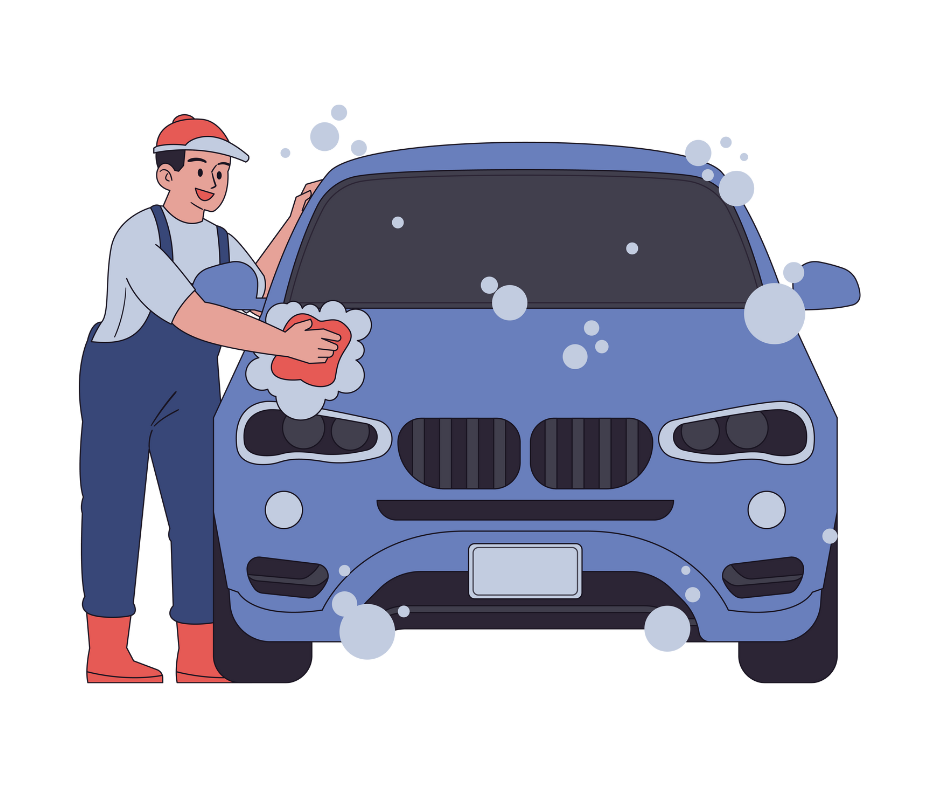
Credit: hsseworld.com
Professional Car Wash Vs. Diy: What To Consider
Some drivers wonder if it’s worth paying for a professional wash. Here are key points to help you decide:
- Convenience: Professional washes save time, especially if you’re busy.
- Expertise: Pros have tools and products for tough stains.
- Cost: DIY is cheaper long-term but takes more effort.
- Water use: Professional washes often recycle water, making them more eco-friendly.
If you have a new car or expensive paint job, some detailers offer paint protection film and ceramic coatings. These make washing easier and add years to your car’s shine. For daily drivers, a careful home wash is enough.
Frequently Asked Questions
How Often Should I Wax My Car After Washing?
Waxing every 2-3 months is enough for most cars. If you drive in harsh conditions or want extra shine, monthly waxing can help. Wax protects your paint from water, dirt, and sun damage.
Is It Bad To Wash My Car Too Often?
No, as long as you use the right tools and products. Washing with proper technique will not hurt your car. In fact, frequent washing is better than letting dirt build up, which can scratch or stain your paint.
Can I Use Household Soap To Wash My Car?
Avoid household soaps like dishwashing liquid. These are too strong for car paint and can remove protective wax. Always use a car wash soap made for vehicles.
What’s The Best Way To Remove Bugs Or Sap From My Car?
Use a bug and tar remover or a clay bar. Apply it to the affected area, let it sit for a minute, and gently wipe away. Don’t scrub hard, as this can scratch the paint.
Should I Wash My Car After It Rains?
Yes. Rainwater leaves behind dirt and pollutants as it dries. Washing your car after rain helps keep your paint in good condition. Try to wash within a day or two of heavy rainfall.
Keeping your car clean isn’t just about looks—it’s a smart way to protect your investment and enjoy every drive. By following these car wash tips and understanding the right frequency, you’ll keep your car looking great for years. For more in-depth care guides, you can visit the Consumer Reports car care section for trusted advice.
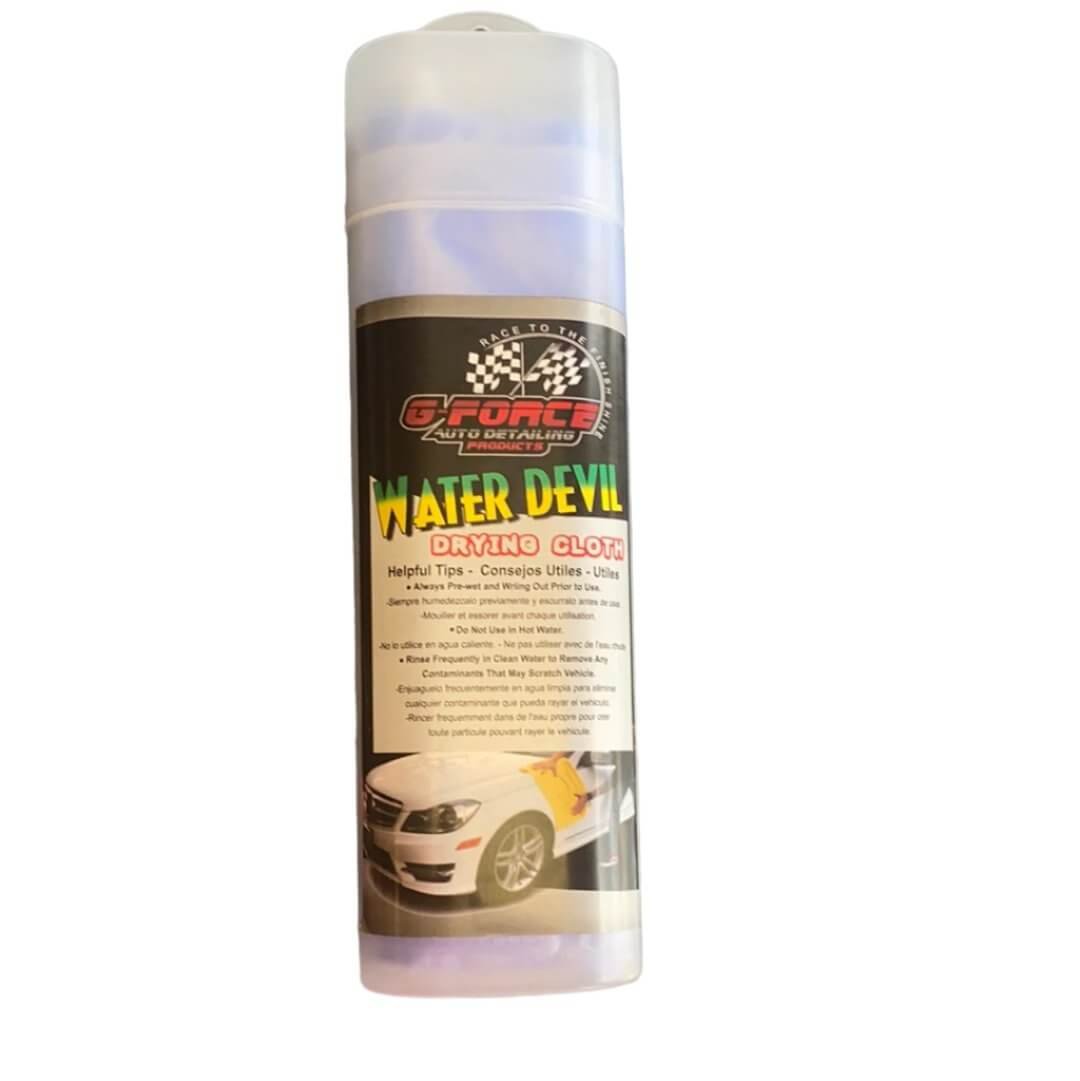
Credit: gforceautodetailing.com
