
When you’re driving and suddenly see the check engine light on your dashboard, it’s normal to feel concerned. Many drivers don’t know exactly what this warning means, especially when it’s related to the oxygen sensor. This small but important part plays a big role in how your car’s engine works. Understanding what the check engine light oxygen sensor warning means can save you time, money, and stress. This article explains everything in clear, simple language—so you can stay confident on the road.
What Is The Oxygen Sensor?
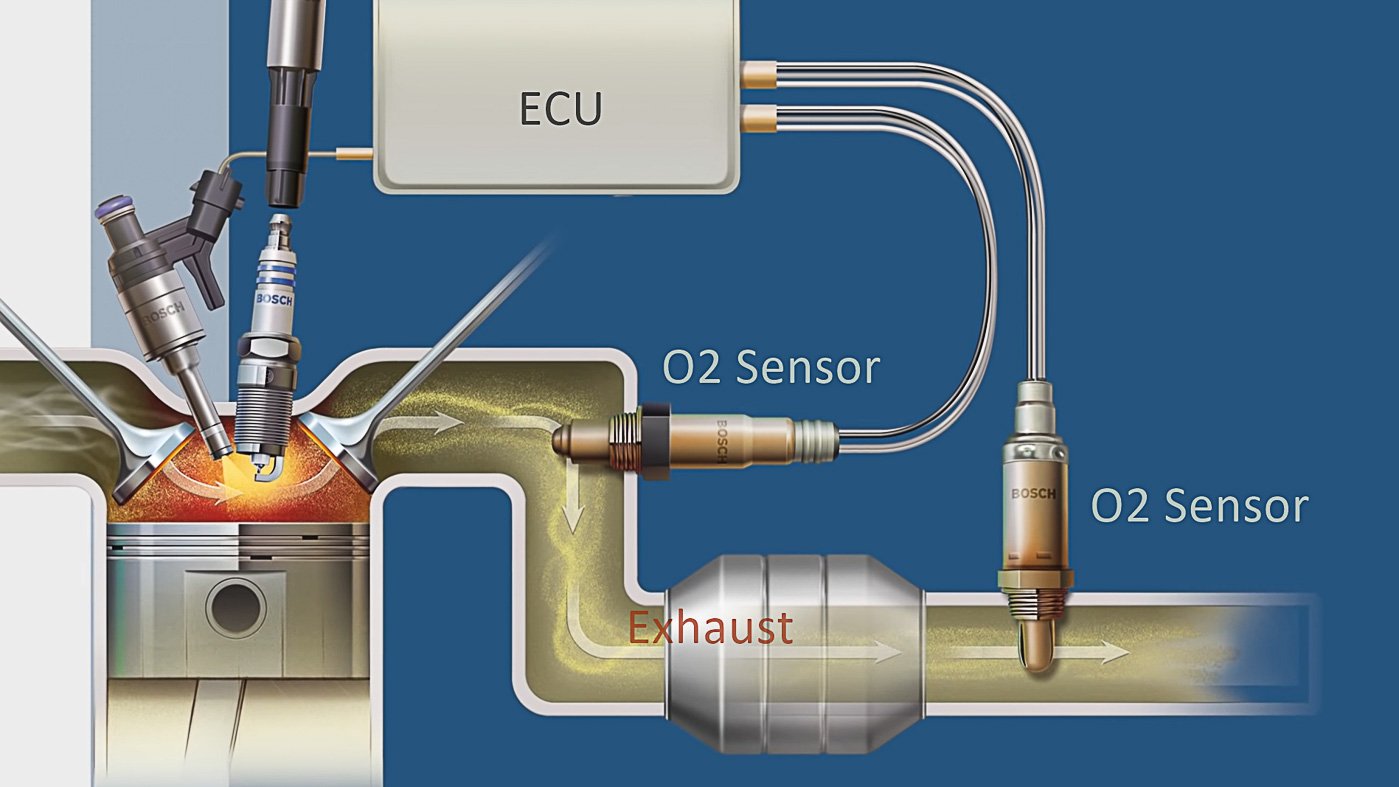
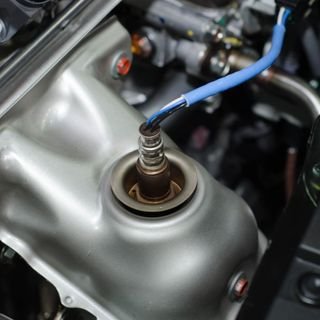
The oxygen sensor is a part in your car’s exhaust system. Its job is to measure how much oxygen is in the exhaust gases that leave the engine. The sensor sends this information to the engine’s computer, also called the Engine Control Unit (ECU). With this data, the ECU knows if the engine is burning fuel too rich (too much fuel) or too lean (not enough fuel).
Most modern cars have at least two oxygen sensors:
- One before the catalytic converter (upstream)
- One after the catalytic converter (downstream)
Some vehicles have four or more, depending on the engine design.
Why Does The Check Engine Light Come On For Oxygen Sensors?
When the ECU detects a problem with the oxygen sensor, it turns on the check engine light. This warning means there’s an issue with how the engine is managing fuel and exhaust gases. Some common reasons include:
- The sensor is dirty or worn out
- The sensor is not sending signals
- The sensor is sending wrong signals
If this problem is ignored, it can lead to bigger and more expensive engine trouble.
How The Oxygen Sensor Works
The oxygen sensor sits in the exhaust pipe. It checks the levels of oxygen in the exhaust compared to outside air. When the sensor sees too much or too little oxygen, it tells the ECU. The ECU then changes the amount of fuel entering the engine.
This adjustment is called fuel trim. It keeps the engine running at the right air-fuel ratio, which is about 14.7 parts air to 1 part fuel in most gasoline engines.
Key Functions:
- Helps control emissions
- Improves fuel economy
- Maintains engine performance
Without a working oxygen sensor, your car will use more fuel and pollute more.
Signs Of A Failing Oxygen Sensor
A bad oxygen sensor can cause many problems. Here are the most common signs:
- Check engine light comes on (often with codes like P0131, P0132, P0135)
- Poor fuel economy
- Rough idling or engine misfires
- Higher emissions (car may fail emission test)
- Black smoke from exhaust
It’s important to fix these problems quickly to avoid engine damage.
What Causes Oxygen Sensor Problems?
Several things can damage or wear out an oxygen sensor:
- Age and mileage: Most sensors last 60,000 to 100,000 miles.
- Contaminated fuel: Leaded gasoline, oil leaks, or coolant leaks can damage the sensor.
- Bad spark plugs: These cause misfires, which send unburned fuel to the sensor.
- Exhaust leaks: These let outside air in, confusing the sensor readings.
Sometimes, a sensor simply gets old and loses accuracy.
How To Diagnose Check Engine Light Oxygen Sensor Issues
Diagnosing the exact cause is important before replacing anything. Here’s how professionals and DIYers can check:
- Read the error codes with an OBD-II scanner. Common codes for oxygen sensors include P0130–P0167.
- Check the sensor’s wiring. Broken or corroded wires can cause false readings.
- Inspect for exhaust leaks. A leak before the sensor can trick it into reading extra oxygen.
- Test sensor voltage. Mechanics use a multimeter to check if the sensor is sending the correct signals.
If you’re not comfortable with these steps, a trusted mechanic can help.
Example Error Codes Table
Here’s a quick comparison of common O2 sensor error codes:
| Code | Meaning | Location |
|---|---|---|
| P0130 | O2 Sensor Circuit Malfunction | Bank 1, Sensor 1 |
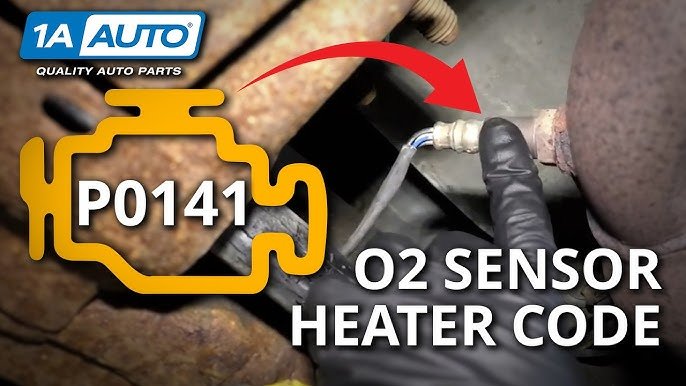
| P0141 | O2 Sensor Heater Circuit Malfunction | Bank 1, Sensor 2 |
| P0155 | O2 Sensor Heater Circuit Malfunction | Bank 2, Sensor 1 |
The Risks Of Ignoring A Bad Oxygen Sensor
Some drivers think the check engine light is not urgent, but this can be a big mistake. Driving with a faulty oxygen sensor can cause:
- Reduced fuel efficiency: You may spend much more on gas.
- Catalytic converter damage: This part is expensive to replace.
- Poor engine performance: The car may run rough or lose power.
- Failed emissions test: In many places, you can’t renew your car registration if your car fails.
Replacing a sensor ($50-$200) is much cheaper than replacing a catalytic converter ($1000+).
How To Replace An Oxygen Sensor
Replacing an oxygen sensor is a common repair. Some people do it themselves, while others prefer a mechanic. Here’s a general guide for DIY replacement:
- Let the engine cool down.
- Disconnect the negative battery cable.
- Locate the faulty sensor (use code reader to find the exact one).
- Unplug the sensor’s electrical connector.
- Use an oxygen sensor socket to unscrew the sensor.
- Install the new sensor and tighten securely.
- Reconnect the connector.
- Reconnect the battery and clear the code with a scanner.
Most replacements take about 30–60 minutes. But, sensors can be very tight or rusty, so sometimes a mechanic is the better choice.
Credit: autobuzz.my
Choosing The Right Replacement Oxygen Sensor
Not all sensors are the same. When buying a new one, consider:
- Direct fit vs. universal: Direct fit sensors are made for your car model. Universal sensors may need splicing wires.
- Heated vs. non-heated: Most modern sensors are heated (they warm up quickly for accurate readings).
- Quality and brand: Stick to well-known brands for reliability.
Check your owner’s manual or ask a parts specialist if you’re not sure.
Example Comparison Table: Oxygen Sensor Types
| Type | Pros | Cons |
|---|---|---|
| Direct Fit | Easy install, correct connector | Usually more expensive |
| Universal | Cheaper, fits more models | May require wire splicing |
Practical Tips For Oxygen Sensor Maintenance
You can’t always prevent sensor failure, but these tips help:
- Use quality fuel and change your oil on time.
- Fix oil or coolant leaks quickly.
- Replace spark plugs and air filters as recommended.
- If your check engine light blinks, stop driving and get help—this means a serious problem.
Many drivers don’t realize a weak battery or bad alternator can also cause sensor errors. Keeping your car’s electrical system healthy helps sensors work correctly.
Real-world Example: How A Bad Oxygen Sensor Costs More
Consider this: Maria drove her car with the check engine light on for months. She noticed she was buying more gas, and the engine felt rough. At her next inspection, her car failed the emissions test. The mechanic found a bad downstream oxygen sensor and a damaged catalytic converter. If Maria had fixed the sensor earlier, she would have spent about $120 instead of over $1,500. According to the U.S. Environmental Protection Agency, vehicle emissions standards and onboard diagnostic systems are designed to identify problems that can increase pollution.
Insight: Replacing a sensor quickly can prevent bigger problems and save a lot of money.
Common Mistakes When Dealing With Oxygen Sensor Problems
- Ignoring the light: Some people wait until the car breaks down.
- Replacing the wrong sensor: Many cars have more than one. Always check which one is faulty.
- Buying cheap, low-quality sensors: These can fail sooner and cause more trouble.
- Not checking for other problems: A bad sensor can sometimes be a symptom, not the main cause.
Professional diagnosis is sometimes best, especially with modern cars.
How The Oxygen Sensor Affects Emissions And Fuel Economy
The oxygen sensor is a key part of your car’s emissions system. When it works well, your car runs cleaner and uses less fuel. If it fails, emissions of carbon monoxide, hydrocarbons, and nitrogen oxides go up. These gases are bad for the environment and your health.
Quick Data Table: Effects Of A Bad Oxygen Sensor
| Problem | Effect on Car | Effect on Emissions |
|---|---|---|
| Rich fuel mix | Lower MPG, rough idle | Higher CO, HC |
| Lean fuel mix | Engine hesitation, misfire | Higher NOx |
Replacing a bad sensor can improve gas mileage by up to 40% in some cases.
When To Seek Professional Help
While many car owners can replace an oxygen sensor, some situations require a professional:
- If the sensor is hard to reach or rusted in place
- If you see multiple error codes
- If repairs don’t turn off the check engine light
Mechanics have special tools and can check if there are other engine problems.
Credit: www.youtube.com
Trusted Resources And Further Reading
For more technical details about oxygen sensors and car diagnostics, you can visit this Wikipedia page. It explains sensor types, history, and more for those who want to learn deeper.
Frequently Asked Questions
What Does The Check Engine Light Mean When It’s Related To The Oxygen Sensor?
It means the car’s computer found a problem with the sensor or its circuit. The engine may not run as well and could use more fuel or pollute more.
How Long Can I Drive With A Faulty Oxygen Sensor?
You can drive for a while, but it’s not safe or smart. The car will use more gas, pollute more, and risk damaging other parts. Fix it soon.
Can I Clean An Oxygen Sensor Instead Of Replacing It?
In most cases, cleaning does not fix the problem. Once a sensor is worn out or damaged, it should be replaced.
How Much Does It Cost To Replace An Oxygen Sensor?
Most replacements cost between $50 and $200 for parts. Labor can add $50 to $150, depending on your car and location.
Do I Need A Special Tool To Replace An Oxygen Sensor?
Yes, most sensors need an oxygen sensor socket (a type of wrench). It helps remove and install the sensor without damaging it.
Paying attention to your car’s check engine light and understanding the role of the oxygen sensor helps you avoid bigger problems. A quick fix now can prevent expensive repairs later and keeps your car running smoothly for years to come.
Credit: www.fcmuffler.com
