
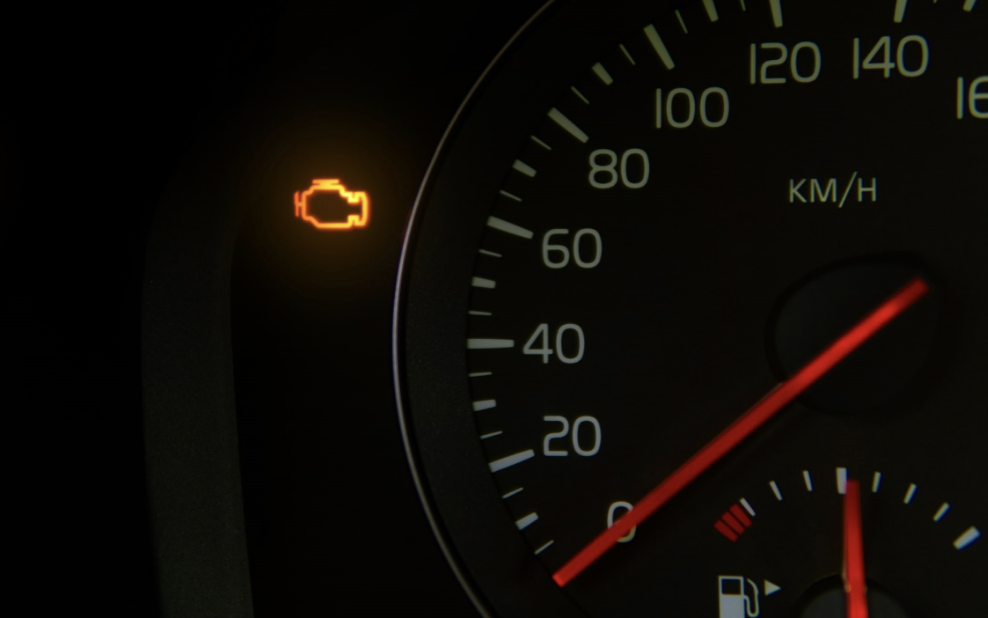
When the check engine light appears on your dashboard and your car suddenly loses power, it can feel alarming. Drivers often wonder, “Is my engine about to fail?” or “Will my car stop in the middle of the road?” This warning light doesn’t just signal a minor issue. Sometimes, it means something in the engine or related systems is causing your car to run poorly. Understanding why the check engine light and power loss happen together can help you fix the problem faster and avoid expensive repairs.
This guide explains the main causes, the signs to look for, and what you should do next. Even if you’re not a car expert, you’ll find the information clear and practical. By the end, you’ll know why these issues happen, what steps to take, and how to avoid common mistakes that might cost you time and money.
Why The Check Engine Light And Power Loss Happen Together
Your car’s computer (ECU) monitors many sensors and systems. When something goes wrong, it triggers the check engine light. If the problem is serious enough to affect performance, you’ll often notice power loss—the car feels sluggish, struggles to accelerate, or won’t go above certain speeds. This is sometimes called “limp mode.” The main reason? The car is trying to protect the engine or transmission from damage.
Two or more systems can be related. For example, if a sensor fails, the car may not know how much fuel or air to use. If a critical part (like the turbocharger or fuel pump) develops a fault, your car might reduce power to prevent engine damage.
Let’s look at the most common causes.
Common Causes Of Check Engine Light With Power Loss
1. Faulty Oxygen Sensor
The oxygen sensor measures the amount of oxygen in the exhaust. If it sends wrong data, the engine might use too much or too little fuel. This causes poor performance, rough idling, and power loss. Modern cars can have two or more oxygen sensors. Replacing a faulty sensor quickly can improve both fuel economy and power.
2. Failing Mass Air Flow (maf) Sensor
The MAF sensor tells the car how much air is entering the engine. If it gets dirty or fails, the computer can’t balance air and fuel properly. This leads to hesitation, poor acceleration, and sometimes stalling. Cleaning the sensor might help, but sometimes replacement is needed.
3. Bad Spark Plugs Or Ignition Coils
When spark plugs or ignition coils wear out, the engine misfires—one or more cylinders fail to ignite the air/fuel mix. This causes rough running, shaking, and a big drop in power. Misfires can also damage the catalytic converter. It’s wise to check and change spark plugs regularly, especially if your car has more than 60,000 miles.
4. Clogged Fuel Filter
A clogged fuel filter restricts the flow of gasoline to the engine. This means less power, especially when you try to accelerate or climb hills. If you’ve never changed your fuel filter, or you use low-quality gas, this is a likely cause. Most mechanics recommend changing the filter every 20,000 to 40,000 miles.
5. Failing Fuel Pump
The fuel pump delivers gasoline from the tank to the engine. If it’s weak or failing, you’ll notice power loss, especially when the car is under load. Sometimes, the engine won’t start at all. A whining noise from the fuel tank area is a common sign of a tired fuel pump.
6. Dirty Or Failing Throttle Body
The throttle body controls how much air goes into the engine. Dirt or carbon build-up prevents it from opening and closing smoothly. This leads to rough idle, hesitation, and loss of power. Cleaning the throttle body can often restore normal function.
7. Clogged Or Failing Catalytic Converter
The catalytic converter filters harmful gases from the exhaust. If it gets blocked, exhaust gases can’t escape. The engine chokes, loses power, and the check engine light comes on. Driving with a clogged converter is dangerous, as extreme heat can cause a fire.
8. Turbocharger Or Supercharger Problems
For cars with a turbocharger or supercharger, any failure means less air (and power) for the engine. Boost leaks, worn bearings, or damaged blades all trigger warning lights and a sharp drop in performance. If you hear whistling, rattling, or see smoke, get your car checked immediately.
9. Transmission Issues
Some transmission problems can activate the check engine light and cause power loss. Examples include slipping gears, low transmission fluid, or electronic control faults. You may notice delayed shifting or a “stuck” gear.
10. Engine Timing Problems
Timing belts or chains keep the engine’s valves and pistons moving in sync. If the timing slips, power drops and the check engine light appears. A broken timing belt can destroy the engine. Listen for rattling or ticking noises, and replace belts and chains at the intervals in your owner’s manual.
11. Sensor Failures (other Than Maf/o2)
Modern cars rely on many sensors: camshaft position, crankshaft position, knock sensors, etc. Failure of any sensor can cause the computer to limit power as a safety measure. Usually, a diagnostic code will tell you which sensor is at fault.
12. Vacuum Leaks
A vacuum leak allows unmetered air into the engine. This confuses the computer, leading to power loss, rough idle, and sometimes stalling. Common causes are cracked hoses, gaskets, or intake manifold leaks. A mechanic can use smoke testing to find leaks.
13. Egr Valve Problems
The Exhaust Gas Recirculation (EGR) valve helps control emissions. If it sticks open or closed, the engine can lose power, idle roughly, or stall. Cleaning or replacing the valve usually fixes the issue.
14. Low Compression
Low compression means one or more cylinders aren’t sealing properly. This is often due to worn piston rings, valves, or a blown head gasket. Symptoms include power loss, misfire, and sometimes white smoke from the exhaust. Repair can be complex and expensive.
15. Battery And Charging Issues
A weak battery or failing alternator can cause many electronic faults, including loss of power and a check engine light. Dim lights, slow cranking, or warning lights on the dash are clues. Always check the battery and charging system if you have multiple warning lights.
16. Faulty Engine Control Unit (ecu)
A rare but possible cause is a faulty ECU. If the computer itself fails or develops a software problem, it can mismanage fuel, air, and spark—leading to warning lights and poor performance. Reflashing or replacing the ECU may be required.
17. Poor Quality Fuel Or Contamination
Bad gasoline, water in the tank, or contamination with diesel can all cause misfires, stalling, and power loss. If you recently filled up before the problem started, consider draining the tank and refilling with high-quality fuel.
18. Failing Sensors In Hybrid/electric Cars
For hybrid or electric vehicles, unique sensors and control units can also cause power loss and warning lights. Examples include high-voltage battery sensors, inverter faults, or cooling system problems. Special diagnostic tools are needed for these cars.

Credit: www.youtube.com
Early Warning Signs To Watch For
You can often spot trouble before the check engine light and power loss occur:
- Rough idle or shaking when stopped
- Slow acceleration or hesitation
- Unusual noises (rattling, whining, popping)
- Poor fuel economy
- Strong exhaust smells or visible smoke
Don’t ignore these signs. Early diagnosis usually means a cheaper repair.
Steps To Diagnose And Fix The Problem
If your check engine light is on and your car has lost power, here’s what you should do:
- Stop in a safe place. If power loss is severe, don’t continue driving.
- Check for obvious problems. Open the hood and look for loose wires, broken hoses, or fluid leaks.
- Note any other warning lights. Transmission, oil, or battery lights provide helpful clues.
- Use an OBD-II scanner. Plug in a code reader to find out which system is at fault. Many auto parts stores will do this for free.
- Address simple fixes first. Replace dirty air filters, check spark plugs, or tighten loose battery cables.
- Get professional help for complex issues. If you see codes for the catalytic converter, ECU, or low compression, have a mechanic diagnose the car.
Example: Diagnosing A Power Loss On A 2015 Toyota Corolla
- Symptoms: Check engine light, low power, rough idle
- Scan tool code: P0171 (System too lean)
- Inspection: Found a cracked vacuum hose
- Fix: Replaced hose, cleared code. Car ran normally after.

Credit: www.youtube.com
Cost Comparison: Common Repairs
Here is a simple comparison of what you might pay for common fixes:
| Repair | Average Cost (USD) | DIY Difficulty |
|---|---|---|
| Spark plug replacement | $100-$200 | Easy |
| Oxygen sensor | $150-$300 | Moderate |
| Fuel pump | $400-$900 | Hard |
| Catalytic converter | $1000-$2500 | Very hard |
How To Prevent Check Engine Light And Power Loss
You can prevent many issues by following basic maintenance. Here are the most effective habits:
- Change oil and filters on schedule.
- Use high-quality fuel and avoid letting the tank run dry.
- Replace spark plugs and sensors as recommended.
- Inspect hoses and belts at every service.
- Listen for unusual sounds and act quickly.
Prevention is cheaper than repair. For more tips, see the National Highway Traffic Safety Administration for recall information and safety updates.
Credit: www.cbac.com
Data: Most Frequent Causes By Vehicle Age
The most common causes change as your car gets older. Here’s a breakdown:
| Vehicle Age | Most Likely Cause | Why? |
|---|---|---|
| 0-3 years | Sensor faults, fuel quality | New parts can fail early; bad gas more likely |
| 3-8 years | Spark plugs, fuel filters | Wear and tear on common parts |
| 8+ years | Catalytic converter, fuel pump, vacuum leaks | Major components aging or clogged |
What Not To Do: Common Mistakes
Many drivers make these errors when the check engine light comes on:
- Ignoring the warning. Driving too long with power loss can cause bigger damage.
- Disconnecting the battery to reset the light. This may hide the problem but won’t fix it.
- Adding fuel additives without knowing the real cause. Some additives can make problems worse.
- Guessing and replacing parts at random. Always use a scan tool or get a professional diagnosis.
Frequently Asked Questions
Why Does My Car Go Into “limp Mode” With The Check Engine Light?
When your car detects a serious problem, it limits engine power to protect vital parts. This is called limp mode. It’s a built-in safety feature to help you reach a repair shop before further damage happens.
Can I Keep Driving If The Check Engine Light Is On And I Lose Power?
If the car drives normally, you may continue to a repair shop. But if you notice power loss, shaking, or strange noises, stop and get your car checked right away. Driving with these symptoms risks more damage.
What Is The Most Expensive Cause Of Check Engine Light Power Loss?
A failed catalytic converter or engine with low compression is often the most expensive to repair. These issues can cost over $1,000, sometimes much more if other parts are damaged.
Will A Cheap Obd-ii Code Reader Help Me Diagnose The Issue?
Yes, a basic OBD-II scanner can read most fault codes. It won’t fix the problem, but it helps you or your mechanic find the cause faster. Many auto parts stores will scan for free.
Are Check Engine Light And Power Loss Always Related?
Not always. Sometimes, the light comes on for a minor sensor issue, with no effect on power. But when both happen together, it usually means a more serious problem that needs attention soon.
If you understand the possible causes, act quickly, and avoid common mistakes, you can protect your engine and your wallet. Remember, the check engine light with power loss is your car’s way of asking for help—don’t ignore it.
