
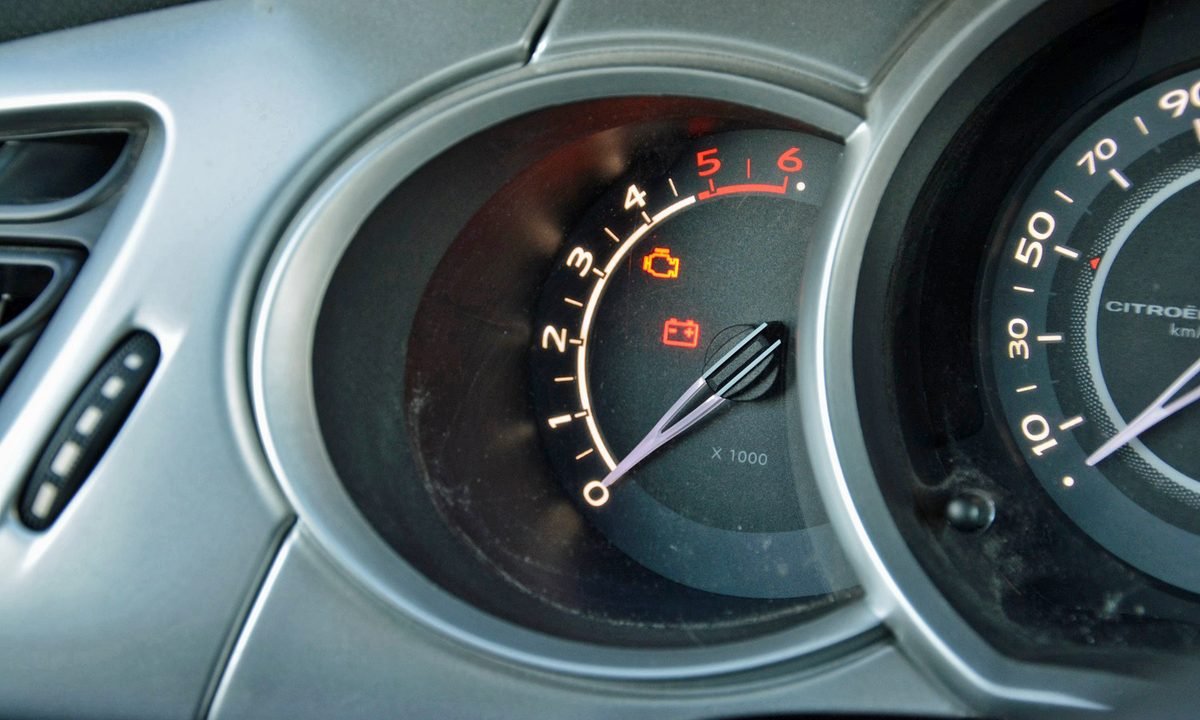
The engine is shaking a little. The idle is not smooth. Then the dashboard lights up with a check engine warning. This is a common and stressful moment for many drivers. The good news is that Check Engine Light and Rough Idle often point to a problem that can be found and fixed before it becomes expensive.
Sometimes the cause is simple, like a loose gas cap or old spark plugs. Sometimes it is more serious, like a vacuum leak, a bad sensor, or a fuel delivery problem. The key is to understand what the car is telling you and what to check first.
In this guide, you will learn the most common causes, how to narrow them down, what fixes usually work, and when the problem means you should stop driving and get help right away.
What rough idle actually means
Idle is the way your engine runs when the car is on but you are not pressing the gas pedal. A healthy engine should idle smoothly. You may hear a steady sound, feel only a small vibration, and see stable RPM on the gauge.
Rough idle means the engine is not running evenly at low speed. You may feel shaking, stumbling, surging, or a near-stall. Sometimes the RPM jumps up and down. In some cases, the car may be hard to start and then settle into an uneven idle once it finally turns on.
When the check engine light comes on with rough idle, the car has usually found a fault that affects air, fuel, or spark. That is why the two symptoms often appear together.
Common signs that the idle is not normal
- Steering wheel, seat, or dashboard vibration at stop lights
- Engine shaking more than usual in Park or Drive
- RPM fluctuating up and down
- Engine almost stalling at red lights
- Uneven sound from the exhaust
- Car runs better when you press the gas
Why the check engine light and rough idle often happen together
The engine needs the right mix of air, fuel, and spark to run well. At idle, that balance becomes more sensitive. Even a small issue can cause a visible problem.
For example, a tiny vacuum leak may not matter much at highway speed. But at idle, the engine receives too much extra air. That can make the mixture too lean and cause shaking or misfires. The same is true for weak spark plugs, dirty fuel injectors, or a sensor that sends the wrong signal.
Modern cars also monitor engine performance closely. If the computer sees a problem, it turns on the check engine light and stores a code. That code is not the full answer, but it is the first clue.
Most common causes of check engine light and rough idle
There are many possible causes, but a few show up again and again. Some are simple and low-cost. Others take more testing.
1. Worn or fouled spark plugs
Spark plugs create the spark that lights the fuel inside the cylinder. If they are old, dirty, or worn out, the engine may misfire. Misfires often feel strongest at idle because the engine is under less load and every small weakness becomes obvious.
You may also notice poor fuel economy, hesitation, or a flashing check engine light in serious cases.
2. Bad ignition coils
Ignition coils send power to the spark plugs. If one coil is weak or failing, the engine may run unevenly. This can happen at idle or when accelerating.
A bad coil often causes a specific cylinder misfire, which may be stored in the computer as a code like P0301 or P0302.
3. Vacuum leaks
Vacuum leaks are one of the most common hidden causes of rough idle. A cracked hose, bad intake gasket, or loose connection lets unmeasured air into the engine. The engine computer then struggles to keep the air-fuel mix correct.
Many drivers miss this because the car may still drive fairly well at higher speeds. The problem shows up most clearly when the engine is idling.
4. Dirty or failing mass airflow sensor
The mass airflow sensor measures how much air enters the engine. If it becomes dirty or fails, the computer may calculate the wrong fuel amount. This can lead to rough idle, hesitation, or stalling.
A dirty sensor is sometimes fixable with proper cleaning, but a damaged sensor usually needs replacement.
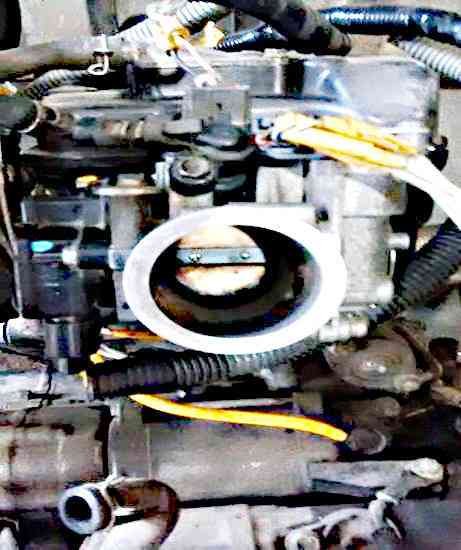
5. Dirty throttle body
The throttle body controls airflow into the engine. Over time, carbon buildup can collect around it. That buildup can block smooth airflow at idle and make the engine shake or surge.
This issue is common on higher-mileage cars and is often overlooked because the car may seem fine at speed.
6. Fuel system problems
Low fuel pressure, clogged fuel injectors, or a weak fuel pump can all cause rough idle. If the engine is not getting enough fuel, it may stumble or misfire.
A dirty injector may not spray fuel evenly. At idle, that uneven spray can be enough to make the engine run badly.
7. Faulty oxygen sensor
Oxygen sensors help the engine adjust the fuel mixture. If one sends wrong data, the car may run too rich or too lean. That can cause rough idle and trigger a check engine light.
These sensors often fail from age, heat, or contamination.
8. EGR valve issues
The exhaust gas recirculation valve helps control emissions by routing a small amount of exhaust back into the engine. If it sticks open, too much exhaust enters at idle and the engine may run poorly or stall.
9. Loose or bad gas cap
This is a simple one, but it matters. A loose gas cap can trigger an emissions code and turn on the check engine light. It usually does not cause a rough idle by itself, but it can confuse the diagnosis if another minor issue is present too.
10. Engine mechanical problems
Sometimes the problem is not sensors or fuel at all. Low compression, worn engine parts, or internal damage can also cause rough idle and a warning light. These are less common, but they matter if the basic checks do not solve the issue.
What the codes can tell you
An OBD2 scanner can read the trouble code stored by the car’s computer. That code does not always tell you the exact bad part, but it usually points you in the right direction.
For example, a misfire code may tell you which cylinder is affected. A lean code may suggest a vacuum leak or fuel issue. A throttle or airflow code may point toward intake problems or a sensor issue.
If you want a deeper reference on diagnostic trouble codes and emissions systems, a trusted source like the U.S. Environmental Protection Agency can be helpful.
| Common code type | What it often means | Possible rough idle link |
|---|---|---|
| P0300 to P030x | Random or cylinder misfire | Very common |
| P0171 / P0174 | System too lean | Often vacuum leak or fuel issue |
| P0101 | Mass airflow sensor performance | Possible rough idle and hesitation |
| P0128 | Engine not reaching proper temperature | May affect idle quality in some cars |
| P0420 | Catalyst efficiency issue | Usually not the first cause, but may appear after misfires |

Credit: hcsrepair.com
How to check the problem step by step
You do not need to be a mechanic to do a few smart checks. Start with simple, visible things before replacing parts.
1. Check if the gas cap is tight
Make sure the cap is secure and not cracked. If it looks damaged, replace it with the correct type for your car.
2. Look for obvious vacuum hose damage
Open the hood and inspect rubber hoses for cracks, loose ends, or disconnections. Even a small split can cause a rough idle.
3. Notice when the rough idle happens
Does it happen only when the engine is cold? Only with the air conditioner on? Only in Drive and not in Park? These clues matter.
Non-obvious insight: A rough idle that gets worse after the engine warms up can point to sensor or fuel trim problems. A rough idle that is worst when cold may point more toward ignition, vacuum leaks, or temperature-related issues.
4. Read the codes with a scanner
A small OBD2 scanner can give you the codes. Write them down before clearing anything. The stored and pending codes are often useful together.
5. Check for engine misfires
If the car shakes more at idle and smooths out when revved slightly, a misfire is likely. This is a strong clue toward spark plugs, coils, injectors, or vacuum leaks.
6. Inspect air intake parts
Look at the air filter box, intake hose, and clamps. A loose hose after the airflow sensor can let in extra air and create bad idle behavior.
Non-obvious insight: Small air leaks after the airflow sensor are often harder to notice than broken hoses. The engine can still breathe enough to run, but the computer gets the wrong air reading and keeps adjusting fuel in the wrong direction.
Fixes that often solve the issue
The right fix depends on the cause, but these are the repairs most often used for rough idle and warning lights.
Credit: digitaltrends.com
Replace spark plugs if they are worn
If the plugs are old or fouled, replacing them is often one of the best first repairs. Always use the correct plug type and gap for your engine.
Replace a weak ignition coil
If a code points to one cylinder and swapping coils moves the misfire, the coil is likely the issue. This is a common and practical test on many cars.
Repair vacuum leaks
Fix cracked hoses, replace damaged gaskets, and tighten loose intake connections. This often restores smooth idle quickly.
Clean or replace the throttle body
If carbon buildup is the problem, cleaning the throttle body can help. In some cars, the idle may need to relearn after the cleaning.
Clean the mass airflow sensor carefully
Use only proper MAF cleaner. Do not touch the sensing element. If cleaning does not help, replacement may be needed.
Clean fuel injectors or service the fuel system
If injectors are dirty, a fuel system cleaning may help. If the fuel pump or pressure regulator is weak, those parts may need testing and replacement.
Replace a failing sensor
Bad oxygen sensors, throttle position sensors, or coolant temperature sensors can all affect idle quality. The key is to confirm the problem before replacing parts at random.
Problems that are easy to misdiagnose
Some causes look similar, so many drivers replace the wrong part first. That wastes money.
Misfire versus vacuum leak
Both can make the engine shake at idle. A misfire often feels like a sharp stumble or loss of power from one cylinder. A vacuum leak often creates a lean condition with high or unstable idle speed.
Dirty throttle body versus bad sensor
Both can cause unstable idle. But if the engine runs badly mostly when the throttle is closed, carbon buildup is a strong suspect. If the problem comes with specific sensor codes, testing the sensor first makes more sense.
Fuel issue versus ignition issue
Both can cause rough idle and misfires. A simple clue is this: if the problem is strongest under load and at acceleration, fuel delivery may be more likely. If it is worst at idle and low speed, ignition or air leak issues are often higher on the list.
When it is safe to keep driving
Not every check engine light means emergency. Some problems are annoying but not dangerous right away.
You may be able to drive a short distance if the car is still running smoothly enough, the light is steady, and there are no strange noises, overheating, or strong fuel smells. Even then, you should schedule a proper diagnosis soon.
If the engine is only slightly rough and the car drives normally, it may be safe to go straight to a repair shop. But do not ignore it for long. Small faults often become larger ones.
When you should stop driving
Some warning signs mean the car should not stay on the road.
- The check engine light is flashing
- The engine is shaking badly
- The car loses power suddenly
- You smell raw fuel
- The engine overheats
- The car stalls in traffic
A flashing check engine light often means a severe misfire. That can damage the catalytic converter very quickly. In that case, stop driving if you can do so safely.
How much repairs may cost
Repair cost depends on the cause, the car, and labor rates in your area. Still, rough ranges can help you plan.
- Spark plugs: Often low to moderate cost
- Ignition coils: Moderate cost, especially if more than one is needed
- Vacuum leak repair: Can be low cost or moderate, depending on access
- Throttle body cleaning: Usually lower cost
- Sensor replacement: Moderate cost, but parts quality matters
- Fuel pump or injector service: Can become expensive
The cheapest repair is not always the right first step. Diagnosis matters more than guessing.
Smart habits that prevent the problem
Many cases of rough idle begin with maintenance that was delayed too long.
Credit: axleaddict.com
Follow the service schedule
Replace spark plugs, filters, and fluids on time. Small maintenance items protect the larger engine system.
Use good fuel
Fuel from trusted stations helps reduce buildup in injectors and intake parts. This does not prevent every issue, but it helps.
Do not ignore small idle changes
If the car starts idling a little rough, take note early. A weak coil or small leak is easier to fix than a chain of related problems later.
Keep battery and charging system healthy
Low voltage can sometimes cause strange sensor readings and poor idle behavior. This is not the most common cause, but it is worth checking if the electrical system is weak.
What to remember before replacing parts
One of the biggest mistakes drivers make is replacing parts based on guesswork. A code tells you where to look, not always what part to buy.
For example, a misfire code does not always mean the spark plug is bad. It could be the coil, injector, vacuum leak, compression issue, or wiring problem. The smartest path is to verify the cause before spending money.
If you hear one strong lesson from this guide, let it be this: Check Engine Light and Rough Idle are symptoms, not the diagnosis. The right fix comes from reading the clues in the right order.
Final thoughts
A rough idle with a check engine light can feel alarming, but it is often manageable when handled early. Start with simple checks, read the codes, and focus on the most likely causes first. Spark plugs, ignition coils, vacuum leaks, dirty airflow parts, and fuel issues are the main places to look.
Do not keep driving if the light flashes, the engine shakes hard, or the car stalls. In those cases, the risk of bigger damage is real. With fast attention and a sensible diagnosis, many of these problems can be fixed without major cost.
FAQs
1. Can a loose gas cap cause rough idle?
A loose gas cap can turn on the check engine light, but it usually does not cause rough idle by itself. If both happen at once, there is often another problem too.
2. Why is my car rough at idle but drives fine when moving?
This often points to a vacuum leak, dirty throttle body, weak spark plug, or another issue that shows up most at low engine speed. Idle is when small problems are easier to notice.
3. Is it safe to drive with a rough idle and check engine light on?
If the light is steady and the car still drives normally, short trips may be okay. If the light flashes, the engine shakes hard, or the car stalls, stop driving and get help.
4. Can bad spark plugs cause a flashing check engine light?
Yes. Bad spark plugs can cause misfires, and serious misfires can make the check engine light flash. This should be checked quickly to avoid damage.
5. What is the first thing I should check?
Start with the gas cap, visible vacuum hoses, and a code scan. These simple checks often give the first clear clue and can save time and money.