
If you’re driving and suddenly see the check engine light turn on, and at the same time notice smoke from your exhaust, it’s a clear sign something is wrong. Many drivers feel anxious when they see this. Is it safe to keep driving? Will it damage your car? How expensive will the repair be? These are normal questions. The truth is, check engine lights and exhaust smoke are both warning signs, but together, they often mean you need to act quickly.
This article will explain what causes the check engine light and smoke from the exhaust, what the color of the smoke means, and what you should do next. It will also cover how to diagnose the problem, common mistakes people make, and when you need a mechanic.
With this guide, you’ll have the knowledge to handle the situation with confidence.
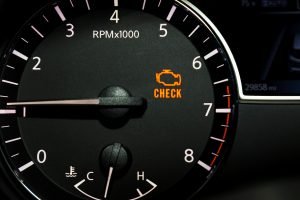
What The Check Engine Light Means
The check engine light (CEL) is part of your car’s on-board diagnostics system (OBD). When the car’s computer senses a problem that could affect emissions, performance, or engine health, it turns on this light. It could be something simple, like a loose gas cap, or something serious, such as engine misfires or a failing sensor.
But when the check engine light appears together with smoke from the exhaust, the problem is more urgent. The combination suggests an issue with how fuel, air, or oil is burning inside the engine. Ignoring these signs can lead to major engine damage or even make your car unsafe to drive.
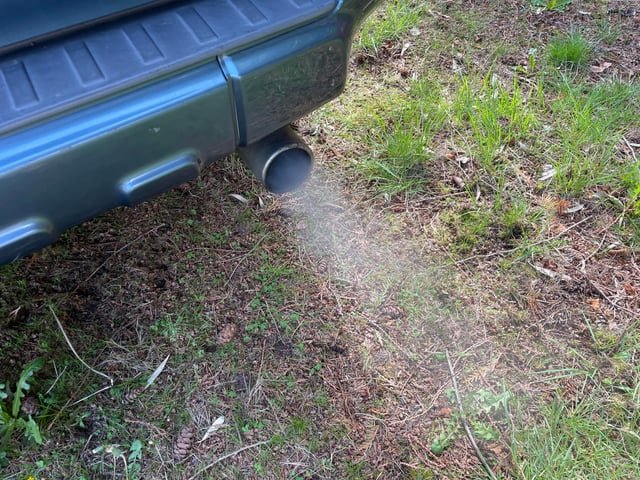
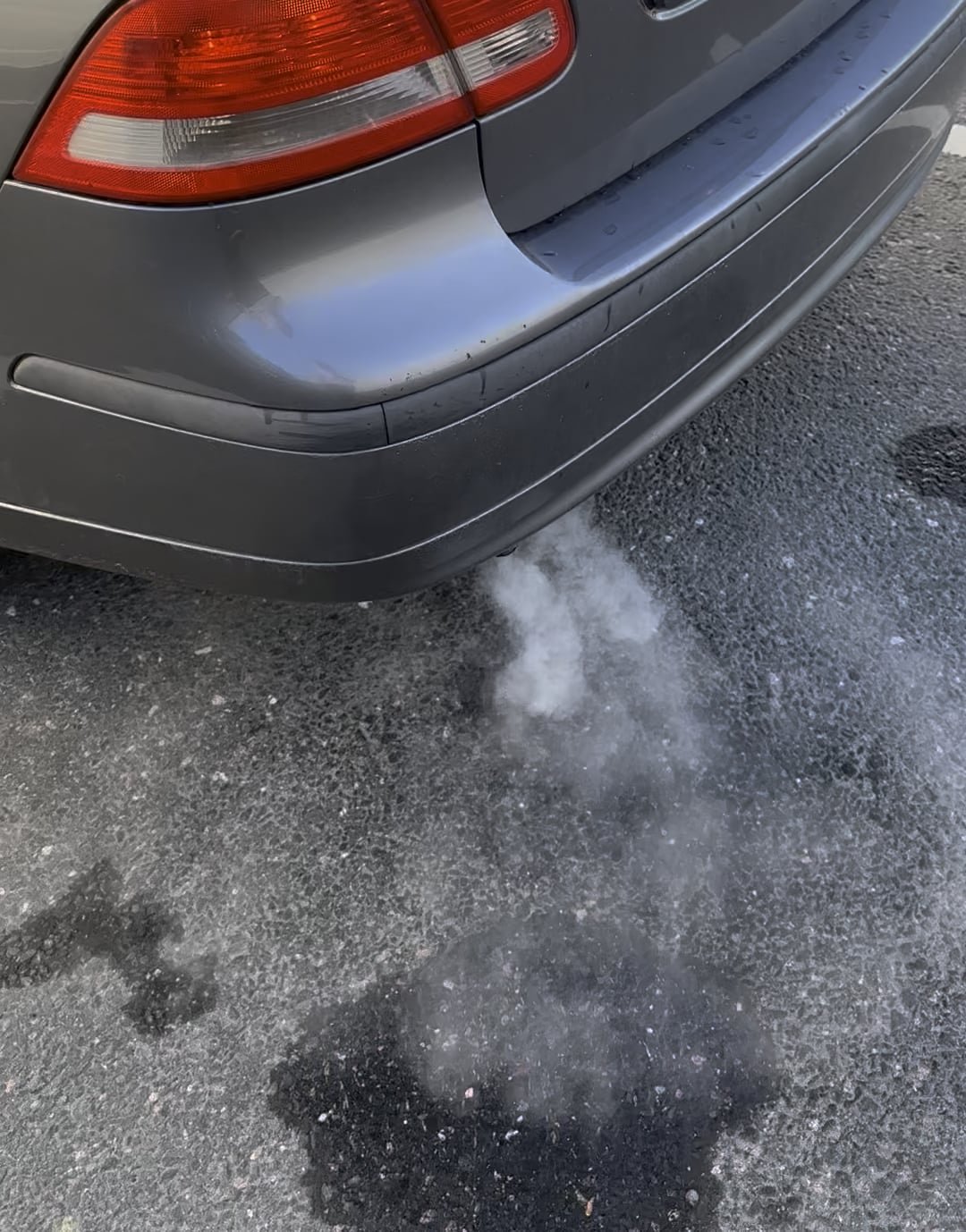
Understanding Exhaust Smoke Colors
The color of the exhaust smoke gives important clues about what’s happening inside your engine. Here’s what each color can mean:
White Smoke
White smoke from the exhaust, especially if it’s thick and continuous, usually means there is coolant leaking into the engine. This is often caused by a blown head gasket, a cracked engine block, or a damaged cylinder head. When coolant burns inside the engine, it creates white steam. A little white vapor when you first start the car (especially on cold days) can be normal — that’s just condensation. But if it continues after the engine warms up, it’s a problem.
Blue Smoke
Blue smoke means engine oil is burning. This often happens when oil leaks past worn piston rings, valve seals, or turbocharger seals and gets into the combustion chamber. Burning oil can quickly damage your engine and catalytic converter. You may also notice your car is losing oil faster than normal.
Black Smoke
Black smoke usually means there’s too much fuel burning. This can be caused by problems like a stuck fuel injector, a faulty fuel pressure regulator, or a dirty air filter. The engine is running “rich,” which means more fuel than air is being burned. Black smoke is more common in diesel cars, but it can happen in gasoline engines too.
Gray Smoke
Gray smoke is less common but can mean several things. It might be burning oil, a stuck PCV valve (part of the emissions system), or even a transmission fluid leak (in automatic cars). Gray smoke can be tricky to diagnose and often needs a mechanic’s help.
Credit: www.darcarskiaoftemplehills.com
Main Causes Of Check Engine Light With Exhaust Smoke
There are several reasons why your check engine light and exhaust smoke appear together. Here are the most common:
1. Blown Head Gasket
The head gasket seals the space between the engine block and cylinder head. If it fails, coolant or oil can leak into the combustion chamber. This often leads to white or blue smoke and engine overheating. A blown head gasket is a serious issue and should not be ignored.
2. Worn Piston Rings Or Valve Seals
These parts keep engine oil out of the combustion area. If they are worn, oil seeps in and burns, causing blue smoke. The check engine light may also come on due to misfires or low compression.
3. Faulty Fuel Injectors
A stuck-open injector can dump too much fuel into the engine, causing black smoke. This makes your engine run rich, wastes gas, and may damage the catalytic converter.
4. Cracked Engine Block Or Cylinder Head
Cracks can let oil or coolant enter the combustion chamber, leading to smoke and poor engine performance.
5. Bad Turbocharger Seals
In turbocharged engines, worn turbo seals let oil get sucked into the intake, causing blue or gray smoke.
6. Leaking Valve Cover Gasket
Oil leaking onto hot engine parts can burn and make smoke. If enough oil is lost, the engine can misfire and trigger the check engine light.
7. Pcv System Failure
The Positive Crankcase Ventilation (PCV) valve helps control engine emissions. If it fails, oil can get drawn into the engine, causing gray or blue smoke.
8. Clogged Air Filter
A dirty air filter restricts airflow, leading to a rich mixture (more fuel than air) and black smoke. Modern cars may also trigger the check engine light if the air/fuel balance is off.
9. Bad Mass Air Flow Sensor
This sensor measures how much air enters the engine. If it fails, the fuel mixture can go wrong, causing black smoke and the check engine light to come on.
10. Transmission Fluid Leak (in Automatic Cars)
If transmission fluid is sucked into the engine through a faulty vacuum modulator, it can cause thick gray smoke.
Diagnosing The Problem
When you see the check engine light and smoke, here’s how you can start to diagnose the problem:
- Check the Color and Smell of the Smoke
- White: Sweet smell (coolant)
- Blue: Oily smell
- Black: Gasoline smell
- Gray: Hard to identify, but sometimes smells like burning oil
- Scan for Trouble Codes
Use an OBD-II scanner (available at auto parts stores or online) to read the error codes from your car’s computer. The codes will tell you which system is having trouble. According to the U.S. Environmental Protection Agency, vehicle emissions standards and onboard diagnostic systems are designed to identify problems that can increase pollution.
- Check Fluid Levels
- Low coolant: Possible head gasket issue
- Low oil: Possible oil leak or burning
- Look for Other Signs
- Engine overheating
- Poor acceleration
- Unusual noises
- Warning lights for oil pressure or temperature
- Inspect Under the Hood
Look for leaks, damaged hoses, or oil around the engine.
Example Diagnostic Table
Here’s a quick way to match smoke color and check engine codes with likely causes:
| Smoke Color | Common Codes | Likely Cause |
|---|---|---|
| White | P0300, P0171 | Blown head gasket, coolant leak |
| Blue | P0420, P0172 | Burning oil, worn rings/seals |
| Black | P0172, P0190 | Rich mixture, bad injectors |
| Gray | P0101, P0172 | PCV issue, transmission fluid |
Credit: www.reddit.com
What To Do If You See Both Warning Signs
If you notice the check engine light and smoke from the exhaust at the same time:
- Stop driving if the smoke is thick or the engine is overheating. Pull over safely and turn off the engine.
- Check for obvious leaks under the car.
- Do not open the radiator cap if the engine is hot.
- If the smoke is light and the engine feels normal, drive slowly to a mechanic.
- If you have an OBD-II scanner, check the codes and write them down.
Delaying repairs can make the problem worse. For example, driving with a blown head gasket can warp the engine head or block, leading to thousands in repair costs.
When To Call A Mechanic
Some problems are simple, like a loose gas cap. But when smoke is coming from your exhaust and the check engine light is on, it’s usually best to have a professional check your car. Mechanics have tools to pressure-test the cooling system, check for internal leaks, and use advanced scanners.
Here’s when you should definitely call a mechanic:
- Smoke is thick, colored, or smells sweet/oily
- Engine is overheating or running rough
- You hear loud knocking or ticking noises
- There are visible oil or coolant leaks
- You’re losing fluids quickly
Common Mistakes To Avoid
Many drivers try to “wait out” the check engine light, hoping it will go away. This rarely works if there is smoke coming from your exhaust. Here are some mistakes to avoid:
- Ignoring warning signs: Delaying can lead to bigger, costlier damage.
- Topping up fluids without fixing leaks: This only masks the problem.
- Using stop-leak products: These can clog your radiator or engine internals.
- Driving long distances: Small issues can turn into engine failure quickly.
- Misreading smoke color: Sometimes, white and light blue smoke look similar. If unsure, ask a mechanic.
Preventing Future Problems
A little prevention can save you from expensive repairs. Here are ways to avoid check engine lights and exhaust smoke:
- Regular oil changes: Old oil causes wear and leaks.
- Check coolant levels: Low coolant can overheat and damage the engine.
- Replace air filters: Dirty filters affect fuel mixture.
- Fix leaks early: Address small leaks before they get worse.
- Follow maintenance schedules: Your car’s manual lists when to change fluids and check parts.
Maintenance Vs. Repair Table
See how regular maintenance compares to costly repairs:
| Service | Maintenance Cost | Repair Cost (if ignored) |
|---|---|---|
| Oil Change | $40-$70 | $1,500+ (engine rebuild) |
| Coolant Flush | $80-$120 | $1,000+ (head gasket) |
| Air Filter Replacement | $20-$40 | $500+ (sensor/fuel system damage) |
Credit: www.reddit.com
Non-obvious Insights Most Drivers Miss
- Small leaks can cause big problems: Even a tiny oil or coolant leak can create smoke and trigger the check engine light. Over time, these leaks can become dangerous or lead to a seized engine.
- Seasonal changes matter: Colder weather can make normal vapor look like smoke, but if it continues after the car warms up, it’s not normal.
- DIY diagnosis can save money: Buying a simple OBD-II code reader (often under $30) lets you check error codes yourself. This knowledge can help you talk confidently to a mechanic and avoid unnecessary repairs.
Frequently Asked Questions
What Should I Do First If I See Both The Check Engine Light And Smoke?
Stop your car safely and check the color and smell of the smoke. If it’s thick or the engine is overheating, turn off the engine and call for help. If it’s light and there are no other symptoms, drive slowly to a mechanic.
Is It Safe To Drive With The Check Engine Light And Smoke From The Exhaust?
Usually, it is not safe. Thick, colored smoke means there is a serious problem. Even if the car still runs, continuing to drive can cause major engine damage or even a fire.
Why Does My Car Only Smoke When I Start It In The Morning?
A little white vapor when starting a cold car is normal condensation. But if the smoke is blue, black, or continues after the engine warms up, you likely have a bigger problem.
Can A Loose Gas Cap Cause Exhaust Smoke?
A loose gas cap can cause the check engine light to come on, but it will not cause smoke from the exhaust. If you see smoke, the problem is more serious.
How Much Does It Cost To Fix Check Engine Light And Smoke Issues?
Costs can range from $50 for a sensor to over $2,000 for major engine repairs. Early diagnosis and fixing small leaks or worn parts can save you money in the long run.
If you want to understand more about car diagnostics and warning signs, you can read more at Wikipedia: On-board diagnostics.
When your car’s check engine light and exhaust smoke appear together, don’t ignore them. Act quickly, diagnose the issue, and get help if you need it. You’ll protect your car, your wallet, and your peace of mind.