
When the check engine light comes on in your Toyota Corolla, it can feel alarming. Sometimes, it’s a simple fix. Other times, it signals a bigger problem. Many drivers ignore the light, hoping it will go away. But understanding what the check engine light means—and what to do next—can save you time, money, and stress. Whether you drive a new or older Corolla, this guide will help you respond confidently.
What Does The Check Engine Light Mean?
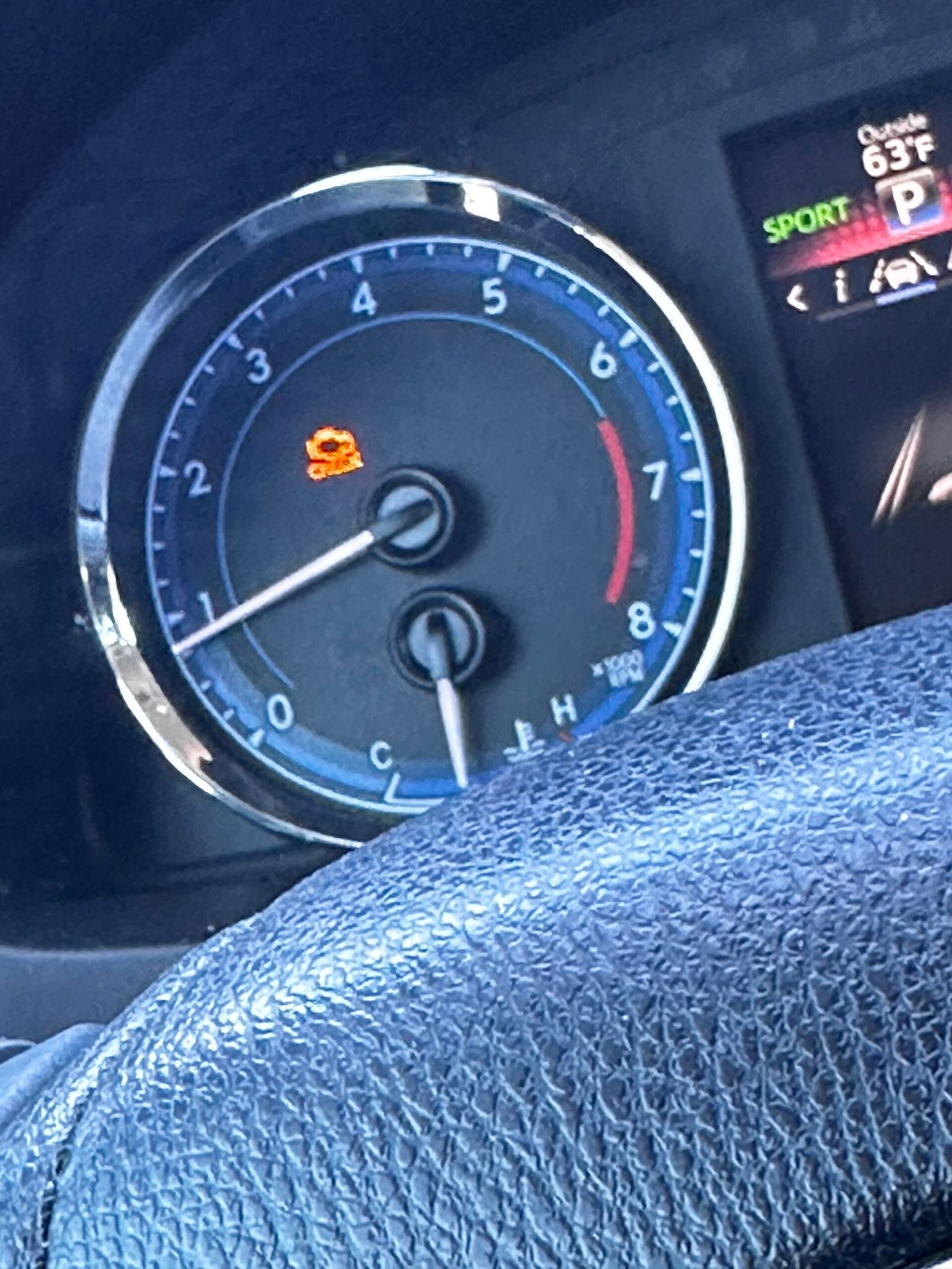
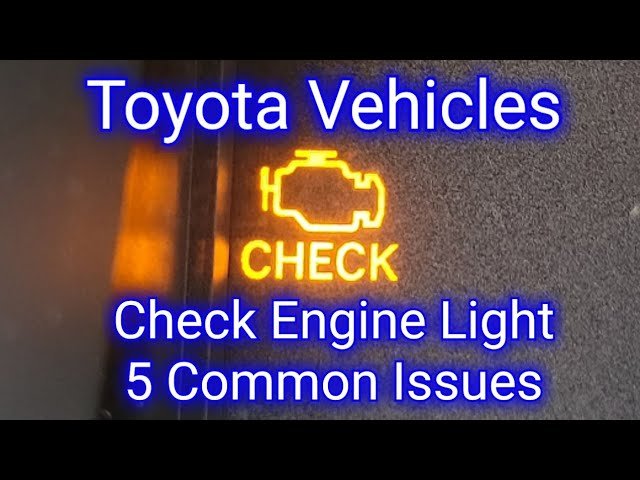
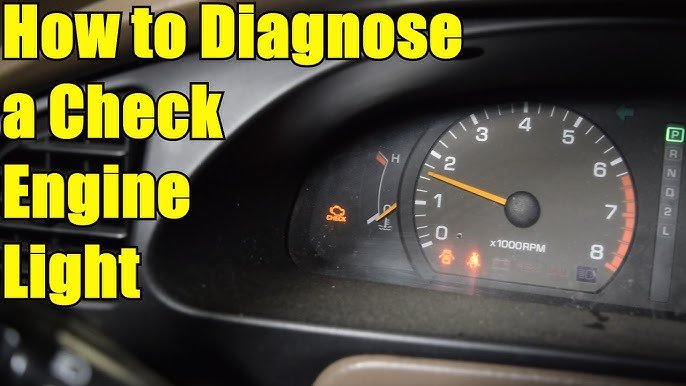
The check engine light is part of your car’s onboard diagnostics system (OBD-II). When the light turns on, your Corolla’s computer has found an issue with the engine, transmission, or emissions system. The light is usually orange or yellow and looks like an engine outline.
In some cases, the light may flash. A flashing check engine light means a serious problem. For example, it might signal a misfire that could damage your catalytic converter. If the light is steady, it usually means a less urgent issue—but you should still check it soon.
Common Reasons For A Check Engine Light In Toyota Corolla
Several things can trigger the check engine light. Here are the most frequent causes, based on reports from mechanics and Toyota owners:
1. Loose Or Faulty Gas Cap
A loose gas cap is a very common reason. If the cap isn’t tight or is cracked, fuel vapors can escape. This affects the emissions system and triggers the light.
2. Oxygen Sensor Failure
The oxygen sensor checks how much oxygen is in your exhaust. If it fails, your Corolla may use more fuel and pollute more.
3. Catalytic Converter Problems
The catalytic converter helps control emissions. If it’s failing, your car may run poorly and produce more pollution.
4. Faulty Spark Plugs Or Wires
Worn spark plugs or wires can cause the engine to misfire. This problem can damage other parts if not fixed.
5. Mass Air Flow (maf) Sensor Issue
The MAF sensor measures the air entering the engine. If it fails, your Corolla might stall or hesitate during acceleration.
6. Bad Ignition Coil
The ignition coil sends power to the spark plugs. A bad coil may cause rough running or a no-start condition.
7. Vacuum Leak
Vacuum leaks can cause a high or rough idle and poor fuel economy.
8. Faulty Egr Valve
The EGR (Exhaust Gas Recirculation) valve helps reduce emissions. If it sticks or fails, the engine may run rough.
9. Bad Thermostat
A stuck thermostat can cause overheating or poor heater function.
10. Transmission Issues
Sometimes, automatic transmission problems trigger the check engine light.
It’s important to note that the check engine light doesn’t always point to a single problem. Multiple issues can trigger the same warning.
Credit: www.reddit.com
How To Respond When The Check Engine Light Turns On
1. Check For Serious Symptoms
Is your Corolla running rough, stalling, or making strange noises? If yes, pull over safely and turn off the engine.
2. Check Your Gas Cap
Tighten the gas cap and wait. Sometimes, the light will turn off after a few drives if this was the issue.
3. Look For Dashboard Clues
Are other warning lights on? Is the temperature gauge high? This can give you more information.
4. Drive Carefully
If there are no severe symptoms, drive gently until you can get the car checked.
5. Do Not Ignore A Flashing Light
A flashing check engine light needs quick attention. Driving with this warning can cause expensive damage.
Diagnosing The Problem
You don’t need to guess the cause. Every Toyota Corolla since 1996 has an OBD-II port under the dashboard. You can use an OBD-II scanner to read the trouble codes. Many auto parts stores will check codes for free. Here’s how the process works: According to the U.S. Environmental Protection Agency, vehicle emissions standards and onboard diagnostic systems are designed to identify problems that can increase pollution.
- Plug the scanner into the OBD-II port.
- Turn the ignition to “ON.”
- Read the codes from the display.
- Look up the code (for example, P0420 is for the catalytic converter).
If you don’t have a scanner, a mechanic or dealership can diagnose the problem.
Diy Fixes For Simple Causes
Some check engine light issues are easy to fix yourself:
- Tighten or replace the gas cap.
- Replace old spark plugs (usually every 30,000–100,000 miles, depending on your Corolla’s year).
- Replace the air filter if it’s dirty.
- Clean the MAF sensor with special cleaner (never use regular spray cleaners).
If you’re not comfortable with DIY fixes, always get professional help.
When To See A Mechanic
If your check engine light stays on, it’s wise to see a mechanic. Go right away if:
- The light is flashing.
- The car runs poorly or makes strange noises.
- You notice smoke, strong fuel smells, or overheating.
A mechanic can diagnose and fix issues you can’t handle at home.
Cost To Fix Check Engine Light Issues In Toyota Corolla
The cost depends on the cause. Here’s a comparison of common repairs:
| Problem | Estimated Cost (USD) | Repair Time |
|---|---|---|
| Loose Gas Cap | $0–$20 | 5 minutes |
| Oxygen Sensor | $150–$350 | 1 hour |
| Spark Plugs | $100–$200 | 1–2 hours |
| Catalytic Converter | $900–$2,500 | 2–4 hours |
| MAF Sensor | $100–$300 | 1 hour |
Some fixes are cheap, like tightening the gas cap. Others, like replacing the catalytic converter, are expensive. That’s why early diagnosis is important.
How The Check Engine Light Affects Your Toyota Corolla’s Performance
Some drivers ignore the check engine light if the car seems fine. But even small problems can grow:
- Reduced fuel economy: The engine may run rich or lean, wasting gas.
- Higher emissions: Your car may pollute more, failing state inspections.
- Potential engine damage: Ignoring serious issues can cause expensive repairs.
- Transmission problems: In some cases, engine issues affect shifting.
Even if your Corolla drives “normally,” it’s smart to fix problems early.
Credit: www.youtube.com
Differences In Check Engine Light For Different Corolla Years
Toyota Corolla has changed over the years. Some models have more advanced electronics. Here’s a quick look at differences:
| Model Year | Diagnostics | Common Issues |
|---|---|---|
| 1996–2007 | Basic OBD-II | Spark plug wires, O2 sensors |
| 2008–2013 | Improved OBD-II, better sensors | Gas cap, MAF sensor, ignition coils |
| 2014–2023 | Advanced diagnostics, more sensors | O2 sensors, EGR valve, thermostat |
Newer Corollas are better at detecting problems but may have more complex repairs. Older models are simpler, but problems are often easier to fix.
Why The Check Engine Light Sometimes Turns Off By Itself
Sometimes, the check engine light goes off after a few drives. This can happen if:
- The problem was minor and is now fixed (like tightening the gas cap).
- The computer resets itself after a certain number of “good” drives.
- A temporary condition (like bad fuel) has cleared.
But if the light returns, the issue is not fully solved. Always check for stored codes, even if the light is off.
How To Pass An Emissions Test With The Check Engine Light On
In most states, your car will not pass emissions with the check engine light on. The OBD-II system records “readiness monitors.” If any monitor shows a problem, your Corolla will fail the test.
To pass:
- Fix the problem and clear the codes.
- Drive the car for several days (the system will retest itself).
- Bring the car for inspection when the light stays off.
If you try to clear the code without fixing the problem, the light may come back during the test.
Preventing Check Engine Light Problems
You can reduce your chances of seeing the check engine light with regular maintenance:
- Change spark plugs and wires as recommended.
- Replace air and fuel filters when needed.
- Use high-quality fuel.
- Get regular oil changes.
- Fix small problems early.
Prevention is often cheaper than repairs. For more on maintenance, see the official Toyota website.
What Most Drivers Miss About The Check Engine Light
Many Corolla owners think the check engine light is just about the engine. In reality, it covers many systems: emissions, transmission, fuel, and more. Also, some codes are “pending”—meaning a problem is starting, but not bad enough to trigger the light. Checking codes, even with no light, can help you catch problems early.
Another detail: not all OBD-II scanners are the same. Some basic readers show only simple codes. Advanced scanners can give you live data, pending codes, and even freeze-frame data (a snapshot of when the problem happened). Investing in a good scanner can save you money and time.
Frequently Asked Questions
What Should I Do First When My Toyota Corolla’s Check Engine Light Comes On?
First, check if your car is driving normally. If you notice rough running, flashing light, or strange noises, stop and get help. If the car runs fine, check and tighten the gas cap. If the light stays on, use an OBD-II scanner or visit a mechanic.
Can I Drive My Corolla With The Check Engine Light On?
You can drive short distances if the light is steady and there are no other symptoms. But avoid long trips or hard driving. If the light flashes or the car runs poorly, do not drive—get it checked immediately.
Will The Check Engine Light Reset Itself?
Yes, sometimes. If the problem is fixed (like a loose gas cap), the light may turn off after a few drives. If not, the issue needs to be repaired and the code cleared.
How Much Does It Cost To Diagnose The Check Engine Light?
Many auto parts stores offer free code reading. Mechanics may charge $50–$120 for a full diagnosis, which includes more detailed checks and data.
Is It Safe To Clear The Check Engine Light Code Without Fixing The Problem?
No, clearing the code does not solve the issue. The light will likely return. It’s best to fix the cause before clearing codes, to avoid damaging your car or failing emissions tests.
If you understand what the check engine light means for your Toyota Corolla and act quickly, you’ll avoid bigger problems. Regular checks and early fixes keep your Corolla running smoothly for years.
Credit: www.youtube.com
