
When your car’s check engine light comes on, it’s easy to feel worried. Many drivers hope it’s something simple, like a loose gas cap. But often, this light means there’s a bigger problem, especially with the transmission. Transmission problems can be expensive and dangerous if ignored. Understanding what the check engine light means—and what to do next—can save you money and keep your car running well.
This guide explains how the check engine light relates to transmission problems. You’ll learn how to spot early signs, what causes the light to turn on, and how mechanics diagnose the issue. We’ll cover common mistakes, repair options, and tips to avoid future trouble.
If you drive any modern car, this knowledge is vital.
What Does The Check Engine Light Mean?
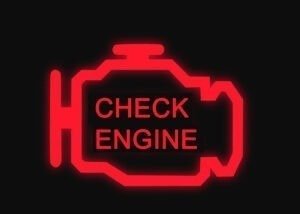
The check engine light is part of your car’s onboard diagnostics system. When something in the engine or transmission isn’t working right, the computer triggers this light. It’s a warning, not just a suggestion.
There are two ways the light can behave:
- Steady light: A consistent glow means something needs attention soon.
- Flashing light: This is more serious. It usually means a major problem that can damage your car if you keep driving.
Not all check engine lights are related to the transmission. The system checks many parts, like sensors, fuel, and emissions. But if you notice strange shifting or noises along with the light, the transmission is a likely cause.
How The Transmission Triggers The Check Engine Light
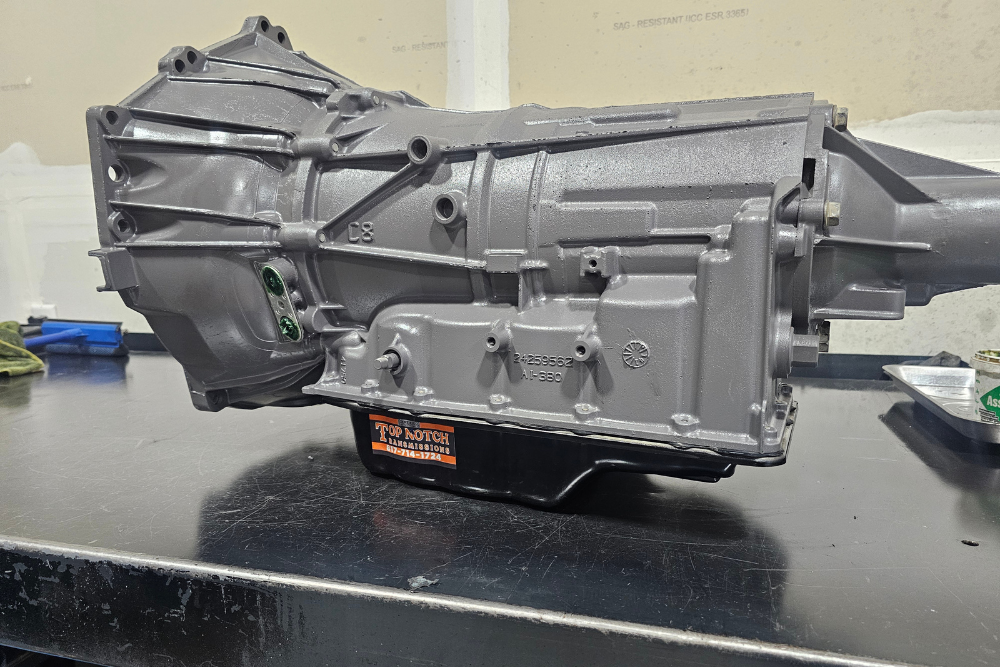
Your car’s transmission moves power from the engine to the wheels. It’s full of sensors and solenoids that talk to the car’s computer. If these parts fail, the computer often turns on the check engine light.
Here’s how it happens:
- Sensor detects a problem: For example, if the transmission fluid is too hot or a gear slips.
- Computer gets a “fault code”: This code tells what went wrong.
- Check engine light turns on: The car warns you to fix the problem.
Some cars have a separate “transmission” light, but the check engine light is much more common.
Credit: topnotchtransmissions.com
Common Transmission Problems That Cause The Check Engine Light
Some transmission issues are more likely to trigger the check engine light. Knowing these can help you talk to your mechanic or spot patterns early.
1. Low Transmission Fluid
If your car leaks fluid, the transmission can overheat or fail to shift. Modern cars often use sensors to check fluid pressure. Low fluid often triggers a fault code.
2. Worn Or Damaged Solenoids
Solenoids control the flow of fluid inside the transmission. If one fails, the car can’t shift correctly. The computer will notice and turn on the light.
3. Torque Converter Problems
The torque converter helps the car start moving smoothly. If it slips, you might feel shuddering or hear strange sounds. This problem often sets off the check engine light.
4. Transmission Control Module Failure
This small computer tells the transmission when to shift. If it malfunctions, the transmission may get stuck in one gear or shift roughly.
5. Sensor Failures
Modern transmissions have many sensors. If a speed or pressure sensor fails, the computer can’t control shifting correctly, and the light will come on.
6. Clutch Problems (automatic And Manual)
Clutch packs in automatics and the clutch pedal in manuals can both fail. If the system senses slipping or poor engagement, it will trigger a warning.
7. Overheating
If the transmission gets too hot, often from towing or stop-and-go traffic, the car’s sensors will turn on the check engine light to prevent damage.
8. Internal Wear Or Broken Parts
Worn gears or bands inside the transmission can cause slipping, hesitation, or no movement at all. The car’s computer detects strange behavior and warns you.
Early Warning Signs Of Transmission Trouble
The check engine light is important, but it doesn’t tell the whole story. Watch for other signs that your transmission is struggling:
- Jerky or delayed shifting: The car hesitates or lurches when you change gears.
- Unusual noises: Grinding, whining, or clunking sounds during shifting.
- Fluid leaks: Red or brown puddles under your car.
- Burning smell: Overheated transmission fluid smells sweet or burnt.
- Poor acceleration: The car seems slow or won’t move in some gears.
- Dashboard warnings: Sometimes a “transmission over temp” or “gearbox” light appears along with the check engine light.
If you notice these symptoms, get your car checked as soon as possible.
Credit: thelandautorepair.com
Diagnosing Transmission-related Check Engine Light Issues
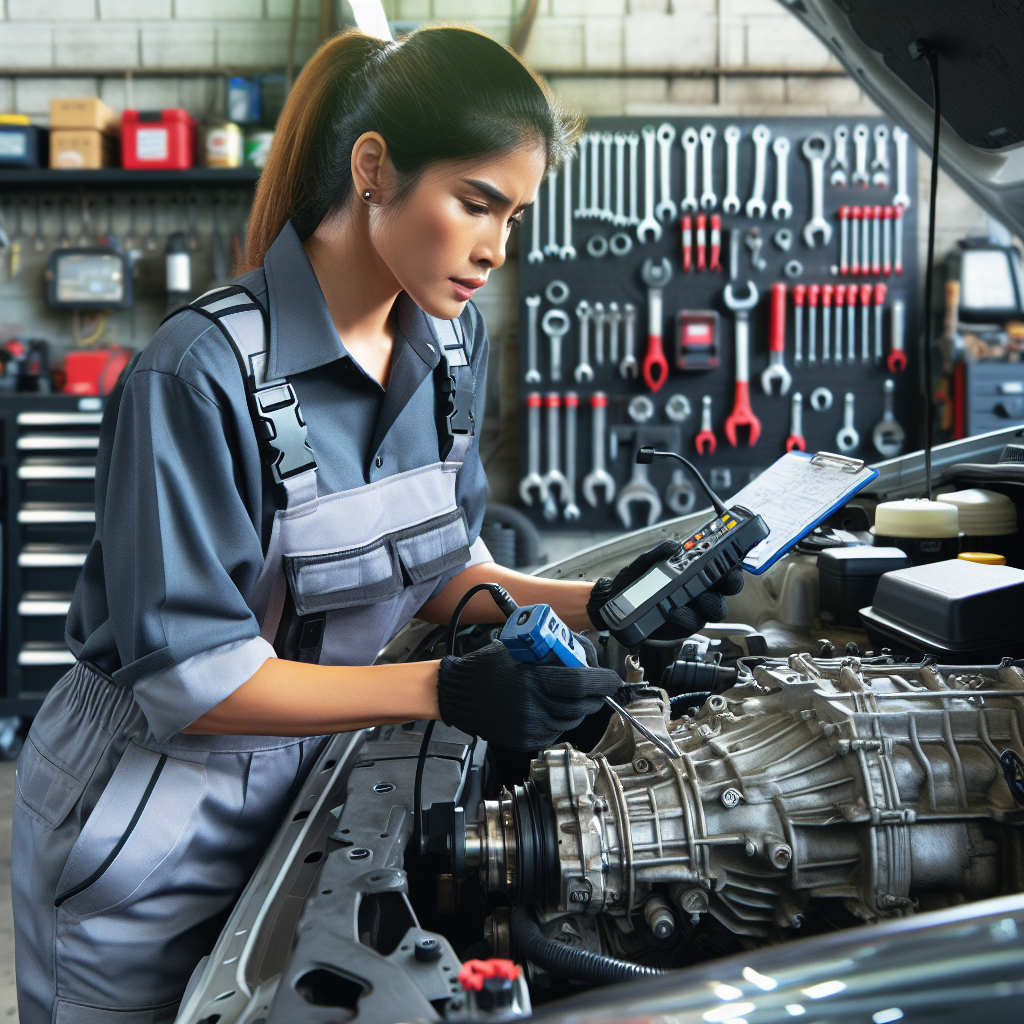
Mechanics use a device called a scan tool to read the car’s fault codes. These codes help pinpoint the problem. Here’s how the process works:
- Connect the scan tool: This tool plugs into a special port under your dashboard.
- Read error codes: Codes like P0700 or P0730 often mean a transmission issue.
- Check “freeze frame” data: The tool shows what the car was doing when the light came on (speed, temperature, etc. ).
- Test drive and visual inspection: Mechanics may drive the car and check for leaks or broken wires.
- Advanced tests: Sometimes, they measure fluid pressure or check each solenoid.
Here’s a table showing common transmission-related codes and what they mean:
| Error Code | Possible Problem |
|---|---|
| P0700 | General transmission control system fault |
| P0715 | Input/turbine speed sensor problem |
| P0730 | Incorrect gear ratio |
| P0740 | TCC (Torque Converter Clutch) circuit fault |
| P0750-P0770 | Shift solenoid issues |
Common Mistakes Drivers Make
Many drivers make simple mistakes when they see the check engine light. These can turn a small problem into a big one.
1. Ignoring The Light
Hoping it will “go away” often leads to much higher repair bills.
2. Clearing Codes Without Fixing The Issue
Some people use cheap scan tools to turn off the light. The real problem stays—and gets worse.
3. Driving With Severe Symptoms
If the car slips, won’t move, or the light flashes, keep driving can cause major damage.
4. Adding The Wrong Transmission Fluid
Using the wrong type can damage sensitive parts. Always check your manual.
5. Delaying Maintenance
Skipping regular fluid changes can make problems more likely.
What To Do When The Check Engine Light Comes On
If your check engine light appears and you suspect a transmission issue, take these steps:
1. Check For Other Symptoms
Listen for noises or feel for rough shifting. This information helps the mechanic.
2. Stop Driving If The Light Flashes
A flashing light means a serious problem. Pull over safely and call for help.
3. Check The Transmission Fluid
If you know how, check the fluid level and color. Low or dirty fluid often means trouble.
4. Schedule A Professional Diagnosis
A mechanic can read the codes and inspect the car.
5. Don’t “reset” The Light Yourself
Fix the real problem to avoid bigger repairs later.
Transmission Repair Options
Once you know the problem, you have several repair options. The right choice depends on the damage, your budget, and your car’s age.
Minor Repairs
If the issue is a sensor, solenoid, or fluid leak, repairs are often quick and affordable. These can cost $100–$500, depending on your car. According to the U.S. Environmental Protection Agency, vehicle emissions standards and onboard diagnostic systems are designed to identify problems that can increase pollution.
Fluid Change Or Flush
Old or dirty fluid can cause shifting problems. A fluid change costs $80–$250. Some cars need a full flush, which is more expensive but can prevent bigger issues.
Transmission Rebuild
If the transmission has major internal damage, a rebuild may be needed. This can cost $1,500–$3,000 but restores most of the original parts.
Replacement
Sometimes, replacing the transmission with a used or rebuilt unit is the best option. This can cost $2,500–$6,000, especially for newer cars.
Here’s a comparison of typical repair options:
| Repair Type | Common Cost Range | When Needed |
|---|---|---|
| Fluid Change | $80–$250 | Dirty or old fluid |
| Sensor/Solenoid Repair | $100–$500 | Electronic issues, minor leaks |
| Transmission Rebuild | $1,500–$3,000 | Internal wear, slipping, major damage |
| Full Replacement | $2,500–$6,000 | Severe failure or old age |
How To Prevent Transmission Problems
Good maintenance is the best way to avoid expensive repairs. Most transmission failures start small.
- Check transmission fluid regularly: Look for leaks or changes in color.
- Change the fluid as recommended: Every 30,000–60,000 miles for most cars.
- Don’t overload your vehicle: Towing or heavy loads cause overheating.
- Fix leaks quickly: Even small leaks can cause big problems.
- Drive smoothly: Hard shifts or sudden stops stress the transmission.
It’s also smart to get a professional transmission service check every year or two.
Non-obvious Insights Most Drivers Miss
Many people believe the check engine light only means engine trouble. But in reality, more than 30% of check engine light causes in cars over 8 years old are transmission-related. Also, transmission problems do not always show obvious symptoms at first. A simple code stored in the computer—even with no strange noises—may be the only clue. Regular scans at maintenance visits can catch early issues before they become expensive.
Another hidden danger is using cheap, universal transmission fluid. Most modern cars need a very specific type. Using the wrong fluid can make sensors trigger the check engine light and cause permanent damage. Always use the fluid listed in your car’s manual, not just “any kind.
”
Credit: www.ralphstransmission.com
When To Seek Professional Help
If your check engine light is on and your car drives strangely, don’t wait. Some problems, like a slipping transmission or burning smell, mean you need help right away. If the car won’t move in gear, or the light flashes, have it towed instead of driving.
A trusted mechanic with transmission experience is important. Many general repair shops miss subtle problems that can cost you later. Ask if they use factory scan tools and have experience with your car’s brand.
For more technical details, the Wikipedia page on check engine lights offers extra background.
Frequently Asked Questions
Why Does My Check Engine Light Come On For Transmission Problems?
The check engine light turns on when the car’s computer detects something wrong, including with the transmission. This can be a sensor failure, low fluid, or internal slipping. The computer stores a “fault code” to help mechanics find the problem.
Can I Keep Driving With The Check Engine Light On?
If the light is steady and your car seems normal, you can drive short distances, but get it checked soon. If the light flashes or you notice jerky shifting, stop driving. Continuing can cause serious transmission damage.
How Do I Know If It’s A Transmission Issue And Not Something Else?
Look for symptoms like rough shifting, slipping, noise, or fluid leaks along with the check engine light. A scan tool can read the error code, which often points to the transmission if it starts with “P07. ”
Will A Simple Fluid Change Fix The Problem?
Sometimes, a fluid change solves minor shifting problems, especially if the fluid is dirty or low. But major internal damage or electronic failures need more complex repairs. Always ask a mechanic to diagnose the exact cause.
Is It Expensive To Repair Transmission-related Check Engine Light Problems?
Costs vary. Sensor or fluid issues are usually cheap to fix ($100–$500). Major repairs, like a rebuild or replacement, can cost thousands. Fixing problems early is always cheaper than waiting.
When the check engine light comes on, it’s your car asking for help. Quick action and proper maintenance can keep your transmission—and your wallet—safe for years to come.