
Hearing a clunking noise from your vehicle’s front end can be worrying. It’s often a sign that something is wrong with your car’s suspension, steering, or brakes. If you ignore this sound, it may lead to more expensive repairs—or even a dangerous situation on the road. Understanding the possible causes of a clunking noise in the front end is the first step to keeping your car safe and reliable. In this guide, you’ll learn about the most common sources of front-end clunks, how to diagnose them, and what you can do to fix or prevent them.
What Does A Clunking Noise Indicate?
When a car makes a clunking sound from the front end, it usually means that metal parts are moving or hitting each other in ways they shouldn’t. This could be from worn parts, loose bolts, or damage from potholes or curbs. Sometimes the noise only happens during turns, when going over bumps, or when braking. Each situation gives you a clue about the cause.
Common Causes Of Front-end Clunking
Several car systems can cause a clunking noise at the front. Here are the most frequent reasons, explained in detail:
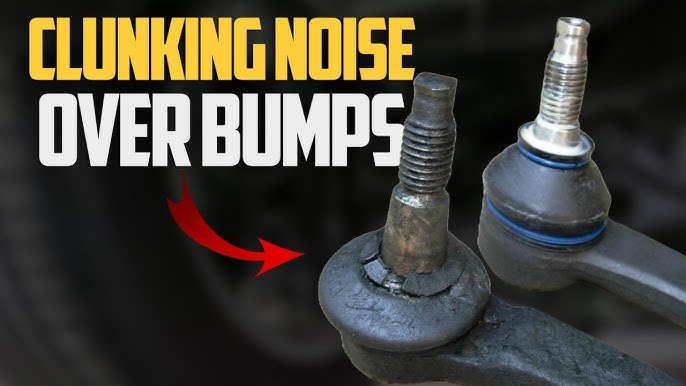
1. Worn Ball Joints
Ball joints are like the pivots in your car’s front suspension. They let the wheels move up and down and turn left and right. Over time, ball joints wear out from regular driving, especially on rough roads. When they get loose or dry, they can make a clunking sound. This is most noticeable when driving over bumps or turning.
A worn ball joint is a serious safety risk. If it fails completely, the wheel can collapse inward or outward. Regular inspection and replacement are very important.
2. Damaged Control Arm Bushings
Control arms connect the wheel hubs to your car’s frame. The bushings are rubber or polyurethane pieces that cushion the control arm’s movement. If these bushings crack, split, or wear out, the control arm can move too much, causing a dull clunking sound. The noise often happens when you start moving, brake, or go over bumps.
Replacing bushings is cheaper than replacing the whole control arm, but ignoring them can cause more damage.
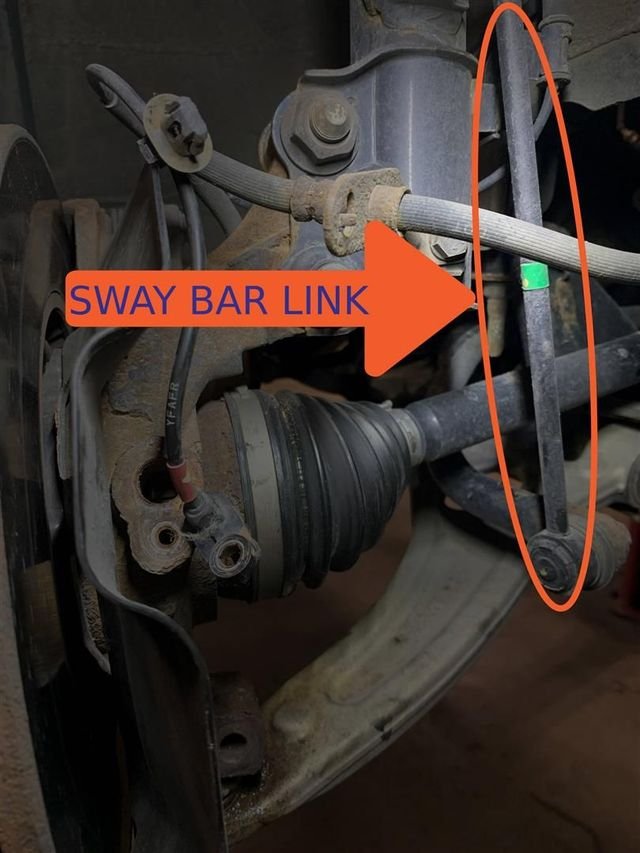
3. Faulty Sway Bar Links Or Bushings
The sway bar (or stabilizer bar) reduces body roll when you turn. It’s attached to the suspension with small rods called links and soft bushings. If a link or bushing breaks or wears out, you’ll hear a clunk when turning or going over uneven roads.
Here’s a quick comparison of common sway bar link and bushing problems:
| Problem | Noise Type | When It Happens | Repair Needed |
|---|---|---|---|
| Worn Sway Bar Link | Sharp clunk | Turning, rough roads | Replace link |
| Deteriorated Bushing | Dull thud | Bumps, uneven roads | Replace bushing |
4. Loose Or Broken Strut Mounts
Strut mounts are the points where the suspension struts connect to the car’s body. These mounts often have a rubber cushion to absorb shock. Over time, the rubber can wear out or the mount can break, leading to a clunking noise, especially when going over bumps or turning the steering wheel.
A broken strut mount can also affect steering and alignment.
5. Bad Tie Rod Ends
Tie rods connect the steering rack to the wheels, making them turn. The tie rod ends have small ball joints that can wear out. When they get loose, you may hear a clunking sound, especially when turning the steering wheel at low speeds.
A bad tie rod end can cause poor steering response and uneven tire wear. In severe cases, you could lose control of the vehicle.
6. Failing Shock Absorbers
Shock absorbers dampen bumps and keep the tires on the road. If a shock absorber or its mounting hardware wears out or breaks, it can cause a clunking noise. You might also notice the car bouncing more than usual.
Ignoring this problem can lead to poor handling and longer stopping distances.
7. Worn Wheel Bearings
Wheel bearings let the wheels spin smoothly. When they wear out, they can make a growling or clunking sound, especially when turning or changing direction. Severe bearing wear can cause the wheel to feel loose or wobbly.
Replacing wheel bearings is necessary for safety. Delaying can lead to wheel failure.
8. Brake System Problems
The brake system can also cause clunking noises. Loose or worn brake pads, caliper bolts, or anti-rattle clips can make a sharp clunk when you apply or release the brakes. Sometimes, warped rotors or sticking calipers can also cause noise.
If you hear a clunk only when braking, have your brake system checked right away.
9. Loose Engine Or Transmission Mounts
Engine and transmission mounts hold the motor and gearbox in place. If these mounts break or wear out, the engine can shift slightly during acceleration, braking, or turning, causing a clunking sound from the front.
Worn mounts can also cause vibration in the cabin.
10. Steering Rack Issues
The steering rack is the main part that moves your wheels left and right. If it becomes loose or the internal bushings wear out, you may hear a clunk when turning the wheel. This can also cause the steering to feel loose or imprecise.
Steering rack problems are less common but can be expensive to fix.
11. Broken Or Bent Suspension Parts
Accidents, hitting curbs, or driving over large potholes can bend or break suspension parts like the control arms, knuckles, or even the frame. These damaged parts can move abnormally, causing a loud clunk.
If you suspect this, stop driving and have your car checked by a professional.
12. Loose Wheels Or Lug Nuts
Surprisingly, something as simple as loose lug nuts can make a clunking noise. If the nuts aren’t tightened to the right torque, the wheel can move on the hub, making noise, wobbling, or even coming off while driving.
Always check your lug nuts after having tires serviced.
13. Worn Cv Joints Or Axles
If you drive a front-wheel or all-wheel drive car, the CV joints (constant velocity joints) let the wheels turn and move up and down. Worn or broken CV joints make a clicking or clunking sound, especially when turning.
A torn CV boot (the rubber cover) can let dirt in and grease out, causing fast wear.
14. Subframe Or Chassis Damage
Severe impacts or rust can damage the subframe or chassis that supports your car’s front suspension. This damage can cause flexing and clunking noises.
Subframe problems are rare but serious. You may notice other symptoms like poor alignment or uneven tire wear.
15. Aftermarket Parts And Poor Repairs
Sometimes, aftermarket parts or poor-quality repairs can cause clunking. For example, cheap bushings or improperly installed suspension parts can wear out quickly or not fit properly, leading to noise.
Always use quality parts and trusted mechanics for repairs.

Credit: www.jdpower.com
How To Diagnose A Clunking Noise
Finding the exact source of a clunking noise front end is not always easy. Here are some steps to help:
- Listen and Observe: When does the noise happen—bumps, turns, braking, or acceleration?
- Visual Inspection: Check for obvious damage, loose parts, or worn rubber bushings.
- Check for Play: Wiggle the wheels by hand (when the car is lifted safely). Any movement may point to worn ball joints or tie rod ends.
- Check Lug Nuts: Make sure all wheels are tightly secured.
- Look for Leaks or Rust: Leaking shocks or rusted components can show wear.
- Test Drive: Drive slowly over bumps and make turns to reproduce the noise.
- Seek a Professional: If you’re not sure, a mechanic can use special tools to check each part.
Here’s a table to help you connect symptoms to possible causes:
| Symptom | Possible Cause | Action |
|---|---|---|
| Clunk over bumps | Ball joints, bushings, strut mounts | Inspect suspension |
| Clunk when turning | Tie rods, CV joints, sway bar links | Check steering and axles |
| Clunk when braking | Brake pads, calipers, mounts | Check brake system |
The Cost Of Ignoring Clunking Noises
Many drivers delay fixing a clunking noise, hoping it will go away. This is a mistake. Ignoring the problem can lead to:
- More expensive repairs
- Unsafe driving conditions
- Sudden breakdowns
- Failing other parts (for example, a bad bushing can damage the control arm)
A small repair today can prevent a much bigger problem tomorrow.
Credit: www.youtube.com
Preventing Front-end Clunks
Some clunking noises are hard to avoid, especially as a car ages. But you can reduce the risk with these tips:
- Regular maintenance: Have your suspension and steering checked at least once a year.
- Tire care: Keep tires properly inflated and balanced.
- Careful driving: Avoid potholes and curbs when possible.
- Prompt repairs: Fix small problems before they get worse.
- Use quality parts: Cheap parts may not last and can cause new problems.
Non-obvious Insights For Beginners
- Not all clunks are suspension-related. Sometimes loose cargo, a spare tire, or tools under the hood can make similar noises. Always check the basics before assuming the worst.
- Heat and cold can affect noises. Rubber bushings and mounts may clunk more when temperatures drop, then quiet down as the car warms up.
- Front and rear noises can sound similar. Sound can travel through the car’s frame, making it hard to tell if a noise is from the front or back. A mechanic’s stethoscope can help pinpoint the source.
When To See A Mechanic
If you hear a clunking noise from your front end and cannot find the cause, or if the noise gets worse quickly, it’s time to see a professional. Some issues, like bad ball joints or tie rods, are dangerous and should be fixed immediately.
Your safety—and the safety of others—depends on a reliable front suspension.
For more technical details, the Wikipedia page on vehicle suspension explains how these parts work together.
Frequently Asked Questions
What Is The Most Common Cause Of Front-end Clunking?
The most frequent cause is worn suspension parts—especially ball joints, control arm bushings, and sway bar links. These parts wear out with age and rough roads.
Can I Drive With A Clunking Noise In The Front?
It’s not recommended. While some causes are minor, others can be very dangerous. A failed ball joint or tie rod could cause loss of control.
How Much Does It Cost To Fix A Clunking Noise?
Costs vary. Replacing a sway bar link might cost $50–$150, while a ball joint or control arm could cost $200–$600. Labor and parts quality affect the total price.
Could Bad Shocks Cause A Clunking Noise?
Yes, failing shock absorbers or their mounts can cause clunks, especially over bumps. Look for fluid leaks or extra bouncing as signs of bad shocks.
How Do I Know If The Noise Is From The Front Or Rear?
Listen closely while driving. Sitting in different seats can help, or have a friend ride along. Sometimes, a mechanic uses special microphones or a stethoscope to find the exact spot.
A clunking noise from your car’s front end should never be ignored. By understanding the possible causes, you can take action before a small problem becomes a big one. Regular checks, prompt repairs, and careful driving are your best defense against costly and dangerous front-end issues.
Credit: www.louscarcare.com