
If your car has a manual transmission, you may have heard about the clutch safety switch. This small but important part stops your engine from starting unless you press the clutch pedal. It’s a basic safety feature, but what happens if it fails or causes problems? Some drivers think about a clutch safety switch bypass—removing or modifying the switch so the car starts even if the clutch is not pressed. But is it a good idea? Let’s explore what this switch does, why people bypass it, the risks, and how to do it safely if you must.
What Is A Clutch Safety Switch?
The clutch safety switch, also called a clutch interlock switch, is usually found near the clutch pedal. When you press the clutch, the switch closes, allowing the starter motor to work. This prevents the car from starting while in gear, which could make the car jump forward and cause accidents.
Key facts about the clutch safety switch:
- Common in most manual transmission vehicles since the 1990s.
- Designed to protect you, your car, and people nearby.
- Can wear out over time, causing starting problems.
Why Do Drivers Consider Bypassing The Clutch Safety Switch?
Most people think about bypassing this switch only when something goes wrong. Here are some common reasons:
1. Switch Failure
Sometimes, the switch stops working. You press the clutch, but the car won’t start. In emergencies, a bypass might get you moving until you fix it.
2. Aftermarket Modifications
Some car builds, like engine swaps or race conversions, remove the clutch pedal. People may bypass the switch for convenience.
3. Off-road Or Remote Use
People who drive off-road or in remote areas may want to start their car from outside (for repairs or winching), so they bypass the switch.
However, most manufacturers and mechanics strongly recommend fixing the switch instead of bypassing it. The safety risk is real.
How The Clutch Safety Switch Works
When you turn the key to start your car, electricity travels from the ignition switch to the starter relay. The clutch safety switch sits in this path. If the clutch is not pressed, the circuit is open, and your car won’t start.
Here’s a simple flow:
- Turn ignition key
- Electrical signal sent
- Clutch pedal pressed — switch closes
- Signal reaches starter relay
- Starter motor turns on
If the clutch is not pressed, the switch stays open, stopping the signal.
Symptoms Of A Bad Clutch Safety Switch
Before thinking about a bypass, check if your switch is really the problem. Here are signs of a failing switch:
- Car won’t start, but battery and starter are fine.
- Starter works when you press the clutch very hard or move the pedal.
- No “click” sound when you turn the key.
- Engine starts without pressing the clutch (rare, but possible if the switch is stuck closed).
These symptoms can also come from other issues, so diagnose carefully.
Credit: www.youtube.com
Is It Safe To Bypass The Clutch Safety Switch?
Bypassing the switch removes an important safety feature. If you forget the car is in gear and turn the key, it may jump forward or backward. This can damage your car, garage, or even hurt someone.
Risks of bypassing:
- Unintended car movement at startup.
- Higher chance of accidents, especially for new drivers.
- May break local safety laws or void insurance.
For most drivers, it is not recommended to bypass the switch except as a temporary measure.
How To Bypass The Clutch Safety Switch (step By Step)
If you’re in a situation where you must bypass the switch (for example, you’re stranded and need to start your car), here’s how it’s usually done. Remember: this is for emergency use, and you should repair the switch as soon as possible.
Warning: Always use caution. Never do this with the car in gear.
Tools Needed
- Screwdriver (usually Phillips)
- Electrical tape or a jumper wire
- Basic flashlight
Steps
1. Find The Switch
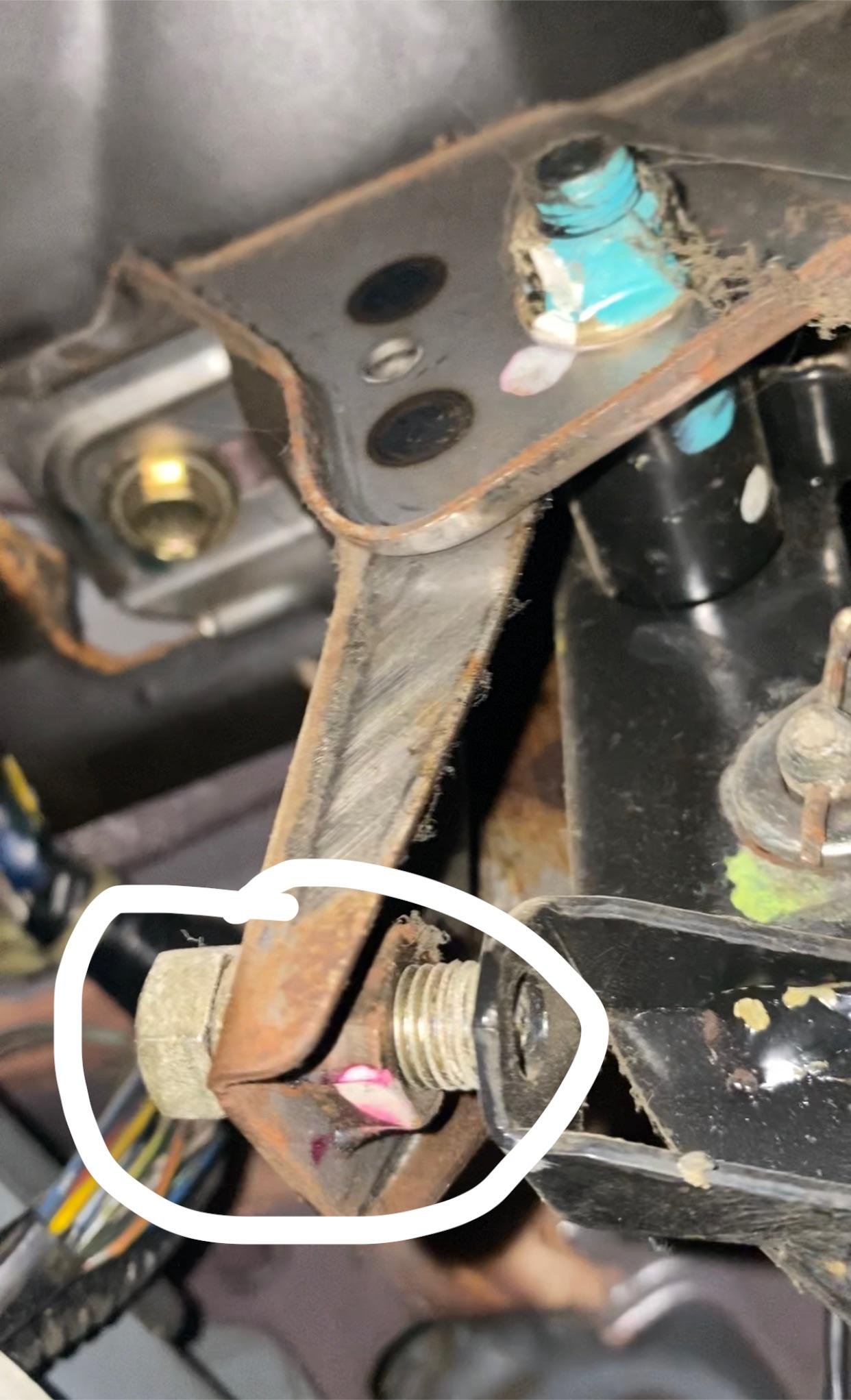
Look under the dashboard near the clutch pedal. The switch is usually mounted so the clutch pedal presses against it.
2. Disconnect The Battery
To avoid shocks, disconnect the negative terminal of the battery.
3. Unplug The Switch
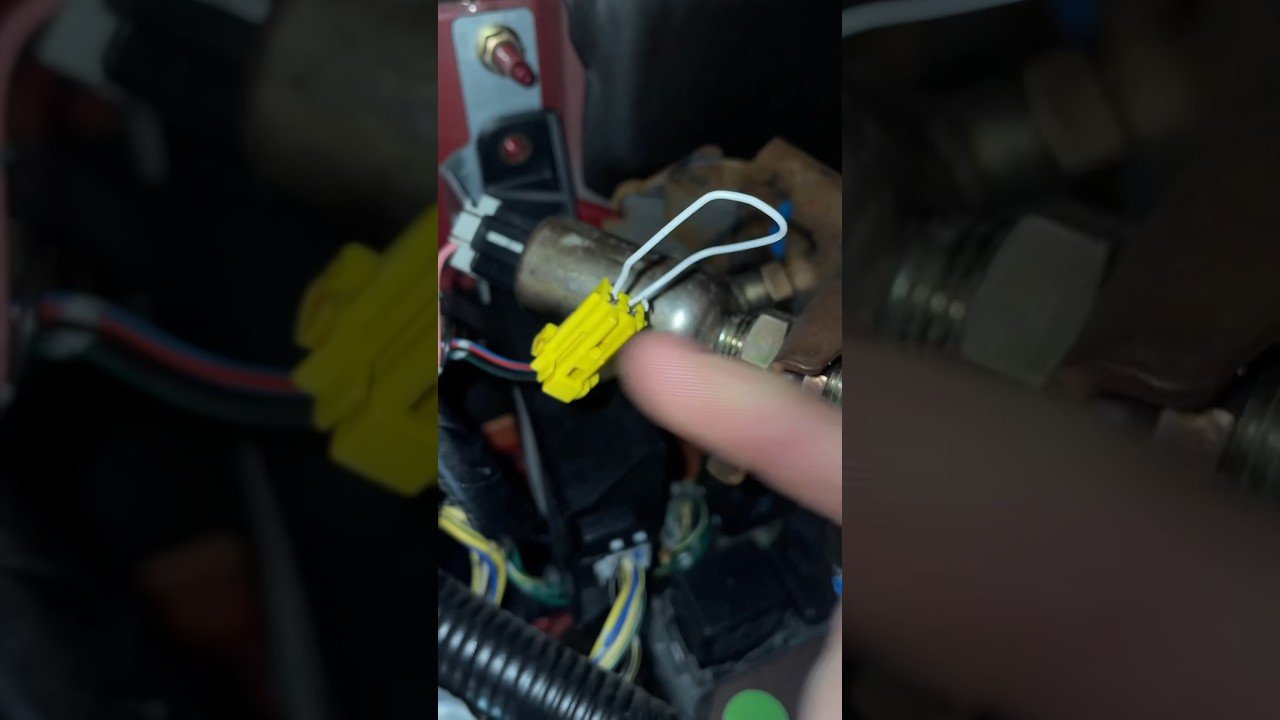
Locate the connector attached to the switch. Gently unplug it.
4. Jumper The Connector
Use a short piece of wire to connect the two terminals inside the connector. This creates a closed circuit, like the clutch pedal is always pressed.
5. Secure The Jumper
Use electrical tape to keep the jumper in place and stop it from falling out.
6. Reconnect The Battery
Put the battery terminal back on.
7. Test The Starter
With the car in neutral and the parking brake on, turn the ignition. The engine should start without pressing the clutch.
Note: Always put the car in neutral and set the handbrake before starting.
Example: Bypassing On A 2005 Honda Civic
On many Honda Civics, the clutch safety switch has a two-wire connector. Pull off the plug, use a bent paperclip as a jumper, and secure it with tape. Don’t leave it like this forever—replace the switch as soon as you can.
Comparing Repair Vs. Bypass
Sometimes, you might wonder if it’s better to fix the switch or just bypass it. Here’s a quick comparison:
| Option | Cost | Safety | Time | Recommended For |
|---|---|---|---|---|
| Repair | $20–$100 (parts + labor) | High | 1–2 hours | All regular drivers |
| Bypass | Almost free | Low | 10–20 minutes | Emergency or race cars only |
Common Mistakes When Bypassing
Even experienced mechanics sometimes make errors. Here are mistakes you should avoid:
1. Leaving The Car In Gear
Always check the gear position before starting.
2. Loose Jumper Wire
If the wire falls out, your car may not start—or could short out.
3. Not Warning Other Drivers
If others drive your car, they may not know about the bypass. Leave a note.
4. Permanent Bypass
Many people forget and leave the bypass forever. Remember, it’s not safe for daily use.
5. Damaging The Wiring
Forcing the connector or using the wrong wire can cause more problems.
Credit: www.reddit.com
When Is Bypassing Justified?
There are rare cases where bypassing makes sense:
- Off-road vehicles where starting outside the car is common.
- Race cars that don’t need the same safety systems.
- Emergency situations where no parts are available, and you must move the car.
But for all street-driven cars, repair is the smarter choice.
How To Replace A Clutch Safety Switch
If you decide to fix the problem properly, replacing the switch is not hard for most cars. Here’s what you usually do:
- Buy the correct switch for your car model.
- Disconnect the battery for safety.
- Unplug the old switch under the clutch pedal.
- Remove mounting screws (usually 1–2 screws).
- Install the new switch and reconnect the plug.
- Reconnect the battery and test the pedal.
Most people can do this at home in less than an hour.
Pros And Cons Of A Clutch Safety Switch Bypass
To understand if a bypass fits your needs, compare the benefits and risks:
| Pros | Cons |
|---|---|
| Lets you start a car with a bad switch | Removes an important safety feature |
| Quick emergency solution | Can cause accidental car movement |
| Helps in special cases (racing, off-road) | May affect insurance or legality |
Real-world Statistics And Data
- More than 80% of new manual cars have a clutch safety switch as standard.
- Faulty clutch switches are responsible for about 5% of “no-start” issues in older manual cars.
- According to the National Highway Traffic Safety Administration (NHTSA), starting a manual car in gear is a common cause of garage and driveway accidents.
Non-obvious Insights
Many beginners think the clutch safety switch is only about the starter. In reality, some newer cars use the switch for more than starting—they may connect it to the engine computer to reduce emissions or control cruise control. If you bypass the switch, you could cause other issues like warning lights or poor idle.
Another point: In some cars, bypassing may trigger a check engine light. This could make your car fail a state inspection, even if the car runs fine.
Alternatives To Bypassing
If you want to avoid a bypass, here are some alternatives:
- Adjust the switch. Sometimes the switch is fine, but the pedal stop is worn. Adjust the position to restore function.
- Clean contacts. Dust and dirt can stop the switch from working. Cleaning may fix the problem.
- Temporary push-button. Some people install a hidden button that acts as a clutch switch for emergencies—safer than a full bypass.
Legal And Insurance Issues
Bypassing a safety feature could affect your car’s insurance. If you have an accident and the insurance company finds a bypass, they may refuse to pay. Also, some countries have laws against removing safety systems. Always check your local rules.
Expert Recommendations
Most mechanics and car safety experts say you should repair or replace a faulty clutch safety switch. Only bypass as a last resort, and return your car to factory safety as soon as possible.
For more technical information, you can check the detailed explanations on the Wikipedia Clutch page.

Credit: www.klrforum.com
Frequently Asked Questions
What Does The Clutch Safety Switch Do?
The clutch safety switch stops your car from starting unless you press the clutch pedal. This keeps the car from moving by accident when you turn the key.
Is It Illegal To Bypass The Clutch Safety Switch?
In many places, bypassing any safety device is illegal. It can also void your insurance. Always check your local laws before making changes.
Can A Bad Clutch Safety Switch Cause Other Problems?
Yes. In some cars, the switch connects to the engine computer. If it fails or is bypassed, you might see warning lights or lose features like cruise control.
How Much Does It Cost To Replace A Clutch Safety Switch?
Most switches cost $20–$50 for parts. If you hire a mechanic, the total could be $70–$150 with labor.
Is Bypassing The Switch Safe For Long-term Use?
No. Bypassing removes a key safety feature. It’s only safe as a short-term fix until you can repair the system.
If you care about safety and want your car to work as designed, always fix or replace the clutch safety switch. Bypassing might seem easy, but it comes with risks you shouldn’t ignore.