
Many car owners focus on oil changes, brake checks, and tire rotations. But one critical service often gets ignored: the coolant system flush. Your vehicle’s cooling system keeps the engine at the right temperature, preventing it from overheating or freezing. Over time, old coolant (also called antifreeze) can lose its ability to protect your engine. Harmful deposits, rust, and dirt can build up, leading to expensive repairs.
Understanding the true value of a coolant system flush is not just for mechanics. Whether you drive daily or only on weekends, knowing why and when to flush your coolant can save you money and stress. Let’s explore the powerful benefits of this service, what happens if you skip it, and how to tell when your car is due.
What Is A Coolant System Flush?
A coolant system flush is a maintenance process where old coolant is completely removed from your vehicle’s cooling system. The system is then cleaned with special chemicals to remove rust, sludge, and debris. Finally, fresh coolant is added. This is more thorough than just draining and refilling the radiator, which can leave behind contaminants.
Many people think just topping off the coolant is enough. In reality, flushing the system ensures every part – the radiator, heater core, hoses, and engine block – is clean and filled with effective coolant.
Why Your Cooling System Matters
The cooling system is the heart of your engine’s temperature control. It circulates coolant through the engine and radiator, absorbing heat and releasing it safely. Without it, the engine could overheat in minutes, causing severe damage.
Here’s what your cooling system does:
- Maintains optimal engine temperature.
- Protects engine parts from corrosion and rust.
- Prevents freezing in cold weather and boiling in hot conditions.
- Lubricates the water pump and other components.
When coolant gets old, it cannot do these jobs well. That’s why regular flushing is so important.
Top Benefits Of A Coolant System Flush
Let’s look closely at the main reasons why a coolant flush is so valuable.
1. Prevents Engine Overheating
Old coolant can lose its ability to absorb and transfer heat. If sludge or deposits clog the system, heat can’t escape. This can cause the engine to overheat, which can warp the cylinder head, blow a gasket, or even crack the engine block.
A flush restores the cooling power, ensuring your engine stays at the right temperature even in tough driving conditions.
2. Removes Harmful Deposits And Rust
With time, minerals and debris build up in the cooling system. These deposits can block small passages in the radiator or heater core, reducing efficiency. A flush removes these particles, keeping the system clean and effective. It also washes out rust, which can spread and damage metal parts.
3. Improves Heater Performance
In cold weather, your car’s heater depends on hot coolant flowing through the heater core. If this small radiator is blocked by sludge or rust, your heater will blow cold air. A proper flush clears these blockages, improving cabin heat and comfort during winter months.
4. Protects Against Corrosion And Leaks
Coolant contains special chemicals to prevent rust and corrosion inside the engine and radiator. Over time, these chemicals break down. Corroded parts can develop leaks, leading to coolant loss and serious engine damage. Flushing the system replaces worn-out coolant with fresh, protective fluid.
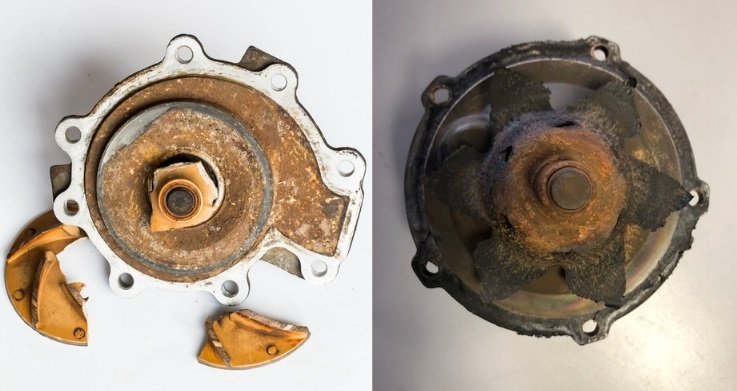
5. Extends Water Pump Life
The water pump keeps coolant moving throughout the system. Old or contaminated coolant can wear out the pump’s seals and bearings. This can lead to leaks or total pump failure. Fresh coolant contains lubricants that help the pump last longer, reducing repair costs.
6. Maintains Proper Coolant Balance
Mixing new coolant with old or using the wrong type can upset the system’s balance. A flush ensures all fluid is the right mix and type, giving the best freeze and boil protection. This is especially important in regions with extreme weather.
7. Avoids Costly Repairs
Replacing a damaged radiator or engine can cost thousands of dollars. Many of these problems start with cooling system neglect. A coolant flush is a small investment compared to the high cost of major repairs. Regular flushing helps you avoid sudden breakdowns and big bills.
8. Improves Fuel Efficiency
When an engine runs too hot or too cold, it uses more fuel. A clean, efficient cooling system helps the engine operate at its most efficient temperature. This can improve your car’s fuel economy over time.
9. Maintains Engine Performance
Heat can rob your engine of power. If the cooling system is dirty, your engine may lose performance, feel sluggish, or run rough. After a flush, most drivers notice smoother operation and better acceleration.
10. Environmental Protection
Old coolant can contain heavy metals and chemicals that harm the environment if leaked or dumped. Proper flushing ensures safe disposal and uses environmentally friendly fluids. Many service centers recycle old coolant according to strict rules.
How Often Should You Flush Your Coolant System?
The right interval depends on your vehicle and driving habits. Most experts recommend a flush every 2 to 4 years, or every 30,000 to 60,000 miles. Check your owner’s manual for the manufacturer’s schedule.
However, if you often drive in extreme heat or cold, tow heavy loads, or notice coolant problems, more frequent flushing may be wise. Always use the coolant type specified for your car.
Signs Your Car Needs A Coolant System Flush
Don’t wait for a breakdown. Watch for these warning signals:
- Engine temperature gauge stays high or goes into the red.
- Heater does not warm up the cabin.
- Coolant is brown, rusty, or has particles.
- There is a sweet smell from the engine bay (a sign of leaks).
- You hear bubbling or see steam from under the hood.
- Low coolant level, even after topping up.
If you notice any of these, schedule a flush as soon as possible.
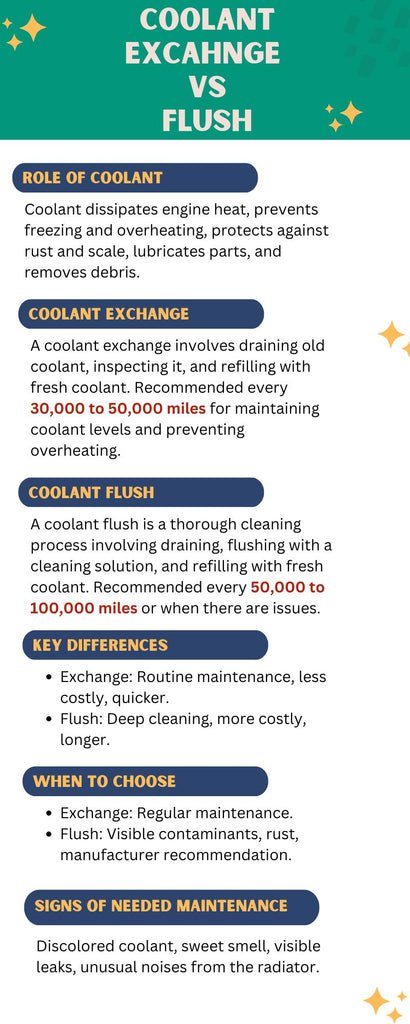
Coolant Flush Vs. Coolant Drain: What’s The Difference?
Many people confuse a coolant flush with a simple drain and refill. Here’s how they compare:
| Service Type | What Happens | Result |
|---|---|---|
| Coolant Drain | Old coolant is drained from the radiator and new is added. | Some old fluid and debris may remain. |
| Coolant Flush | System is cleaned with special chemicals, all old fluid removed, then new coolant is added. | Removes nearly all contaminants and old coolant. |
A flush is more thorough and gives better long-term protection.
Credit: rivergatemuffler.com
Diy Vs. Professional Coolant Flush
Should you do it yourself or trust a mechanic? Here’s a quick comparison:
| Aspect | DIY Flush | Professional Flush |
|---|---|---|
| Cost | Lower (just supplies) | Higher (labor charges) |
| Time | 1–2 hours | Less than 1 hour |
| Thoroughness | May leave some residue | More complete flush |
| Skill Needed | Basic tools and knowledge | Expertise and equipment |
If you’re comfortable with car maintenance, a DIY flush can save money. But a professional service uses special machines to push out all old coolant and contaminants. They can also spot leaks and other problems early.
Common Mistakes During Coolant Flush
Even simple jobs can go wrong if you’re not careful. Watch for these common errors:
- Using the wrong type of coolant. Always use what your manufacturer recommends.
- Mixing old and new coolant. This can weaken protection and cause sludge.
- Not bleeding air from the system. Air pockets can cause overheating.
- Missing leaks or worn hoses. Always inspect for weak spots before refilling.
- Flushing too often or too rarely. Follow a proper schedule.
Many beginners forget to properly dispose of old coolant. It’s toxic to people and animals – always recycle at an approved center.
Credit: www.ancel.com
Coolant System Flush: Real-life Example
Consider a 2010 Toyota Camry with 90,000 miles. The owner noticed the heater was weak, and the engine ran hotter in traffic. The coolant was brown and rusty. After a professional flush, the heater worked perfectly, and the engine temperature stayed normal, even on hot days.
The mechanic found a small leak in the radiator, which was fixed before it became a big problem.
This example shows how a coolant flush can solve hidden issues and prevent expensive failures.
How A Coolant Flush Saves Money In The Long Run
It’s easy to skip routine maintenance to save a few dollars. But ignoring your cooling system can cost much more later. For example, replacing a blown head gasket can cost $1,000–$2,000. A new radiator or water pump is also expensive.
A typical coolant flush costs $100–$200. By spending this amount every few years, you avoid bigger repairs, breakdowns, and lost time. It’s smart car ownership.
Credit: parksidemotors.ca
Two Insights Most Car Owners Miss
- Coolant is more than just water and antifreeze. It contains additives that protect aluminum and other metals. Over time, these additives wear out, even if the coolant still looks clean.
- Mixing different types of coolant can cause chemical reactions. This sometimes creates sludge or jelly-like deposits that block the system. Always stick to one type and flush the system if you need to change.
Coolant Types And Choosing The Right One
There are several coolant types: Inorganic Acid Technology (IAT), Organic Acid Technology (OAT), and Hybrid Organic Acid Technology (HOAT). Each is designed for different vehicles. Always check your owner’s manual or ask a trusted mechanic for guidance.
Using the wrong type can reduce protection and even damage parts. When in doubt, choose what your car’s manufacturer recommends.
Environmental Impact Of Coolant Disposal
Coolant contains chemicals that can harm the environment. Never pour it down the drain or on the ground. Most service shops recycle old coolant safely. If you do a DIY flush, find a local recycling center for disposal. For more on proper disposal and recycling, check the guidelines from the U.S. Environmental Protection Agency.
Frequently Asked Questions
How Do I Know When My Car Needs A Coolant Flush?
Watch for signs like engine overheating, poor heater performance, rusty or dirty coolant, and a sweet smell from the engine. Check your owner’s manual for the recommended flush schedule.
Is A Coolant System Flush Really Necessary?
Yes, flushing removes harmful deposits, prevents corrosion, and maintains proper engine temperature. Skipping this service can lead to expensive repairs.
Can I Mix Different Types Of Coolant?
No, mixing types (like green and orange coolant) can cause sludge and blockages. Always use the coolant type recommended by your car’s manufacturer.
How Much Does A Coolant Flush Cost?
The cost depends on your vehicle and location. Most professional coolant flushes range from $100 to $200. DIY flushes can cost less, but may not be as thorough.
What Happens If I Never Flush My Coolant?
Skipping flushes leads to rust, deposits, overheating, and possible engine or radiator damage. Repairs can be much more expensive than regular maintenance.
A coolant system flush is simple, smart, and essential for keeping your vehicle running strong. By understanding the benefits and staying on schedule, you protect your car, your wallet, and the environment. Don’t wait for trouble – make coolant flushes part of your regular maintenance routine.