
When you drive and hear a clicking noise while turning, it can be worrying. This sound usually points to a problem with your car’s CV joint. Many drivers ignore it at first, but this noise is often a warning of a bigger issue. Understanding why this happens, what it means, and how to fix it can save you money and keep you safe on the road.
What Is A Cv Joint And Why Does It Matter?
The CV joint (Constant Velocity joint) is a part of your car’s drive shaft. It helps transfer power from the engine to the wheels, even when the wheels are turning or the suspension moves up and down. Without it, your car would not be able to turn corners smoothly.
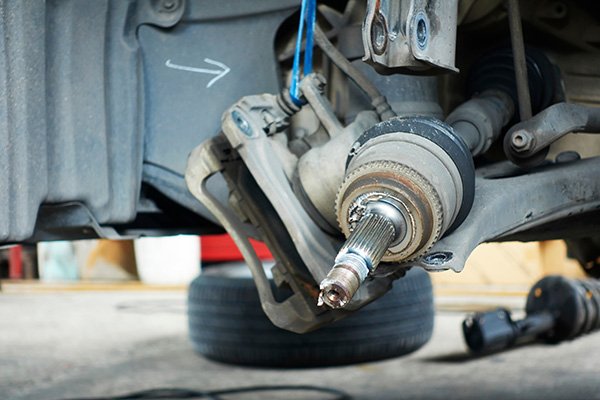
Most front-wheel-drive vehicles have two CV joints on each shaft: an inner and an outer joint. The outer CV joint is usually the one that makes noise when there’s a problem. Rear-wheel-drive and all-wheel-drive cars may have them too, especially in modern designs.
A healthy CV joint lets you turn, accelerate, and drive over bumps without any strange noises. When it fails, you might hear a clicking or popping noise, especially during turns.
Why Does A Cv Joint Click When Turning?
This clicking noise is not just a random sound. It tells you that something inside the CV joint is not working as it should.
Here’s why it happens:
- The CV joint contains ball bearings and grease. The grease keeps the joint smooth.
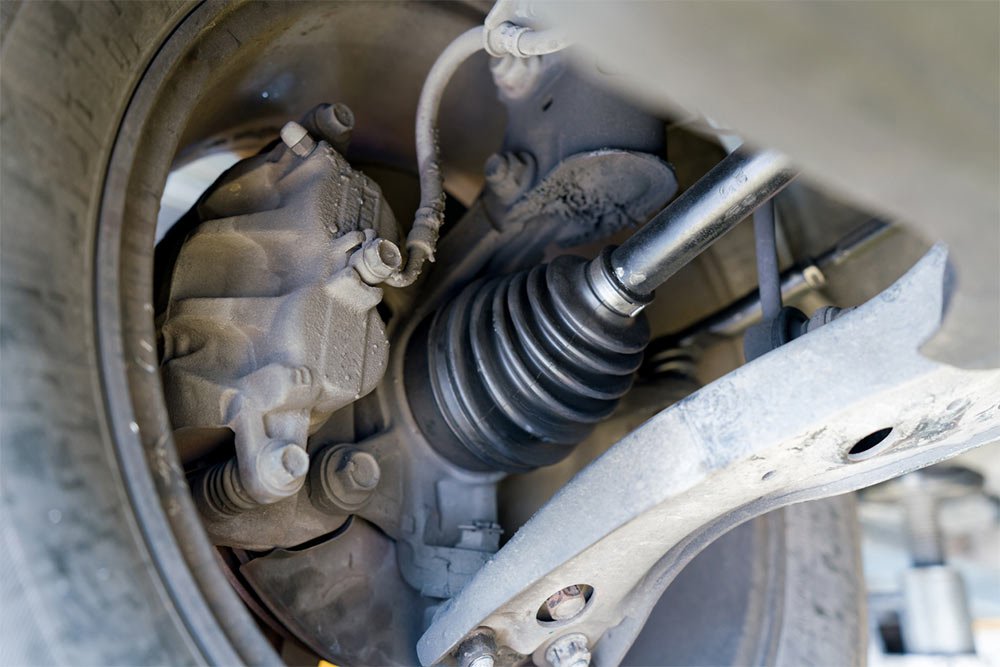
- A rubber boot covers the joint, keeping dirt out and grease in.
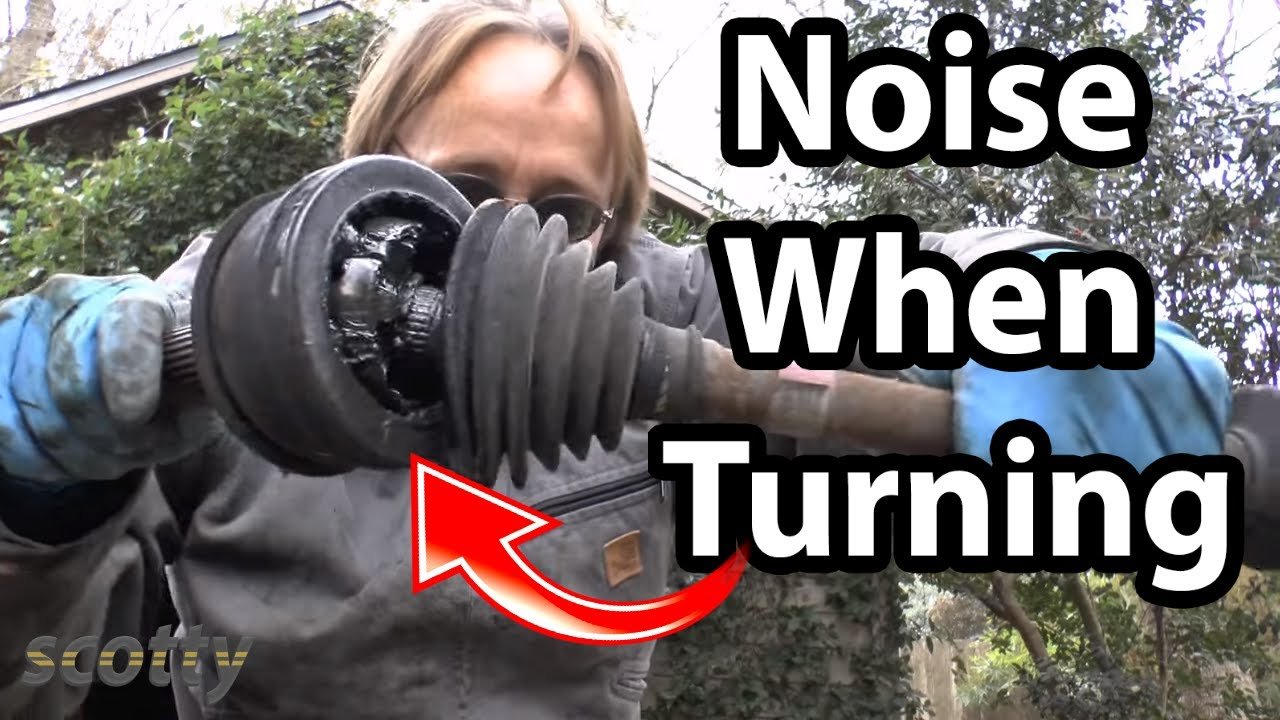
- If the boot cracks or tears, grease leaks out, and dirt or water gets in.
- The ball bearings lose lubrication and start to wear out.
- When turning, the worn or dirty bearings cannot move smoothly. This creates the clicking noise.
The sound is louder during sharp turns because the joint is under more stress. Ignoring it can lead to a complete joint failure, which may leave you stranded or cause further damage.
How To Identify Cv Joint Clicking Noise
Many car noises can sound similar. So, how do you know if it’s really the CV joint?
Watch for these signs:
- Clicking or popping: Only happens when you turn the steering wheel, usually at low speeds (like in a parking lot).
- Noise location: The sound comes from one of the front wheels.
- Rhythm: The clicking matches your wheel speed. The faster you go, the faster it clicks.
- Grease splatter: You may see dark grease on the inside of your wheel or under the car near the axle.
- Torn boot: On inspection, you’ll find a split or torn rubber boot around the CV joint.
Other noises, like grinding or clunking when going straight, may suggest different problems (like wheel bearings or suspension issues). CV joint clicks are most obvious when turning.
What Happens If You Ignore The Clicking Noise?
It’s tempting to hope the noise will go away. Unfortunately, a failing CV joint does not fix itself. If you ignore it:
- The clicking will get louder and more frequent.
- The CV joint can eventually break apart. You could lose power to the wheels.
- In worst cases, your car can become undriveable.
- The axle could separate from the transmission, leading to expensive repairs.
Driving with a bad CV joint is also unsafe. If it breaks while you’re driving, you may lose control of the car, especially during a turn.
Common Causes Of Cv Joint Failure
A CV joint is designed to last a long time—often over 100,000 miles—but several things can cause it to fail early:
- Torn CV boot: This is the most common cause. When the boot splits, grease escapes, and dirt gets in.
- Age and mileage: Over time, joints naturally wear out, especially in cars with high mileage.
- Harsh driving: Quick turns, fast acceleration, or driving on rough roads put extra stress on CV joints.
- Lack of maintenance: Not checking or replacing damaged boots allows small problems to become big ones.
- Water contamination: Driving through deep water can force water into a damaged boot, washing away grease.
A simple visual check can often spot a torn boot before it causes serious damage.
Diagnosing The Problem: Is It Really The Cv Joint?
Before spending money on repairs, it’s smart to confirm the real cause of the noise.
Here’s how you or a mechanic can diagnose a CV joint:
- Listen during turns: Find an empty parking lot. Drive slowly in a tight circle. If you hear clicking from one wheel, it’s likely the outer CV joint.
- Check the boots: Look at the rubber boots around the axle. Any cracks, splits, or missing clamps are red flags.
- Look for grease: Grease on the inside of your wheel or around the joint means a boot has failed.
- Lift the car: With the wheel off the ground, grab the axle near the wheel and try to move it up and down. Excessive movement suggests joint wear.
Sometimes, a mechanic may remove the axle for closer inspection. But in most cases, the signs are clear from listening and looking.
How To Fix A Clicking Cv Joint
Once you know the joint is the problem, what are your options?
Replace The Cv Boot
If the boot is torn but the joint is not making noise yet, you might only need a boot replacement. This can save you money, but it’s only possible if the joint is still in good shape.
Replace The Cv Joint Or Axle
If you hear clicking, the joint is usually damaged. Most shops will recommend replacing the whole axle assembly (which includes the CV joint). This is often cheaper and faster than repairing just the joint.
- Cost: Expect to pay $150 to $400 per axle, including parts and labor. Prices vary by car model.
- Time: Most repairs take 1-2 hours.
Diy Or Professional Repair?
Replacing a CV axle is possible for skilled DIYers with the right tools. But it can be tricky and messy. Most drivers prefer a professional mechanic to ensure the job is done right.
Cv Joint Clicking Vs. Other Suspension Noises
It’s easy to confuse CV joint clicking with other car noises. Here’s how they compare:
| Noise Type | When It Happens | Likely Cause |
|---|---|---|
| Clicking (while turning) | During slow turns | CV joint failure |
| Grinding (while moving straight) | At all times | Wheel bearing |
| Clunking over bumps | When hitting bumps | Suspension parts |
| Whining or humming | While driving | Tire or bearing issue |
If you only hear noise when turning, and it matches wheel speed, it almost always points to the outer CV joint.
Credit: oldoxtire.com
Preventing Cv Joint Problems
You can extend the life of your CV joints with a few simple habits:
- Check the boots regularly: Look for cracks or leaks, especially during oil changes.
- Avoid rough roads: Potholes and off-road driving stress the joints.
- Don’t ignore noises: Early attention can save you from bigger repairs.
- Have alignments checked: Poor wheel alignment can add stress to joints.
- Keep tires balanced: Unbalanced tires shake the axle and joint.
Many shops will inspect your CV boots for free during routine service. Catching problems early is key.
Real-world Example
Sarah owns a 2012 Honda Civic with 110,000 miles. One day, she hears a clicking sound when making tight turns in a parking lot. She checks her front wheels and sees black grease splattered inside the rim. Her mechanic confirms the outer CV joint boot is torn, and the joint is already making noise. Replacing the axle costs her $250. If she had waited, the repair might have been much higher, or the axle could have failed completely while driving.
Credit: neighborhoodtirepros.com
Cost Comparison: Repair Vs. Replacement
Let’s compare the costs of different options for a clicking CV joint:
| Repair Option | Typical Cost (Parts + Labor) | When Suitable |
|---|---|---|
| Replace CV boot only | $80 – $150 | Boot torn, joint not noisy |
| Replace CV joint only | $120 – $250 | Joint worn, axle still good |
| Replace entire axle | $150 – $400 | Joint noisy, common fix |
Most shops will recommend replacing the axle because it’s reliable and avoids future issues.
Non-obvious Insights For Car Owners
Many drivers miss these important points:
- A small tear in the boot can quickly become a big problem, especially if you drive in rain or snow. Water is the enemy of CV joints.
- Aftermarket axles can sometimes cause more vibration than the original part, especially on older cars. Choose a quality replacement to avoid repeat problems.
Can You Drive With A Clicking Cv Joint?
Technically, you can drive for a short time with a clicking CV joint. But it’s risky. The joint may last weeks or months, or it might fail tomorrow. The risk of losing control or being stranded is not worth it.
It’s best to fix the problem as soon as possible.
When To See A Mechanic
See a mechanic if:
- You hear clicking every time you turn.
- You find grease near the wheels.
- You see a torn or leaking CV boot.
A quick visit can confirm the problem and prevent bigger repairs.
Useful Resources
For more details about CV joints and car maintenance, you can visit the Wikipedia page on Constant Velocity Joints.
Frequently Asked Questions
Why Does The Cv Joint Only Click When Turning?
The outer CV joint supports the wheel while turning. When it’s worn or dry, the balls inside the joint cannot move smoothly. This causes clicking only during turns, not when driving straight.
How Long Can I Drive With A Clicking Cv Joint?
It’s hard to predict. Some joints last weeks, others fail suddenly. The safest choice is to fix it soon, as failure can lead to losing control of your vehicle.
Can I Just Grease A Noisy Cv Joint To Stop The Clicking?
Once a CV joint clicks, adding grease will not fix the worn parts inside. If the boot is not damaged, the noise may come from another problem. But if clicking is present, the joint usually needs to be replaced.
Is It Safe To Drive With A Torn Cv Boot But No Noise?
It’s safer, but not for long. Dirt and water will quickly damage the joint. Replace the boot as soon as possible to avoid expensive repairs.
Are Cv Joints Covered By Warranty?
Some powertrain warranties cover CV joints for a few years or up to a certain mileage. Check your car’s warranty booklet or ask your dealer for details.
A clicking CV joint is a clear warning from your car. Acting early can prevent more costly and dangerous problems. With regular checks and timely repairs, you can keep your vehicle running smoothly for years.
Credit: www.youtube.com
