
Modern cars use many systems to control pollution and make engines last longer. One of the most important is the EGR valve, or Exhaust Gas Recirculation valve. This small device may look simple, but it plays a huge role in reducing harmful emissions and keeping your engine running well. Over time, though, the EGR valve can become dirty or clogged, leading to poor performance, lower fuel economy, and even engine problems. That’s why regular EGR valve cleaning maintenance is so important. If you’re wondering what the EGR valve does, when and how to clean it, and why it matters, you’re in the right place. This guide walks you through everything you need to know to keep your EGR system working at its best.
What Is An Egr Valve And Why Does It Matter?
The EGR valve is a component found in most modern gasoline and diesel engines. Its job is to recirculate a small amount of exhaust gas back into the engine’s combustion chambers. This helps reduce the engine’s temperature and lowers the amount of nitrogen oxides (NOx) created during combustion. NOx gases are harmful pollutants linked to smog and respiratory problems. By using an EGR valve, car manufacturers can meet strict environmental rules and help protect the air we breathe.
A working EGR valve offers more than just cleaner air. It helps your engine:
- Run cooler, which reduces engine wear
- Prevent knocking (unwanted ignition in the engine)
- Improve fuel efficiency in some vehicles
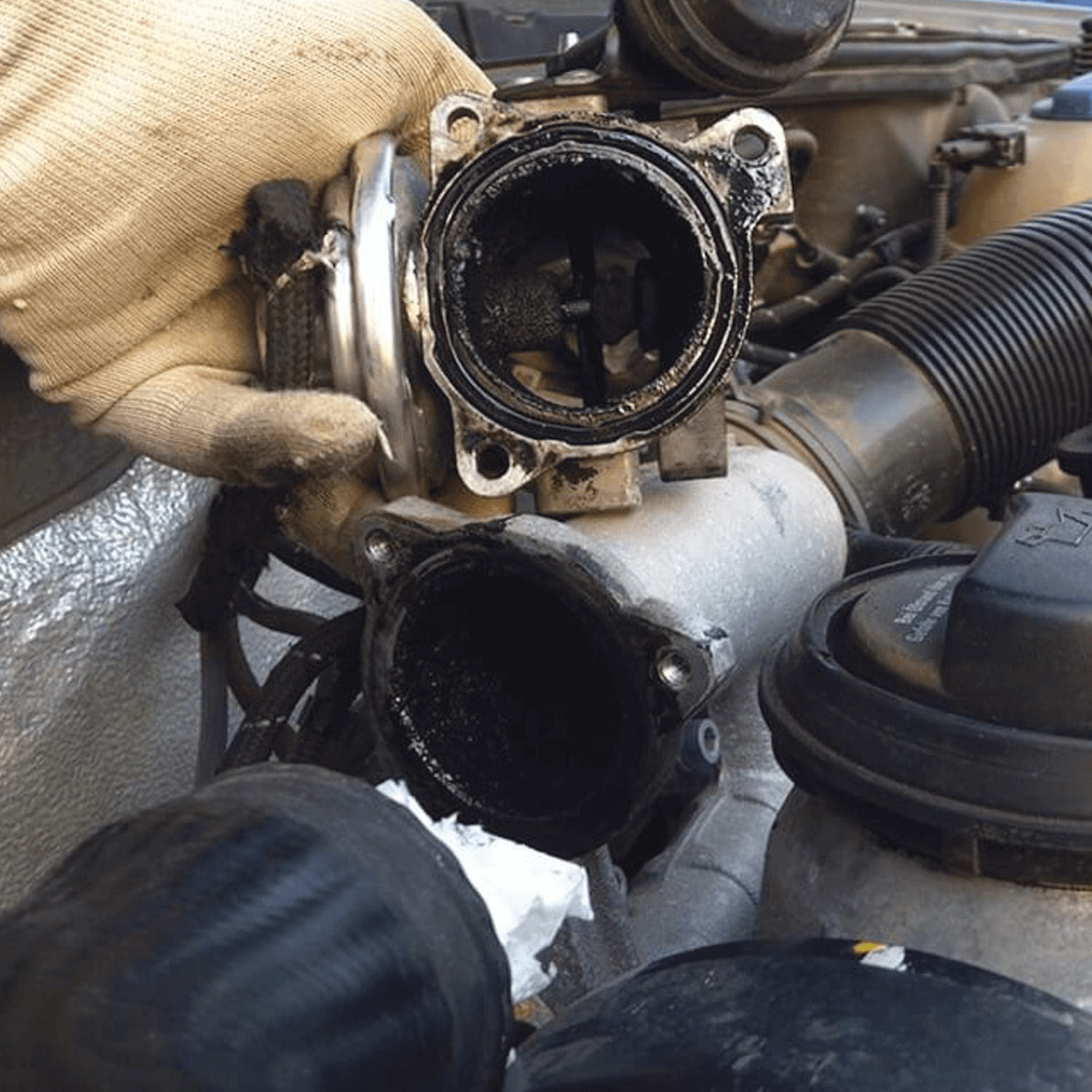
However, when the valve becomes clogged with carbon and soot, it can’t do its job. This can lead to rough idling, sluggish acceleration, and even engine warning lights.
Signs Your Egr Valve Needs Cleaning
How can you tell if your EGR valve needs attention? Here are some common warning signs:
- Rough idling: The engine shakes or runs unevenly, especially at low speeds.
- Reduced power: You notice slow acceleration or less engine response.
- Poor fuel economy: Your car uses more fuel than usual.
- Check engine light: The dashboard warning light turns on.
- Knocking or pinging: Strange noises from the engine when driving.
- Failed emissions test: Your car does not pass a pollution test.
These symptoms may also be caused by other problems, so it’s important to check the EGR valve before replacing other parts.
Why Regular Egr Valve Cleaning Is Essential
Many car owners ignore the EGR valve until something goes wrong. But regular EGR valve cleaning maintenance offers clear benefits:
- Prevents engine damage: Dirty EGR valves can cause high engine temperatures and even lead to internal damage.
- Saves money: A clean valve means better fuel efficiency and lower repair costs.
- Reduces pollution: You help the environment by lowering harmful emissions.
- Extends engine life: Clean EGR systems protect other engine components.
One non-obvious insight is that a partially clogged EGR valve may work just enough to avoid a check engine light, but still reduce your engine’s efficiency by 5–10%. Many drivers don’t notice this slow loss of performance until they clean the valve and feel the difference.
How Often Should You Clean The Egr Valve?
There’s no single answer for every car, but most experts recommend checking or cleaning the EGR valve every 30,000 to 50,000 miles. If you drive mostly in the city or in stop-and-go traffic, carbon can build up faster, so you may need more frequent cleaning.
Here’s a quick comparison of cleaning intervals:
| Driving Conditions | Cleaning Interval (miles) |
|---|---|
| Mainly Highway | Every 50,000 |
| City/Short Trips | Every 30,000 |
| Heavy Towing/Commercial | Every 20,000–30,000 |
Always check your vehicle’s manual for the manufacturer’s advice, as some engines are more sensitive than others.
Tools And Materials Needed For Egr Valve Cleaning
Before you start, make sure you have the right tools and supplies. Here’s what you typically need:
- Socket set or wrenches: To remove the EGR valve
- Screwdrivers: For electrical connectors or clamps
- EGR valve cleaner spray: Special formula for breaking down carbon
- Soft brush or pipe cleaners: To scrub away stubborn deposits
- Shop towels or rags: For wiping parts clean
- Gloves and safety glasses: To protect your hands and eyes
- Gasket scraper or plastic scraper: If you need to replace the gasket
Some cars may require special tools or a new gasket, so check your manual before starting.
Step-by-step Guide To Cleaning The Egr Valve
Cleaning the EGR valve is not difficult, but it does require patience and attention to detail. Here’s a clear process to follow:
1. Let The Engine Cool
Never work on a hot engine. Wait at least 30–45 minutes after turning off your car to avoid burns.
2. Locate The Egr Valve
The EGR valve is usually found near the engine intake manifold. It may have a round or oval shape with metal pipes attached. If you’re unsure, look for a small metal unit with a vacuum hose or an electrical connector.
3. Disconnect The Battery
For safety, disconnect the negative (-) battery cable. This prevents accidental sparks or short circuits.
4. Remove Electrical Connectors And Hoses
Carefully unplug any wires or hoses attached to the EGR valve. Use labels if needed to remember where they go.
5. Unbolt And Remove The Egr Valve
Use your socket set or wrenches to remove the bolts. Keep the bolts in a safe place. Once loose, gently lift the valve from the engine.
6. Inspect The Valve And Ports
Check for heavy carbon buildup, broken parts, or worn gaskets. If the valve is badly damaged, replacement may be better than cleaning.
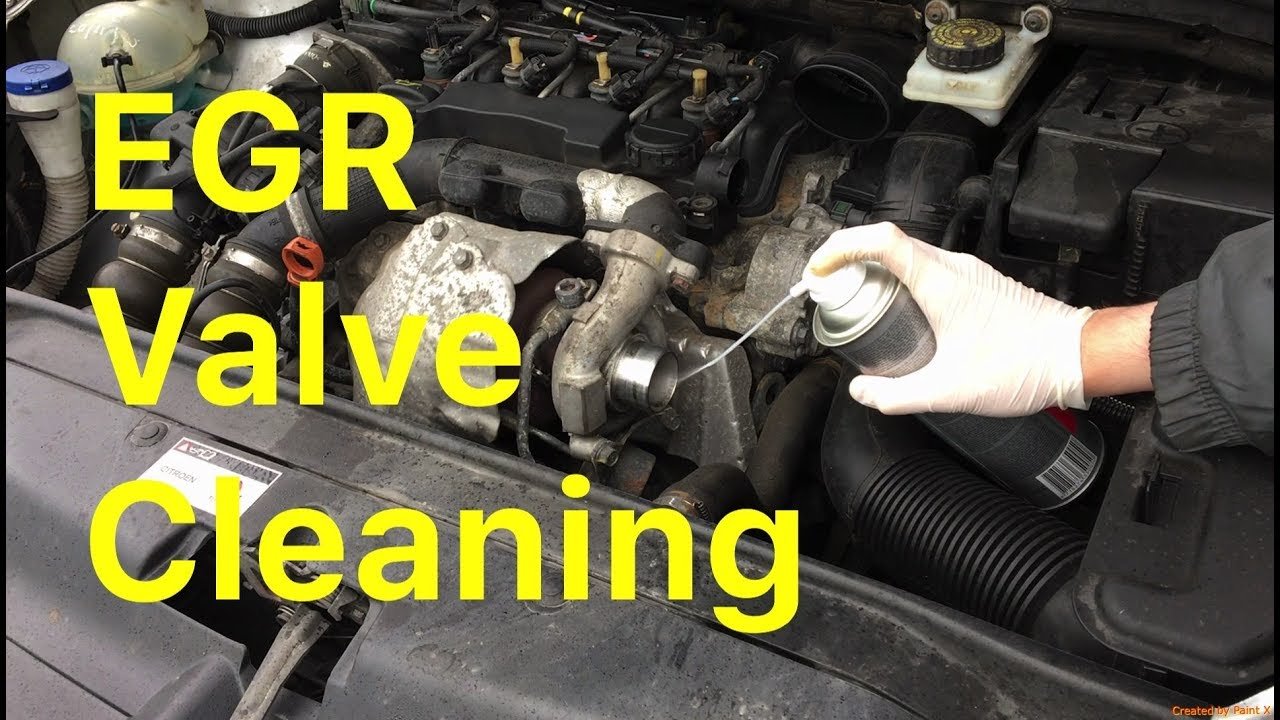
7. Clean The Egr Valve
- Spray EGR cleaner into all passages and surfaces.
- Let the cleaner soak for 10–15 minutes.
- Use a soft brush or pipe cleaner to scrub away deposits.
- Wipe all surfaces with shop towels.
- Repeat if necessary until all carbon is gone.
Be careful not to damage any sensors or rubber parts.
8. Clean The Intake Ports
If you see carbon inside the engine’s intake ports, gently clean these areas as well. Do not let debris fall into the engine.
9. Replace The Gasket (if Needed)
If the gasket is worn, cracked, or damaged, install a new one. A bad gasket can cause leaks and engine problems.
10. Reinstall The Egr Valve
Bolt the valve back in place. Reconnect hoses and wires. Double-check all connections.
11. Reconnect The Battery
Attach the negative battery cable and tighten it securely.
12. Start The Engine And Check For Leaks
Turn on the car. Listen for strange noises, and check for warning lights. If the engine runs smoothly, your cleaning was successful.

Credit: shop.advanceautoparts.com
Diy Vs. Professional Egr Valve Cleaning
Should you clean the EGR valve yourself or go to a mechanic? Here are some points to consider:
| DIY Cleaning | Professional Service |
|---|---|
| Lower cost (just tools and cleaner) | More expensive (labor charges) |
| Learn about your car | No risk of mistakes |
| May take 1–2 hours if new to the task | Usually done in under an hour |
| Possible to damage parts if not careful | Mechanic checks for other issues |
If you’re comfortable with basic car repairs, EGR valve cleaning is a manageable DIY project. However, if your car is still under warranty, or you’re unsure about the process, it’s wise to get help from a professional. According to the U.S. Environmental Protection Agency, vehicle emissions standards and onboard diagnostic systems are designed to identify problems that can increase pollution.
Common Mistakes In Egr Valve Maintenance
Many people make simple errors when cleaning or replacing the EGR valve. Here are the most frequent mistakes:
- Not disconnecting the battery: This can cause electrical shorts or damage sensors.
- Using the wrong cleaner: Only use cleaners made for EGR valves, not general-purpose solvents.
- Forcing parts: If bolts are stuck, use penetrating oil. Forcing can break the valve or manifold.
- Skipping the gasket: Always check and replace the gasket if needed.
- Ignoring intake ports: Carbon can build up in the engine, not just the valve.
- Not checking for leaks: After reinstallation, always look and listen for leaks or strange noises.
A less obvious mistake is thinking that EGR cleaning solves all engine problems. Sometimes, deeper issues like a faulty EGR sensor or clogged passages inside the cylinder head may require professional attention.
How Egr Valve Cleaning Affects Emissions And Engine Life
Keeping the EGR valve clean does more than improve performance. It also helps your car pass emissions tests and reduces the risk of expensive engine repairs. Data shows that vehicles with a well-maintained EGR system can lower NOx emissions by up to 40% compared to those with clogged or failed valves.
Another key benefit is longer engine life. High temperatures caused by a stuck EGR valve can damage pistons, valves, and gaskets. Regular cleaning keeps operating temperatures in check and protects your investment.
How Much Does Egr Valve Cleaning Cost?
The cost of EGR valve cleaning depends on whether you do it yourself or visit a mechanic:
- DIY cleaning: $10–$30 (for cleaner and supplies)
- Professional service: $70–$200 (including labor)
If the valve is damaged and needs replacement, expect to pay $100–$400 for parts and labor, depending on your car’s make and model.
Credit: www.youtube.com
Egr Valve Replacement: When Cleaning Is Not Enough
Sometimes, cleaning won’t solve the problem. If the EGR valve is cracked, corroded, or the electrical parts are broken, replacement is the only option. Signs you need a new valve include:
- Persistent engine warning lights after cleaning
- Visible cracks or broken parts
- Strong fuel smell from the exhaust
- Severe loss of power
Always choose a quality replacement part, and follow your car’s manual for installation instructions.
Extra Tips For Egr Valve Care
- Use high-quality fuel to reduce carbon buildup.
- Take your car for longer drives when possible; short trips cause faster carbon deposits.
- Fix any oil leaks quickly. Oil in the intake can clog the EGR valve.
- If your car is diesel, consider using a fuel additive that helps keep the EGR system clean.
- Never ignore check engine lights related to emissions.
Credit: shop.errecom.com
Frequently Asked Questions
How Do I Know If My Egr Valve Is Working?
A working EGR valve lets some exhaust gases back into the engine. Signs it works include smooth idling, normal engine temperature, and no check engine light. Some cars let you test the valve with a scan tool or by feeling for a change in engine speed when the valve is unplugged.
Can I Drive With A Clogged Egr Valve?
Yes, but it’s not recommended. Driving with a clogged EGR valve can cause higher emissions, poor fuel economy, engine knocking, and even long-term engine damage if ignored.
Will Cleaning The Egr Valve Fix My Check Engine Light?
It might. If a dirty EGR valve caused the warning, cleaning can clear the light. However, some codes need to be reset with a scan tool. If the light stays on, there may be a deeper problem, such as a bad EGR sensor.
What Happens If I Never Clean My Egr Valve?
Ignoring EGR cleaning can lead to carbon buildup, causing the valve to stick open or closed. This results in rough idling, poor performance, more pollution, and possible engine damage over time.
Where Can I Find More Information About Emissions Systems?
For more details about vehicle emissions and the EGR system, visit the Exhaust Gas Recirculation Wikipedia page.
Taking care of your EGR valve is a simple but powerful way to protect your car, your wallet, and the environment. Regular cleaning and smart maintenance habits ensure your engine stays strong, efficient, and ready for the road ahead.