
Electric vehicles (EVs) are changing how we think about driving, but one challenge remains: heating the cabin efficiently, especially in cold weather. Two main technologies are used in EVs to keep drivers warm: heat pumps and resistive heaters. Each has unique strengths and weaknesses, and choosing the right one can impact your comfort, energy use, and driving range. Understanding the differences is key for anyone considering an electric car—whether you live in a mild climate or face icy winters.
How Electric Car Heating Works
Before diving into the differences, it’s important to know how these systems function in the unique environment of an EV. Unlike gasoline cars, which use waste heat from the engine, electric vehicles must create heat from electricity. This means heating can affect the battery and reduce driving range.
The Need For Efficient Heating
In cold weather, batteries work less efficiently, and more energy is needed to heat the cabin. The more electricity the heater uses, the less is available for driving. That’s why efficient heating systems are crucial for electric cars.
What Is A Resistive Heater?
A resistive heater is the simplest type of electric car heater. It works like a home space heater: electricity passes through a coil, which heats up and warms the air. This hot air is then blown into the cabin.
How Resistive Heaters Work
- Direct energy conversion: Electricity is turned directly into heat.
- Quick response: Heat is produced almost instantly.
- Simple design: Fewer moving parts than complex systems.
Where Are Resistive Heaters Used?
Many early electric vehicles, and some current models, use resistive heaters. They are reliable and cheap to produce. However, they are not very energy-efficient, especially when it’s very cold outside.
What Is A Heat Pump?
A heat pump is a more advanced system that moves heat rather than creating it. It works like a reverse air conditioner, taking heat from outside air—even when it’s cold—and transferring it into the car’s cabin.
How Heat Pumps Work
- Heat transfer: Moves existing heat from the air outside into the car.
- Refrigerant cycle: Uses a compressor, evaporator, and condenser, similar to a home air conditioner but in reverse.
- Can cool and heat: Many heat pump systems can also provide air conditioning in summer.
Where Are Heat Pumps Used?
Heat pumps are now found in many new EVs, especially those from brands like Tesla, Hyundai, and Nissan. These systems are favored in markets where cold weather is common, due to their ability to save energy.
Side-by-side Comparison: Heat Pump Vs Resistive Heater
Here’s a clear look at how these two systems compare on several key factors:
| Feature | Heat Pump | Resistive Heater |
|---|---|---|
| Energy Efficiency | High (2-3x more efficient) | Low (1:1 ratio) |
| Heating Speed | Moderate (slower start in extreme cold) | Fast (instant heat) |
| Impact on Range | Low | High |
| Performance in Extreme Cold | Decreases below -10°C | Consistent |
| Cost | Higher (more complex) | Lower (simple design) |
| Maintenance | More (additional parts) | Minimal |
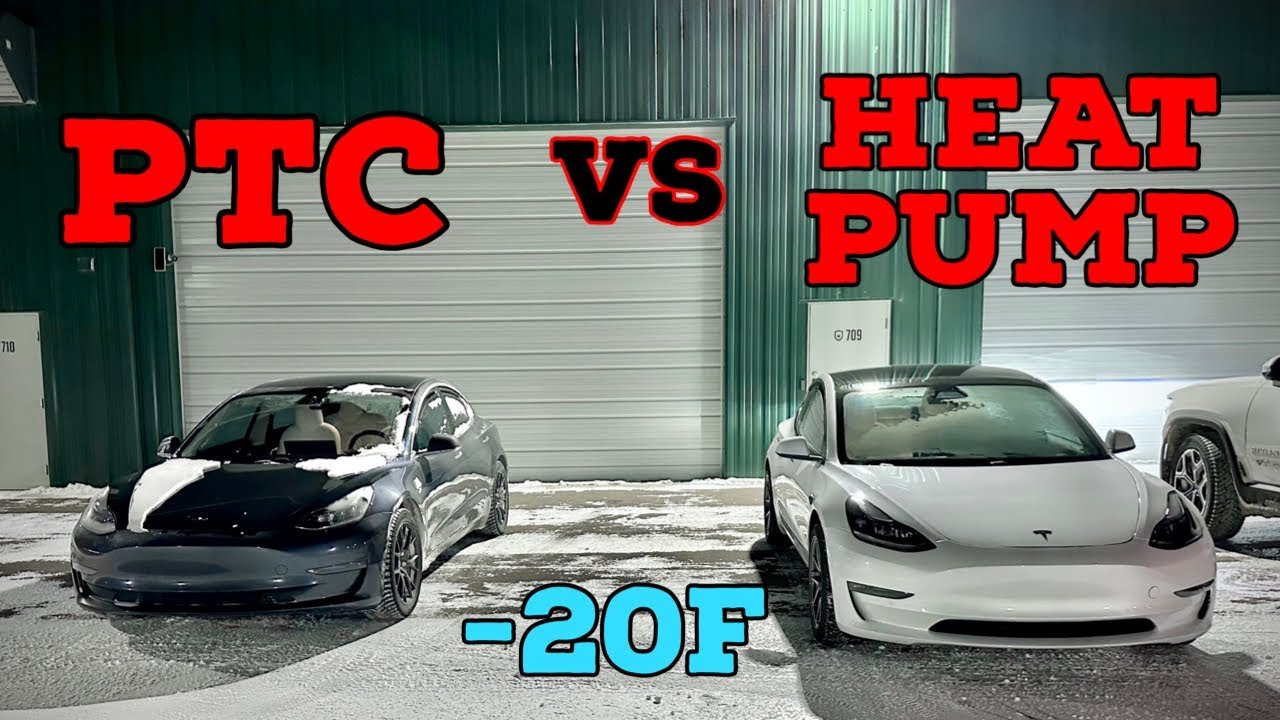
Credit: www.youtube.com
Energy Efficiency And Range
One of the biggest concerns for EV drivers is driving range—how far you can go on a single charge. Heating can have a major impact here.
Why Heat Pumps Save More Energy
A heat pump typically uses 50-70% less energy than a resistive heater. While a resistive heater uses 1 kWh of electricity to make 1 kWh of heat, a heat pump can deliver 2-3 kWh of heat for every 1 kWh of electricity used. This higher Coefficient of Performance (COP) is the reason for the energy savings.
Real-world Range Impact
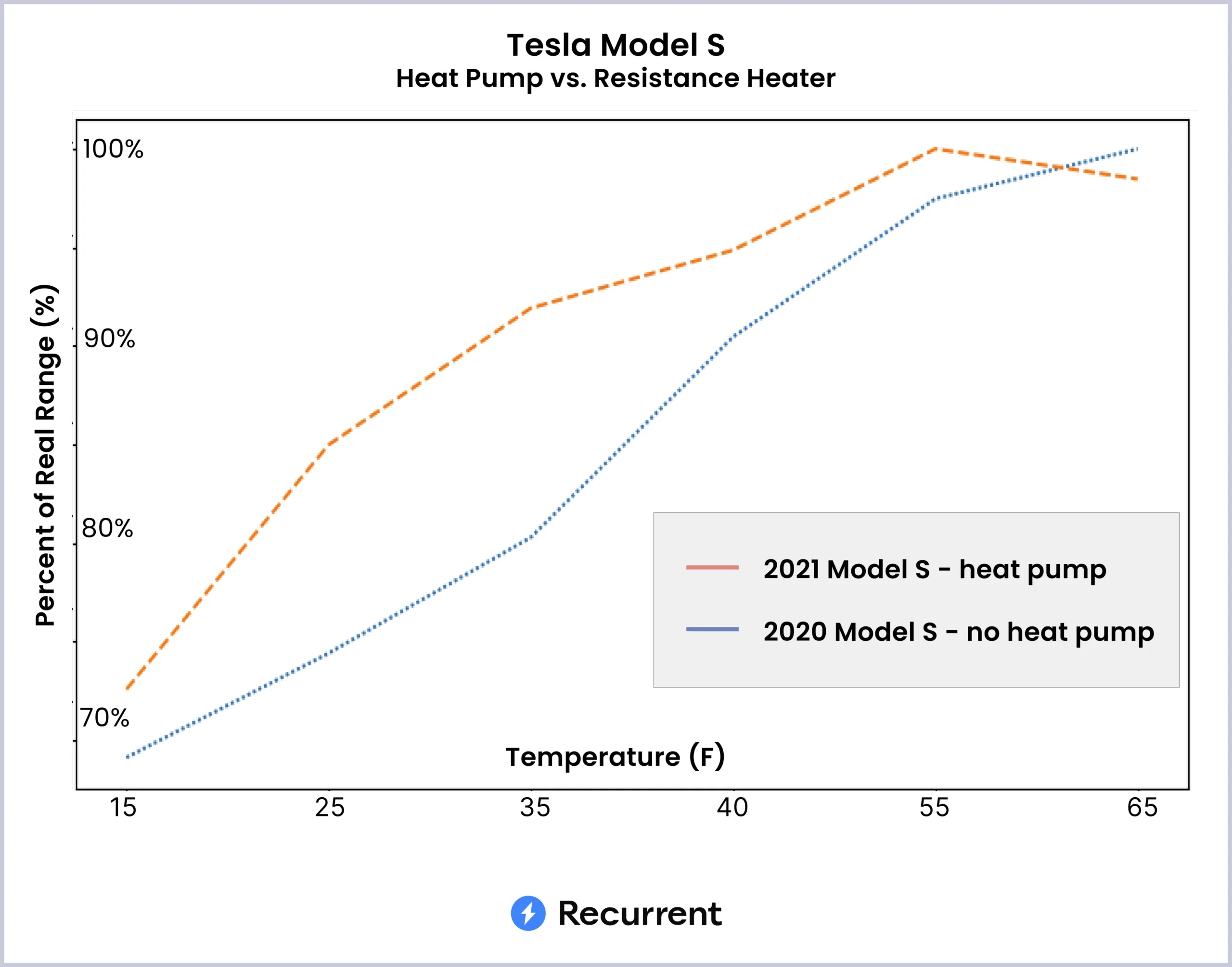
- In cold weather, using a resistive heater can cut your range by up to 40%.
- With a heat pump, the loss is usually 10-20%.
- For example, a Tesla Model Y with a heat pump can travel farther in winter than a Model 3 without one.
| Heater Type | Estimated Range Loss (Winter) | Notes |
|---|---|---|
| Resistive Heater | 30-40% | High energy use |
| Heat Pump | 10-20% | Much more efficient |
Extra Insight: Battery Preconditioning
Some EVs with heat pumps can precondition the battery and cabin, warming them up while the car is still plugged in. This reduces range loss during actual driving, something not all resistive heater systems do.
Performance In Extreme Cold
Both systems face challenges when temperatures drop very low.
Heat Pumps In Cold Weather
- Efficiency drops below -10°C (14°F).
- At very low temperatures, there’s not enough heat outside to absorb.
- Some cars add a small resistive heater to help the heat pump when it’s very cold.
Resistive Heaters In Cold Weather
- Performance stays the same, no matter how cold it is.
- Always delivers full heat, but at a big cost to range.
Example: Norway’s Winter Experience
In countries like Norway, drivers notice big range differences in winter. Cars with heat pumps perform better unless the weather gets extremely cold, when both systems may be needed.
Cost And Maintenance
The price and complexity of each system also matter, both for buyers and for long-term ownership.
Upfront Cost
- Heat pumps add $1,000–$2,000 to a vehicle’s price.
- Resistive heaters are much cheaper, sometimes standard in lower-cost EVs.
Maintenance Needs
- Heat pumps have more parts (compressor, valves) that can wear out.
- Resistive heaters are simple and rarely fail.
Long-term Value
While heat pumps cost more at first, they can save money by reducing energy use—especially if you drive often in cold weather.
Comfort And Usability
Beyond Numbers, How Do These Systems Affect Your Day-to-day Comfort?
Cabin Warm-up Speed
- Resistive heaters give instant heat, so the cabin warms quickly.
- Heat pumps can be slower, especially when it’s very cold.
Even Heating
Heat pumps often provide gentler, more even heating. Some users find this more comfortable than the hot blasts from resistive heaters.
Noise Levels
Because heat pumps use compressors, they can be a bit noisier. However, in most modern EVs, this is not a big issue.
Credit: www.recurrentauto.com
Environmental Impact
Saving energy doesn’t just help your wallet—it’s also better for the planet.
Lower Energy Use Means Fewer Emissions
- Heat pumps use less electricity, so they reduce the demand on the power grid.
- This means lower carbon emissions, especially important in areas where electricity comes from fossil fuels.
Battery Longevity
Using less energy for heating means less battery stress over time, which can help your battery last longer.
Common Myths And Misconceptions
“heat Pumps Don’t Work In Cold Climates”
While efficiency drops in extreme cold, heat pumps still work in most winter conditions. Many cars have hybrid systems that use both technologies as needed.
“resistive Heaters Are Always Bad”
In places with mild winters or for short urban drives, a resistive heater’s simplicity can be a good choice. Not all drivers need the extra efficiency of a heat pump.
Which Is Right For You?
Choosing between a heat pump and resistive heater depends on:
- Climate: If you live in a cold region, a heat pump will save you more energy and range.
- Budget: Resistive heaters are cheaper, but you may pay more for charging.
- Driving Habits: Long drives in winter favor heat pumps. For short city trips, resistive heaters may be enough.
- Vehicle Model: Some cars let you choose; others come with one system by default.
Example Decision
If you drive a Nissan Leaf and live in Canada, you’ll likely want the heat pump option. In Florida, a resistive heater could be enough.
Future Trends In Ev Heating
Automakers are working on even more efficient systems:
- Dual-source heating: Combining heat pumps and resistive heaters for best performance in all conditions.
- Waste heat recovery: Using warmth from batteries and motors to heat the cabin.
- Smart controls: Automatically adjusting heating based on weather, battery state, and trip length.
These advances will help electric cars become even more practical in all climates.

Credit: www.kiaevforums.com
Frequently Asked Questions
What Is The Main Advantage Of A Heat Pump Over A Resistive Heater?
The biggest advantage is energy efficiency. A heat pump can provide up to three times more heat per unit of electricity compared to a resistive heater. This efficiency means you can drive farther on a single charge, especially in cold weather.
Do All Electric Cars Have Heat Pumps?
No, not all EVs have heat pumps. Many older or budget-friendly models use resistive heaters. Some brands, like Tesla and Hyundai, now include heat pumps in many models, but it often depends on the trim level or market.
Can A Heat Pump Completely Replace A Resistive Heater In Very Cold Climates?
In most cases, no. When the outside temperature drops below -10°C, heat pumps become less effective. That’s why many EVs with heat pumps also include a small resistive heater for backup in extreme cold.
How Does Heating Affect Electric Car Battery Life?
Using the cabin heater—especially a resistive one—draws energy from the battery. This reduces driving range and can add stress to the battery over time, possibly shortening its lifespan. More efficient heating, like a heat pump, helps reduce this impact.
Is It Worth Paying Extra For A Heat Pump In An Electric Car?
If you live in a place with cold winters or take long trips, a heat pump is usually worth the extra cost. You’ll save energy, maintain more range, and enjoy better comfort. In warm climates, the benefits are smaller, so it may not be necessary.
For more details on how heat pumps and resistive heaters work in electric vehicles, check out this Wikipedia page on heat pumps.
Electric vehicle heating technology is improving quickly. Understanding the differences helps you make a smart choice—keeping you warm and getting the most out of every charge, wherever the road takes you.