
Electric cars have changed how people think about driving. They are quiet, clean, and cheaper to run over time. But one common fear still troubles many drivers: EV range anxiety. This is the worry that your electric vehicle (EV) might run out of battery before you reach your destination or a charging station. If you have felt this, you’re not alone. Even experienced EV owners sometimes worry about running out of power, especially on longer trips or in new places.
But here’s the good news: with smart planning and a few simple strategies, you can travel with confidence in your electric car. Range anxiety doesn’t have to stop you from enjoying all the benefits of EV driving. Whether you use your EV for daily commutes or plan road trips, these practical tips will help you get the most out of every charge.
Understand Your Ev’s Real-world Range
Manufacturers usually advertise the maximum range of an EV under ideal conditions. But in real life, weather, speed, and driving habits affect how far you can go. To manage range anxiety, first learn what your car can really do.
For example, if your EV is rated at 250 miles, you might get 230 miles in warm weather and less in winter. Check your car’s energy use display after different trips. Over time, you’ll see a pattern in how much power you use on highways, city streets, or hills.
This knowledge helps you plan trips and decide when you really need to charge.
Plan Your Routes With Charging In Mind
Before any long drive, especially to a new place, map your journey with charging stops in mind. Many apps and websites can help you find public charging stations along your route.
Popular tools include:
- PlugShare
- Google Maps (with EV charging filter)
- ChargePoint
- A Better Routeplanner (ABRP)
These apps let you filter by charger speed (Level 2 or DC Fast), check station availability, and read reviews from other drivers. Planning your route with charging in mind removes a lot of stress.
Know Your Charging Options
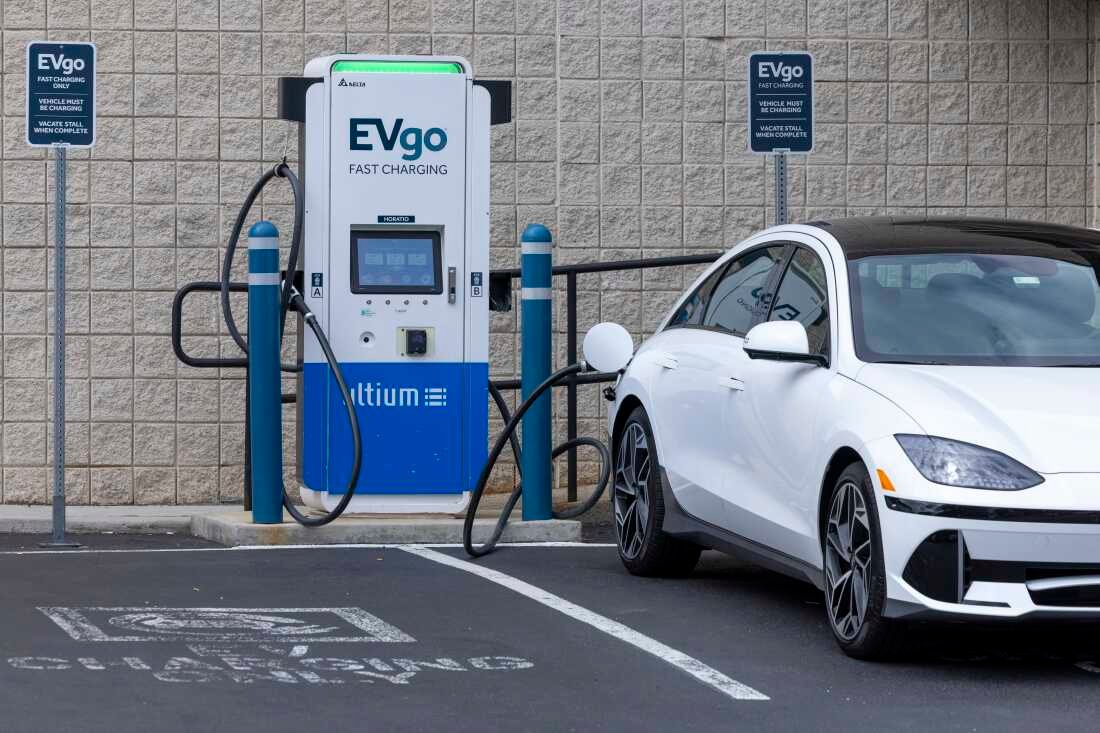
Not all chargers are the same. Understanding the difference helps you save time and avoid surprises.
| Charger Type | Typical Power | Charging Time (0-80%) | Best Use |
|---|---|---|---|
| Level 1 | 1.4 kW (120V) | 20–40 hours | Overnight at home |
| Level 2 | 7–22 kW (240V) | 4–8 hours | Home or public charging |
| DC Fast | 50–350 kW | 20–60 minutes | On the road/travel |
Some charging stations require a membership or special app. Check this before your trip, and download any needed apps ahead of time.
Adopt Efficient Driving Habits
How you drive has a big effect on your EV’s range. Small changes can help you go farther on each charge.
- Drive smoothly: Gentle acceleration and braking use less energy.
- Limit high speeds: Driving over 65 mph can drain your battery much faster.
- Use eco modes: Most EVs have an “Eco” setting. This adjusts power and climate controls to save energy.
- Coast when possible: On flat or downhill roads, let your car roll instead of pressing the accelerator.
Try to keep your car light. Remove heavy items from your trunk or roof when not needed. Less weight means less energy used.
Credit: www.bakerdonelson.com
Monitor Weather And Temperature
Extreme temperatures—both hot and cold—can impact your EV’s range. Batteries are less efficient in freezing weather, and using the heater or air conditioning uses extra power.
In winter:
- Preheat your car while it’s still plugged in to avoid using battery for warming.
- Drive gently to help the battery warm up.
- Expect about 20–30% less range in very cold weather.
In hot weather:
- Pre-cool while plugged in.
- Use seat or steering wheel heaters instead of full cabin heat when possible.
- Park in the shade to avoid battery overheating.
Knowing these effects helps you adjust your plans and avoid surprises on the road.
Charge Whenever You Can
Don’t wait until your battery is almost empty to charge. Instead, top up whenever you have the chance—at work, while shopping, or during a meal.
Most batteries last longer if you keep them between 20% and 80% charged. Frequent small charges are better than waiting for a full recharge from empty.
Some workplaces, hotels, and shopping malls now offer free or low-cost charging. Take advantage of these whenever possible.
Credit: citaevcharger.co.uk
Use Regenerative Braking
EVs can turn slowing or stopping into extra energy. This is called regenerative braking. When you let off the accelerator or use the brake pedal, the motor acts as a generator and sends some power back to the battery.
Turn on the highest regen setting your car allows, especially in city driving. Over a week, this can add several miles of range.
Learn Your Car’s Warnings And Features
Modern EVs warn you if your battery is getting low or if you’re out of range of charging stations. Don’t ignore these alerts. Some cars also offer range prediction based on your driving and the map.
Explore your EV’s features:
- Trip planner with charging stops
- Real-time range estimates
- Energy usage history
Knowing how to use these tools reduces stress and helps you make better decisions.
Credit: www.npr.org
Prepare For Longer Trips
Long road trips in an EV need more planning than in a gas car, but they are possible and fun. Here’s how to get ready:
- Map your route and backup charging stations.
- Check for fast charging spots at food or rest stops.
- Pack a portable charging cable (some areas have only basic outlets).
- Allow extra time for charging, especially if stations are busy.
- Download several charging apps in case one network is offline.
If you’re new to EV travel, start with a shorter trip to build confidence.
Make Use Of Community Resources
The EV community is friendly and active. Online groups, forums, and social media pages often share tips about reliable charging spots, road trip stories, and local events.
If you’re unsure about a route or charging location, ask other drivers. Sites like PlugShare provide real-world reviews and recent updates for charging stations.
Compare Charging Networks
Not all charging networks are equal in speed, reliability, or price. Some are better for city driving, others for long trips.
Here’s a comparison of three popular networks in the US:
| Network | DC Fast Charger Locations | Typical Cost (per kWh) | App Required? |
|---|---|---|---|
| Electrify America | 800+ | $0.31–$0.43 | Yes |
| ChargePoint | 2,000+ | $0.20–$0.45 | Yes |
| Tesla Supercharger | 1,600+ | $0.25–$0.50 | Yes (for non-Tesla, optional) |
Check which networks are common in your area or along your travel route.
Don’t Always Aim For 100%
It’s natural to want a full battery, but charging from 80% to 100% takes much longer and stresses the battery. Most fast chargers slow down after 80% to protect the battery.
If your trip allows, unplug at 80–90% and save time. Charging to 100% is best for long trips, not daily use.
Set Realistic Expectations
Even with planning, sometimes you’ll need to wait for a charger or adjust your route. That’s normal as charging networks grow.
EVs are already perfect for most daily driving needs. Data shows over 80% of car trips in the US are under 40 miles—far less than a typical EV range.
Think of charging as part of your routine, like charging a phone overnight. Over time, it becomes second nature.
Use Navigation With Live Traffic And Charging Data
Many newer EVs and apps can show live traffic and charging station status. If a station is busy or offline, you’ll know before you arrive.
Apps like ABRP and Google Maps update in real time, so you can make better decisions on the go. This reduces the risk of getting stuck with no power or waiting in a long line.
Take Advantage Of Home Charging
If you can, install a Level 2 charger at home. This is the most stress-free way to avoid range anxiety. You’ll start each day with a full (or nearly full) battery.
Home charging is also cheaper than public charging. In the US, the average cost per mile for an EV is less than half that of a gasoline car, according to the US Department of Energy.
Practice Smart Battery Care
Protect your battery for the long term:
- Don’t let your battery sit at 0% or 100% for long periods.
- Park in the shade or a garage to avoid extreme temperatures.
- Update your EV’s software regularly for the latest battery management tools.
Healthy batteries deliver better range and peace of mind.
Trust The Numbers, Not Just The Gauge
Your car’s “miles remaining” is an estimate. It’s smart to check the state of charge (SOC) percentage and compare it to your trip distance. If you have 40% charge left and 40 miles to go, you should be safe—but always have a backup charging plan.
Experienced EV drivers use both the range number and their own experience to avoid surprises.
Non-obvious Insights For Beating Range Anxiety
- Use destination charging: Hotels and restaurants with chargers let you fill up while you sleep or eat. This can save hours compared to waiting at fast chargers on the road.
- Monitor vampire drain: Some EVs lose a small amount of power each day when parked, especially in very hot or cold weather. If you leave your car for several days, check the battery before you return.
Frequently Asked Questions
What Is Ev Range Anxiety?
EV range anxiety is the fear that your electric car will run out of battery before you can reach a charging station. This is common for new EV drivers but becomes less of a worry with experience and planning.
How Accurate Are Ev Range Estimates?
EVs estimate range based on battery charge and recent driving habits. Factors like speed, weather, and hills can change the number quickly. Use the range display as a guide, not an exact number, and always allow a safety margin.
Can You Charge An Ev In The Rain?
Yes, charging stations and EVs are designed to be safe in all weather, including rain. Just follow normal safety rules and check for any warnings from your car or the charging station.
How Long Does It Take To Charge An Electric Car?
Charging time depends on the charger and your car’s battery size. At a fast charger, most EVs can go from 20% to 80% in 30–60 minutes. At home on Level 2, a full charge usually takes 4–8 hours.
What Happens If I Run Out Of Battery In An Ev?
If you run out of battery, your car will slow down and eventually stop. You will need to call for roadside assistance to be towed to a charger. This is rare if you monitor your range and plan your trips carefully.
Switching to an EV is a big step toward cleaner driving. While range anxiety is real, it doesn’t have to control your experience. With smart habits, planning, and the growing charging network, you can travel confidently almost anywhere. Over time, charging becomes just another part of your routine, and the benefits of electric driving will far outweigh the early worries.