
The Ford Explorer has been a familiar sight on roads since the early 1990s. It’s known for its practicality, family-friendly space, and all-weather confidence. But like any vehicle with a long history, the Explorer has seen its share of ups and downs.
Whether you’re shopping for a used Explorer or just want to understand the model’s reliability, knowing the common problems by model year is essential. This guide breaks down Explorer issues year by year, highlighting what owners and mechanics have seen over the decades.
The 1990s: Launch And Early Issues
The first Ford Explorer rolled out in 1991. It quickly became a best-seller, but some early problems left their mark. Models from 1991-1994 often had transmission failures. The automatic transmissions were not as durable as expected, leading to rough shifting and, eventually, costly replacements. Many owners also reported rusting rocker panels and paint fading, especially in areas with harsh winters.
By the 1995-2000 range, Ford updated the body and interior, but another round of issues appeared. The 4.0L SOHC V6 engine developed a reputation for timing chain tensioner failures. This could lead to rattling noises and, if ignored, severe engine damage. Another recurring problem was with the rear suspension, which sometimes caused a rough ride and premature tire wear.
Non-obvious insight: Early Explorer models had a unique problem: the location of the spare tire under the vehicle led to corrosion and difficulty removing it, especially in salt-heavy climates.
2001–2005: Major Redesign, New Headaches
The third-generation Explorer (2002-2005) featured a new chassis and independent rear suspension. It improved ride comfort but brought some new issues.
- Transmission failure was rampant, especially in the 2002 and 2003 models. Many owners reported the need for a complete rebuild before 100,000 miles.
- The plastic intake manifold on V8 engines often cracked, leading to coolant leaks and engine overheating.
- Rear differential noise and failure became common, often starting with a humming sound and progressing to expensive repairs.
Common Problems By Model Year (2001–2005)
| Year | Major Problem | Estimated Repair Cost |
|---|---|---|
| 2002 | Transmission failure | $2,500–$3,500 |
| 2003 | Rear differential failure | $800–$1,400 |
| 2004 | Cracked intake manifold | $600–$1,000 |
| 2005 | Wheel bearing noise | $350–$600 per wheel |
Practical tip: If buying a 2002–2005 Explorer, check if the transmission and differential have already been replaced. If not, budget for these repairs.
2006–2010: Improved Quality, Fewer Problems
This generation saw Ford address many earlier complaints. The transmission was improved, and the chassis was sturdier. Still, some issues remained:
- Radiator leaks around the seams were common in 2006–2007 models, causing overheating if not caught early.
- The rear window trim often separated, especially in hot climates.
- Timing chain guides in the 4.6L V8 could wear out, causing rattling noises on cold start.
Beginner’s miss: Many overlook the importance of cooling system maintenance. Ignoring small leaks in these years often leads to larger, more expensive engine repairs.
2011–2015: Unibody Move And New Technologies
The 2011 Explorer marked a big change: it switched from a body-on-frame truck to a unibody crossover. This brought better comfort and handling, but also some unique challenges.
- The power steering system (Electric Power Assisted Steering, or EPAS) was a weak point in 2011–2013 models. Sudden loss of power assist made steering heavy, especially at low speeds.
- Water pump failures in the 3.5L V6 (often inside the engine) led to coolant mixing with oil, sometimes ruining the engine.
- The MyFord Touch infotainment system was buggy, freezing or rebooting randomly.
Reliability Comparison: 2011–2015
| Year | Main Issue | Average Mileage When Problem Appears |
|---|---|---|
| 2011 | Power steering failure | 80,000 mi |
| 2012 | Water pump failure | 90,000 mi |
| 2013 | Infotainment glitches | 60,000 mi |
| 2014 | Exhaust smell in cabin | 50,000 mi |
| 2015 | Paint bubbling | 60,000 mi |
Not obvious: The water pump on the 3.5L V6 is internal; replacing it often requires significant labor, making it more expensive than many expect.

Credit: autopom.com
2016–2019: Tech Upgrades And Recurring Issues
Ford added more tech and safety features, but some earlier issues persisted.
- Exhaust fumes in the cabin was a major complaint, especially on 2016–2017 models. Some drivers reported headaches or nausea, which led to Ford issuing a technical service bulletin.
- Turbocharged EcoBoost engines sometimes suffered from coolant leaks and overheating, especially if maintenance was neglected.
- Door panel warping and paint bubbling continued, particularly in hot, sunny regions.
Pro tip: Have the exhaust system checked for leaks if you smell unusual odors inside the vehicle, especially in these model years.
2020–2023: New Platform, Early Reliability Concerns
The 2020 Explorer arrived with a new rear-wheel-drive platform and fresh engines. While it’s praised for its performance, some early problems have surfaced.
- Transmission shifting issues were reported on 2020 models, including harsh shifts and hesitation.
- Infotainment system bugs persisted, with occasional screen freezes and connectivity problems.
- Wind noise and rattles appeared in some vehicles, affecting cabin comfort.
Data point: According to owner surveys, complaints dropped slightly for the 2022–2023 models as Ford addressed some software and quality issues. Still, first-year models of any redesign often have more problems than later years.
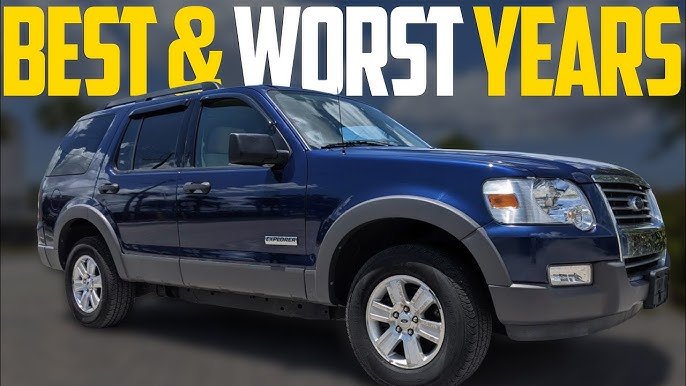
Credit: www.youtube.com
Year-by-year Summary Table
For quick reference, here is a summary of the most common problems by Ford Explorer model year:
| Model Year | Main Problem | Severity (1-5) |
|---|---|---|
| 1991–1994 | Transmission failure | 4 |
| 1995–2000 | Timing chain issues | 3 |
| 2002–2003 | Transmission/differential failure | 5 |
| 2004–2005 | Intake manifold cracks | 3 |
| 2006–2010 | Radiator leaks | 2 |
| 2011–2012 | Power steering failure | 4 |
| 2013–2015 | Infotainment issues | 2 |
| 2016–2017 | Exhaust in cabin | 3 |
| 2020 | Transmission shifting | 2 |
| 2021–2023 | Infotainment bugs | 2 |
What To Watch For When Buying A Used Explorer
If you’re considering a used Ford Explorer, being aware of these issues can save you money and stress.
- Check for repair history. Ask for records showing major repairs like transmission or water pump replacements.
- Test drive carefully. Listen for odd noises, check for smooth shifting, and note any warning lights.
- Inspect for leaks. Look under the vehicle for coolant, oil, or transmission fluid leaks.
- Ask about recalls. Some problems, like steering and exhaust issues, were subject to recalls or technical bulletins.
Expert tip: Many problems are more likely if the vehicle missed routine maintenance. A well-kept Explorer, even from a “problem” year, is often more reliable than a neglected one from a “good” year.
Are Newer Ford Explorers More Reliable?
Recent Explorers (2021 and up) show improvements in reliability and technology. Ford has worked to fix earlier problems, especially with infotainment and driveability. However, because these models are still new, long-term durability is less known.
Caution: Avoid buying the very first year of a major redesign (like 2020) unless you’re comfortable with the risk of early “teething” issues.
Ford Explorer Problems: How They Compare To Other Suvs
While the Explorer has had its trouble spots, it’s not alone. Many SUVs from the same era faced similar issues—especially with transmissions and infotainment systems.
For further comparison, you can find more detailed SUV reliability data on Consumer Reports.

Credit: sealight-led.com
Frequently Asked Questions
What Years Of Ford Explorer Should I Avoid?
The 2002–2003 models are widely considered the riskiest due to severe transmission and differential failures. Early 2011–2012 models also had major steering and water pump issues.
Are Ford Explorer Transmissions Still A Problem?
Transmission issues were mostly fixed after 2010, but some 2020 models reported harsh shifting. Always test drive and check for service records before buying.
Is The Ford Explorer Expensive To Maintain?
Repair costs vary by year. Major repairs like transmission or water pump replacement can be costly, but regular maintenance keeps most Explorers running well.
Are There Any Reliable Ford Explorer Years?
Yes. The 2006–2010 and 2016–2019 models are generally considered more reliable, especially if well maintained.
What Is The Most Common Engine Problem In The Explorer?
The timing chain tensioner failure in the 4.0L V6 (late 1990s models) and internal water pump failure in the 3.5L V6 (2011–2015) are the most frequent engine-related complaints.
The Ford Explorer’s history is a story of change—sometimes for better, sometimes for worse. By understanding which years had the most problems, you can make a smarter purchase or keep your Explorer running strong for years to come.