
If you turn the key and your car’s engine doesn’t start, but you don’t hear that familiar “hum” from under the rear seat or fuel tank, your fuel pump may not be priming. This issue can leave you stranded, confused, and frustrated. But understanding what causes a fuel pump not to prime, how to diagnose it, and what to do next can save you time and money. Here’s a complete guide to help you get your vehicle running again.
What Does “fuel Pump Not Priming” Mean?
When you turn the ignition key to the “ON” position (before starting), the car’s fuel pump is supposed to run for a few seconds. This process is called “priming.” It builds the right fuel pressure in the lines so the engine can start smoothly. If you don’t hear the pump running, or the engine won’t start due to lack of fuel, it means the pump isn’t priming.
Sometimes, the problem is simple. Other times, it’s a sign of a deeper electrical or mechanical fault.
Why Is Fuel Pump Priming Important?
Priming ensures fuel is ready to be injected into the engine the moment you crank it. Without priming:
- The engine cranks but does not start
- You may hear clicking noises but no engine roar
- Repeated attempts to start can drain your battery
Without the right pressure, even a healthy engine can’t run. In modern vehicles, fuel priming is controlled by electronics, relays, and sensors, making troubleshooting more complex.
Credit: www.reddit.com
Common Reasons A Fuel Pump Does Not Prime
Several issues can stop a fuel pump from priming. Below are the most frequent causes, with practical details for each.
1. Blown Fuel Pump Fuse
A fuse protects the fuel pump circuit. If it blows, the pump gets no power.
- How to check: Find the fuse box (usually under the dashboard or hood). Look for “Fuel Pump” on the diagram, pull the fuse, and inspect the metal strip.
- What beginners miss: Even if a fuse looks fine, test it with a multimeter. Sometimes, hairline cracks are hard to see.
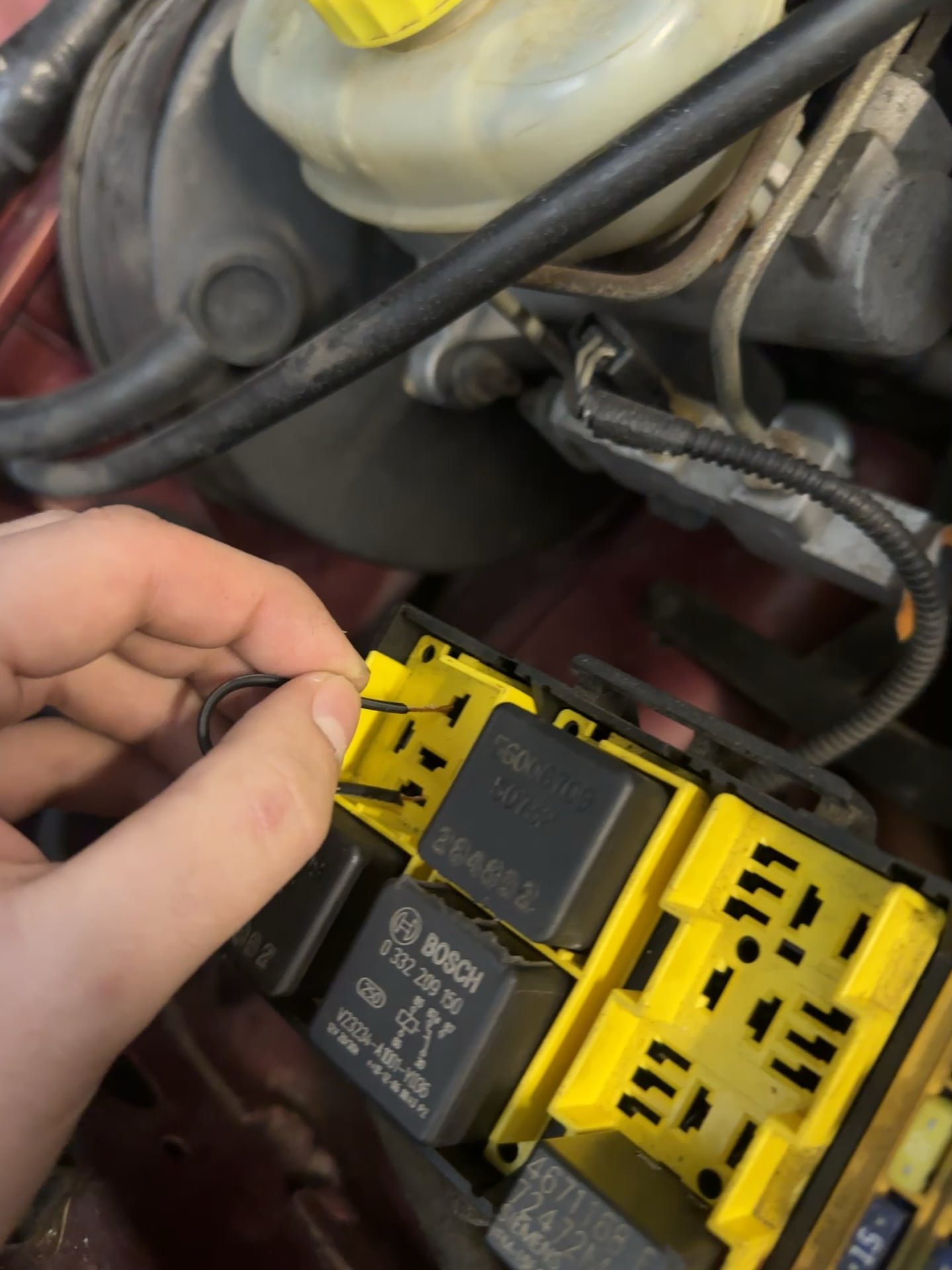
2. Faulty Fuel Pump Relay
The fuel pump relay acts as a switch, turning the pump on and off. If it fails, no power reaches the pump.
- Testing tip: Swap the relay with a similar one in your fuse box (like the horn relay). If the pump primes, the relay is the issue.
- Non-obvious insight: Some relays fail only when hot, so test under different conditions.
3. Bad Fuel Pump Ground Connection
A weak or corroded ground wire means poor electrical flow. The pump may not run at all.
- How to check: Inspect the ground point for rust, looseness, or broken wires near the tank.
- What people miss: Sometimes, grounds are shared with other devices. Test if other electrical items are also acting up.
4. Faulty Ignition Switch
The ignition switch sends the “prime” signal. If it’s worn, the pump may not receive power when you turn the key.
- Symptoms: No dashboard lights, or accessories not working.
- Example: On older cars, jiggling the key may help—this points to a failing switch.
5. Bad Inertia Switch (fuel Cut-off Switch)
Some cars have a safety switch that cuts fuel after a collision. If tripped or faulty, the pump stays off.
- Location: Usually in the trunk or passenger footwell.
- Tip: Press the reset button firmly, even if you haven’t had an accident.
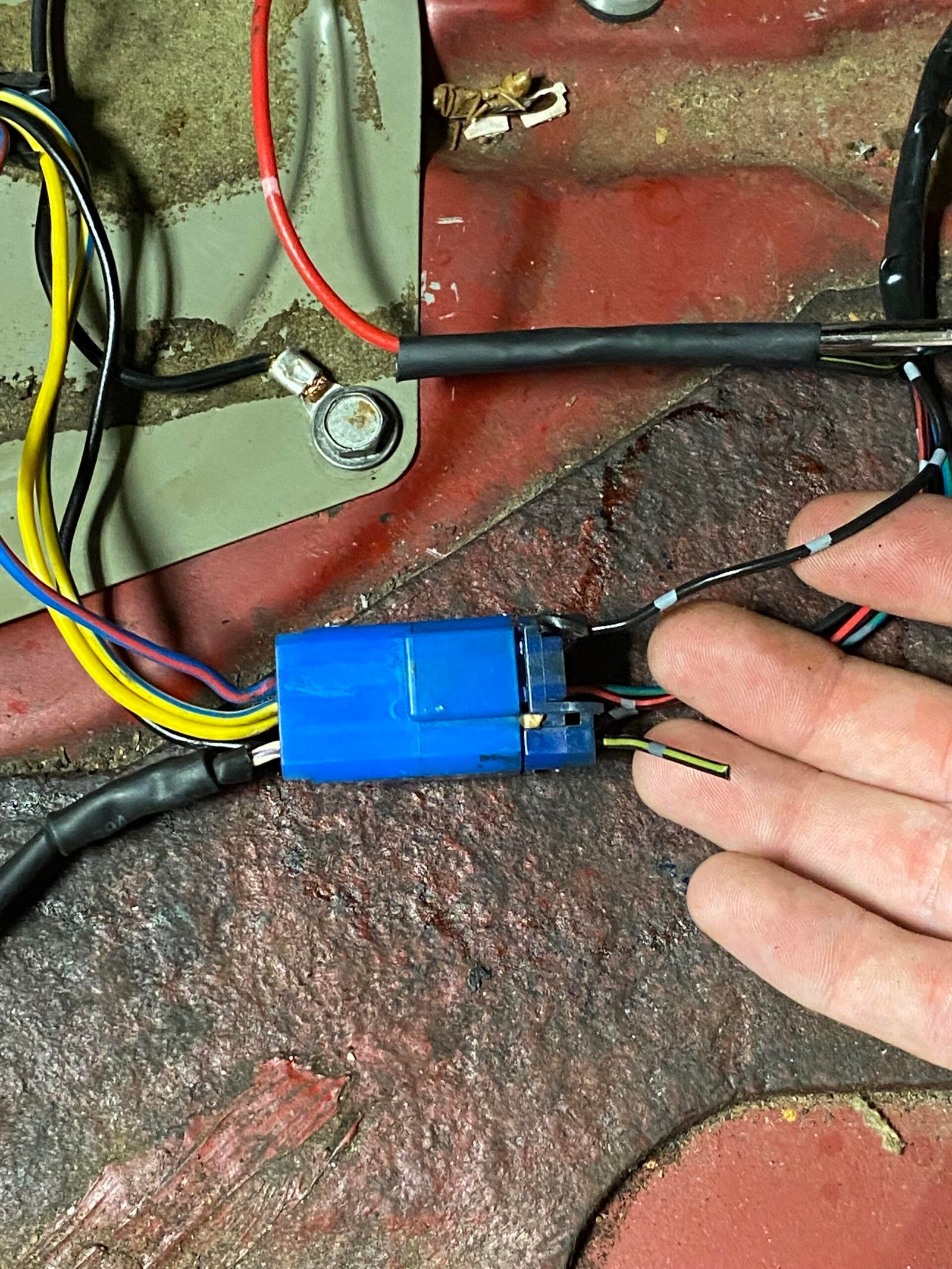
6. Wiring Problems
Wires to the fuel pump can become frayed, corroded, or disconnected.
- Where to look: Under the car near the tank, and at the harness connectors.
- Non-obvious insight: Mice or road salt can damage hidden wires—inspect carefully.
7. Failed Engine Control Module (ecm/pcm)
The ECM or PCM manages the priming sequence. A failure here is rare but possible.
- Signs: Multiple unrelated problems, like check engine lights and other electronic failures.
- Tip: Check for ECM-related codes with a scanner.
8. Faulty Fuel Pump
Of course, the pump itself can fail. Brushes inside the electric motor wear down with age.
- Age factor: Most pumps last 100,000–150,000 miles but can fail earlier.
- Example: If you often run the tank low, pumps overheat and die sooner.
9. Clogged Fuel Filter
A blocked filter can make the pump work harder or prevent enough pressure for priming.
- Tip: Replace filters regularly—most people forget this simple task.
10. Empty Or Bad Fuel
No fuel means nothing to pump. Old fuel can also gum up the pump.
- Check: Always confirm there’s fuel in the tank. If the car sat for years, drain and refill.
How To Diagnose A Fuel Pump Not Priming
Systematic diagnosis prevents wasted time and money. Here’s how to approach the problem, even if you’re not an expert.
Step 1: Listen For The Pump
Turn the key to “ON” (not “START”). Listen near the rear seat or tank area for a 2–3 second hum.
- No sound: Move to electrical checks.
- Sound present, but won’t start: Look for fuel delivery or filter problems.
Step 2: Check Fuses And Relays
Remove the fuse and relay for the fuel pump. Test or swap as explained above.
Step 3: Test For Power At The Pump
You’ll need a multimeter or test light.
- Locate the fuel pump connector (often above the tank).
- With ignition ON, check for voltage.
- No voltage? The problem is upstream (relay, wiring, switch).
- Voltage present but pump silent? The pump itself is likely bad.
Step 4: Inspect Grounds And Wiring
Wiggle wires while testing—intermittent connections can be tricky to spot.
- Look for: Green or white corrosion, burnt connectors, or broken insulation.
Step 5: Reset Inertia Switch
If equipped, press the reset firmly.
Step 6: Scan For Trouble Codes
A basic OBD-II scanner can reveal if the ECM or sensors are causing trouble.
Step 7: Tap The Fuel Tank
Sometimes, tapping the tank with a rubber mallet can temporarily unstick a failing pump. If this works, the pump is dying.
Step 8: Check Fuel Pressure
If you suspect a clogged filter or weak pump, use a pressure gauge on the fuel rail.
Here’s a quick comparison of possible causes and their quick fixes:
| Symptom | Possible Cause | Quick Fix |
|---|---|---|
| No pump noise | Blown fuse, bad relay, failed pump | Check/replace fuse & relay, test pump |
| Pump primes, no start | Clogged filter, weak pump | Replace filter, test pressure |
| Intermittent priming | Bad wiring, loose ground, faulty relay | Inspect wiring, re-seat relay |

Credit: www.ninja400riders.com
What To Do If Your Fuel Pump Doesn’t Prime
Once you know the likely cause, here’s what you can do next.
Try Simple Fixes First
- Check the fuel level – Add fresh fuel if needed.
- Inspect the fuse and relay – Replace if blown or faulty.
- Press the inertia switch – Reset if tripped.
Move To Electrical Checks
If basics don’t help, test for voltage at the pump connector. If you have power but the pump won’t run, it likely needs replacement.
Avoid These Common Mistakes
- Don’t replace the pump without first checking relays and fuses.
- Don’t rely only on visual inspection of fuses—test them.
- Don’t forget to check for hidden wiring damage, especially on older cars.
When To Seek Professional Help
- If you don’t have the right tools or knowledge, or
- The issue seems to involve the ECM, deep wiring, or repeated fuse blowing
A qualified mechanic can diagnose with advanced equipment and avoid unnecessary parts replacement.
Practical Tips To Prevent Fuel Pump Problems
You can reduce the risk of fuel pump issues with some easy habits:
- Keep your tank above 1/4 full – The fuel cools and lubricates the pump.
- Replace the fuel filter as per your car’s schedule (often every 30,000–60,000 miles).
- Use quality fuel from reputable stations.
- Inspect wiring if you live in areas with heavy salt use (rust/corrosion risk).
- Don’t ignore random stalling or hard starts—these often precede complete pump failure.
Credit: www.reddit.com
Real-world Example
A 2012 Ford Focus owner noticed the car would not start on hot afternoons, but was fine in the morning. Listening for the pump, he heard no noise. The fuse was good, but swapping the relay fixed the issue. Later, the relay failed again.
It turned out heat damaged the relay contacts. Replacing the relay and cleaning the terminals solved the problem. This example shows why it’s smart to check relays under different conditions and not just when the car is cold.
Cost Of Repair
Fuel pump-related repairs can range widely:
| Repair Type | Estimated Cost (USD) |
|---|---|
| Fuse/Relay Replacement | 10–40 |
| Wiring Repair | 50–200 |
| Fuel Pump Replacement | 300–900 |
| Filter Replacement | 50–150 |
Replacing a fuel pump is often expensive because the tank must be dropped. If you’re not sure, confirm the cause before spending big money.
When It’s Not The Pump: Other Fuel Delivery Problems
Sometimes, a fuel pump that doesn’t prime is a symptom, not the root cause. Other possible issues:
- Immobilizer/security system faults
- Key transponder problems
- Crankshaft or camshaft position sensor failure
- ECM programming errors
If everything above checks out, and you still can’t start the car, these advanced issues may require dealer-level diagnostics.
Resources For Further Learning
If you want to dive deeper into modern automotive electrical diagnosis, check out this excellent guide from Wikipedia for technical insights and diagrams.
Frequently Asked Questions
Why Does My Fuel Pump Not Prime After Sitting Overnight?
If your fuel pump primes when warm but not after sitting, it’s often due to a weak relay, bad ground, or failing pump. Overnight moisture can make electrical issues worse.
Can A Bad Fuel Filter Stop The Pump From Priming?
A completely clogged filter can strain the pump, but usually, the pump will still make noise. If there’s no sound, focus on electrical checks first.
What Tools Do I Need To Test A Fuel Pump Not Priming?
Basic tools include a multimeter, test light, fuse puller, and sometimes a fuel pressure gauge. No special tools are needed for most checks.
Is It Safe To Drive If The Pump Primes Sometimes But Not Always?
No. Intermittent priming means the pump, relay, or wiring is failing. You could be stranded at any time. Fix the issue as soon as possible.
Does The Fuel Pump Always Prime When I Turn The Key?
Most cars prime the pump for 2–3 seconds each time you turn the key to “ON. ” Some newer cars only prime once after a door is opened or may prime less often to reduce wear.
Getting a fuel pump not priming problem fixed quickly can save you from bigger headaches. With a careful, step-by-step approach, you’ll often find the cause is simple and affordable to fix. Safe driving!
