
Every driver faces the question: how long will my car battery last? This is not just about avoiding a surprise breakdown. Knowing the lifespan of your car battery helps you plan better, save money, and stay safe on the road. Yet, many car owners are unsure about when to expect a battery replacement, what affects battery life, and how to spot early warning signs. If you want to avoid the frustration of a dead battery, understanding how long car batteries last is essential.
Average Lifespan Of Car Batteries
Most standard car batteries last between 3 to 5 years. This range covers the majority of vehicles that use lead-acid batteries, which are the most common type in cars today. However, the actual life can be shorter or longer, depending on several factors. Some batteries may fail after just two years, while others can last up to six years or more.
Battery life is not an exact science. Manufacturers design batteries for reliability, but real-world conditions, your driving habits, and even where you live can change how long your battery lasts. For example, a car parked outside in extreme heat or cold will usually need a battery replacement sooner than one parked in a garage.
Factors That Affect Car Battery Life
The life of your battery depends on more than just its age. Here are the main factors that influence how long your battery will last:
1. Climate And Temperature
Extreme heat is one of the biggest enemies of car batteries. High temperatures speed up the chemical reactions inside the battery, which can cause the battery fluid to evaporate. This leads to a weaker battery and a shorter life. In very hot regions, some batteries may only last 2-3 years.
Cold weather also affects batteries, but in a different way. Low temperatures slow down the battery’s chemical reactions, which reduces its power. Older batteries often fail during the first cold snap of winter.
2. Driving Habits
If you take many short trips, your battery does not have enough time to fully recharge. The alternator needs about 20 minutes of driving to restore the energy used to start the engine. Frequent short drives can leave your battery undercharged, which reduces its lifespan.
On the other hand, regular long drives help keep the battery charged and healthy.
3. Electrical Load
Modern cars have many electrical devices: navigation systems, heated seats, dashcams, and phone chargers. If you use these devices heavily, especially when the engine is off, your battery will drain faster. Older batteries are more sensitive to these extra loads.
4. Battery Quality And Type
Not all car batteries are the same. High-quality batteries often last longer and perform better in extreme conditions. AGM (Absorbent Glass Mat) batteries, for example, usually have a longer lifespan and are more resistant to vibration and heat compared to standard flooded lead-acid batteries.
5. Maintenance And Care
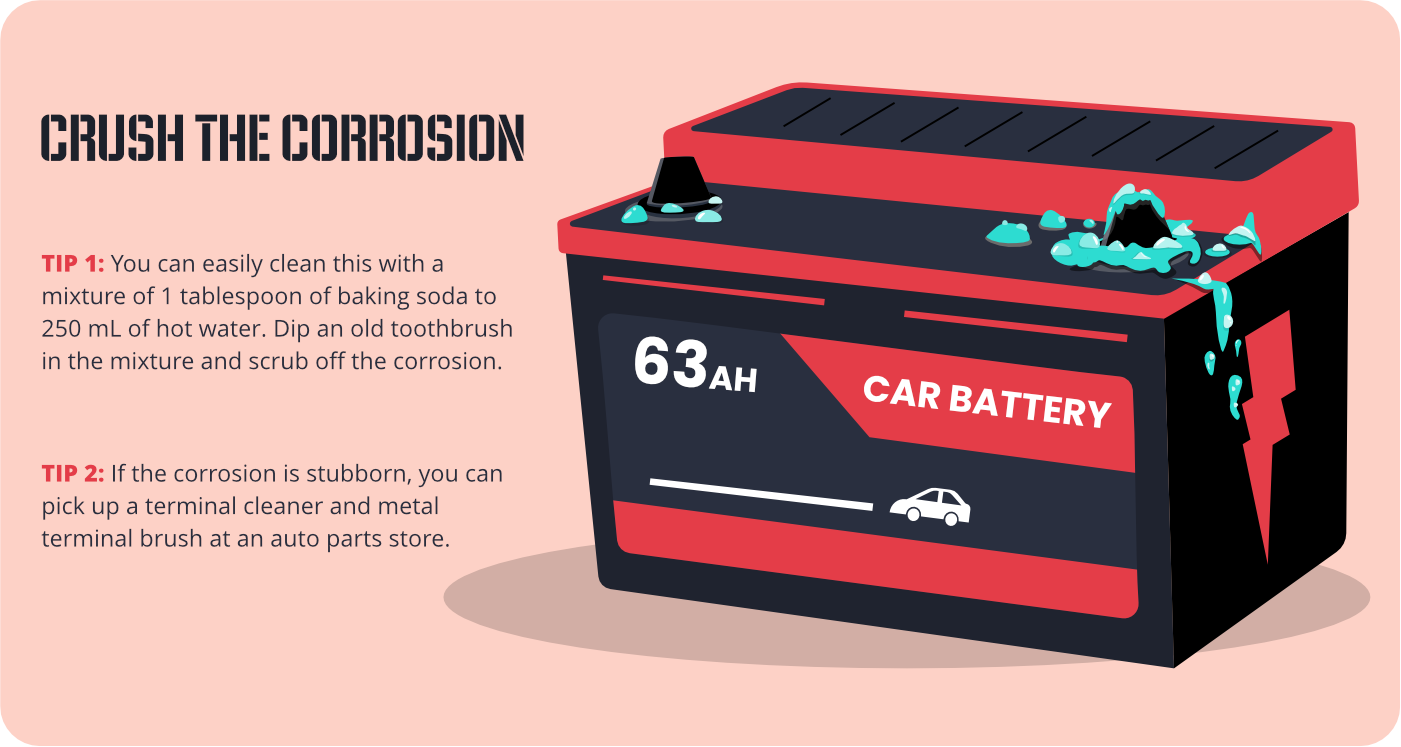
Simple actions like keeping the battery terminals clean, making sure the battery is tightly fastened, and checking for corrosion can extend battery life. Poor maintenance often leads to early failure.
6. Age Of The Vehicle
Older cars may have electrical systems that are less efficient, leading to more strain on the battery. Also, if your car has been sitting unused for long periods, the battery can lose its charge completely.
7. Manufacturing Defects
Sometimes, batteries have defects from the start. Even new batteries can fail early if there is a problem with the materials or manufacturing process.
Types Of Car Batteries And Their Lifespans
Different types of car batteries have different life expectancies. Here’s a quick comparison to help you understand the differences:
| Battery Type | Average Lifespan | Common Usage |
|---|---|---|
| Flooded Lead-Acid | 3-5 years | Most standard cars |
| AGM (Absorbent Glass Mat) | 4-7 years | Luxury, start-stop, modern vehicles |
| Gel Cell | 4-6 years | Specialty vehicles, off-road |
| Lithium-Ion | 8-10 years | Electric and hybrid cars |
Flooded lead-acid batteries are affordable and common, but require more maintenance. AGM batteries are more expensive, but last longer and perform better in tough conditions. Lithium-ion batteries are found in electric vehicles, and their long life is one reason EVs have lower maintenance costs. According to AAA’s Approved Auto Repair program, shops that employ ASE-certified or factory-trained technicians must meet strict standards for training, equipment, and customer service.
Signs Your Car Battery Is Failing
A car battery rarely fails without warning. If you notice these signs, it may be time for a replacement:
- Slow engine crank – The engine takes longer to start.
- Dim headlights – Lights appear weaker than usual.
- Electrical issues – Power windows, radio, or dashboard lights work poorly.
- Check engine or battery warning light – Appears on the dashboard.
- Swollen battery case – The battery looks bloated or misshapen.
- Corroded terminals – White, ashy deposits around the battery posts.
- Old age – If your battery is more than 3 years old, it is at higher risk of failure.
Ignoring these signs can leave you stranded. Many drivers miss the early warnings, thinking their battery will last a bit longer, only to face a sudden breakdown.
Credit: www.madmanmotors.com.au
How To Extend Car Battery Life
With good care, you can often get the maximum life from your battery. Here’s what you can do:
- Drive regularly and long enough – Give your battery time to recharge.
- Limit short trips – Combine errands when possible.
- Turn off electronics – Don’t leave lights, radio, or chargers on when the engine is off.
- Keep terminals clean – Use a wire brush and baking soda to remove corrosion.
- Secure the battery – Make sure it is tightly fastened to avoid vibration damage.
- Check charging system – Ensure your alternator is working properly.
- Store your vehicle properly – If you’re not driving for weeks, disconnect the battery or use a trickle charger.
Many people forget to check their charging system when their battery fails. Sometimes, the alternator or voltage regulator is the real problem, not the battery itself.
How Climate Impacts Battery Longevity
Weather has a bigger effect on your car battery than you might think. In hot areas, batteries often need replacement every 2-3 years. In mild climates, they may last 5 years or more. Here’s a look at how temperature affects battery life:
| Climate | Average Lifespan | Main Risk |
|---|---|---|
| Hot (over 32°C/90°F) | 2-3 years | Fluid evaporation, internal damage |
| Temperate (10-30°C/50-86°F) | 4-5 years | Normal wear and tear |
| Cold (below 0°C/32°F) | 3-4 years | Reduced starting power |
A non-obvious insight: parking your car in a garage or shaded area can help regulate temperature and extend battery life, especially in hot or freezing climates.
Credit: www.toyotaoforlando.com
Battery Replacement: When And How
Most experts recommend replacing your battery every 3-5 years, even if it seems to be working fine. This prevents unexpected failures. Some batteries have a date code stamped on the case; if yours is more than 4 years old, consider testing it.
When shopping for a new battery, consider:
- Correct size and type for your vehicle
- Fresh manufacturing date (not older than 6 months)
- Warranty period (longer is better)
- Maintenance requirements (some batteries are sealed, others need water refills)
Here is a quick comparison to help you choose the right battery:
| Feature | Standard Lead-Acid | AGM | Lithium-Ion |
|---|---|---|---|
| Price | Low | Medium | High |
| Lifespan | 3-5 years | 4-7 years | 8-10 years |
| Maintenance | Medium | Low | Very low |
| Best For | Basic cars | Modern, luxury, start-stop | Electric/Hybrid |
It’s a common mistake to buy the cheapest battery available. A better-quality battery might cost more, but can last longer and perform better, saving you money over time.
Testing Your Car Battery
Regular testing is important, especially if your battery is more than two years old. Here’s how you can check your battery:
- Look for physical signs like corrosion, cracks, or swelling.
- Test with a voltmeter – A fully charged battery should read about 12.6 volts with the engine off. Below 12.4 volts means it’s partly discharged.
- Load test – Many auto shops offer a free battery load test, which checks if your battery can deliver enough power under stress.
Testing can reveal problems early, before your battery leaves you stranded. Many people skip regular testing and only act after the battery fails.
Credit: www.clutch.ca
Recycling And Disposal
Car batteries contain lead and acid, which are dangerous to the environment. Never throw an old battery in the trash. Most auto parts stores and recycling centers accept used batteries for safe disposal. In fact, about 99% of a lead-acid battery can be recycled, making it one of the most recycled consumer products in the world.
If you’re not sure where to recycle, check with your local government or visit an auto parts retailer.
Cost Of Car Battery Replacement
The price of a new car battery can vary widely. On average, you can expect:
- Standard lead-acid battery: $50 – $120
- AGM battery: $100 – $200
- Lithium-ion battery (for electric cars): $1,000 and up
Labor charges for installation may add $20 – $50, depending on the shop. Keep in mind that paying a bit more for a better battery often means fewer problems later.
Non-obvious Insights About Car Battery Life
- Parasitic drains: Some car systems, like alarms or clock radios, draw small amounts of power even when the car is off. Over time, these can drain your battery, especially if the car sits unused for weeks.
- Battery age starts at manufacturing, not installation: Even if a battery is new to you, it may have been sitting on a shelf for months. Always check the manufacturing date before buying.
Frequently Asked Questions
How Do I Know When My Car Battery Needs Replacing?
If your engine is slow to start, your headlights are dim, or you see warning lights on your dashboard, your battery may be failing. Also, if your battery is over 3 years old, have it tested regularly.
Can I Extend The Life Of My Car Battery?
Yes. Regular driving, keeping the battery clean, and avoiding leaving electronics on when the engine is off can help. Parking your car in a garage and checking the charging system also makes a difference.
Does It Matter What Type Of Battery I Buy?
Absolutely. Use the type specified in your owner’s manual. Choosing a higher-quality battery, like AGM, can improve performance and lifespan, especially if you live in an area with extreme temperatures.
What Happens If I Don’t Recycle My Old Battery?
Throwing a car battery in the trash is unsafe and often illegal. Old batteries contain toxic materials that can harm the environment. Always take them to a proper recycling facility.
How Do Electric Car Battery Lifespans Compare?
Electric vehicle batteries, usually lithium-ion, last much longer—often 8 to 10 years or more. They are more expensive to replace, but need less frequent changing. For more on EV battery life, check resources such as Wikipedia.
A car battery is not something most drivers think about until it fails. But with a little attention and care, you can avoid unexpected breakdowns and get the most from your battery. Remember, the key is to understand your battery’s needs, watch for warning signs, and plan for replacement before it lets you down.
Safe driving starts with a healthy battery.