
Finding a mechanic you can trust is one of the most important decisions for any car owner. Your vehicle is a big investment, and even basic repairs or maintenance can be expensive. Choosing the wrong mechanic can mean wasted money, unreliable repairs, or even damage to your car. On the other hand, a skilled and honest mechanic can keep your car running smoothly for years, save you money, and give you peace of mind. But with so many garages and auto shops, how do you separate the professionals from the pretenders? This guide will walk you step by step through the process of finding a reliable mechanic, sharing practical tips, key warning signs, and industry insights that many car owners overlook.
Understand What Makes A Mechanic Reliable
Before you start searching, it helps to know what defines a reliable mechanic. Reliability isn’t just about fixing your car; it’s about trust, skill, and professionalism.
- Qualifications and certifications: Look for mechanics with formal training and certifications, such as ASE (Automotive Service Excellence) in the U.S. These show the mechanic has passed industry-recognized tests.
- Experience with your car type: Not all cars are the same. A mechanic who regularly works on your brand or model is more likely to spot problems quickly.
- Transparency and honesty: A reliable mechanic explains repairs clearly, gives written estimates, and lets you see old parts if you ask.
- Consistent, positive reputation: Good mechanics often have strong word-of-mouth recommendations and positive online reviews.
Start With Recommendations You Can Trust
Personal recommendations are still one of the best ways to find a reliable mechanic. Ask people whose opinions you value, especially if they drive a similar car or have lived in your area for a while.
- Family and friends: Find out who they use, how long they’ve been customers, and what their experiences have been.
- Neighbors and coworkers: People who live or work near you may know about local auto shops, including ones that don’t advertise heavily.
- Car clubs and online forums: If you drive a less common car, specialized forums or owner groups can suggest mechanics who know your model inside out.
Don’t just ask for names—ask why they trust their mechanic. Reliable mechanics build long-term relationships, and satisfied customers are usually happy to share details.
Check Credentials And Certifications
Many car owners skip this step, but it’s a mistake. Professional credentials are proof that a mechanic cares about their craft.
- Look for ASE certification: In the U.S., ASE certification is a respected standard. Mechanics must pass exams and have at least two years of experience.
- Manufacturer-specific training: Some mechanics receive direct training from brands like Toyota, Ford, or BMW.
- State or regional licenses: Depending on where you live, mechanics or shops may need special licenses. Check with your state’s consumer protection office.
| Certification | What It Means | Who Issues It |
|---|---|---|
| ASE | Passed national tests, 2+ years experience | National Institute for Automotive Service Excellence |
| Brand-specific (e.g., Honda Pro) | Trained by car manufacturer | Car manufacturer |
| State license | Met state requirements | State government |
Always ask to see certificates—they should be displayed in the shop or available on request.
Read Online Reviews Carefully
Online reviews can give you a broad sense of a mechanic’s reputation, but you need to know how to interpret them.
- Focus on consistent themes: Don’t just look at star ratings. Read several reviews and notice repeated comments, both positive and negative.
- Check for specific praise or complaints: Comments like “explained everything clearly” or “overcharged for simple repairs” are more useful than “great service.”
- Look for recent feedback: A shop with mostly positive reviews from the past year is usually a safer bet.
Be cautious with shops that have only a few reviews or a mix of extremely good and extremely bad ratings. Sometimes, fake reviews can hide real problems.
Credit: thelandautorepair.com
Visit The Shop Before You Need Major Work
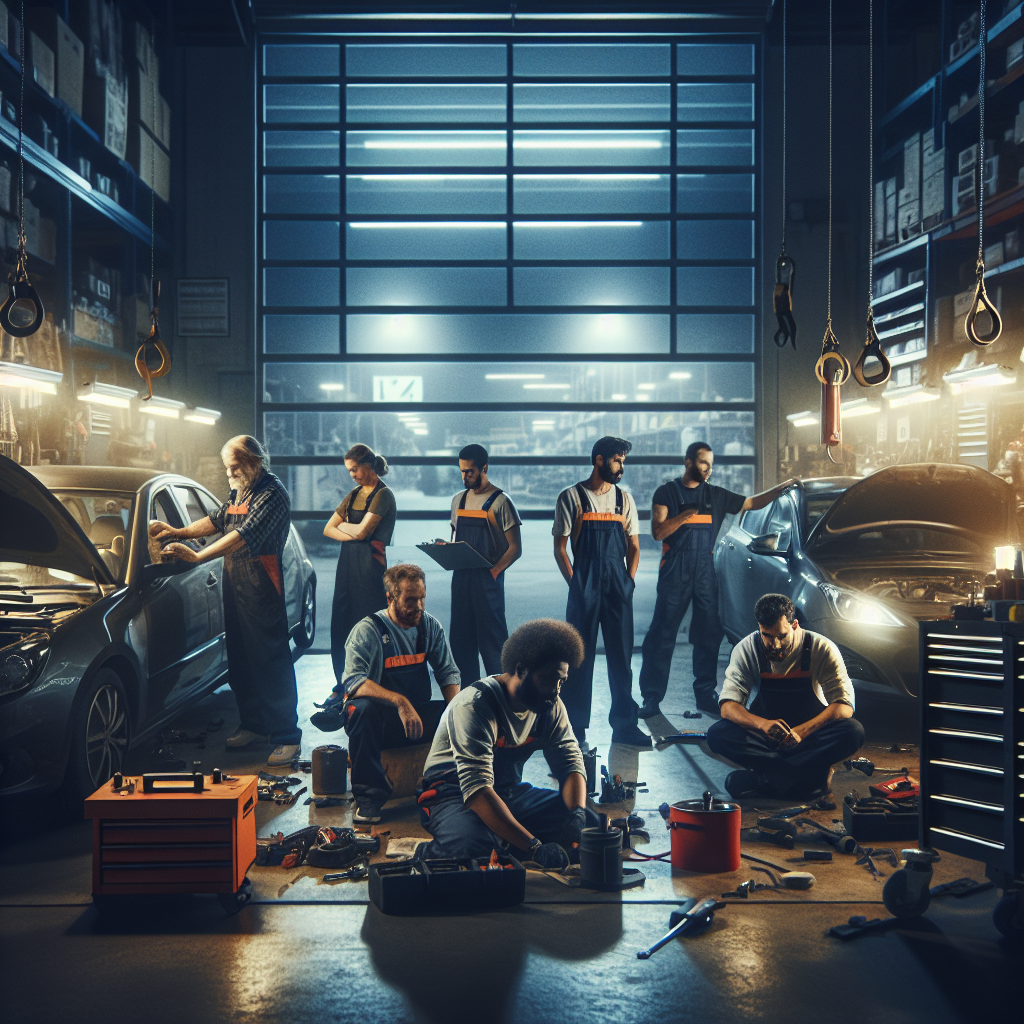
One of the best ways to judge a mechanic is to visit their shop in person. This lets you see their operation and ask questions face-to-face.
- Is the shop clean and organized? A tidy shop often means attention to detail. While all repair shops are a bit messy, tools and parts should not be scattered everywhere.
- Are the staff friendly and helpful? Even if they’re busy, they should be willing to talk and answer basic questions.
- Can you see certifications displayed? These should be easy to spot.
Try asking for a simple service first, like an oil change or tire rotation. Notice how they treat you and how clearly they explain your bill.
Compare Pricing And Get Written Estimates
Prices can vary a lot between shops, even for the same repair. Don’t just choose the cheapest mechanic, but don’t assume the most expensive is best either.
- Ask for a detailed, written estimate before any work begins.
- Compare quotes from at least two shops for larger repairs.
- Watch out for vague pricing like “parts and labor” with no breakdown.
| Repair | Shop A Estimate | Shop B Estimate | Shop C Estimate |
|---|---|---|---|
| Brake Pads & Rotors | $350 | $395 | $275 |
| Timing Belt | $650 | $680 | $600 |
| Transmission Fluid Change | $120 | $150 | $110 |
If one estimate is much lower or higher, ask why. Sometimes a low price means cheap parts or less experience.
Ask About Warranties And Guarantees
A confident, reliable mechanic stands behind their work. Always ask what kind of warranty or guarantee comes with repairs.
- Parts warranty: How long are replaced parts covered?
- Labor warranty: If the repair fails soon after, will they fix it for free?
- Written guarantee: Get any promises in writing.
A standard warranty is 12 months or 12,000 miles for most repairs. Some shops offer longer coverage on certain parts.
Notice How The Mechanic Communicates
Clear, respectful communication is a sign of professionalism. A good mechanic will:
- Explain the problem in simple language, not just technical terms
- Answer questions patiently
- Show you the damaged parts if you ask
- Call you before doing extra work
If you feel rushed, confused, or pressured, consider looking elsewhere.

Credit: www.capitalone.com
Look For Specialized Tools And Diagnostic Equipment
Modern cars are complex, with computer systems and advanced electronics. A reliable mechanic invests in up-to-date diagnostic tools.
- Ask if they have tools for your car’s make and model.
- Notice if they use computers to scan for error codes.
- Specialized equipment means faster, more accurate repairs.
Some small shops avoid buying new tools, which can limit their ability to fix newer vehicles.
Check For Membership In Industry Associations
Shops that are members of professional groups often follow higher standards. Look for logos or mentions of:
- AAA Approved Auto Repair (in the U.S.)
- Automotive Service Association (ASA)
- Local business bureaus
These groups set codes of ethics and may help if you have a dispute.
Beware Of Common Red Flags
Some warning signs suggest a mechanic may not be trustworthy:
- Reluctance to give written estimates
- Refusing to show replaced parts
- Vague or confusing explanations
- Pressure to approve repairs right away
- No visible certifications or licenses
If you see more than one of these, it’s smart to keep looking.
Test With Small Jobs First
Before trusting a mechanic with major repairs, start with a small, routine service. This lets you see how they handle:
- Appointment scheduling
- Time estimates
- Billing and explanations
If the experience is positive, you can feel more confident when bigger issues arise.
Compare Local Vs. Dealership Mechanics
You have a choice between independent mechanics and dealership service departments. Each has pros and cons.
| Feature | Dealership | Independent Mechanic |
|---|---|---|
| Specialized training | Yes, for their brand | Varies, often multi-brand |
| Price | Usually higher | Often lower |
| Personal attention | Less common | More likely |
| Warranty repairs | Yes | No |
Dealerships are best for new cars under warranty or complicated issues. Independents are often better for routine service and lower costs.
Ask About Parts Quality
Parts quality affects both repair price and how long your car lasts. Ask the shop:
- Do they use OEM (original equipment manufacturer) parts or aftermarket?
- Are used or rebuilt parts an option?
- Will they tell you if a cheaper part is used?
Good mechanics will explain your choices and the pros/cons of each.
Credit: sealbeachauto.com
Pay Attention To Payment Policies
Know how the mechanic expects payment:
- Do they want a deposit before work?
- When is final payment due?
- What forms of payment are accepted?
Most reliable shops only ask for payment after repairs are done. Be wary of anyone demanding full payment up front.
Build A Relationship Over Time
The best way to keep your car running well is to build a long-term relationship with a mechanic you trust. Over time, they’ll get to know your car and can spot issues early. Loyal customers often get faster service and better rates.
Don’t Ignore Your Instincts
If something feels off, trust your gut. Even if a shop looks good on paper, a lack of respect or bad attitude is a warning sign. Your comfort and confidence are essential.
Use Trusted Resources
If you’re still unsure, use resources from respected organizations. For example, the AAA’s guide to finding a good mechanic offers more tips and tools.
Frequently Asked Questions
How Often Should I Visit A Mechanic For Routine Maintenance?
For most cars, you should visit a mechanic for routine maintenance like oil changes and inspections every 5,000 to 7,500 miles. Check your car’s owner’s manual for the exact schedule.
Is It Better To Use A Dealership Or An Independent Mechanic?
Both have pros and cons. Dealerships are best for new or warranty-covered cars, while independent mechanics often cost less and offer more personal service for older vehicles.
What Questions Should I Ask A Mechanic Before Repair?
Ask about certifications, warranty on repairs, type of parts used, and get a written estimate. Also, ask if they have worked on your car’s make and model before.
How Do I Know If A Mechanic Is Overcharging Me?
Compare their estimate with other shops, ask for a breakdown of parts and labor, and research typical prices for your repair. Online tools and forums can help you check fair market prices.
What Should I Do If I’m Not Satisfied With A Repair?
First, talk to the mechanic and explain the problem. If it’s not resolved, contact your local consumer protection office or industry association for help. Always keep your receipts and written estimates.
Finding a reliable mechanic may take a little time and effort, but it pays off with safer, smoother driving and fewer headaches. Remember, an honest mechanic values your trust as much as your business. By following these steps, you’ll have a much better chance of finding a professional who keeps your car in top shape for years to come.