
Flushing the radiator coolant is one of those car maintenance tasks that’s easy to overlook but critical for your vehicle’s health. Over time, coolant gets dirty and loses its ability to protect your engine from overheating or freezing. Flushing the radiator removes old fluid, rust, and debris, and refills the system with fresh coolant, ensuring smooth operation and a longer engine life.
Many people worry that this job is too complex, but with the right guidance, it’s a task almost anyone can learn. This article will show you, step by step, how to flush radiator coolant like a confident DIYer—saving money, preventing costly repairs, and keeping your engine in top condition.
Why Flushing Radiator Coolant Matters
Your car’s coolant system does more than just keep the engine temperature down. It prevents rust, lubricates moving parts, and helps maintain proper pressure. Over time, coolant breaks down and turns acidic, leading to corrosion inside the radiator and engine. Old coolant can also carry debris that clogs tiny passages, causing the engine to overheat.
According to studies, dirty coolant is a leading cause of engine failure in cars over five years old. A proper flush every 2-3 years, or as recommended in your car’s manual, can prevent this.
Tools And Supplies You’ll Need
Before you start, collect everything needed for a safe and clean job. Missing just one item can cause delays or messes.
- New coolant (check your car’s manual for the correct type)
- Distilled water (not tap water, which contains minerals)
- Coolant flush solution (optional but recommended for deep cleaning)
- Large drain pan (at least 2-3 gallons capacity)
- Funnel
- Wrench or screwdriver (to open the radiator drain plug)
- Protective gloves and eyewear
- Shop rags or towels
- Jack and jack stands (if your car’s drain plug is hard to reach)
- Old containers (for used coolant)
- Hose or bucket (for rinsing)
Pro tip: Lay out all tools before starting. This prevents rushing around with hands covered in coolant.
Credit: www.prestoneuk.com
Preparing Your Vehicle
Safety comes first. Radiator coolant is toxic and can spray under pressure if you’re not careful. Here’s how to prepare:
- Park on a flat surface and let the engine cool for at least 30 minutes. Never open a hot radiator cap.
- Raise the front of your car with a jack if needed, and secure with jack stands.
- Wear gloves and goggles. Coolant can irritate skin and eyes.
- Check the owner’s manual for the location of the radiator, drain plug, and coolant reservoir.
Extra tip: Keep pets and children away. Coolant has a sweet smell but is dangerous if swallowed.
Draining Old Coolant
Now you’re ready to remove the used coolant. Take your time—spills can damage paint or harm the environment.
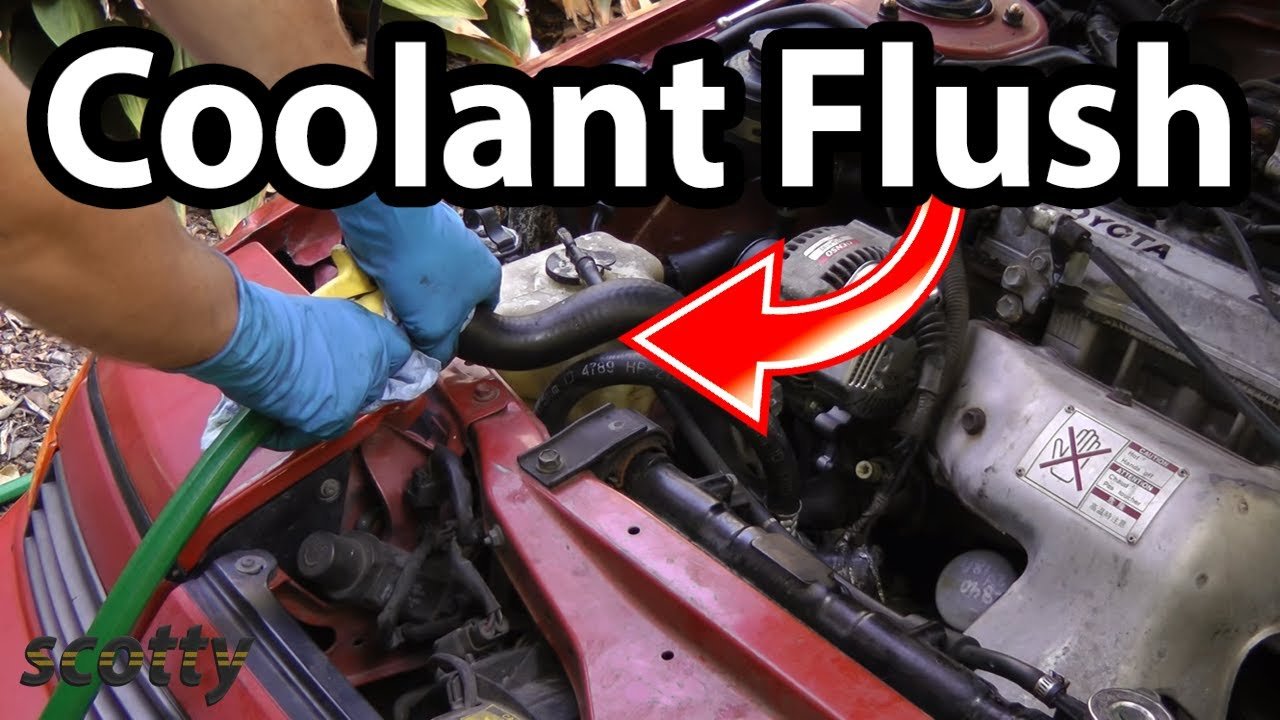
- Place the drain pan under the radiator’s drain plug or petcock.
- Slowly open the radiator cap to release any pressure.
- Unscrew the drain plug or open the petcock. Allow coolant to flow out completely.
- Remove the reservoir tank cap and drain as much fluid as possible.
- Tighten the drain plug or close the petcock once draining stops.
Insight beginners miss: Many cars have a block drain bolt on the engine for extra draining. If accessible, open this to remove more old coolant.
Flushing The System
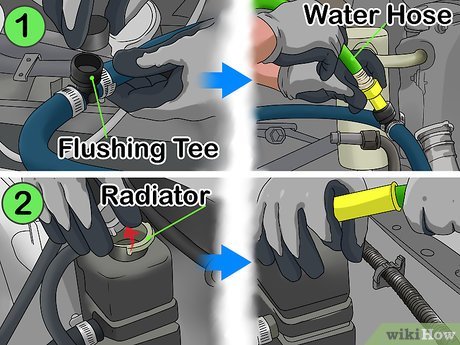
A flush cleans out debris and rust that simple draining can’t remove. Here’s how to do it right:
- Close the radiator drain plug.
- Pour in the coolant flush solution (if using) and fill the rest with distilled water.
- Replace the radiator cap and run the engine with the heater on high for 10-15 minutes. This circulates the flush through the whole system.
- Turn off the car and let it cool completely.
- Open the drain plug and radiator cap, then drain all fluid into the pan.
Non-obvious detail: Some cars have a bleeder valve to help remove air during flushing. Check your manual. If so, open this during the flush and refill steps.
Rinsing With Distilled Water
After using a flush solution, it’s important to rinse with plain distilled water to remove any leftover chemicals.
- Close the drain plug.
- Fill the radiator with distilled water only.
- Run the engine for 5-10 minutes, again with the heater on.
- Allow the engine to cool, then drain the system again.
Repeat this step until the water draining out is clear. This may take 2-3 rinses, especially if the old coolant was very dirty.
Refilling With New Coolant
Now, fill the system with fresh coolant. Getting the mix right is crucial—too much water or coolant can reduce effectiveness.
- Close the drain plug securely.
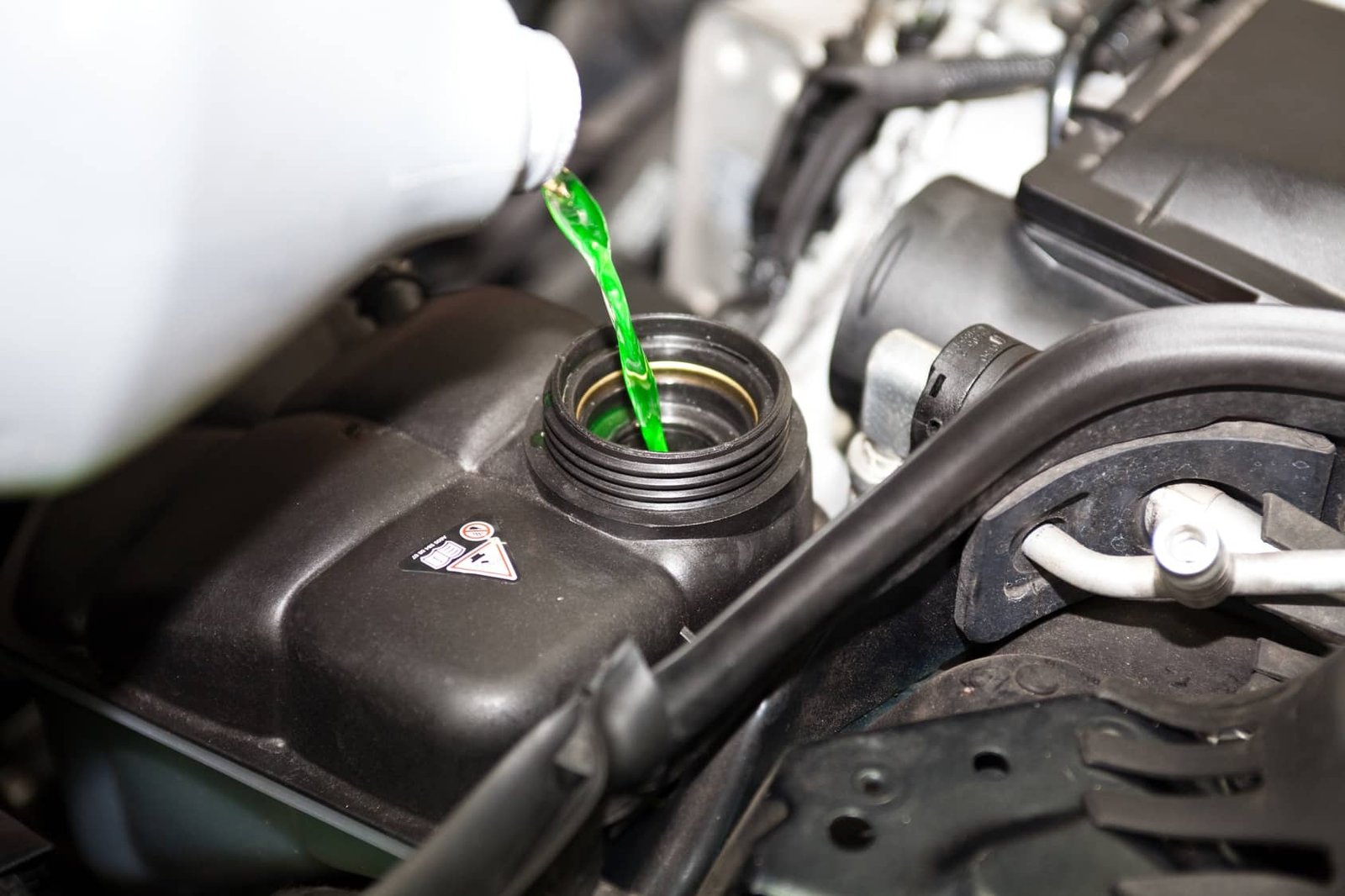
- Mix coolant and distilled water, usually in a 50: 50 ratio unless your coolant is pre-mixed.
- Pour the mixture slowly into the radiator using a funnel.
- Fill the reservoir tank to the “MAX” line.
- Start the engine with the radiator cap off. Let it run until the thermostat opens (heater blows hot air), topping up as air bubbles escape.
- Once the level stays steady, secure the radiator cap.
Tip beginners miss: Squeeze the upper radiator hose gently while filling. This helps remove trapped air, preventing overheating later.
Checking For Leaks And Air Pockets
After refilling, look for leaks around the radiator, hoses, and drain plug. A slow drip can lead to low coolant and overheating.
- Inspect under the car for drips.
- Check hose clamps are tight.
- Watch the temperature gauge for the next few drives. If it climbs, you may have an air pocket.
If you suspect trapped air, let the engine cool and carefully open the radiator cap. Top up as needed.
Credit: www.youtube.com
Proper Disposal Of Used Coolant
Never pour old coolant down a drain or on the ground. It is toxic and can harm wildlife and water supplies.
- Pour used coolant into a sealed container.
- Take it to a recycling center, auto shop, or hazardous waste facility.
- Clean up any spills immediately.
For more information on proper disposal, check your local regulations or visit the EPA’s recycling page.
Comparing Coolant Types
Choosing the right coolant matters for both performance and longevity. Here’s a look at common types:
| Coolant Type | Color | Service Life | Main Additive | Common Use |
|---|---|---|---|---|
| Inorganic Acid Technology (IAT) | Green | 2 years/24,000 miles | Silicates, phosphates | Older cars (pre-2000) |
| Organic Acid Technology (OAT) | Orange, red | 5 years/150,000 miles | Organic acids | Modern GM, some European |
| Hybrid Organic Acid Technology (HOAT) | Yellow, orange | 5 years/150,000 miles | Silicates + organic acids | Ford, Chrysler, some Asian |
Always use the type specified in your manual. Mixing different coolants can create sludge and block the system.
How Often Should You Flush Radiator Coolant?
The right interval depends on your car, coolant type, and driving conditions.
| Coolant Type | Flush Interval |
|---|---|
| IAT (Green) | Every 2 years or 24,000 miles |
| OAT/HOAT (Orange/Yellow) | Every 5 years or 100,000–150,000 miles |
| Severe Conditions (towing, extreme temps) | Reduce interval by 25–50% |
Non-obvious insight: If you see rust, sludge, or an oily film in the coolant, flush immediately—even if you haven’t reached the mileage.
Common Mistakes To Avoid
Even experienced DIYers make errors. Avoid these:
- Using tap water instead of distilled water (can cause deposits)
- Mixing different coolant types
- Forgetting to check for leaks after finishing
- Not bleeding air from the system
- Disposing of coolant improperly
Best practice: After the first drive, let the engine cool and re-check coolant levels. Top up if needed.
Credit: www.wikihow.com
Signs Your Car Needs A Coolant Flush
Watch for these symptoms:
- Temperature gauge runs hot or fluctuates
- Coolant looks rusty, brown, or cloudy
- Sweet smell inside or outside the car
- Heater blows cold air when engine is hot
- Visible leaks under the vehicle
If you notice any of these, don’t wait—flush your radiator soon.
Saving Money By Flushing Coolant Yourself
Professional coolant flushes often cost $100–$150. Doing it yourself costs about $30–$50 for supplies and takes 1–2 hours. Besides saving money, you’ll understand your car better and catch problems early.
Frequently Asked Questions
How Dangerous Is Radiator Coolant If Spilled?
Radiator coolant is toxic to humans and animals. Even small amounts can cause harm if swallowed. Clean spills immediately, keep containers sealed, and store away from pets and children.
Can I Use Water Instead Of Coolant In An Emergency?
In a true emergency, distilled water can be used for a short time. However, it does not protect against freezing, boiling, or corrosion. Replace with proper coolant as soon as possible.
Why Is My Engine Overheating After A Flush?
This usually means there’s air trapped in the cooling system. Let the engine cool, then open the radiator cap and squeeze the upper hose to release air. Top up coolant and monitor the temperature.
How Do I Know Which Coolant My Car Needs?
Check your owner’s manual. Using the wrong coolant can cause damage. If unsure, ask a mechanic or visit a reliable auto parts store for guidance.
Is A Flush The Same As A Coolant Drain?
No. A flush removes old coolant, rust, and debris by cleaning the entire system, often with a flush solution. A simple drain only removes some fluid and leaves contaminants behind.
Flushing your radiator coolant isn’t just about following instructions—it’s about protecting your car’s most expensive parts. With patience and attention to detail, you’ll extend your vehicle’s life and drive with more confidence. If you ever feel unsure, don’t hesitate to ask a professional for help.
Your engine will thank you for the extra care.