
The Hyundai Sonata has been a popular midsize sedan for decades. With its affordable price, stylish design, and reputation for reliability, it attracts drivers around the world. However, like any car, the Sonata has faced its share of issues, some of which are more common in certain years. Knowing about these problems can help buyers make better decisions, whether they’re looking at a used Sonata or trying to keep their current one running smoothly.
This guide explores common Hyundai Sonata problems by year, covering several generations from the early 2000s to the latest models. You’ll find insights on engine troubles, transmission glitches, electrical issues, and more. Along the way, you’ll discover patterns, learn which model years to approach with caution, and get advice on what to check before buying.
Early 2000s Sonata (2000–2005): Budget-friendly But Not Problem-free
The early 2000s marked Hyundai’s push to improve quality, yet these Sonata models still showed some typical weaknesses. One major area of concern was the engine performance. Owners of 2001–2005 Sonatas reported engine stalling and rough idling, sometimes caused by faulty sensors or failing ignition coils. The timing belt also needed careful attention; if not replaced on schedule, it could snap and cause severe engine damage.
Another issue was with the automatic transmission. Some cars from this period experienced slipping gears or delayed shifting, especially as they aged. These problems usually appeared after 100,000 miles, but sometimes earlier in cars not regularly maintained.
Electrical problems were less common but still frustrating. The power window motors could fail, leaving windows stuck open or closed. Dashboard lights occasionally flickered due to weak connections.
Key Insights For This Generation
- Always check if the timing belt has been replaced on schedule.
- Test all power windows and door locks before purchase.
- If the transmission shifts roughly, a fluid change might help, but it can also signal deeper issues.
2006–2010 Sonata: Improved Reliability With Persistent Engine Issues
Hyundai made big changes in this generation, including a new look and better safety features. Reliability improved, but some problems continued to appear.
The most common complaint was engine failure, especially in the 2006 model. Many owners reported knocking sounds, oil consumption, and even total engine failure. Most of these issues came from poor oil flow due to sludge buildup, which could starve the engine of lubrication.
The steering system was another weak point. Drivers sometimes noticed clunking noises or extra play in the steering wheel. This was often traced to worn steering couplers—a small but important rubber part.
Airbag warning lights became a frequent annoyance, and sometimes the airbags themselves did not deploy in accidents. Hyundai eventually issued recalls for some of these problems, but not all cars were fixed.
What To Look For
- Ask about any engine repairs or replacements.
- Listen for odd noises from the steering column during a test drive.
- Check for unresolved airbag recalls using the car’s VIN.
Credit: www.youtube.com
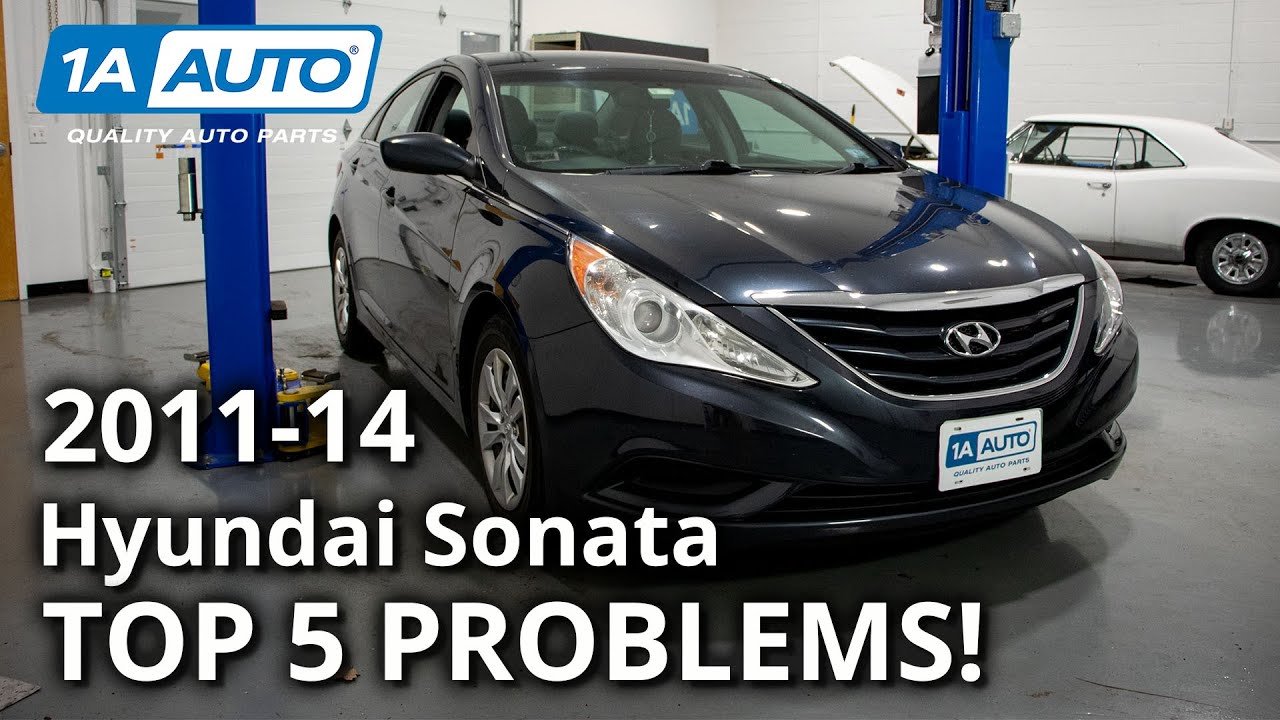
2011–2014 Sonata: Modern Looks And Major Engine Problems
This generation brought a bold new design and more efficient engines. However, it also became infamous for engine failures—one of the most talked-about issues in Sonata history.
Thousands of owners complained about the 2.4L and 2.0L turbo engines. The most serious problem was bearing wear in the engine, which could cause loud knocking, power loss, or even complete failure. In 2015, Hyundai acknowledged the problem and issued a recall for some 2011–2014 models. Despite repairs, many cars still experienced engine trouble, sometimes even after replacement.
Other common problems included:
- Excessive oil consumption: Some engines burned oil faster than normal, sometimes leading to low oil levels and further damage.
- Steering issues: The electric power steering system could fail, making the car hard to control.
- Transmission hesitation: Shifting could feel delayed or jerky, especially in early 2011–2012 models.
Practical Tips
- If the engine sounds rough or knocks, walk away.
- Always check for engine recall repairs.
- Monitor oil levels closely—unusual drops may signal a bigger problem.
2015–2019 Sonata: Better, But Not Perfect
Hyundai addressed many old issues in this generation, especially with the engines. However, some problems remained, and new ones appeared.
The most talked-about issue was with the steering system. Many drivers noticed a clicking or popping noise when turning the wheel, usually caused by a worn flexible steering coupler. While the part is cheap, replacing it can be labor-intensive.
Transmission problems were less widespread but still present. Some 2015–2016 Sonatas experienced shifting delays or a hard “thump” when changing gears. Most cases were fixed by updating the transmission control module software, but some cars needed hardware repairs.
Other complaints included:
- Touchscreen glitches in the infotainment system, especially after software updates.
- Wind noise on highways due to poor door seals in some early 2015 models.
Noteworthy Advice
- Test drive at highway speeds to check for wind noise and smooth shifting.
- Turn the steering wheel fully left and right to listen for noises.
- Make sure all infotainment features work properly.
2020–present Sonata: High-tech Features, New Challenges
The latest generation Sonata is packed with advanced tech and safety features. So far, serious problems are less common, but some early issues have emerged.
Electrical system bugs are the main complaint. Owners report random warning lights, glitchy instrument clusters, and occasional infotainment reboots. While most are fixed by software updates, some require dealer visits.
A few 2020 Sonatas with the 1.6L turbo engine have shown engine hesitation or rough running, usually solved by replacing faulty sensors or updating the engine software.
Other issues to watch:
- Blind-spot monitor malfunctions, sometimes triggered by dirty sensors.
- Paint quality concerns, especially with white or black finishes that show scratches easily.
What To Expect
- Stay updated on software recalls and service bulletins.
- Inspect paint carefully, especially on high-mileage cars.
- Test all driver assistance features before purchase.
Comparing Sonata Generations: Reliability At A Glance
To help you see patterns, here’s a simple comparison of major problem areas by generation:
| Generation | Engine Issues | Transmission | Electrical | Steering |
|---|---|---|---|---|
| 2000–2005 | Moderate | Common | Minor | Rare |
| 2006–2010 | High | Low | Moderate | Moderate |
| 2011–2014 | Very High | Moderate | Moderate | High |
| 2015–2019 | Low | Moderate | Moderate | High |
| 2020–Present | Low | Low | Moderate | Low |

Credit: www.motorbiscuit.com
Problem Patterns By Year: Notable “bad” Model Years
While every car can have issues, certain Sonata model years stand out for high complaint rates or recalls. Here are a few years buyers should research carefully:
- 2011 Sonata: Widely reported engine failures, recalls for engine and airbag problems.
- 2012 Sonata: Similar engine issues, plus reports of steering and electrical glitches.
- 2013 Sonata: Continued engine complaints, high rates of warranty claims.
- 2006 Sonata: Engine and steering concerns, some airbag recall activity.
- 2015 Sonata: Early models had infotainment bugs and wind noise issues.
These years don’t mean every car is bad, but extra caution and a detailed inspection are wise.
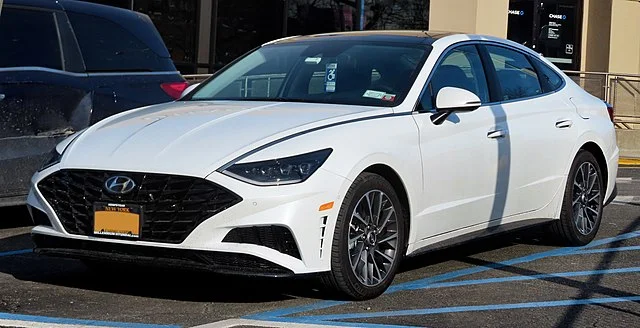
Which Sonata Years Are More Reliable?
If you’re searching for a used Sonata, some years have earned a reputation for being more trouble-free. Based on owner feedback and repair data, these years are generally safer bets:
- 2009–2010: Fewer engine and transmission complaints.
- 2017–2018: Improved build quality and fewer major recalls.
- 2021–Present: Early signs of strong reliability, though long-term data is still growing.
Again, condition and maintenance matter more than just the year. A well-maintained 2012 might outlast a neglected 2017.
Credit: www.copilotsearch.com
Practical Advice For Sonata Buyers And Owners
Before buying a used Sonata, do the following:
- Check for open recalls using the car’s VIN.
- Review the maintenance history for regular oil changes and repairs.
- Test drive at different speeds and listen for unusual noises.
- Inspect the infotainment system and all electronic features.
- Have a trusted mechanic perform a pre-purchase inspection.
If you already own a Sonata, stick to the factory maintenance schedule. Pay special attention to oil changes (especially on 2011–2014 models) and software updates for newer cars.
Real-world Repair Costs: What To Expect
Understanding potential costs can help you avoid surprises. Here’s a quick reference for common Sonata repairs:
| Problem | Average Repair Cost | Typical Years Affected |
|---|---|---|
| Engine Replacement | $3,000–$5,000 | 2011–2014 |
| Steering Coupler | $200–$400 | 2011–2019 |
| Transmission Repair | $1,200–$2,500 | 2000–2005, 2015–2016 |
| Infotainment Fix | $100–$800 | 2015–2020 |
Non-obvious tip: Hyundai sometimes extends warranties for known engine or transmission problems. Always ask the dealer or check with Hyundai customer service to see if your car qualifies for a special warranty—even if the original has expired.
How Hyundai Responded To Common Problems
Hyundai’s reputation grew partly because the company responded to issues with recalls and warranty extensions. For example, the Theta II engine recall covered millions of cars, offering free inspections and, in some cases, engine replacements. The company also updated software to fix transmission and infotainment bugs in newer models.
Still, not all cars get these fixes automatically. It’s important to contact a dealer and ask about all available updates for your car.
Frequently Asked Questions
What Is The Worst Year For Hyundai Sonata Engine Problems?
The 2011–2014 Sonata models, especially 2011 and 2012, are the most reported for engine failures. This was mainly due to bearing wear in the Theta II engines, leading to expensive repairs or replacements.
Are Hyundai Sonatas Reliable After 100,000 Miles?
Many Sonatas last well beyond 100,000 miles if well maintained. However, models from 2011–2014 may experience major engine issues around this mileage. Regular oil changes and prompt repairs are key to longevity.
How Do I Check For Recalls On My Hyundai Sonata?
You can check for open recalls by entering your car’s VIN on the official Hyundai recall website or the NHTSA Recall Lookup page. This helps ensure important safety issues are fixed.
Why Does My Sonata’s Steering Wheel Make A Clicking Noise?
A clicking or popping sound when turning is usually caused by a worn steering coupler. This is common on 2011–2019 models and is fixable, but should be addressed soon to avoid further issues.
Is The 2020+ Hyundai Sonata More Reliable?
So far, the 2020 and newer Sonata shows better reliability, with most complaints related to minor electronics and software bugs. Serious mechanical issues are rare, but it’s wise to keep up with software updates and maintenance.
The Hyundai Sonata remains a strong choice in the midsize sedan world, but knowing the common problems by year helps you avoid trouble and choose a car that will serve you well for years to come.