
Selling a junk car can feel confusing, especially if it’s your first time. You might wonder how much your old car is worth, who will buy it, or what steps you should take before selling. The process can be simple if you know what to do and what to avoid.
This guide will walk you through everything you need, from preparing your car to getting the best price. You’ll learn about paperwork, legal steps, and common mistakes people make. Whether your car is barely running, damaged, or simply too old, you’ll find clear answers here.
What Is Considered A Junk Car?
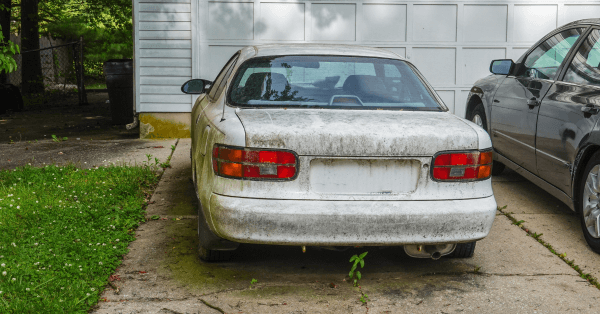
A junk car is a vehicle that is no longer safe or practical to drive. Usually, the cost to repair the car is more than its value. Common reasons for a car being “junk” include major mechanical problems, accident damage, or severe rust. Cars that don’t pass emissions tests, or have failed inspections, may also fit this category. Some junk cars still run, but most are not roadworthy.
Reasons To Sell Your Junk Car
Selling a junk car offers several benefits:
- Quick cash – Most buyers pay immediately, sometimes even in cash.
- Free up space – Old vehicles take up valuable garage or driveway space.
- Avoid repair costs – Junk cars often need expensive repairs.
- Environmental benefit – Cars left unused can leak fluids and harm the environment.
- No more insurance/taxes – Once you sell, you stop paying for insurance and registration.
Many people hold onto junk cars, thinking they might fix them “someday. ” In reality, the car usually loses value over time, so selling sooner is often smarter.
Credit: www.webuyanycarusa.com
Who Buys Junk Cars?
There are different types of buyers for junk cars. Each has pros and cons.
| Buyer Type | Typical Offer | Speed | Pros | Cons |
|---|---|---|---|---|
| Junkyards/Salvage yards | Low-Medium | Fast (1-3 days) | Quick, hassle-free | Lowest prices |
| Private buyers | Medium-High | Varies | Higher offers | More effort, less safe |
| Online car buyers | Medium | Very fast (1 day) | Convenient, instant quotes | Some scams, check reviews |
| Charities | Tax deduction | Medium | Supports a cause | No cash, paperwork needed |
Junkyards and salvage yards are the most common option. They buy cars for scrap metal and parts. Private buyers might want your car for restoration or parts, but finding one can take time. Online buyers (like Peddle or CarBrain) offer quick sales but always read reviews to avoid scams. Some people donate their cars for a tax write-off.
How Much Is A Junk Car Worth?
Prices for junk cars can vary a lot. Most junk cars sell between $100 and $1,000. The value depends on:
- Car’s weight and metal content
- Year, make, and model
- Location (cities with more scrap yards pay more)
- Current scrap metal prices
- Condition (complete cars are worth more than those missing parts)
Here’s a simple example:
| Car Type | Year | Condition | Estimated Value (USD) |
|---|---|---|---|
| Toyota Camry | 2002 | Doesn’t run, complete | $350 |
| Ford F-150 | 1999 | Runs, minor body damage | $700 |
| Honda Civic | 2006 | Missing wheels, no engine | $120 |
Non-obvious insight: Some junkyards pay more if you deliver the car yourself. Also, if your car has a rare part (like a hybrid battery), it can increase value.
Preparing Your Junk Car For Sale
Getting your car ready helps you avoid trouble and may even get you a better price. Here’s what to do:
- Remove personal items – Check every compartment, trunk, and under seats.
- Take out valuable parts (optional) – If you know how, you can remove items like the battery, GPS, or expensive wheels to sell separately. But sometimes, the car is worth more as a complete vehicle.
- Find the title – Most buyers need proof you own the car. If you lost the title, contact your local DMV for a replacement.
- Cancel insurance and registration – Don’t pay for coverage you don’t need. After the sale, notify your insurance company and the DMV.
- Take photos – Good photos help if you sell privately or online.
- Record the car’s condition – Write down major issues, missing parts, or damage. This protects you if the buyer claims you hid a problem.
How To Get The Best Price For Your Junk Car
To maximize your sale, follow these strategies:
- Get multiple quotes – Don’t settle for the first offer. Call at least three junkyards or use online tools to compare.
- Sell when scrap prices are high – Scrap metal values change monthly. Check current rates before selling.
- Be honest about condition – If your car still runs or has new parts, mention that. But don’t hide major issues.
- Negotiate removal fees – Some buyers charge for towing, but many offer free towing. Always ask.
- Time your sale – After winter, demand for parts often rises, which can mean better prices.
Hidden tip: Some junkyards offer more for cars with a working catalytic converter. This part contains precious metals and is easy to steal—so don’t let anyone remove it before the sale.
Step-by-step: How To Sell Your Junk Car
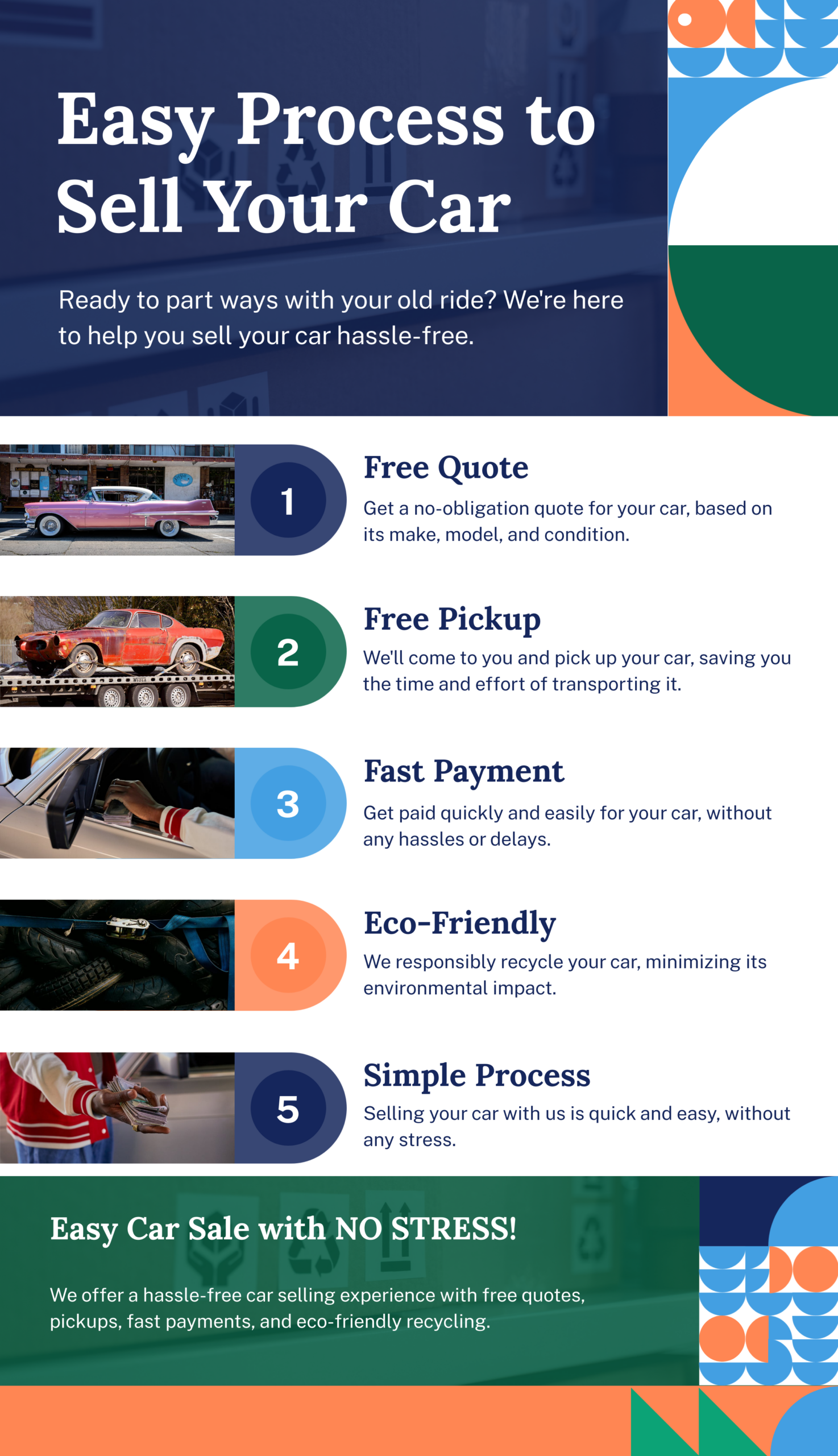
Follow these steps to sell your junk car with less stress:
1. Gather Documents
You’ll need:
- Car title (proof of ownership)
- Photo ID
- Any loan payoff statement (if you still owe money)
- Registration (sometimes required)
2. Get Quotes
Contact several junkyards, online buyers, or post an ad if selling privately. Give them details like year, make, model, and condition.
3. Accept An Offer
Choose the best offer. Confirm how you’ll be paid (cash, check, etc. ) And if towing is included.
4. Schedule Pickup Or Delivery
Arrange a time for pickup. Be present to oversee the process and sign paperwork.
5. Sign Over The Title
Complete the title transfer per your state’s rules. Make a copy for your records.
6. Remove License Plates
Some states require you to return the plates to the DMV. Check your local rules.
7. Notify Dmv And Insurance
Let your DMV know you sold the car. Cancel insurance to avoid extra charges.
8. Get Paid
Count your money before handing over the keys. If you receive a check, wait for it to clear before celebrating.
Legal And Environmental Considerations
Selling a junk car is not just a business transaction. Laws protect both sellers and buyers. Here’s what you need to know:
- Lemon laws don’t usually apply, but never lie about your car’s condition.
- Paperwork varies by state. Some states need a bill of sale or odometer reading.
- Environmental safety matters. Make sure the buyer handles hazardous materials properly (oil, battery, fluids).
- Taxes – If you donate your car, keep paperwork for tax deductions.
If you’re unsure, check your state DMV’s website or see this EPA resource for recycling rules.
Credit: www.junkcarmedics.com
Common Mistakes When Selling A Junk Car
Avoid these errors to save money and stress:
- Accepting the first offer – You could lose hundreds of dollars.
- Not checking buyer’s license – Always use a licensed junkyard or dealer.
- Forgetting to cancel insurance/registration – You might get surprise bills.
- Leaving personal items – Many sellers leave behind valuable things.
- Ignoring environmental hazards – Don’t let fluids or batteries leak.
- Not getting a written agreement – A simple receipt protects you.
- Letting strangers tow without ID – Scammers sometimes pose as buyers.
- Overestimating value – Junk cars usually aren’t worth as much as people think.
- Paying for towing – Many buyers offer free towing.
- Not removing the license plate – In some places, you’re legally responsible for the plate.
Donating Vs. Selling A Junk Car
Sometimes, donating your car makes more sense than selling. Here’s a quick comparison:
| Option | Benefits | Drawbacks | Best for |
|---|---|---|---|
| Selling | Immediate cash, simple process | May get less than expected | Anyone wanting quick money |
| Donating | Tax deduction, helps charity | No cash, paperwork required | People who itemize taxes |
Non-obvious insight: Not all donations give a big tax benefit. The car’s value must be high enough, and you must itemize deductions.
Credit: upullandsave.com
Frequently Asked Questions
What Documents Do I Need To Sell My Junk Car?
You usually need the car title to prove ownership. Some buyers may also ask for your photo ID and the car’s registration. If you don’t have the title, contact your DMV for options.
How Do I Know If My Car Is “junk”?
If your car is not safe to drive, costs more to repair than it’s worth, or has failed inspection, it’s considered junk. Missing parts or heavy damage are also signs.
Can I Sell My Junk Car Without A Title?
It depends on your state’s laws. Some junkyards will buy cars without a title but may pay less or require more paperwork. Always check local rules first.
Is It Better To Sell Or Donate My Junk Car?
If you want quick cash, selling is best. If you care about supporting a cause and can use a tax deduction, donating may be better. Consider your priorities.
How Can I Avoid Scams When Selling My Junk Car?
Sell to licensed junkyards or well-known companies. Don’t accept personal checks or wire transfers from private buyers you don’t know. Always get a written agreement and check buyer reviews.
Selling a junk car doesn’t have to be difficult. With the right information and a careful approach, you can turn your old vehicle into cash or a charitable gift, and help the environment at the same time.
