
Every car owner wants their vehicle to last longer and run smoothly. One routine task that often gets overlooked is the oil filter change every time you get an oil change. Some people believe the filter only needs attention occasionally, but skipping it can lead to costly problems. Understanding why and when you should change your oil filter is key to keeping your engine healthy, reducing repairs, and saving money over time. This article explains everything you need to know about changing your oil filter with every oil change, including the science behind it, signs of trouble, common mistakes, and best practices.
Why Oil Filter Change Every Time Matters
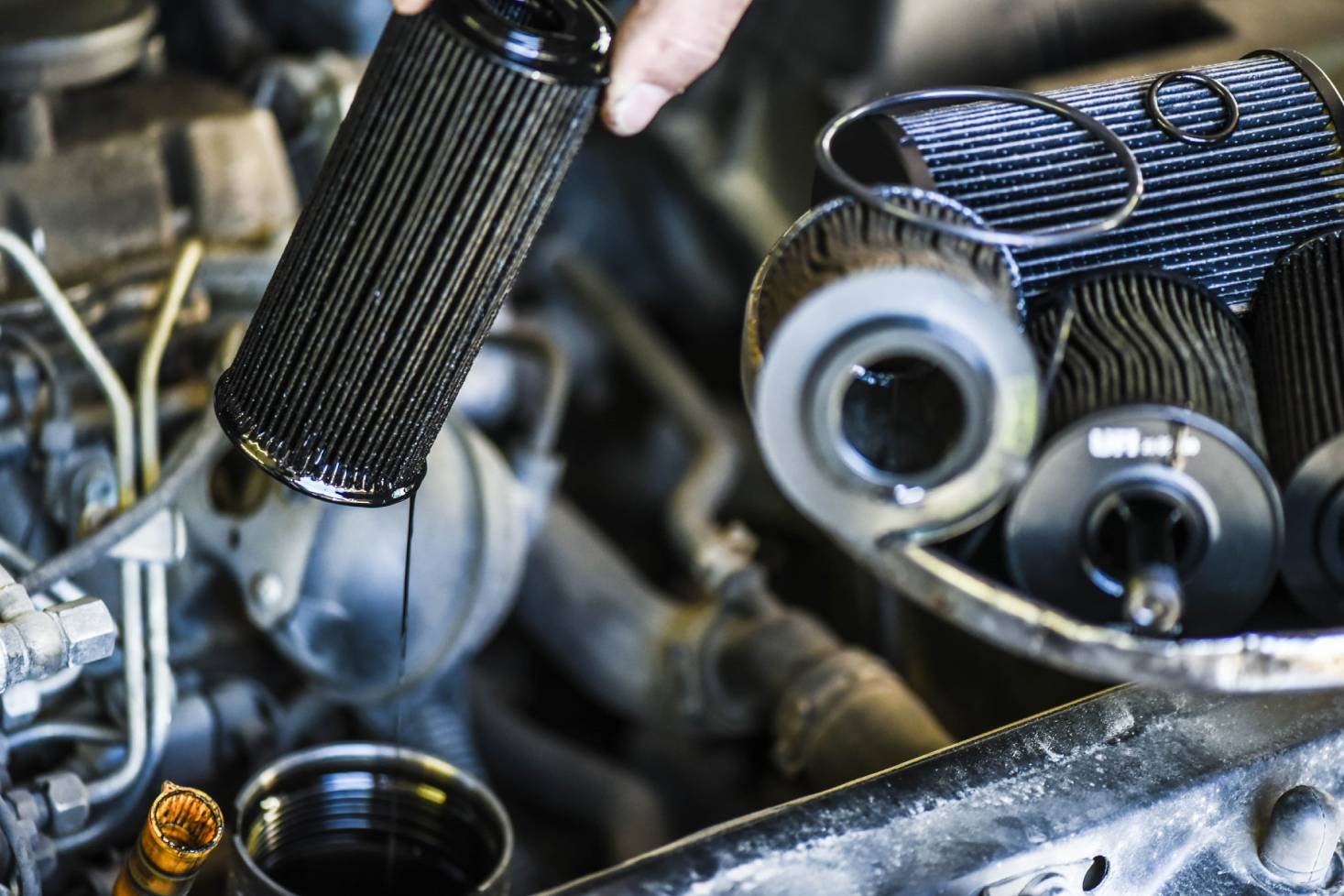
Your engine oil does more than just lubricate moving parts. It collects dirt, metal particles, and sludge that naturally build up as you drive. The oil filter acts as a barrier, trapping these contaminants and keeping your oil cleaner for longer. However, as the filter fills up, it becomes less effective. A clogged filter can even restrict oil flow, starving your engine of the lubrication it desperately needs.
Changing the oil filter every time you change your oil makes sense for several reasons:
- Maximum engine protection – New oil passes through a fresh filter, so contaminants are immediately removed.
- Prevents old debris mixing – A dirty filter can release old particles back into new oil.
- Improves oil quality – Clean oil stays cleaner for longer, protecting engine parts from wear.
- Avoids filter failure – Old filters can break down internally, causing blockages or leaks.
Most vehicle manufacturers and mechanics recommend changing the oil filter every time you replace the oil. Ignoring this advice can reduce engine life and efficiency.
How Often Should You Change Oil Filters?
The frequency of oil changes and filter replacements depends on several factors:
- Driving conditions: Stop-and-go city traffic, towing, or extreme temperatures make your engine work harder, so more frequent changes are needed.
- Type of oil: Synthetic oils last longer than conventional oils, but both still need regular filter changes.
- Manufacturer recommendations: Always check your car’s manual for the recommended intervals.
A common guideline is:
- Every 3,000 to 5,000 miles (4,800 to 8,000 km) for conventional oil
- Every 7,500 to 10,000 miles (12,000 to 16,000 km) for synthetic oil
But remember, always change the oil filter with the oil, not just by the mileage.
Credit: minit-tune.com
What Happens If You Skip Oil Filter Changes?
Many drivers mistakenly believe the oil filter can go longer than the oil itself. This is risky. Here’s what can happen if you skip filter changes:
- Reduced oil flow: The filter becomes clogged, restricting oil movement and causing engine parts to wear out faster.
- Contaminant buildup: Old debris mixes with new oil, reducing its effectiveness.
- Possible engine damage: Without proper filtration, particles scratch and damage engine components.
- Oil pressure problems: A blocked filter can trigger warning lights or even cause oil leaks.
- Warranty issues: Skipping recommended maintenance may void your car’s warranty.
Some modern cars have a bypass valve in the oil filter. When the filter is clogged, oil flows around it, entering the engine unfiltered. This keeps oil moving but does not protect your engine from harmful particles. Changing your oil filter every time prevents these risks.
Choosing The Right Oil Filter
Not all oil filters are the same. Selecting the correct filter for your vehicle is essential.
Key Factors To Consider
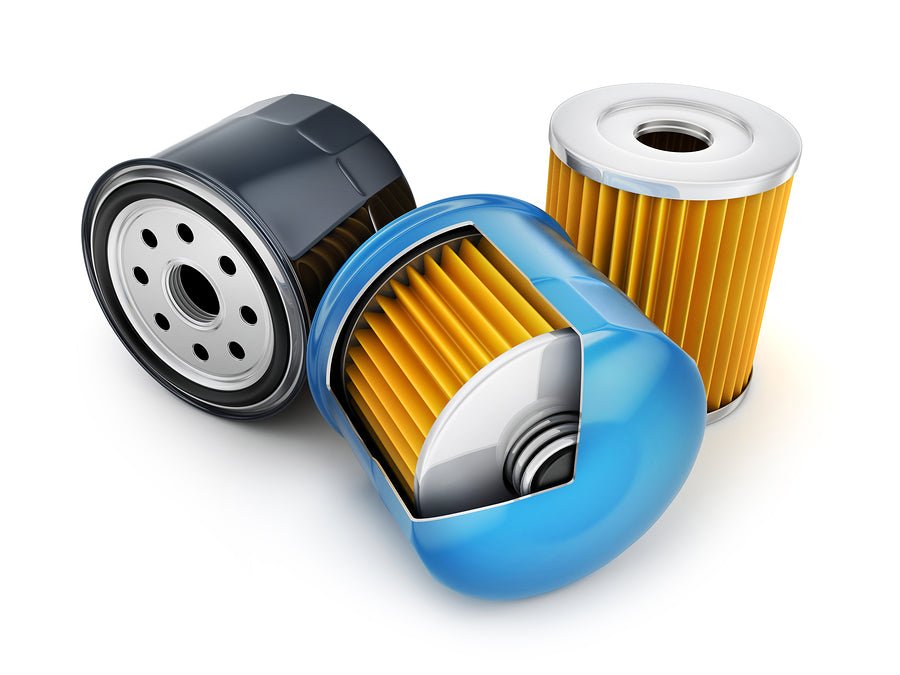
- Fit and compatibility: Use the exact filter model recommended by your car manufacturer.
- Filter material: High-quality paper or synthetic elements trap more particles.
- Anti-drainback valve: This prevents oil from draining out of the filter when your engine is off (important for many modern engines).
- Bypass valve: Ensures oil flow if the filter becomes clogged, but you still want a filter that lasts until your next oil change.
Here is a comparison of common oil filter types:
| Filter Type | Material | Typical Lifespan | Best For |
|---|---|---|---|
| Standard Paper | Cellulose | 3,000-5,000 miles | Daily driving, older cars |
| Synthetic | Synthetic fiber | 7,500-10,000 miles | Modern engines, synthetic oil |
| High-Performance | Blend (synthetic/paper) | Up to 15,000 miles | High-stress, racing |
Pro tip: Avoid buying the cheapest filter. Low-quality filters may not fit well or filter effectively, leading to engine issues.
Step-by-step Guide: Oil And Filter Change
Doing your own oil and oil filter change saves money and helps you understand your vehicle better. Here is a simple step-by-step process:
1. Prepare Your Materials
You’ll need:
- The correct amount and type of oil (check your manual)
- A new, compatible oil filter
- Oil catch pan
- Oil filter wrench
- Socket or wrench set
- Funnel
- Gloves and rags
2. Warm Up The Engine
Run your car for a few minutes to warm the oil. Warm oil drains faster and carries more dirt with it.
3. Drain The Old Oil
- Place the catch pan under the oil pan.
- Remove the drain plug carefully.
- Let all oil drain out (usually takes 5-10 minutes).
4. Remove The Old Filter
- Use the oil filter wrench to loosen and remove the old filter.
- Be careful—some oil may spill.
5. Install The New Filter
- Wipe a little new oil on the rubber gasket of the new filter.
- Screw it in by hand until snug, then tighten another 3/4 turn.
- Don’t overtighten.
6. Add New Oil
- Replace the drain plug securely.
- Pour in new oil using a funnel.
- Check the level with the dipstick and add more if needed.
7. Check For Leaks
- Start the engine and run for a minute.
- Look under the car for leaks.
- Turn off the engine, let it sit, and recheck the oil level.
Insight: Many beginners forget to check for leaks or to dispose of old oil and filters properly. Always recycle used oil and filters at a certified collection point.
Signs Your Oil Filter Needs Changing
Sometimes, your driving habits or engine condition may require more frequent oil filter changes. Watch for these warning signs:
- Engine noise: Knocking or ticking sounds can mean poor lubrication.
- Oil pressure warning light: Indicates blocked oil flow.
- Dirty or dark oil: Check the dipstick; very dark oil means it’s full of particles.
- Exhaust smoke: Blue or gray smoke can mean oil is not filtering properly.
- Drop in engine performance: Hesitation, rough running, or poor acceleration.
If you notice these symptoms, don’t wait for your next scheduled oil change—replace the oil filter right away.
Credit: www.reddit.com
Common Mistakes With Oil Filter Changes
Even experienced DIYers can make errors during oil and filter changes. Some mistakes to avoid:
- Not changing the filter with the oil – As explained, always do both together.
- Overtightening the filter – This can crush the gasket or make removal difficult next time.
- Using the wrong filter – Always match the filter to your engine model.
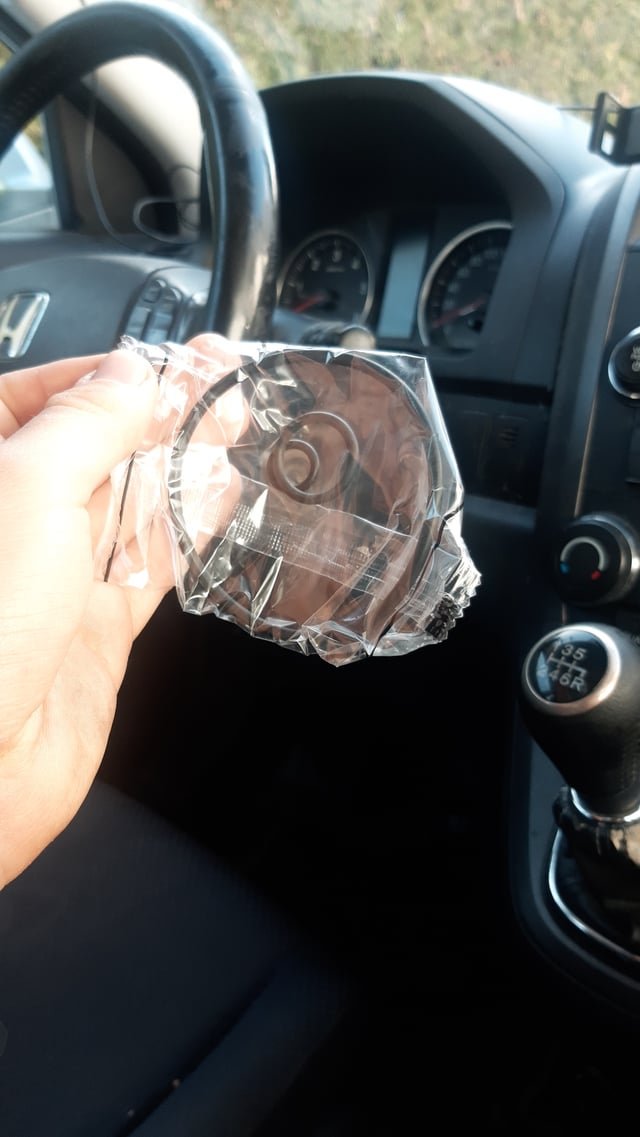
- Forgetting to oil the new filter gasket – A dry gasket can leak.
- Leaving the old gasket stuck – Always check the filter mount for leftover gasket material.
- Not checking oil level after refill – Running the engine with low oil can cause severe damage.
Cost Of Oil Filter Change Vs. Engine Repair
Some car owners skip filter changes to save money, but this often backfires. Let’s compare the average costs:
| Service | Average Cost | Frequency | Total Over 100,000 miles |
|---|---|---|---|
| Oil & Filter Change | $40 | Every 5,000 miles | $800 |
| Engine Repair (from oil neglect) | $2,000 – $5,000 | Once (unexpected) | $2,000 – $5,000 |
Spending a few extra dollars on oil filters can prevent massive repair bills later.
Non-obvious insight: Even if your car seems to run fine, tiny engine damage from dirty oil adds up over time. Problems may only appear after your warranty runs out.
Credit: www.takumi-motoroil.com.au
Do You Need A Professional Mechanic?
Many drivers can handle oil and filter changes themselves, but professional service has its advantages:
- Proper disposal: Pros recycle old oil and filters safely.
- Inspection: Mechanics often spot small issues before they become big problems.
- Correct parts: They use the right filter and oil for your car.
If you’re unsure or don’t have the tools, it’s wise to let a professional handle it.
How Oil Filters Have Changed Over Time
Oil filter technology has improved a lot in recent decades. Older cars used simple, small filters that filled up quickly. Modern filters use better materials and design, trapping much smaller particles. Some now have anti-drainback valves and bypass systems to protect engines even when the filter gets dirty.
In addition, longer-life synthetic oils have led to filters designed for 10,000+ miles. But even with these improvements, most experts still recommend changing the filter with every oil change—playing it safe is always best.
For more on oil filter advancements, see Wikipedia.
Frequently Asked Questions
How Often Should I Change My Oil Filter?
Most experts and manufacturers recommend changing the oil filter every time you change your oil. For most cars, that’s every 3,000 to 7,500 miles, depending on oil type and driving conditions.
Can I Change The Oil And Not The Filter?
It’s possible, but not recommended. Old filters can contaminate new oil and reduce engine protection. Always change both together for the best results.
What Happens If I Use The Wrong Oil Filter?
An incorrect filter may not fit tightly, leading to leaks, poor filtration, or even engine damage. Always use the filter specified for your vehicle.
Are Premium Oil Filters Worth The Extra Cost?
High-quality filters often last longer and trap smaller particles, especially when using synthetic oil or driving in tough conditions. They can be a good investment for engine health.
Can I Extend Oil Filter Life With Synthetic Oil?
Synthetic oil stays clean longer, but the filter can still fill up with debris. It’s best to change the oil filter every time, even with synthetic oil, to prevent unfiltered oil from reaching your engine.
Changing your oil filter every time you change your oil is a simple, affordable step that protects your engine and keeps your car running smoothly for years. Don’t skip it—your car (and your wallet) will thank you.