
One Pedal Driving Explained
Imagine driving your car with just one pedal. You press down to go. You lift your foot to slow down, or even stop. This is not science fiction—it’s called one pedal driving. As electric vehicles (EVs) become more common, this new way of driving is changing how people think about being behind the wheel. One pedal driving feels odd at first, but it can make driving simpler, more efficient, and even more fun.
Many new EVs offer this feature, but it’s not always clear how it works or when to use it. Some drivers think it’s only for experts, while others worry it will wear out their car. The truth is, one pedal driving is easy to learn, and it offers real benefits—if you know how to use it.
Let’s look at how one pedal driving works, why it’s useful, what to expect, and how to master it. If you’re curious about electric cars, or want to make the most of your new EV, this guide will tell you everything you need to know.
What Is One Pedal Driving?
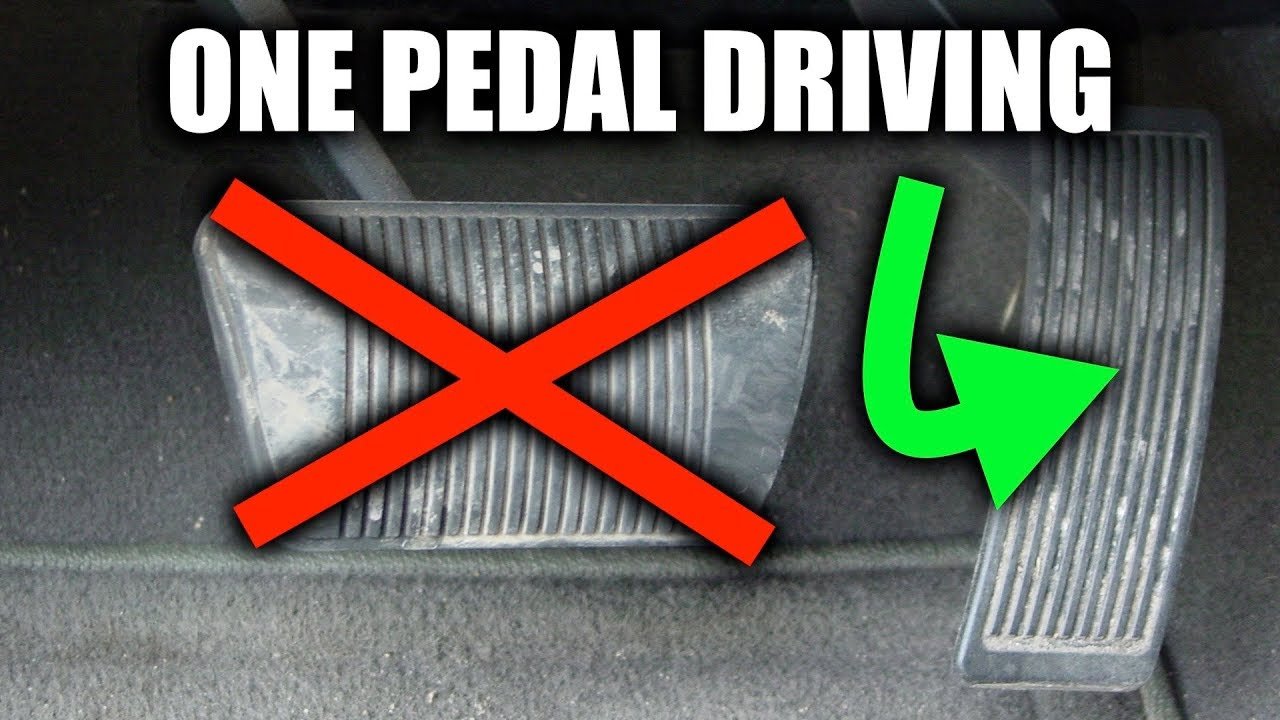
One pedal driving is a system where you use the accelerator pedal for both speeding up and slowing down. When you push the pedal, the car moves forward as usual. But when you lift your foot, the car slows down quickly—often much faster than a regular car. In many cases, the car can come to a complete stop without you touching the brake pedal.
This is possible because EVs use regenerative braking. When you ease off the pedal, the electric motor runs in reverse, turning your car’s motion into electricity that charges the battery. This slows the car naturally, and also saves energy. Some hybrids also offer one pedal driving, but it’s most common in fully electric cars.
How One Pedal Driving Works
When you drive a traditional gasoline car, you use the accelerator to go and the brake pedal to stop. In an EV with one pedal driving, the car uses the electric motor to slow down as soon as you take your foot off the accelerator. This is called regenerative braking. Here’s what happens:
- Accelerating: Press the pedal to move faster, just like any car.
- Slowing Down: Lift your foot slightly, and you feel the car slow down—no need to touch the brake.
- Stopping: Lift your foot completely, and the car may come to a smooth stop.
The car’s computer decides how much braking force to use, based on how quickly you release the pedal. If you need to stop quickly, you can still use the brake pedal, which works like a normal brake.
A Simple Example
Imagine you’re driving at 30 miles per hour. You see a red light ahead. In a regular car, you would move your foot to the brake pedal and press down. In one pedal driving, you simply lift your foot from the accelerator.
The car slows down, and if you time it right, you stop at the light without ever touching the brake.
Benefits Of One Pedal Driving
One pedal driving offers several advantages, especially for city and daily driving. Here are the main benefits:
- Less Foot Movement: You move your foot less often, so driving feels smoother and less tiring.
- More Control: You can adjust your speed with small changes in pressure. This helps you react quickly to traffic changes.
- Energy Savings: The car recaptures energy every time you slow down, improving efficiency and range.
- Lower Brake Wear: Since you use the mechanical brakes less, they last longer and need fewer repairs.
- Easier Stop-and-Go Traffic: In city traffic, you rarely need to use the brake pedal, making driving less stressful.
Most drivers find that after a short learning period, one pedal driving feels natural. Many even say they prefer it, especially in busy city streets or during long drives with lots of slowing and starting.
Downsides And Limitations
While one pedal driving has many benefits, it is not perfect for every situation. Here are some things to keep in mind:
- Steep Hills: On very steep slopes, regenerative braking may not slow the car enough. You still need to use the brake pedal for full control.
- Emergency Stops: For sudden stops, you must use the brake pedal. One pedal driving is not a replacement for proper braking in dangerous situations.
- Icy or Slippery Roads: Sometimes, the strong slowing effect can cause wheels to slip, especially on ice. Most EVs adjust for this, but it’s something to be aware of.
- Not Universal: Some EVs let you adjust or turn off one pedal driving. Others don’t offer it at all. Always check your car’s manual.
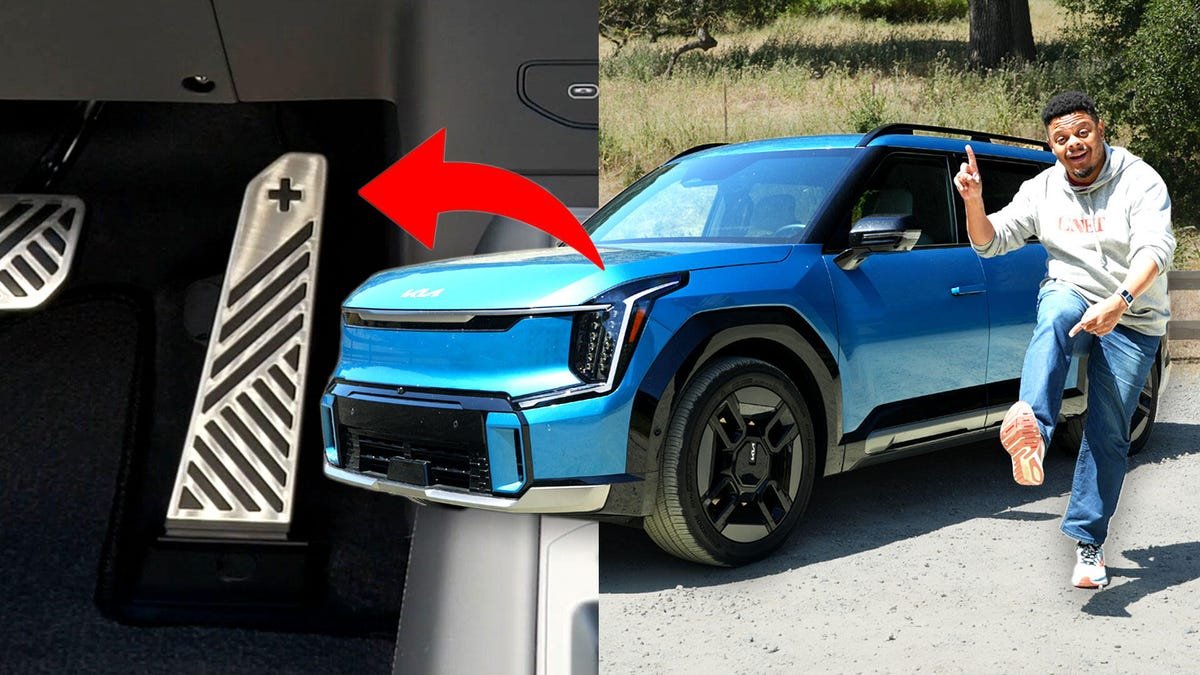
One common mistake is to think that you never need the brake pedal. In reality, you should always be ready to use it when needed.
Credit: www.cnet.com
How To Use One Pedal Driving
If you have never tried one pedal driving, the idea can seem strange. Here’s how to get started and what to expect:
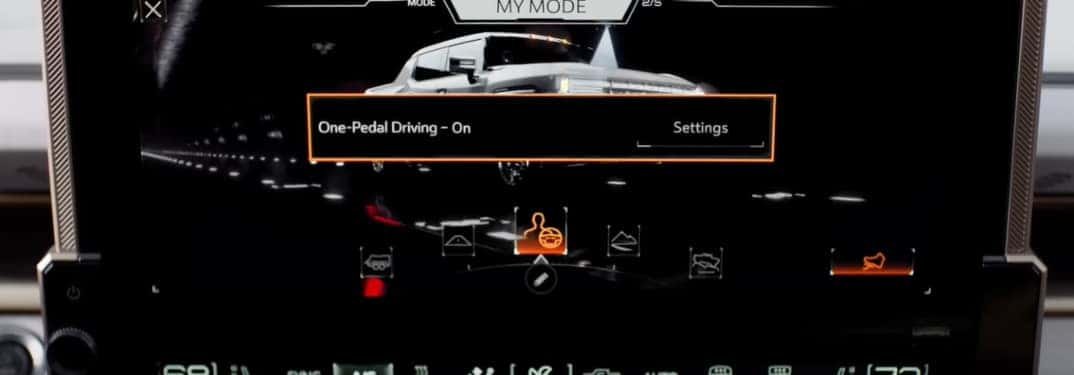
- Activate the Mode: Most EVs have a button, switch, or touchscreen setting to turn on one pedal driving. Some call it “B Mode,” “Regen Mode,” or “e-Pedal.”
- Start Slowly: Begin in a parking lot or quiet street. Get used to the way the car slows when you lift your foot.
- Practice Timing: Try slowing down for a stop sign or red light using only the accelerator. Notice how far you travel before coming to a stop.
- Adjust for Comfort: Some cars let you choose how strong the regenerative braking feels. Pick a setting that matches your comfort level.
- Stay Ready: Always keep your foot near the brake pedal, especially at first, until you trust the system.
With a little practice, you’ll learn to judge distances and stop smoothly. One non-obvious tip: In heavy traffic, small, gentle lifts on the accelerator will keep your ride comfortable for passengers.
Differences Between One Pedal Driving And Regular Driving
It helps to see the main differences side by side. Here’s a quick comparison:
| Feature | One Pedal Driving | Traditional Driving |
|---|---|---|
| Acceleration | Use accelerator pedal | Use accelerator pedal |
| Slowing Down | Lift accelerator pedal | Press brake pedal |
| Stopping | May stop automatically | Must use brake pedal |
| Energy Recapture | High | Low/None |
| Brake Wear | Low | High |
Notice that, except for emergency or special situations, the brake pedal is used much less in one pedal driving.
Popular Cars With One Pedal Driving
Many new electric cars offer some form of one pedal driving. Some use different names, but the function is similar. Here are a few popular models:
- Nissan Leaf: One of the first mass-market EVs, it calls its system “e-Pedal.”
- Tesla Models: All Tesla cars offer adjustable regenerative braking for one pedal driving.
- Chevrolet Bolt EV: Offers “One Pedal Driving” mode.
- Ford Mustang Mach-E: Includes one pedal driving as a selectable feature.
- Hyundai Kona Electric: Offers strong regenerative braking, with paddles to adjust strength.
- Kia EV6: Similar to Hyundai, with adjustable levels.
- Polestar 2: Features a strong one pedal mode for city driving.
- Volkswagen ID.4: Offers “B Mode” for maximum regen.
Each brand may use a different name, but the main idea is the same: use one pedal for most driving, and the brake only when needed.
Real-world Performance
Drivers often ask how much difference one pedal driving makes in daily life. Here are some real-world insights:
- City Driving: In stop-and-go traffic, one pedal driving can reduce brake use by up to 90%. This means less fatigue and longer brake life.
- Energy Recovery: Regenerative braking can recapture up to 70% of the energy normally lost when slowing down. This can add several miles to your EV’s range each day.
- Smoothness: Most people find that, after a week, they can drive smoothly and comfortably using only one pedal.
- Learning Curve: Some drivers need a few days to adjust, especially if they have years of experience with traditional cars.
One thing beginners often miss is that cold weather can reduce regenerative braking power. Batteries work best when warm, so expect less one pedal effect on very cold mornings.
One Pedal Driving Vs. Adaptive Cruise Control
It’s easy to confuse one pedal driving with features like adaptive cruise control (ACC). Both can slow your car automatically, but they work very differently.
| Feature | One Pedal Driving | Adaptive Cruise Control |
|---|---|---|
| How It Works | Driver lifts accelerator pedal | Car senses traffic and slows automatically |
| Who Controls Speed | Driver | Computer |
| Energy Recovery | High | Varies (often low) |
| Brake Use | Low | Varies (uses actual brakes) |
One pedal driving is always under your control. ACC is great for highways, but it’s a separate feature.
Common Questions And Misconceptions
Many drivers think one pedal driving is only for advanced users, or that it will damage the car. In fact, most people can learn it quickly, and modern EVs are designed to handle the extra regenerative force. Here are two important points beginners often miss:
- Battery Health: Some worry that using strong regenerative braking will shorten battery life. In reality, the system is designed to handle daily use, and many automakers say it can even help battery health by keeping charge cycles smooth.
- Passenger Comfort: At first, it’s easy to slow down too sharply, making passengers feel a sudden “jerk.” With practice, you’ll learn to lift your foot gradually for smooth stops.
If you’re unsure, try one pedal driving for short trips until you’re comfortable.
Credit: www.gmcofrochester.com
Tips For Mastering One Pedal Driving
Want to get the most from one pedal driving? Try these practical tips:
- Look Ahead: Start slowing down early, especially when approaching stops or turns.
- Lift Gradually: Smoothly reduce pressure on the accelerator to avoid jerky stops.
- Know When to Use the Brake: Always be ready for emergencies or steep hills.
- Use Settings: If your car lets you adjust regen strength, find a level that feels comfortable.
- Practice in Safe Areas: Use empty parking lots or quiet roads to build confidence.
A less-known trick: In heavy rain, sometimes regenerative braking is reduced for safety. If your car feels different, check your dashboard for warnings.
Environmental Impact
One pedal driving does more than make driving easier—it helps the planet. By using regenerative braking, you’re saving energy that would otherwise be lost as heat. Over time, this means:
- Lower energy use per mile
- Fewer brake pad replacements (less waste)
- Less air pollution from brake dust
For people concerned about their carbon footprint, this is a real advantage. It’s a small change in driving style that adds up over thousands of miles.
Future Of One Pedal Driving
As more drivers switch to electric cars, one pedal driving is likely to become the norm. Automakers are working to make the system even smoother and smarter. In the future, you may see cars that adjust regenerative braking based on road conditions, weather, or even your driving style.
Some experts predict that, as technology improves, the traditional brake pedal may be used only for emergencies. Until then, learning one pedal driving gives you a head start on the future of motoring.
For more details on the science behind regenerative braking, visit the Wikipedia page on regenerative brakes.
Frequently Asked Questions
What Happens If I Need To Stop Quickly In One Pedal Driving Mode?
You can always use the brake pedal for fast or emergency stops. One pedal driving helps slow the car, but the mechanical brakes are still there for full control when needed.
Does One Pedal Driving Work In All Weather?
Most of the time, yes. However, on icy or wet roads, your EV may reduce regenerative braking to prevent slipping. If you notice less slowing power, use the brake pedal as needed.
Will One Pedal Driving Damage My Car Or Battery?
No, modern EVs are designed for one pedal driving. The system manages energy flow safely, and it can actually help protect the battery by reducing extreme charging cycles.
Can I Turn Off One Pedal Driving If I Don’t Like It?
In many EVs, you can adjust or turn off one pedal driving. Check your car’s settings or manual for options. Some cars always have some regenerative braking, but the strength can often be changed.
Is One Pedal Driving Safe For New Drivers?
Yes, with a little practice. Many beginners find it easier and less tiring, especially in city traffic. Start in a safe area and build confidence before using it in busy conditions.
One pedal driving is more than just a new feature—it’s a different way to experience the road. With a little practice, most people find it makes driving smoother, simpler, and more enjoyable. If you’re ready to try it, your electric car has a smart tool waiting for you.
Credit: www.youtube.com
