
If you’re thinking about buying a Subaru Outback or you already drive one, it’s smart to know what common problems come with each model year. The Outback is loved for its reliability, all-wheel drive, and comfort. But, like all cars, some years have more issues than others. This guide takes a close look at the most reported problems by year, so you can make better decisions about buying, owning, or repairing a Subaru Outback.
Subaru Outback Overview
The Subaru Outback has been a favorite for families, outdoor lovers, and people who want a safe, practical car. First introduced in 1994, it quickly became known for its mix of wagon space and SUV capability. However, different generations and years have their own set of strengths and weaknesses. Understanding the history of these problems helps you avoid expensive surprises and keep your car running smoothly.
Common Problems By Year
2000–2004 Subaru Outback
These early 2000s models belong to the third generation of the Outback. They are known for being dependable, but several issues keep appearing.
- Head Gasket Failure: One of the biggest problems for these years is head gasket failure. It usually shows up between 80,000 and 120,000 miles. Drivers notice oil leaks, white smoke, or overheating. Repairs can cost over $1,500.
- Wheel Bearing Noise: Many owners report a humming sound from the wheels. Wheel bearings wear out sooner than expected, sometimes before 100,000 miles.
- Rust: In cold areas, rust on the rear wheel wells and underbody is common. This can become a safety issue if not fixed early.
- Transmission Problems: Some automatic Outbacks have rough shifting or slip between gears. Regular fluid changes help, but sometimes a rebuild is needed.
Non-obvious Insight: Watch the coolant level often. A slow drop can signal a head gasket problem before you see leaks or overheating.
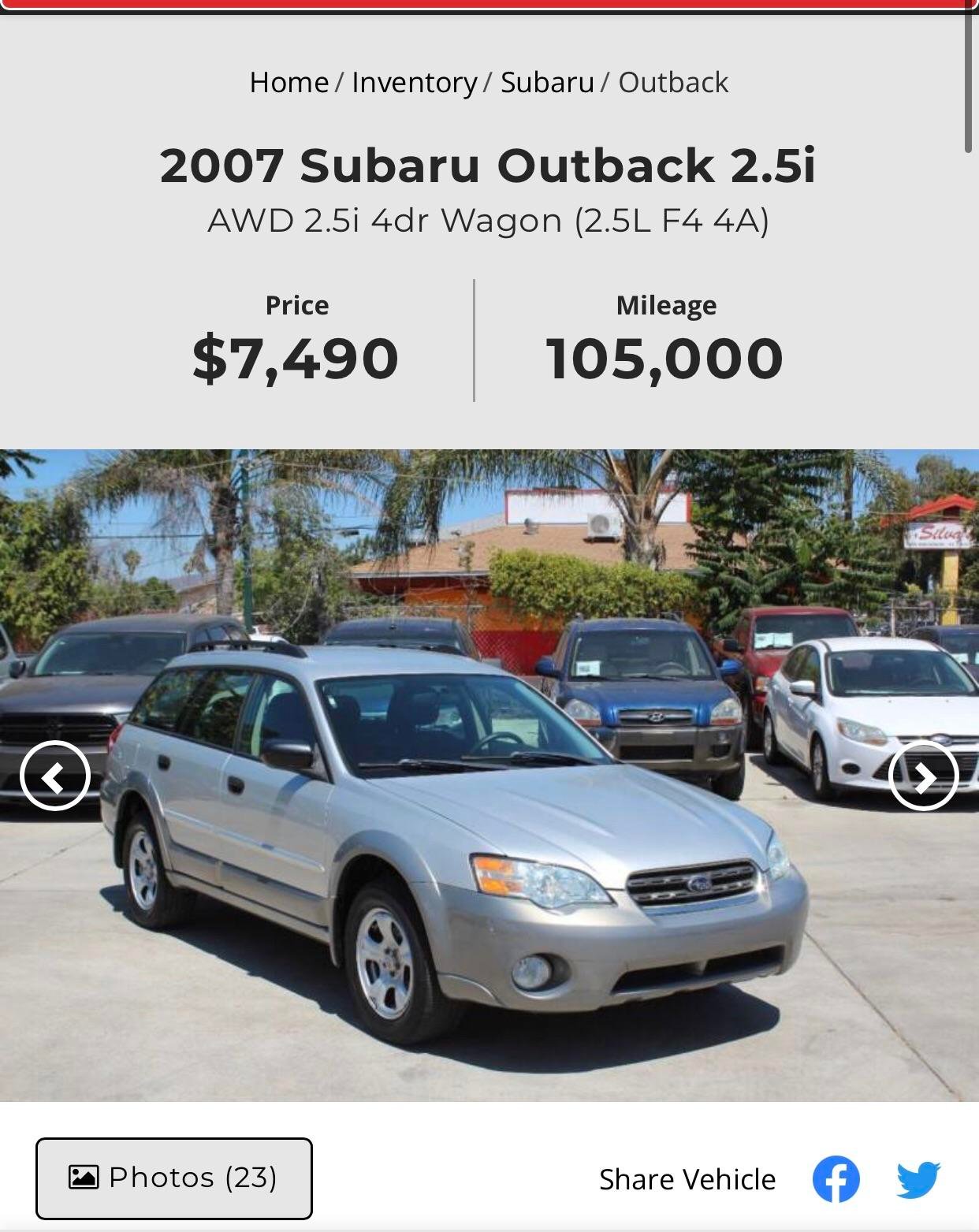
2005–2009 Subaru Outback
This generation brought a new look and more comfort, but also introduced new issues.
- Head Gasket Leaks Continue: Subaru improved the design, but the head gasket problem still happened, often by 90,000 miles.
- Suspension Noise: Worn bushings in the rear suspension can cause clunking sounds over bumps.
- Air Conditioning Failure: AC compressors often fail, especially in the 2005 and 2006 models.
- Dashboard Melting: The dashboard on some 2008–2009 models gets sticky and shiny under sunlight, making glare worse.
Tip: If you test drive a 2005–2009 Outback, listen for rear suspension noise and check the AC on a hot day.
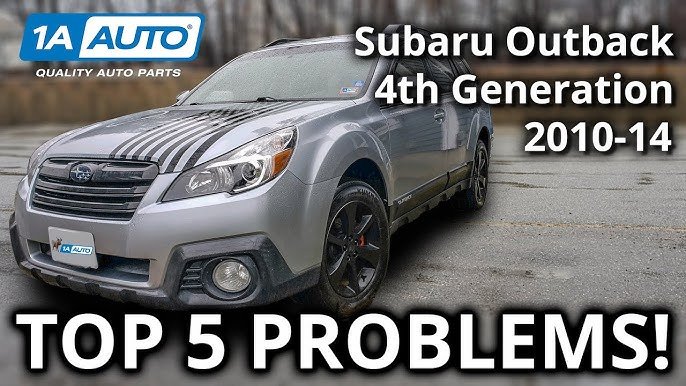
2010–2014 Subaru Outback
The fourth generation brought a bigger body and more tech, but also some notable complaints.
- CVT Transmission Problems: Subaru introduced the CVT (continuously variable transmission) in 2010. Some owners report shuddering, hesitation, or complete failure, often before 120,000 miles.
- Steering Wheel Vibration: Many 2010–2012 models suffer from steering wheel shake at highway speeds. It’s often caused by the suspension or tire balance.
- Windshield Cracking: Windshields are thin and crack easily from small stones or temperature changes.
- Oil Consumption: The 2.5L engine can burn oil quickly, especially after 60,000 miles. Owners need to check and top off oil often.
Non-obvious Insight: Subaru extended the warranty on CVT for some models up to 100,000 miles. Check if a used car is still covered.
2015–2019 Subaru Outback
The fifth generation improved comfort and safety, but some issues remained.
- Windshield Cracking: This problem got worse. Many owners complain about spontaneous cracks or chips that spread quickly.
- EyeSight System Glitches: The advanced driver-assist system sometimes gives false alarms or stops working after heavy rain or snow.
- Battery Drain: Some 2016–2017 models have electrical problems that drain the battery overnight.
- Infotainment Freezes: The touch screen sometimes freezes or restarts, especially in cold weather.
Tip: If you’re buying a used 2015–2019 Outback, test all the electrical systems, including EyeSight and infotainment, before making a decision.
2020–2024 Subaru Outback
The latest Outbacks are packed with technology, but new features bring new problems.
- Software Bugs: Owners report infotainment glitches, including Bluetooth dropping, backup camera delays, and random reboots.
- Windshield Issues: Cracking continues to be a complaint, even with improved glass.
- Fuel Pump Recalls: Some 2020 models had faulty fuel pumps that could cause stalling.
- Battery Issues: Early battery drain is still a concern, mostly in cold climates.
Non-obvious Insight: Many software issues can be fixed with a dealer update. Ask if all recalls and software updates have been done before buying.
Credit: www.youtube.com
Comparison Of Common Problems By Year
To make it easier to compare, here is a quick look at the top issues for each era:
| Model Year | Top Problems |
|---|---|
| 2000–2004 | Head gasket, wheel bearings, rust, transmission |
| 2005–2009 | Head gasket, suspension, AC, dashboard |
| 2010–2014 | CVT, vibration, windshield, oil use |
| 2015–2019 | Windshield, EyeSight, battery, infotainment |
| 2020–2024 | Software, windshield, fuel pump, battery |
Most And Least Reliable Years
Some Outback years stand out for being better—or worse—than others. Here’s a quick summary:
| Years to Avoid | Best Years |
|---|---|
| 2013, 2015, 2017 (for CVT, windshield, and battery) | 2009, 2014, 2019 (fewer serious complaints) |
2013 is often reported for heavy oil consumption and CVT issues. 2015 and 2017 suffer from the most electrical and windshield complaints.
2009, 2014, and 2019 have the fewest major repair complaints, making them safer bets for buyers.
Credit: www.reddit.com
What To Look For When Buying Used
If you want a used Subaru Outback, pay close attention to:
- Service Records: Ask for proof of regular maintenance, especially oil changes and timing belt replacements.
- Recalls and Software Updates: Make sure all recalls have been done. Ask the seller or check with a Subaru dealer.
- Signs of Oil Leaks: Look under the car for oil stains. Check the oil level and its color.
- Test Drive: Listen for wheel bearing noise, suspension clunks, or CVT hesitation.
- Windshield Condition: Inspect the glass for any chips, cracks, or repairs.
- Electrical System: Test all lights, displays, and safety features like EyeSight.
- Check for Rust: Look at the wheel wells, underbody, and door edges for rust spots.
Practical Tip: Many used Outbacks are sold after the warranty ends, so budget for possible repairs like a head gasket or CVT service.
Maintenance Tips To Prevent Common Issues
Even with these known problems, good maintenance can help avoid big repair bills:
- Change engine oil every 5,000 miles, not just when the manual says.
- Use Subaru-approved coolant to prevent head gasket failure.
- Rotate tires every 6,000 miles to reduce suspension wear.
- Check the battery and replace it every 3–4 years, especially in cold climates.
- Get the CVT fluid checked and changed by a Subaru dealer.
Non-obvious Insight: Many Outback problems start small and get worse slowly. Fixing minor issues early (like a small oil leak or tiny windshield chip) can save you thousands later.
Subaru Outback Vs. Competitors
How does the Outback compare to other popular wagons or crossovers? Here’s a snapshot:
| Model | Main Weakness | Main Strength |
|---|---|---|
| Subaru Outback | Head gaskets, windshields, CVT | AWD, safety, cargo space |
| Toyota RAV4 | Transmission (older models) | Reliability, resale value |
| Honda CR-V | Oil dilution (recent years) | Fuel economy, comfort |
| Ford Escape | Engine, transmission (turbo models) | Tech features, handling |
The Subaru Outback often wins for all-wheel drive and safety but loses points for head gasket and windshield problems.
Frequently Asked Questions
What Is The Most Common Problem With Subaru Outback?
The most frequent complaint is head gasket failure in older models (1996–2009). In newer models, windshield cracking and CVT transmission issues are common.
Which Outback Years Should I Avoid?
It’s best to avoid 2013, 2015, and 2017 models. These years have the most complaints about oil use, windshields, and batteries.
Does Subaru Cover Cvt Transmission Repairs?
For many 2010–2017 Outbacks, Subaru extended the CVT warranty to 100,000 miles. Check with a dealer to see if your car is covered.
How Long Does A Subaru Outback Last?
With proper maintenance, a Subaru Outback can last 200,000 miles or more. Some owners report over 250,000 miles with few major repairs.
Where Can I Learn More About Subaru Outback Recalls?
You can find official recall information on the National Highway Traffic Safety Administration website.
Owning a Subaru Outback means enjoying great traction, safety, and space. By understanding common problems by year, you can avoid headaches, plan your maintenance, and keep your Outback running strong for many years.
Credit: www.brandontomessubaru.com