
Seeing a warning light on your dashboard can make any driver nervous. Among the most important is the temperature warning light. When this symbol glows, your car is trying to tell you something urgent about the engine’s health. Many drivers are unsure what this light really means and what to do next. Ignoring it can lead to serious damage and expensive repairs. Understanding the temperature warning light meaning helps you react with confidence and avoid trouble on the road.
What Is The Temperature Warning Light?
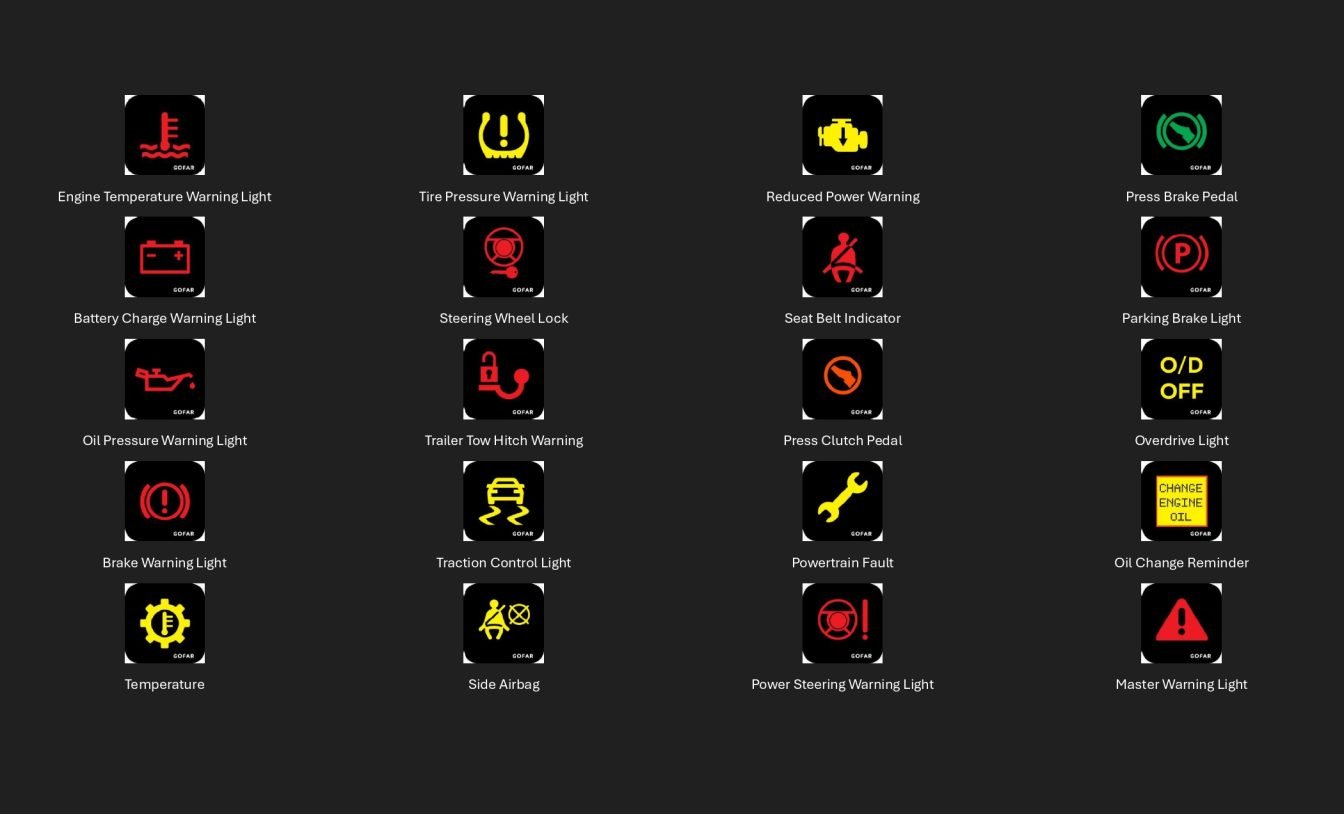
The temperature warning light is a small icon on your dashboard, often shaped like a thermometer or waves of liquid. Its job is simple: warn you if your engine is getting too hot. Most cars use red for this light, signaling a serious issue. Sometimes, you may also see a blue version, which means the engine is still cold and not ready for hard driving yet.
The red temperature light usually means something in your cooling system is failing. If you see it, you should act quickly. Driving with an overheated engine can cause lasting damage.
Why Do Cars Overheat?
Engines create a lot of heat when they run. The cooling system, which includes coolant, radiator, water pump, and fans, keeps the temperature in a safe range. Overheating happens when this system cannot remove heat fast enough. Here are some common reasons:
- Low coolant level: If there’s not enough coolant, the engine cannot cool down.
- Coolant leaks: A small leak can lead to a big problem over time.
- Broken water pump: The pump moves coolant through the engine; if it fails, the system stops working.
- Thermostat failure: The thermostat controls coolant flow. If stuck closed, coolant cannot circulate.
- Blocked radiator: Dirt, bugs, or debris can block the airflow or coolant inside the radiator.
- Broken radiator fan: Without the fan, the radiator cannot cool the coolant at low speeds or when stopped.
- Damaged hoses: Old or cracked hoses may leak or burst under pressure.
Engines can also overheat because of a faulty head gasket, air pockets in the system, or even a broken serpentine belt that drives the water pump.
Credit: autotop.co.nz
What To Do When The Temperature Warning Light Comes On
You should never ignore the temperature warning light. Here are the steps you should take if it turns on while you’re driving:
- Pull over safely: As soon as you can, stop your car in a safe place.
- Turn off the engine: This stops the engine from getting hotter.
- Wait for cooling: Do not open the hood right away. Wait at least 15–30 minutes for the engine to cool.
- Check coolant level: When the engine is cool, check the coolant reservoir. Never open the radiator cap when hot—it can spray boiling coolant.
- Look for leaks: Check under the car for puddles and look around the engine for wet spots.
- Call for help: If you’re unsure or see leaks, call roadside assistance or a mechanic.
- Add coolant if needed: If the coolant is low but you see no leaks, you can add coolant or water (as a short-term fix) until you reach a repair shop.
Knowing these steps protects your engine and keeps you safe.
How The Temperature Warning Light Looks
Different cars use different icons for the temperature warning light. Here are the most common designs:
- Thermometer symbol: A thermometer dipped in liquid, often with waves below.
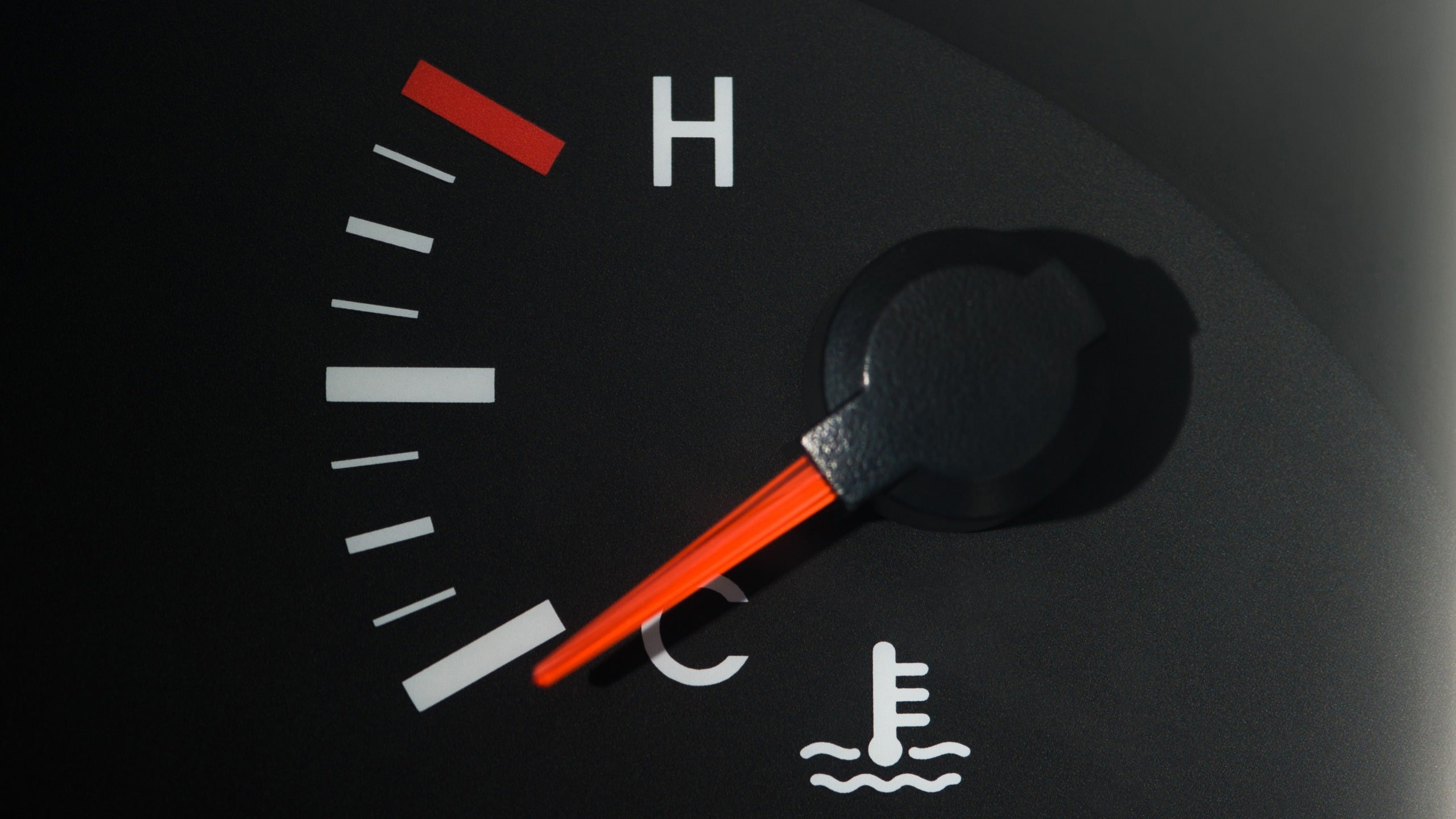
- Temperature gauge: Sometimes, the light mimics the look of a temperature gauge needle in the red zone.
- Word “TEMP” or “HOT”: Some older models spell it out.
Knowing what your car uses helps you react quickly. Check your owner’s manual to be sure.
What Happens If You Ignore The Temperature Warning Light?
Ignoring the temperature warning light can turn a small problem into a disaster. Here’s what might happen:
- Head gasket failure: Overheating can blow the head gasket. Repairing this can cost thousands of dollars.
- Warped cylinder head or engine block: The metal parts can bend or crack from heat, leading to engine replacement.
- Piston and cylinder damage: The moving parts inside the engine can melt or seize.
- Loss of power: Overheating engines often lose power or start to run roughly.
- Complete engine failure: In the worst case, your engine may be ruined and need full replacement.
Every year, many drivers face huge bills because they drove with the warning light on. This is why acting fast is so important.
Common Misunderstandings About The Temperature Warning Light
Many drivers make mistakes when they see the temperature warning light. Here are two non-obvious insights that beginners often miss:
- It’s not always a coolant problem: Sometimes, the issue comes from a faulty temperature sensor, wiring, or even a blocked heater core.
- Turning on the heater can help (temporarily): Running the car’s heater at maximum can pull heat away from the engine and buy you some time to find a safe place to stop.
People also think that topping up with water is a long-term fix. In reality, water boils faster than coolant and offers less protection, especially in hot weather.
How The Cooling System Works
It helps to know how the engine cooling system works to understand why the temperature warning light is so important.
- Coolant absorbs heat from the engine.
- The water pump moves coolant through passages in the engine and then to the radiator.
- The radiator transfers heat from the coolant to the air outside.
- Fans help cool the radiator, especially when the car is not moving.
- The thermostat controls when coolant flows to the radiator.
If any part fails, the system cannot keep the engine cool.
Here’s a simple comparison of normal vs. overheating conditions:
| Condition | Temperature | Driver Notice | Warning Light |
|---|---|---|---|
| Normal operation | 85–105°C (185–221°F) | Engine smooth, no smell | Off |
| Overheating | 110°C+ (230°F+) | Hot smell, steam, power loss | On |
How To Prevent The Temperature Warning Light From Coming On
Prevention is easier and cheaper than repair. Here’s what you can do:
- Check coolant levels regularly: Top up as needed and use the right type of coolant.
- Inspect hoses and belts: Look for cracks, leaks, or loose connections.
- Flush the cooling system: Most cars need a full coolant change every 2–5 years.
- Watch the temperature gauge: If your car has one, never let it reach the red zone.
- Listen for strange noises: Squealing or grinding can mean a failing water pump or belt.
- Clean the radiator: Remove leaves, bugs, or dirt blocking airflow.
Regular checks can spot small problems before they turn into big bills.
Here’s how scheduled maintenance can affect cooling system problems:
| Maintenance Frequency | Risk of Overheating | Average Repair Cost |
|---|---|---|
| Regular (as recommended) | Low | $150–$400 |
| Irregular/Neglected | High | $1,200–$3,000+ |
Differences Between Temperature Warning Light And Other Dashboard Lights
It’s easy to confuse the temperature warning light with other dashboard symbols. Here’s how they compare:
| Light | Symbol | Meaning | Action Needed |
|---|---|---|---|
| Temperature warning | Thermometer or “TEMP” | Engine overheating | Stop immediately |
| Oil pressure warning | Oil can | Low oil pressure | Stop immediately |
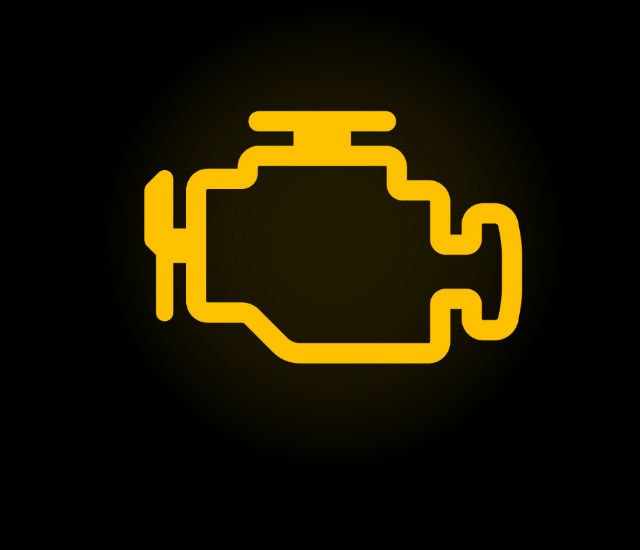
| Check engine | Engine outline | General engine problem | Check soon |
| Battery warning | Battery symbol | Charging system problem | Drive to repair shop |
Knowing which light is on can save you from making the wrong choice.
Should You Drive With The Temperature Warning Light On?
The simple answer: No. Even a short drive with an overheating engine can cause big damage. If you must move the car, do it only for a short distance to a safe spot, and keep the heater on high to help reduce heat. According to AAA’s Approved Auto Repair program, shops that employ ASE-certified or factory-trained technicians must meet strict standards for training, equipment, and customer service.
Never try to finish your trip or “limp home” with this light on. Many engines have been ruined this way.
Credit: www.seacoastmazda.com
Repair Costs If You Ignore The Temperature Warning Light
Repair costs go up quickly if you keep driving with an overheating engine. Here are some average costs in the US:
- Coolant flush or refill: $100–$150
- Replace thermostat: $200–$350
- Water pump replacement: $400–$700
- Head gasket repair: $1,500–$2,500
- Engine replacement: $3,000–$8,000 or more
Acting fast saves money and avoids long waits for parts or repairs.
Can You Fix The Problem Yourself?
Some issues are easy to fix if you have basic skills:
- Low coolant: You can top up the reservoir.
- Loose hose clamps: Tighten with a screwdriver.
- Dirty radiator: Clean with water (when cool).
But for leaks, broken parts, or repeat overheating, it’s best to see a mechanic. Modern engines are complex, and guessing can make things worse.
When To Call A Mechanic
You should call a mechanic if:
- The temperature warning light stays on after adding coolant.
- You see leaking coolant or steam.
- The engine makes new noises.
- The car loses power or stalls.
- You smell sweet, burning, or chemical odors.
Quick action means less risk and lower repair bills.
Real-world Example
In 2021, a survey showed that over 30% of engine breakdowns on US highways were caused by overheating. Many drivers admitted they ignored the temperature warning light for “just a few miles.” Most of these cars needed major engine work or full replacements. The lesson is clear: small warnings can prevent big problems.
For more about dashboard warning lights, you can visit this Wikipedia page.
Credit: www.cbac.com
Frequently Asked Questions
What Does The Temperature Warning Light Look Like?
It usually shows a thermometer symbol or the word “TEMP” in red. Some cars use a blue light for a cold engine. Check your car’s manual for the exact symbol.
Can I Keep Driving If The Temperature Warning Light Comes On?
No. Driving with this light on can cause severe engine damage. Stop as soon as it is safe.
What Should I Do If The Temperature Warning Light Turns On?
Pull over, turn off the engine, and let it cool. Check coolant levels when safe, and call for help if needed.
Is It Safe To Add Water Instead Of Coolant?
Water can work as a short-term fix in an emergency, but it’s not as effective as real coolant. Replace with the correct coolant as soon as possible.
Does The Temperature Warning Light Always Mean My Engine Is Overheating?
Not always. Sometimes, a faulty sensor or wiring can trigger the light. But never ignore it—always check and fix the cause.
Taking the temperature warning light seriously protects your engine and your wallet. Learn your car’s signals, react quickly, and keep up with regular maintenance. These simple steps will help you drive with confidence and avoid costly surprises.