
Looking for the perfect truck? One of the most important things to check is the truck bed size. The bed is where you carry tools, bikes, materials, or anything big. But truck beds are not all the same. They come in different lengths, widths, and styles. Picking the wrong size can make your truck less useful—or even cause headaches when loading large items. This guide explains all the details, so you can compare truck bed sizes and choose the right one for your needs.
Why Truck Bed Size Matters
Truck bed size affects more than just how much you can haul. It changes how your truck drives, parks, and fits in your garage. Some people want a short bed because it’s easier to drive in the city. Others need a long bed for construction work or camping gear.
Knowing the differences helps you avoid mistakes and get more value from your truck.
A short bed can make parking simple but may not fit big plywood sheets. A long bed can handle almost anything, but the truck will be harder to turn or park in tight places. There’s also the standard bed, which tries to balance size and usability.
Common Truck Bed Sizes Explained
Truck beds are usually described in feet. Most pickup beds are either short, standard, or long. But the exact sizes can change with the truck brand and model.
Short Bed
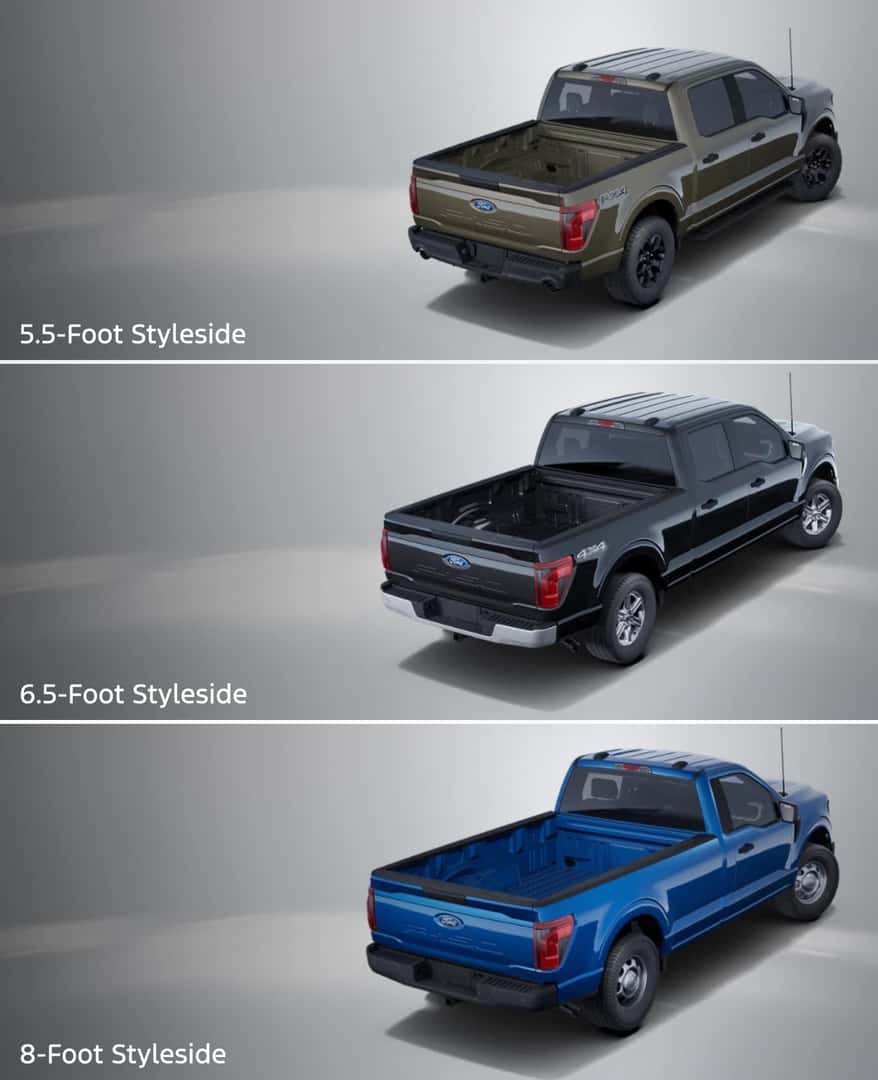
- Length: About 5 to 5.5 feet
- Who Needs It: People who use their truck for daily driving, not heavy hauling. Fits shopping bags, small furniture, bikes.
- Example: Ford F-150 SuperCrew Short Bed (5.5 ft)
Standard Bed
- Length: About 6 to 6.5 feet
- Who Needs It: Those who want a balance. Good for both city driving and moderate loads like home improvement supplies.
- Example: Toyota Tacoma Double Cab Standard Bed (6.1 ft)
Long Bed
- Length: About 8 feet
- Who Needs It: Contractors, landscapers, or anyone carrying long items like lumber, ladders, or ATVs.
- Example: Chevrolet Silverado 1500 Long Bed (8 ft)
Truck Bed Size Comparison By Popular Brands
Each truck brand uses its own terms and measurements. Here’s a quick comparison of main pickup truck models:
| Model | Short Bed | Standard Bed | Long Bed |
|---|---|---|---|
| Ford F-150 | 5.5 ft | 6.5 ft | 8 ft |
| Chevrolet Silverado 1500 | 5.8 ft | 6.6 ft | 8.2 ft |
| Ram 1500 | 5.7 ft | 6.4 ft | 8 ft |
| Toyota Tacoma | 5 ft | 6 ft | — |
| Nissan Frontier | 5 ft | 6.1 ft | — |
Insight: Not all brands offer a long bed on smaller trucks. For example, Toyota Tacoma and Nissan Frontier only go up to a standard bed size.
Bed Width And Depth: What You Might Miss
Most people focus on bed length. But bed width and depth are just as important. The width between the wheel wells decides if you can lay plywood or drywall flat. Depth (or height) changes how much the bed can hold vertically.
| Model | Width (between wheel wells) | Depth |
|---|---|---|
| Ford F-150 | 50.6 in | 21.4 in |
| Chevy Silverado 1500 | 50.6 in | 22.4 in |
| Ram 1500 | 51 in | 21.5 in |
| Toyota Tacoma | 41.5 in | 19.1 in |
Non-obvious insight: Not every full-size truck can fit a standard sheet of plywood (48 inches wide) flat between the wheel wells. Always check this if you haul building materials.
How Cab Style Changes Bed Size
The type of cab (the passenger area) directly affects bed size. The bigger the cab, the shorter the bed, in most cases. For example, a “crew cab” has four full doors and a shorter bed, while a “regular cab” has two doors and the longest bed.
Common Cab Styles
- Regular Cab: Two doors, usually the longest bed.
- Extended Cab: Small rear doors, medium bed.
- Crew Cab: Four doors, usually the shortest bed.
Practical tip: If you need both a large cab and a long bed, only a few models offer this combination. These are often harder to find and more expensive.
Midsize Vs. Full-size Vs. Heavy-duty Truck Beds
Truck beds are not just about length—they vary by truck size class.
Midsize Trucks
- Examples: Toyota Tacoma, Chevy Colorado, Ford Ranger
- Bed Sizes: 5 ft (short), 6 ft (standard)
- Best For: Lighter hauling, city driving, smaller parking spaces
Full-size Trucks
- Examples: Ford F-150, Chevy Silverado 1500, Ram 1500
- Bed Sizes: 5.5 ft (short), 6.5 ft (standard), 8 ft (long)
- Best For: Homeowners, light contractors, towing
Heavy-duty Trucks
- Examples: Ford F-250/F-350, Ram 2500/3500, Chevy Silverado 2500/3500
- Bed Sizes: 6.75 ft (standard), 8 ft (long)
- Best For: Heavy construction, hauling large trailers, big payloads
Non-obvious insight: Heavy-duty trucks often have thicker and deeper beds, which can change how you load or unload compared to midsize or full-size models.
Common Uses For Each Truck Bed Size
Choosing the right bed size depends on your main activities. Here are some examples:
- Short Bed: Commuting, carrying sports gear, gardening tools
- Standard Bed: Moving furniture, motorcycles, weekend projects
- Long Bed: Building materials, camping gear, ATVs, heavy tools
If you plan to use a bed cover or a camper shell, make sure the size matches your bed exactly. Not all accessories fit every bed length.
Pros And Cons Of Different Truck Bed Sizes
Here’s a quick look at the advantages and disadvantages:
| Bed Size | Pros | Cons |
|---|---|---|
| Short Bed | – Easier to park – Lighter weight – More maneuverable | – Less cargo space – May not fit long items |
| Standard Bed | – Good balance – Versatile for most needs | – Still harder to park than short bed – Some items may still not fit flat |
| Long Bed | – Maximum cargo space – Ideal for large items | – Hard to park in cities – Can be difficult to drive in small areas |
How To Measure Your Truck Bed
Measuring your truck bed is simple but important. Here’s how you do it:
- Open the tailgate so you have full access.
- Use a tape measure to find the inside length, from the bulkhead (front) to the inside edge of the tailgate.
- Measure width between the wheel wells and also the overall width.
- Check depth from the bed floor to the top of the bed rail.
Practical tip: Always measure in inches, then divide by 12 for feet. For example, 78 inches is 6.5 feet.
Mistakes To Avoid When Choosing A Truck Bed Size
Many first-time buyers make these errors:
- Ignoring garage size: Some long-bed trucks don’t fit in standard garages.
- Forgetting about turning radius: Long beds need more space to turn and park.
- Not checking accessory fit: Tonneau covers, bed liners, and racks must match your bed size.
- Overestimating needs: Many people buy a long bed, then rarely use all the space. The extra length makes the truck less practical.
Expert advice: If you’re not sure, rent a truck with the bed size you want for a day. Try parking, loading, and driving it to see if it fits your real life.
Credit: www.burnsfordofyork.com
Truck Bed Sizes And Payload Capacity
Bed size and payload capacity are related, but not the same. Payload is how much weight you can carry, including people and cargo. Longer beds don’t always mean a higher payload. For example, a short-bed heavy-duty truck may carry more weight than a long-bed midsize truck.
Always check your truck’s official payload rating in the owner’s manual or on the driver’s door sticker.
Truck Bed Size Trends And New Features
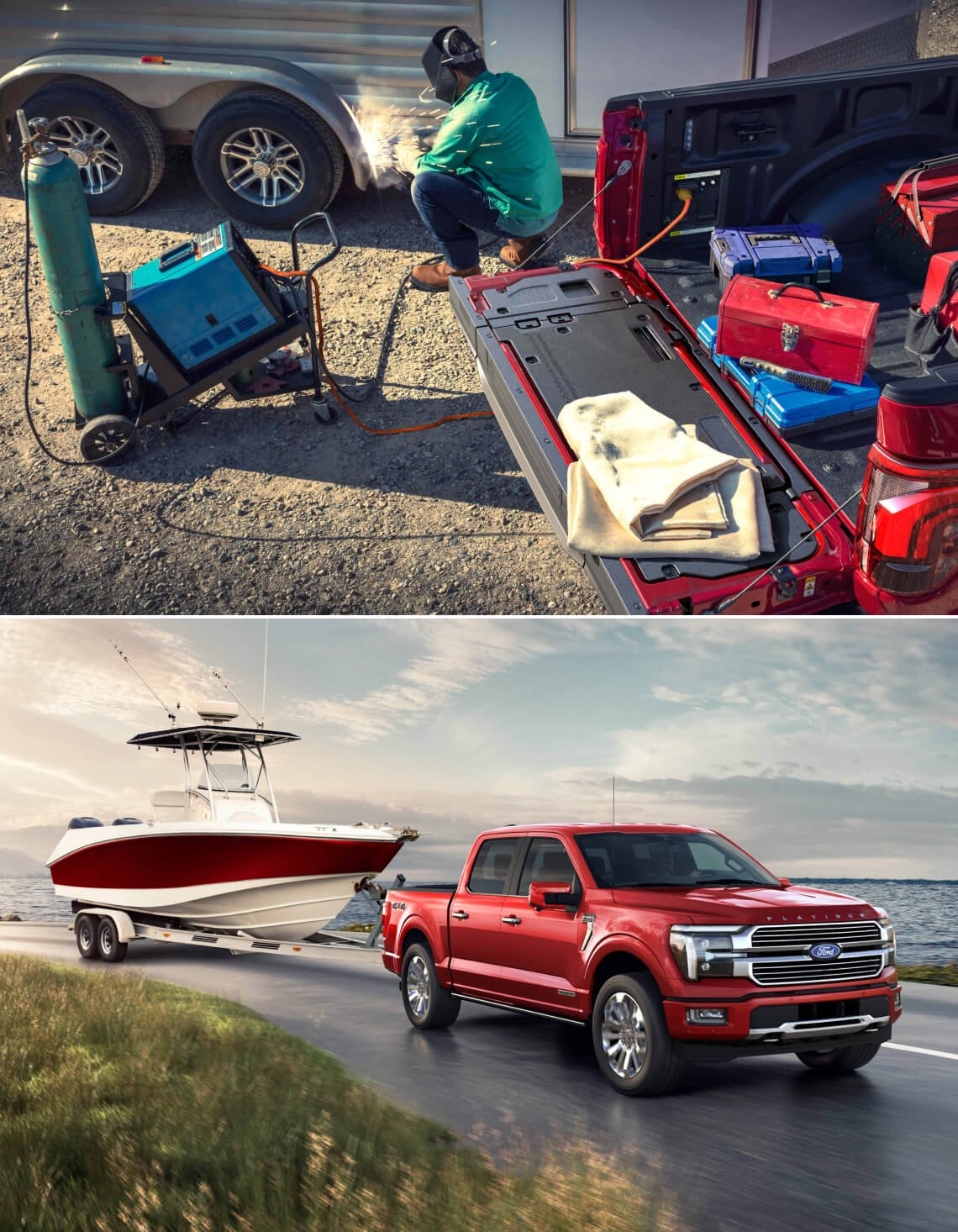
Truck beds are changing. Some new trucks have built-in storage, power outlets, or step systems. For example, the Chevrolet Silverado has a Multi-Flex Tailgate, and the Ford F-150 offers a Pro Power Onboard generator in the bed.
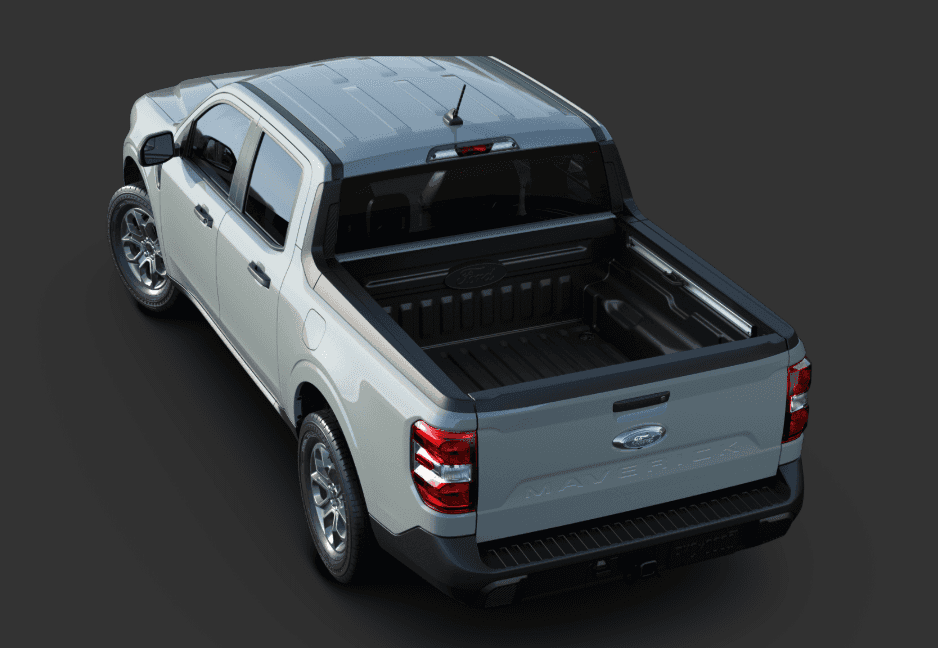
Many trucks now offer composite beds (strong plastic) instead of steel. These resist dents and rust better, but not all accessories fit them the same way.
Credit: www.riversideford.net
Choosing The Right Truck Bed Size For Your Needs
Here are a few things to consider before you decide:
- What do you haul most often? If it’s just groceries, a short bed is fine. For plywood, you’ll want at least a standard bed.
- Where do you park? City drivers may hate a long bed.
- Do you use a camper or bed-mounted tools? Measure carefully to be sure they fit.
- Cab size: Remember, more passenger space usually means less bed space.
Pro tip: Think about your needs 80% of the time, not just the one big trip each year. Most people use their truck for small jobs more than big ones.
Frequently Asked Questions
What Is The Most Common Truck Bed Size?
The standard bed (about 6.5 feet long) is most common for full-size pickups like the Ford F-150 and Chevrolet Silverado 1500. It offers a good mix of cargo space and driveability.
Can I Fit A 4×8 Sheet Of Plywood In My Truck Bed?
You can fit a 4×8 sheet flat in most full-size truck beds (standard or long bed), but only if the width between the wheel wells is at least 48 inches. Midsize trucks often do not have enough width.
Does A Longer Bed Mean More Towing Capacity?
Not always. Towing capacity depends more on the truck’s frame, engine, and rear axle ratio. Bed size mainly affects what you can carry in the bed, not what you tow.
Are All Truck Beds The Same Width?
No, bed width varies by brand and model. Full-size trucks are wider than midsize trucks. Always check the specific width for your truck if you need to carry wide items.
Where Can I Find Official Truck Bed Size Details?
For the most accurate information, check the manufacturer’s website or a trusted source like Edmunds, which lists specs for all major trucks.
The right truck bed size can make your truck a perfect fit for work, fun, or both. Take your time, check the numbers, and match your bed size to your real-life needs. With the right choice, your truck will be ready for anything you throw in the back.
Credit: www.lakekeoweeford.com