
When you press the brake pedal, you expect your car to slow down smoothly and safely. But what happens when something feels off—like the steering wheel shakes or the car pulls to one side? These can be warning signs of warped brake rotors, a common but often misunderstood brake problem. Ignoring these symptoms can lead to more expensive repairs or even dangerous driving conditions. In this guide, you’ll learn how to spot the signs of warped rotors, why they happen, and what you can do about them. Whether you’re new to car maintenance or just want to avoid costly mistakes, understanding this topic can save you both time and money.
What Are Brake Rotors And Why Do They Warp?
Brake rotors are metal discs attached to your car’s wheels. When you press the brake pedal, brake pads squeeze against the rotors, creating friction to slow your car. Over time, this friction and heat can cause the rotors to become uneven or “warped.”
Warping usually means the rotor surface is no longer flat. This can happen from:
- Excessive heat from hard or frequent braking
- Sudden cooling (like driving through a puddle when rotors are hot)
- Normal wear or using poor quality parts
Many drivers believe only very old cars get warped rotors, but even newer vehicles can develop this issue, especially if driven aggressively or used in hilly areas.
Main Symptoms Of Warped Brake Rotors
Identifying warped rotors early helps you avoid bigger problems. Here are the key symptoms to watch for:
1. Steering Wheel Vibration
One of the most common and obvious signs is steering wheel vibration when braking. As you press the brakes, the uneven rotor surface pushes back against the brake pads, causing the steering wheel to shake. This vibration is usually felt most when braking from higher speeds, such as coming off a highway ramp.
2. Brake Pedal Pulsation
A pulsating brake pedal is another clear symptom. Instead of feeling a smooth, steady pressure under your foot, the pedal moves up and down or feels like it’s “thumping.” This happens because the brake pads move over high and low spots on the rotor.
3. Car Pulls To One Side
If your car pulls to the left or right when braking, one rotor may be more warped than the other. This uneven braking force can make your car veer, which is not only uncomfortable but also unsafe, especially in emergencies.
4. Squealing Or Grinding Noises
Warped rotors can cause strange noises when you brake. You might hear squealing, scraping, or even grinding. While squealing can also mean worn pads, it often gets worse with warped rotors because the uneven surface creates more friction and noise.
5. Reduced Braking Performance
If your car takes longer to stop or the brakes feel less effective, warped rotors might be the reason. The uneven surface prevents the brake pads from making full contact, reducing stopping power. This is especially dangerous during emergency stops.
6. Visible Rotor Damage
In some cases, you can actually see the damage. If you look through your wheels, you might notice blue spots (from heat), grooves, or uneven wear on the rotors. While not everyone is comfortable inspecting brakes, a quick look can sometimes reveal obvious issues.
7. Increased Brake Pad Wear
Warped rotors cause uneven brake pad wear. The pads may wear out faster or in a strange pattern. If you’re replacing pads more often than usual, or if your mechanic notices unusual wear, the rotors could be to blame.
8. Burning Smell After Braking
If you notice a burning smell after heavy braking, it could be from overheated, warped rotors. This odor comes from excessive friction and heat, sometimes even causing smoke. While a burning smell can have other causes, it’s a sign your brakes need checking.
How Warped Rotors Affect Driving Safety
Driving with warped rotors isn’t just uncomfortable—it’s risky. Here’s why:
- Longer stopping distances: Uneven contact means less friction, so it takes longer to stop.
- Loss of control: Pulling or vibration can make it harder to steer, especially in emergencies.
- Increased pad and tire wear: Warped rotors put stress on other parts, leading to more repairs.
Many drivers don’t realize that even slight rotor warping can impact anti-lock braking systems (ABS), making them less effective. In wet or slippery conditions, this can increase the risk of an accident.
Common Causes Of Warped Brake Rotors
Understanding what leads to warped rotors can help prevent the problem. Here are the main causes:
| Cause | How It Warps Rotors |
|---|---|
| Excessive Heat | Prolonged or hard braking creates high temperatures that can warp the metal. |
| Sudden Cooling | Driving through water when rotors are hot causes them to cool quickly and warp. |
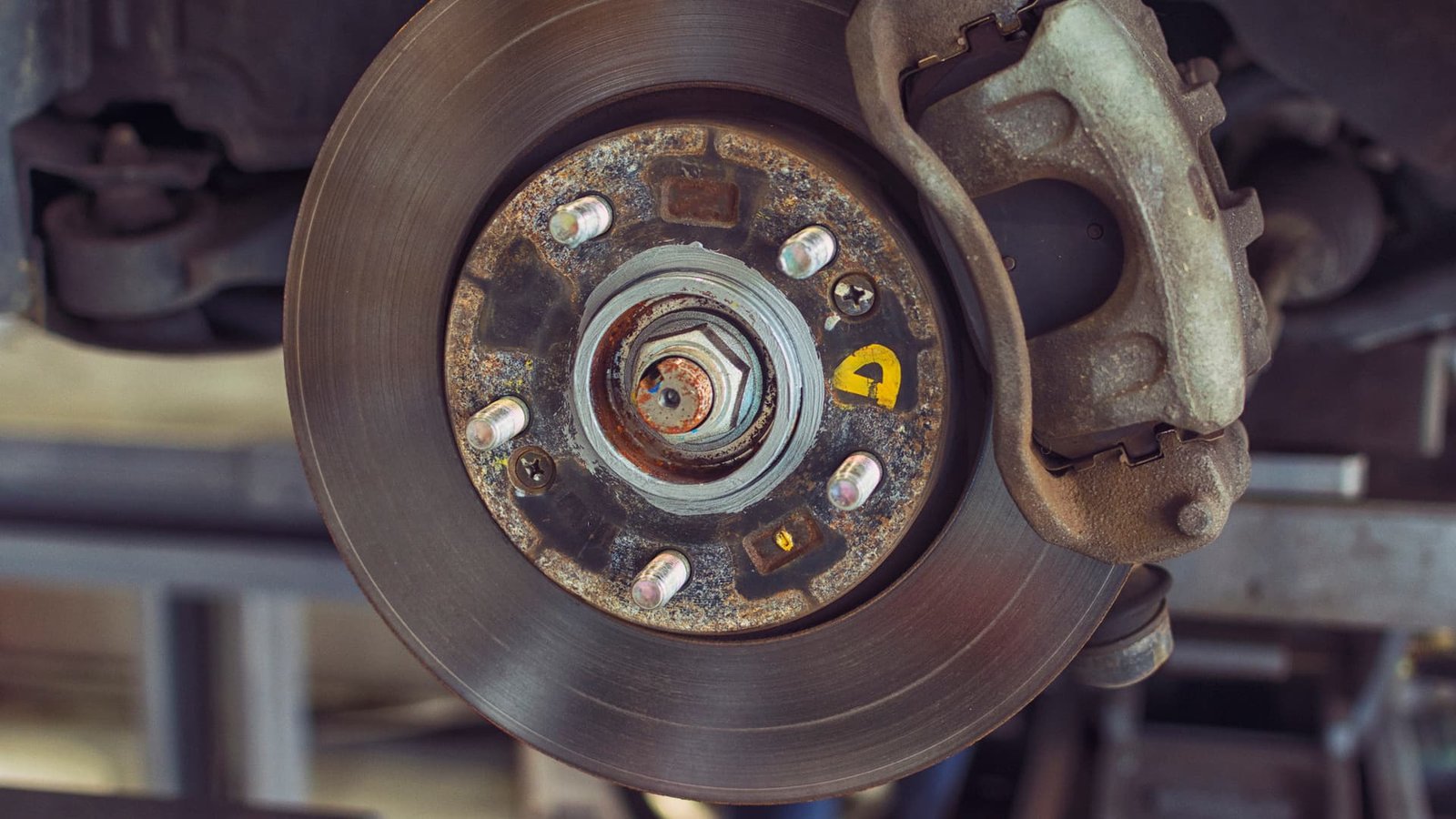
| Poor Installation | Over-tightened or unevenly torqued lug nuts can bend the rotors. |
| Low-Quality Parts | Cheap or thin rotors are more likely to warp with normal use. |
| Worn Brake Pads | Thin pads allow more heat to reach the rotors, increasing warping risk. |
A non-obvious insight: Improper wheel lug nut tightening is a frequent cause of rotor warping. Many mechanics and drivers overlook this simple step, but uneven tightening can bend the rotor just enough to cause problems.
Credit: www.autonationmobileservice.com
Diagnosing Warped Rotors
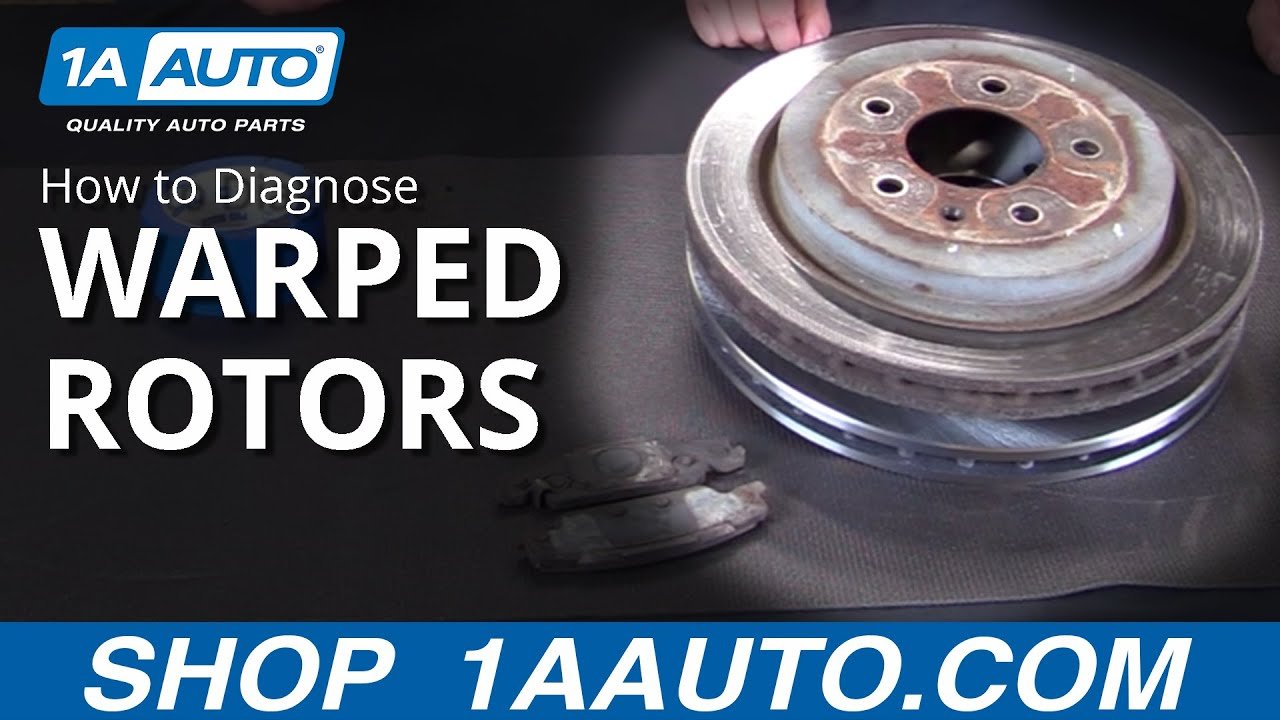
While some symptoms are easy to spot, a proper diagnosis usually involves more than just feeling vibrations. Here’s how mechanics confirm warped rotors:
- Test Drive: Mechanics listen and feel for vibrations, noise, or pulling.
- Visual Inspection: Rotors are checked for uneven wear, grooves, or color changes.
- Measuring Runout: A dial indicator measures how much the rotor wobbles as it spins.
- Pad Inspection: Uneven pad wear supports the diagnosis.
If you suspect warped rotors, it’s best to have a professional check them. Some vibrations can also come from other issues, like unbalanced wheels or worn suspension parts.
Fixing Warped Brake Rotors
How you fix warped rotors depends on the damage. Here are your main options:
Resurfacing
Mild warping can sometimes be fixed by resurfacing, where a mechanic shaves a thin layer off the rotor to make it flat again. This is only possible if the rotor is still thick enough to meet safety standards.
Replacement
If the rotor is too thin or deeply damaged, replacement is the only safe option. New rotors can last longer and improve braking. Many mechanics recommend replacing rotors in pairs (both front or both rear) to keep braking even.
Diy Or Mechanic?
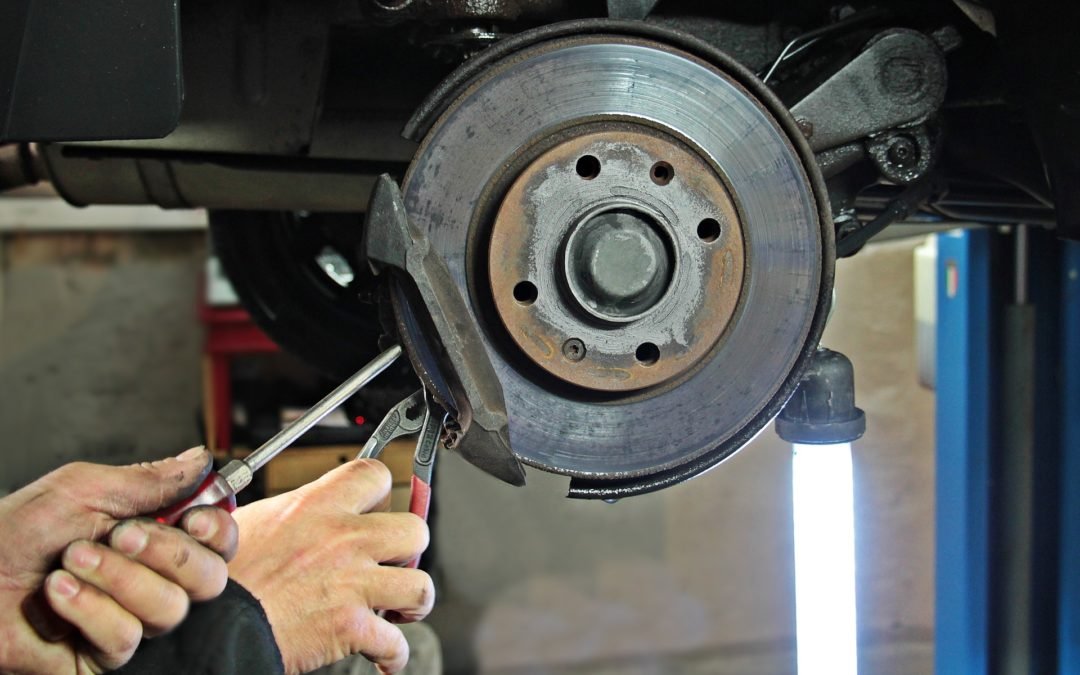
Replacing rotors is possible for skilled DIYers, but mistakes can be costly. For example, failing to torque lug nuts evenly can create the same problem you’re trying to fix. If you’re not sure, it’s safer to have a professional do the work.
Credit: www.youtube.com
Cost Of Repairing Warped Rotors
How much you pay depends on your car and where you live. Here’s a comparison:
| Type of Repair | Estimated Cost (per axle) | Notes |
|---|---|---|
| Resurfacing Rotors | $40–$70 | Cheaper, but not always possible if rotors are too thin. |
| Replacing Rotors | $150–$300 | Includes parts and labor; higher for luxury or performance vehicles. |
A practical tip: Always replace brake pads when installing new rotors. Old pads can damage new rotors quickly.
How To Prevent Warped Brake Rotors
Prevention is often easier and cheaper than repair. Here’s what you can do:
- Avoid hard braking: Leave enough space so you don’t have to slam the brakes.
- Don’t drive through water right after braking hard: Hot rotors can warp if cooled too quickly.
- Use quality parts: Invest in good rotors and pads for better heat resistance.
- Tighten lug nuts evenly: Always use a torque wrench, not just a power tool.
- Service brakes regularly: Get your brakes checked at least once a year or as recommended.
A less-known tip: Some vehicles develop warped rotors more easily if they’re left parked for long periods after heavy braking. This can cause pad material to stick to the rotor. If you need to stop after a long drive, try to let the brakes cool before parking.
Comparing Warped Rotors To Other Brake Problems
Not all brake issues are caused by warped rotors. Here’s a quick comparison:
| Symptom | Warped Rotors | Worn Pads | Sticking Caliper |
|---|---|---|---|
| Steering Vibration | Yes | No | Rarely |
| Brake Pedal Pulsation | Yes | No | Sometimes |
| Squealing Noise | Sometimes | Yes | Sometimes |
| Car Pulls to Side | Yes | No | Yes |
If you’re unsure, always get a professional opinion. Misdiagnosing the problem can lead to unnecessary repairs.
Frequently Asked Questions
What Does A Warped Brake Rotor Feel Like When Driving?
You’ll often feel a vibration in the steering wheel or brake pedal, especially when slowing down from higher speeds. The ride may feel “bumpy” or uneven, but only when braking.
Can I Drive With Warped Rotors?
It’s possible to drive for a short time, but it’s unsafe. Warped rotors reduce braking power and can damage other parts. The longer you wait, the more expensive the repairs may be.
How Do I Know If I Need To Replace Or Resurface My Rotors?
A mechanic will measure the rotor thickness and check for deep grooves. If the rotors are above the minimum thickness and not too damaged, resurfacing may be enough. Otherwise, replacement is safer.
Do Warped Rotors Affect The Whole Car Or Just One Wheel?
It depends. Sometimes only one rotor is warped, causing the car to pull to one side. But both rotors can warp, especially if the car is driven hard or with heavy loads.
Are Warped Rotors Covered Under Warranty?
Most warranties cover warped rotors for a short period, usually 12,000 miles or one year. Check your owner’s manual or ask your dealer for details. For more information, you can visit the Disc brake page on Wikipedia.
A smooth, safe stop is something drivers should never take for granted. Spotting the symptoms of warped brake rotors early can prevent bigger problems and keep you safe on the road. If you notice any of these signs, don’t ignore them—get your brakes checked and repaired as soon as possible.
Credit: www.safetybrakeandclutch.co.za