
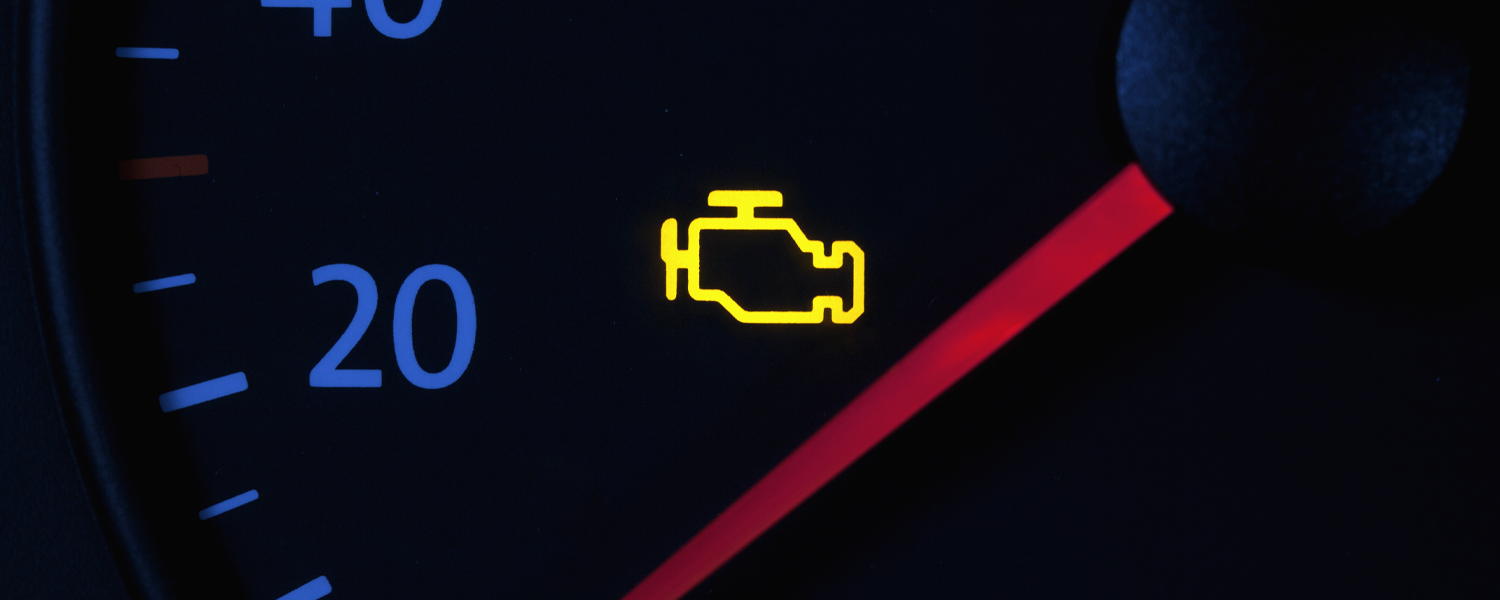
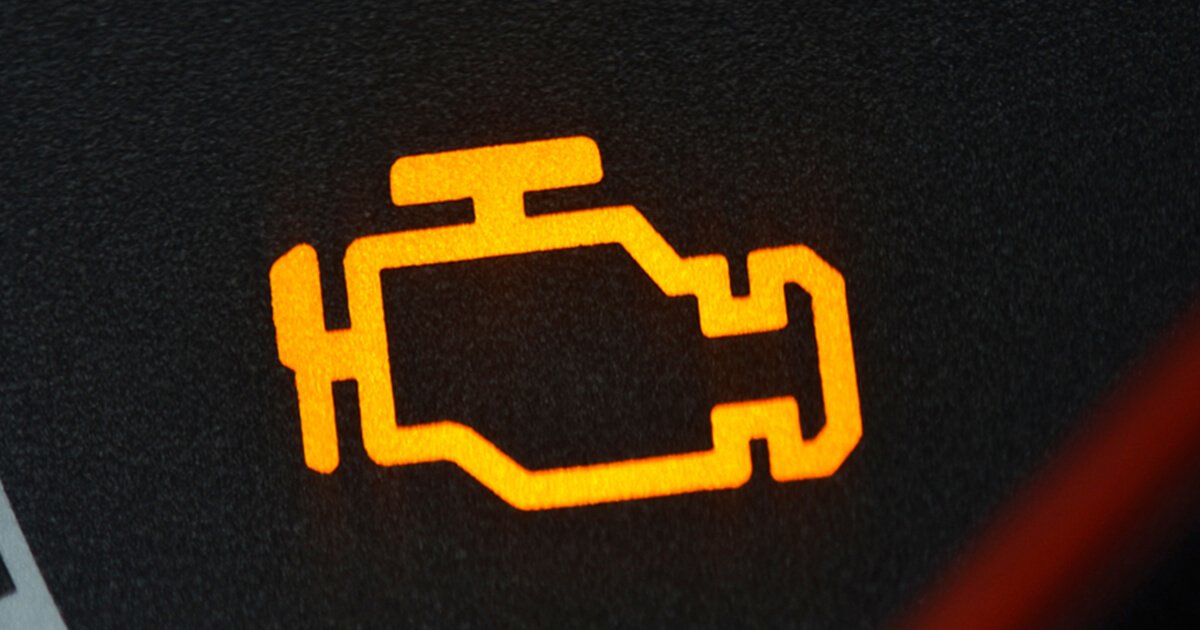
When the small, orange check engine light appears on your dashboard, it can be a source of worry and confusion. Some drivers ignore it, hoping it will go away. Others panic, fearing expensive repairs. The truth lies somewhere in the middle. This warning light is your car’s way of telling you something is not right under the hood. It might be a minor problem, or it could be something that needs urgent attention. Understanding why this light turns on is the first step to keeping your car safe and reliable.
Let’s explore the common reasons for the check engine light, what you should do when it comes on, and how to avoid common mistakes that many drivers make. By the end, you’ll feel more confident about what actions to take and how to prevent bigger problems.
What Does The Check Engine Light Mean?
The check engine light is part of your vehicle’s onboard diagnostics system (OBD-II, for most cars made since 1996). When something goes wrong with the engine, emissions system, or other key components, the car’s computer detects it and turns on the light.
There are two types of alerts:
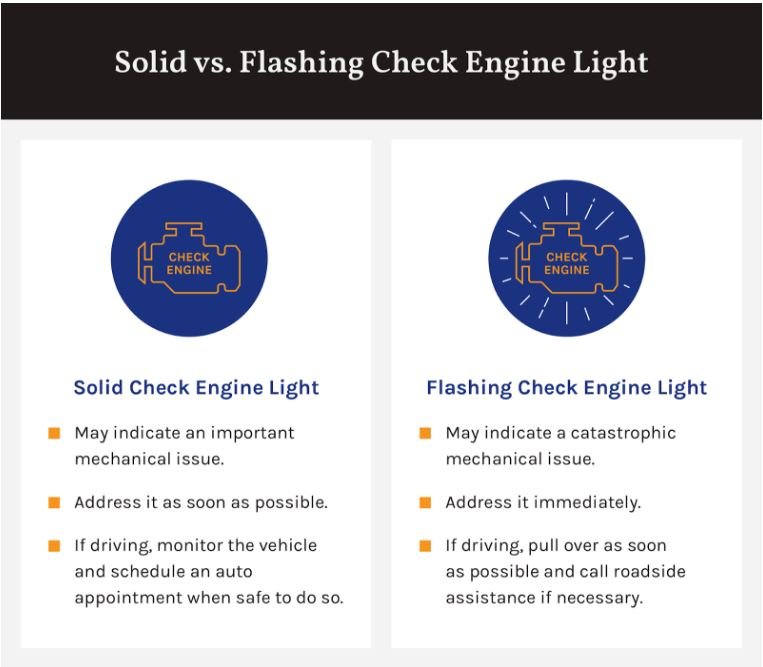
- A steady light means there is an issue, but you can usually keep driving for a short time.
- A flashing light means a serious problem that could damage your engine. Stop the car as soon as possible.
Ignoring this light can lead to worse damage and higher repair bills. Even if the car seems to run fine, it’s important to investigate the cause.
Most Common Reasons For The Check Engine Light
Let’s look at the main reasons this warning light appears. Some are quick fixes, while others require professional help.
1. Loose Or Faulty Gas Cap
Believe it or not, a loose gas cap is one of the top reasons for the check engine light. The gas cap seals the fuel system and maintains pressure. If it’s loose, cracked, or missing, your car detects a leak.
- What to do: Check if the cap is tight and in good condition. If it’s damaged, replace it.
- Why it matters: A faulty cap lets fuel vapor escape, which affects emissions and fuel efficiency.
2. Faulty Oxygen Sensor
The oxygen sensor measures how much oxygen is in your exhaust. This helps your car use the right air-fuel mix.
- Symptoms: Poor gas mileage, rough engine idle, check engine light.
- Fix: Replace the sensor. Most cars have one to four sensors.
A bad sensor can cause your car to use more fuel and produce more pollution.
3. Failing Catalytic Converter
The catalytic converter reduces harmful emissions. If it fails, your car may run poorly and fail emission tests.
- Signs: Reduced engine power, bad smell (like rotten eggs), poor acceleration.
- Fix: Replace the converter. This can be expensive, but driving with a damaged converter can ruin your engine.
4. Bad Spark Plugs Or Wires
Spark plugs ignite the fuel in your engine. Worn plugs or damaged wires cause misfires.
- Symptoms: Rough running, poor fuel economy, engine hesitation.
- Fix: Replace the spark plugs and wires.
Ignoring this can damage your catalytic converter over time.
5. Faulty Mass Airflow Sensor
The mass airflow sensor (MAF) tells your car how much air enters the engine.
- Signs: Trouble starting, poor acceleration, stalling, check engine light.
- Fix: Sometimes, cleaning the sensor helps. Often, it needs replacement.
6. Issues With The Ignition Coil
The ignition coil sends power to the spark plugs.
- Symptoms: Engine misfires, hard starting, poor performance.
- Fix: Replace the faulty coil. Some cars have one coil per cylinder.
7. Problems In The Exhaust Gas Recirculation (egr) Valve
The EGR valve reduces emissions by recirculating some exhaust gas.
- Signs: Engine knocking, rough idle, increased emissions.
- Fix: Clean or replace the valve.
8. Broken Thermostat
A thermostat controls your engine’s temperature. If it fails, your car may overheat or never warm up.
- Symptoms: Overheating, heater not working, poor mileage.
- Fix: Replace the thermostat.
9. Vacuum Leak
Your engine needs the right air-fuel mix. A vacuum leak lets extra air in.
- Signs: High idle, engine surges, hissing noise.
- Fix: Find and fix the leaking hose or part.
10. Bad Battery Or Charging System
Sometimes, a weak battery or alternator can trigger the check engine light.
- Signs: Slow engine start, dim lights, warning lights on dashboard.
- Fix: Check battery and alternator health, replace if needed.
Less Common Causes You Should Know
Some issues are less common but important to consider:
- Transmission problems – Modern cars link engine and transmission controls. Issues here can trigger the light.
- Evaporative emissions system leaks (EVAP) – This system controls fuel vapors. Small leaks or faulty valves can cause a warning.
- Aftermarket parts – Poorly installed non-original parts (like alarm systems or radios) can cause electrical issues.
- Worn timing belt – If the timing belt slips or breaks, it can damage the engine and trigger a warning.
- Software issues – Sometimes, a glitch in the car’s computer causes a false alert.
How Mechanics Diagnose The Check Engine Light
When you visit a mechanic, they use a scan tool to read the trouble code stored in your car’s computer. This code does not always tell the exact problem, but it points in the right direction.
Here’s how the process usually works:
- Connect the scan tool – Reads the code (like P0171 or P0420).
- Interpret the code – Each code means a certain type of fault.
- Test related parts – Mechanics check sensors, wires, and systems related to the code.
- Fix the problem – Replace or repair faulty components.
- Clear the code – After repairs, the code is cleared. If the problem is fixed, the light stays off.
If you want, you can buy a basic scan tool for about $20–50. This lets you read the code yourself. But remember, the code only gives a clue. It won’t tell you exactly what part is broken.
Common Diagnostic Trouble Codes (dtcs)
Here’s a quick reference to some codes you might see:
| Code | Meaning | Common Fix |
|---|---|---|
| P0171 | System Too Lean | Check for vacuum leaks, bad MAF sensor |
| P0300 | Random Misfire | Check spark plugs, coils, fuel injectors |
| P0420 | Catalyst System Efficiency Below Threshold | Check catalytic converter, O2 sensor |
| P0455 | Large EVAP Leak | Check gas cap, EVAP system |
Credit: www.broadviewinsuranceagency.com
What To Do When Your Check Engine Light Comes On
If your check engine light turns on, don’t panic. Here’s a simple plan:
- Check for urgent symptoms – Is the car running rough, losing power, or making strange noises? Is the light blinking? If yes, stop driving and get help.
- Tighten the gas cap – This is a fast fix for a common problem. After tightening, drive for a day or two. The light may turn off.
- Watch for changes – Notice any new smells, sounds, or performance issues.
- Read the code – Use a scan tool or visit a mechanic to find out the code.
- Get repairs done quickly – Don’t ignore the light for weeks. Small problems can become expensive.
How Serious Is It? When To Stop Driving
Not all check engine alerts are emergencies. But some require urgent action.
| Situation | Action |
|---|---|
| Steady light, car runs fine | Safe to drive short distances, get checked soon |
| Steady light, poor performance | Drive only to repair shop, avoid long trips |
| Flashing light | Stop immediately, risk of engine damage |
| Light with smoke/strange smells | Stop, call for help |
Common Mistakes Car Owners Make
Even experienced drivers make errors when dealing with the check engine light. Avoid these to save money and stress:
- Ignoring the light for too long, hoping it will go away.
- Clearing the code without fixing the problem. The light will come back.
- Guessing the problem and replacing parts without diagnosis.
- Using cheap replacement parts that don’t meet the car’s standards.
- Delaying repairs for critical items like the catalytic converter or timing belt.
A non-obvious insight: sometimes, a car’s battery replacement or jump-start can cause the light to come on, especially in modern cars. This is usually temporary, but it’s wise to check for stored codes.
How To Prevent Future Check Engine Light Problems
Regular maintenance reduces the chance of surprise issues. Here’s what you can do:
- Follow the service schedule – Change oil, filters, and spark plugs as recommended.
- Use quality fuel and parts – Cheap gas or poor parts can harm sensors and the engine.
- Inspect hoses and wires – Look for cracks, leaks, or loose connections.
- Keep the gas cap tight – Always secure the cap after filling up.
- Fix small problems early – Unusual noises, smells, or performance changes should be checked.
A tip many forget: If you drive in dusty or wet places, check your air filter and electrical connections more often. Water or dirt can cause sensor problems.
Real-world Example
Maria, a busy parent, ignored her check engine light for two months. At first, her car seemed fine. Then, it started stalling at stoplights. The repair shop found a bad oxygen sensor and a failing catalytic converter—both costly repairs that could have been cheaper if fixed sooner.
Her story shows the value of quick action.
Cost To Fix Check Engine Light Problems
The price to fix the check engine light depends on the problem:
| Issue | Estimated Cost (USD) |
|---|---|
| Loose gas cap | Free–$25 |
| Oxygen sensor | $150–$400 |
| Spark plugs | $100–$300 |
| Catalytic converter | $900–$2,500 |
| Mass airflow sensor | $200–$350 |
These are rough estimates. Labor costs can vary by location and car type.
Credit: www.aaa.com
When To Get Professional Help
While some fixes are simple (like tightening the gas cap), others need a mechanic. If you’re not sure, it’s better to get expert help. Modern cars are complex, and guessing can lead to more expensive problems.
Look for shops with good reviews and certified technicians. Ask for a clear explanation of the problem, the repair, and the cost.
If you want to learn more about OBD-II systems and check engine light meanings, visit the Wikipedia OBD-II page for detailed technical information.
Frequently Asked Questions
Why Does My Check Engine Light Turn On After I Refuel?
A loose or damaged gas cap is often the cause. If the cap isn’t sealed, the car senses a leak in the fuel system and turns on the light. Try tightening the cap and see if the light turns off after a few drives.
Is It Safe To Drive With The Check Engine Light On?
It depends. If the light is steady and the car runs smoothly, you can drive short distances. But if the light is flashing or the car runs poorly, stop and get help. Ignoring a flashing light can damage your engine.
Can I Reset The Check Engine Light Myself?
Yes, you can clear the code with a scan tool. However, if the problem isn’t fixed, the light will return. It’s better to diagnose and repair the issue before resetting the warning.
How Much Does It Cost To Diagnose The Check Engine Light?
Diagnosis costs vary. Many shops charge $50–$150. Some auto parts stores offer free code reading, but they won’t do full diagnostics. The repair cost depends on the problem found.
Will My Car Pass An Emissions Test If The Check Engine Light Is On?
No, most places will fail your car if the light is on. The check engine light means there’s an emissions or engine problem, and it must be fixed before you can pass the test.
Your check engine light is your car’s way of asking for attention. By understanding what triggers it and acting quickly, you keep your car running smoothly and avoid bigger headaches down the road. Take it seriously, stay informed, and your car will reward you with reliability and safety.
Credit: www.mobil.com