
Every summer, as the heat rises, air conditioners become a lifesaver in homes, cars, and offices. But sometimes, the cool air starts to fade, and many people wonder: how often should you recharge your AC? This question seems simple, but the answer depends on many things like the type of AC, how you use it, and even where you live. Knowing the right time to recharge your AC can keep your space comfortable, prevent expensive repairs, and extend the life of your unit.
Many people believe AC recharge is just another regular maintenance task—like changing oil in a car. But in reality, AC systems are closed loops, and refrigerant does not get “used up” like fuel. Still, leaks, wear, and other problems can make a recharge necessary.
If you’re not sure when to recharge your AC, or how to spot the signs, this guide will help you understand everything you need to know.
What Does “ac Recharge” Really Mean?
When people talk about “recharging” an AC, they mean adding more refrigerant to the system. Refrigerant is the special chemical (often called “Freon”) that moves inside the coils and allows the AC to cool the air. In a healthy AC, this refrigerant stays sealed inside and doesn’t need to be replaced for many years.
However, leaks or damage can reduce the refrigerant over time. When this happens, the AC cannot cool air properly, and you may need to add more refrigerant—a process known as AC recharge.
How Often Should You Recharge Your Ac?
There is no set schedule for AC recharge, and for most systems, it should not be a regular maintenance item. Here’s why:
- Home and Office AC Units: If your air conditioner is installed and serviced correctly, it should never need a recharge for many years—sometimes even 10-15 years. If you need to recharge it, there is likely a leak or problem that needs fixing.
- Car Air Conditioners: Most car AC systems can go 3-5 years or longer without needing a recharge, unless there is a leak or component failure.
- Portable and Window Units: These often last their entire life without needing new refrigerant, unless damaged.
If your AC needs frequent recharges, something is wrong. The real solution is to find and repair the leak, not just add more refrigerant.
Typical Timeframes For Ac Recharge
Here’s a quick look at average AC recharge needs for different systems:
| AC Type | Normal Recharge Frequency | Common Causes |
|---|---|---|
| Home Central AC | Every 10+ years (if at all) | Leaks, poor installation |
| Car AC | Every 3–5 years (if at all) | Hose wear, O-ring failure |
| Window/Portable AC | Rarely (only if damaged) | Physical damage, leaks |
Signs Your Ac Needs A Recharge
Most people don’t think about their AC’s refrigerant until something feels wrong. Watch for these warning signs:
- Weak or warm air: The AC blows air, but it’s not cold.
- Longer cooling times: It takes much longer for your room or car to cool down.
- Ice on the coils: You see frost or ice forming on the indoor or outdoor AC parts.
- Hissing sounds: This can mean refrigerant is leaking out.
- Higher energy bills: The AC runs longer to cool the same space, costing you more money.
If you spot these signs, call a professional. Don’t try to simply top off the refrigerant—find and fix the leak first.
What Happens If You Don’t Recharge When Needed?
Running an AC with low refrigerant is risky. Here’s what can go wrong:
- Compressor damage: The AC compressor can overheat and fail, which is very expensive to replace.
- Higher electricity use: The system works harder, using more power.
- Poor cooling: Your space won’t feel as comfortable, especially in hot weather.
- More wear and tear: Other parts of the AC can wear out faster.
Ignoring low refrigerant for too long can mean a full AC replacement, which costs much more than a simple repair.
Why Ac Systems Lose Refrigerant
Unlike oil or gasoline, AC refrigerant is not supposed to run out. If it does, there’s almost always a leak. Here are the most common reasons:
- Corrosion: Pipes and coils can rust and develop tiny holes.
- Vibration: AC units vibrate, and over time, this can loosen joints.
- Physical damage: Hitting or moving the unit can break a pipe.
- Old age: Rubber seals and O-rings get brittle and crack.
Noticing a slow drop in cooling every year? It’s probably a slow leak, which can get worse over time.
How Ac Recharge Works
Understanding the AC recharge process can help you talk to repair professionals and avoid mistakes. Here’s what usually happens:
- Leak Check: The technician looks for leaks using tools or dye.
- Repair: Any leaks are fixed first, so new refrigerant won’t escape.
- Vacuuming: The system is cleaned of air and moisture.
- Recharging: The exact amount of refrigerant is added, based on the AC’s needs.
- Testing: The system is checked to make sure it’s cooling properly.
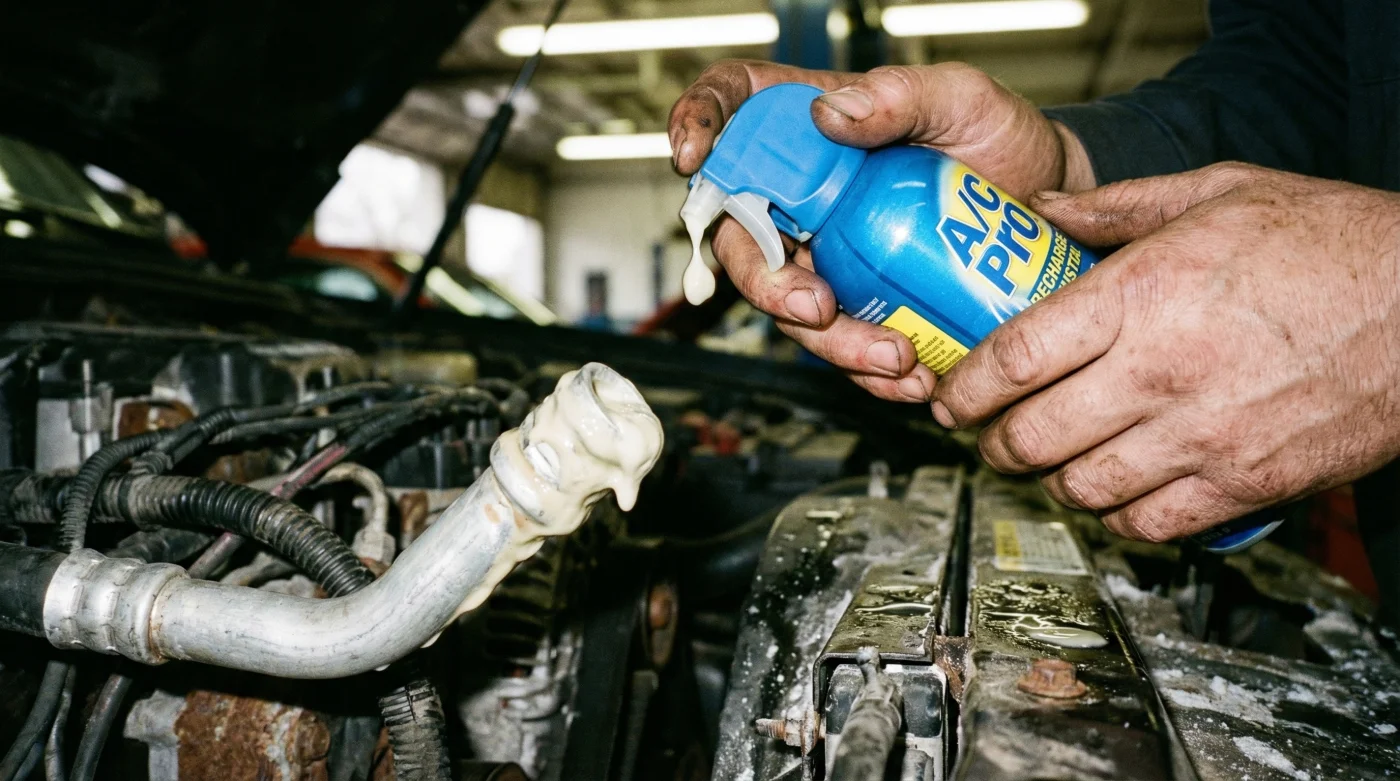
A good technician will always check for leaks before adding new refrigerant. If someone offers a recharge without finding the leak, be careful—they are not solving the real problem.
Credit: www.qualityusedautomotive.com
Ac Recharge In Cars Vs. Homes
Recharging a car AC is not the same as recharging a home system. Here’s a comparison to clear up confusion:
| Feature | Car AC | Home AC |
|---|---|---|
| Typical Lifespan | 8-10 years | 10-15 years |
| Common Problems | O-ring wear, road damage | Coil leaks, corrosion |
| DIY Recharge Kits | Available, but risky | Not recommended |
| Professional Service Cost | $100-$300 | $150-$500 |
Car ACs face more vibration and outdoor hazards, so leaks are a bit more common. Some people use DIY recharge kits for cars, but these can be dangerous if not used correctly.
Cost Of Ac Recharge
Prices vary based on where you live, the size of your AC, and the type of refrigerant. Older systems using R-22 refrigerant are more expensive to recharge because this chemical is being phased out.
Average costs:
- Home AC recharge: $150–$500 (fixing leaks adds more)
- Car AC recharge: $100–$300
If you need frequent recharges, it is cheaper in the long run to repair the leak or replace an old system.
Common Myths About Ac Recharge
Many people believe some myths that lead to wasted money or AC damage. Here are the most common:
1. Myth: Acs Need Regular Recharging
Fact: If your AC is healthy, the refrigerant should last for many years.
2. Myth: Topping Off Refrigerant Is Safe
Fact: Adding refrigerant without fixing leaks can damage the AC and harm the environment.
3. Myth: All Refrigerants Are The Same
Fact: ACs use specific refrigerants. Using the wrong type can ruin the system.
4. Myth: Diy Kits Are Always Safe
Fact: Incorrect use can overfill the system or cause injury.
How To Extend Time Between Ac Recharges
Want to avoid frequent recharges? Here are some tips:
- Schedule annual maintenance: A professional can catch problems early.
- Keep coils clean: Dust and dirt can cause overheating.
- Check insulation: Poor insulation makes your AC work harder.
- Fix small issues quickly: Don’t ignore small leaks or noises.
Many people miss the importance of coil cleaning. Even a thin layer of dust can reduce cooling and lead to more repairs.
Credit: www.oliverheatcool.com
Environmental Impact Of Refrigerant Leaks
Leaking refrigerant is not just bad for your AC—it’s bad for the planet. Many refrigerants are greenhouse gases that harm the environment if released.
- R-22 (older refrigerant) is especially harmful and being phased out.
- R-410A (newer) is better but should still be handled carefully.
Always let a certified technician handle refrigerant. Never vent it into the air.
When To Replace Instead Of Recharge
Sometimes, recharging is not the best choice. If your AC is very old (over 15 years), has many leaks, or uses outdated refrigerant, replacement may be smarter. Here’s a quick guide:
- Frequent leaks: More than once every 2 years.
- Very high recharge cost: Over $500 per year.
- Uses R-22: Hard to find, expensive, and bad for the environment.
A new AC can save up to 30% on energy bills, according to the U. S. Department of Energy.
Diy Vs. Professional Ac Recharge
Some car owners try DIY recharge kits, but these come with risks:
- Overfilling: Too much refrigerant can damage the compressor.
- Wrong type: The wrong refrigerant can ruin the system.
- Missing leaks: Topping off hides the real problem.
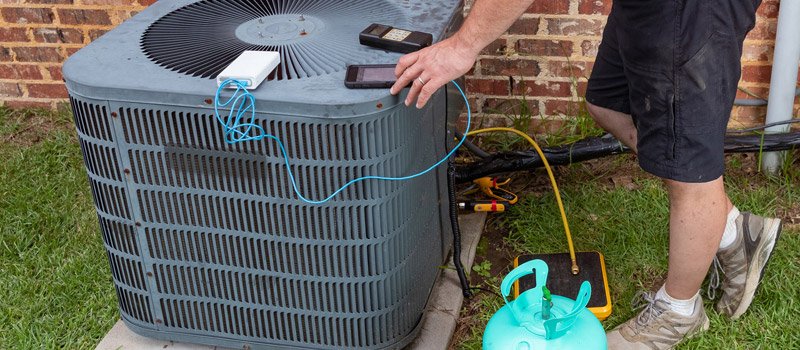
For home ACs, always use a professional. The tools and refrigerant are not sold to the public for safety reasons.
Practical Tips For Ac Owners
- Listen for odd noises: Hissing often means a leak.
- Check for ice: Ice on the coils usually means low refrigerant.
- Track energy bills: A sudden jump could mean the AC is working too hard.
- Get a tune-up before summer: Catch problems before the hottest days.

Credit: autoservicefairfax.com
Frequently Asked Questions
How Can I Tell If My Ac Needs A Recharge?
If your AC blows warm air, takes longer to cool, or you see ice on the coils, it may need a recharge. A professional can test the refrigerant level to be sure.
Is It Safe To Use Diy Recharge Kits For My Car?
DIY kits are available, but they can be risky. Overfilling or using the wrong refrigerant can damage your car’s AC. It’s safer to use a professional.
How Much Does An Ac Recharge Cost?
Home AC recharge usually costs $150–$500. Car AC recharge is $100–$300. If you need frequent recharges, repair the leak or consider a new unit.
Can I Prevent Refrigerant Leaks?
You can reduce the risk by having regular professional maintenance, keeping coils clean, and fixing small problems early. Leaks are harder to prevent as ACs get older.
Where Can I Learn More About Ac Maintenance?
Reliable information is available from the U.S. Department of Energy.
Taking care of your AC means more than just recharging when cooling fades. By understanding how often you really need an AC recharge—and why— you can keep your home, car, or office cool for years. Remember, frequent recharging is a sign of a problem, not a solution.
Stay alert for leaks, schedule regular maintenance, and enjoy efficient, reliable cooling all summer long.