
Adaptive Vehicle Buying Assistance: A New Era of Smart Car Shopping
Buying a car is a big decision. For many, it’s one of the most expensive purchases after a house. But the process is often confusing, with many options, technical terms, and hidden costs. People worry about making mistakes or not getting the best deal. What if there was a way to make this easier, more personal, and smarter? This is where adaptive vehicle buying assistance comes in.
Imagine a system that learns your needs, adapts to your preferences, and guides you step-by-step. It doesn’t just give you a list of cars. It understands what you truly want and helps you avoid common mistakes. The world of vehicle buying is changing.
Adaptive technology is making the journey less stressful and more successful for buyers of all backgrounds.
What Is Adaptive Vehicle Buying Assistance?
Adaptive vehicle buying assistance is a modern approach to car shopping. It uses smart tools, artificial intelligence (AI), and human experts to help buyers choose the right vehicle. Unlike traditional methods, adaptive systems change their recommendations based on your feedback, lifestyle, and even your local market.
These systems often combine:
- Online platforms that ask about your needs
- AI-powered chatbots that answer questions in real-time
- Data analysis to match you with the best deals
- Human advisors who step in for complex questions
The result is a personalized, flexible, and data-driven experience.
Why Is Adaptive Assistance Needed?
Traditional car buying has many problems. Most buyers feel:
- Overwhelmed by too many choices
- Unsure about technical details
- Pressured by salespeople
- Confused by financing and insurance options
According to a 2023 survey by Cox Automotive, over 70% of buyers want a simpler, more transparent process. Adaptive assistance aims to solve these issues by making the process:
- Personalized: Recommendations fit your unique situation.
- Transparent: All costs and options are clear from the start.
- Efficient: Saves time by filtering out vehicles that don’t match your needs.
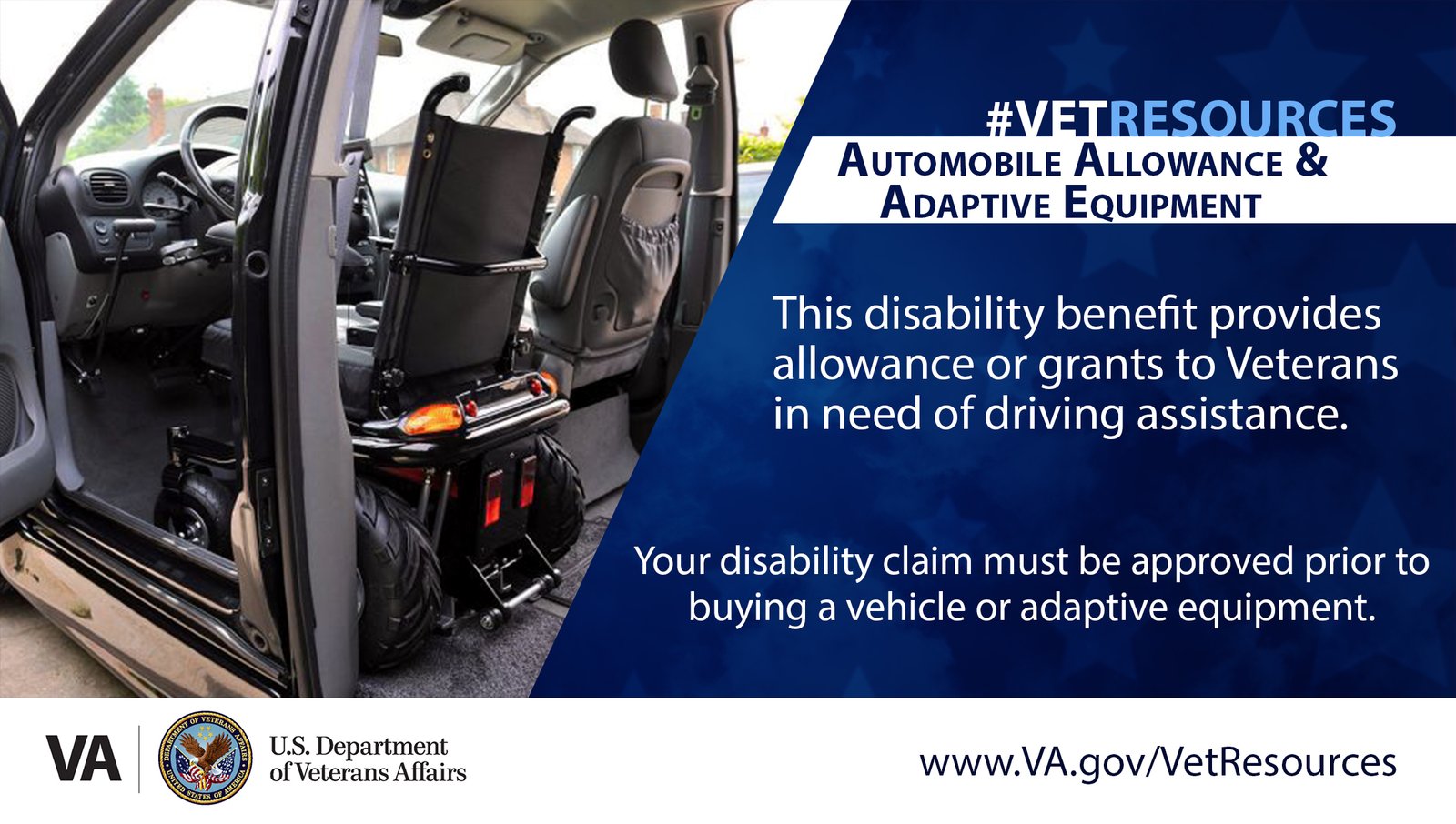
Credit: news.va.gov
How Does Adaptive Vehicle Buying Assistance Work?
The adaptive system usually follows these steps:
1. Needs Analysis
The system asks questions about your driving habits, family size, budget, and preferences. For example, do you need a fuel-efficient car for city driving? Or a spacious SUV for your family?
2. Market Scanning
Using AI, the system searches local and national listings for vehicles that match your profile. It can even check for special offers or discounts in your area.
3. Personalized Shortlist
You receive a list of cars that fit your needs, not just popular models. The more you interact with the system, the better the recommendations become.
4. Expert Guidance
For tricky questions—like comparing hybrid and electric cars—a human advisor or an advanced AI assistant gives detailed explanations.
5. Real-time Adjustments
If you change your mind or add new needs, the system adapts instantly. For example, if you decide you want a sunroof, your shortlist updates automatically.
6. Deal Comparison
The system highlights differences in price, features, and long-term costs between similar vehicles. This helps you make a smarter choice.
7. Support With Buying Steps
Guidance continues through test drives, loan applications, and insurance selection. Some systems even help with negotiation tips.
Key Features Of Adaptive Vehicle Buying Assistance
Let’s look at what makes these systems stand out:
- Interactive Questionnaires: Simple, step-by-step questions that adjust based on your answers.
- AI-Powered Recommendations: The system learns from your choices and refines suggestions.
- Side-by-Side Comparisons: Easy-to-understand tables showing key differences.
- Budget Planning Tools: Estimate total costs, including taxes and insurance.
- Real-Time Chat Support: Instant help for urgent questions.
- Deal Alerts: Notifications when a car you like drops in price or becomes available nearby.
Benefits Over Traditional Car Buying
Traditional methods often rely on the buyer’s own research and the advice of salespeople. Adaptive assistance changes this by offering:
- Less Pressure: No need to deal with pushy sales tactics.
- Fewer Mistakes: The system catches common errors, like choosing the wrong engine size or missing better deals.
- More Confidence: Buyers understand what they’re getting and why it’s a good fit.
Real-world Example
Consider Sarah, a young professional in a big city. She wants a car for commuting and weekend trips. She’s worried about fuel costs and wants modern safety features. Using an adaptive assistant, Sarah receives suggestions that match her budget and driving style.
The system even finds local incentives for hybrid cars, saving her money. Sarah feels confident and avoids the stress of visiting multiple dealerships.
Comparing Adaptive And Traditional Buying
Here’s a quick look at how adaptive buying differs from the old way:
| Feature | Traditional Buying | Adaptive Assistance |
|---|---|---|
| Recommendations | General or sales-driven | Personalized, data-based |
| Transparency | Varies, often limited | High, clear breakdowns |
| Time Spent | Often 2-4 weeks | Usually less than a week |
| Expert Support | Sales staff only | AI + human advisors |
| Deal Comparison | Manual, time-consuming | Automated, instant |
Essential Steps In Adaptive Vehicle Buying
To get the most from adaptive assistance, follow these steps:
1. Set Your Priorities
Decide what matters most: price, reliability, style, or features. Be clear about your must-haves and nice-to-haves.
2. Answer Questions Honestly
The system can only help if you give real answers. If you’re unsure, say so—the system can guide you.
3. Review Your Shortlist Carefully
Don’t rush. Check each vehicle’s pros and cons. Look at real owner reviews if possible.
4. Compare Total Costs
Consider not just the price but also insurance, fuel, and maintenance. Adaptive tools can estimate these for you.
5. Schedule Test Drives
Most systems can help book test drives. Try out at least two cars before deciding.
6. Get Financing Advice
Some adaptive platforms offer loan comparisons or connect you with trusted lenders.
7. Negotiate And Finalize
Use negotiation tips from the system. Don’t be afraid to walk away if something doesn’t feel right.
Credit: news.va.gov
Important Data To Consider
When using adaptive vehicle buying assistance, keep these data points in mind:
- Fuel Efficiency: How many miles per gallon or liters per 100 km?
- Safety Ratings: Check crash-test results and safety features.
- Total Cost of Ownership: Includes price, taxes, insurance, and maintenance.
- Resale Value: Will the car hold its value in 3-5 years?
- Warranty Details: What’s covered, and for how long?
A good adaptive tool will automatically include these in your comparisons.
Advanced Features You Might Not Expect
Many buyers focus only on price and features. But adaptive systems can offer more:
- Lifestyle Matching: Some tools consider your hobbies or pets (like, is there enough space for a bicycle or a dog? ).
- Eco Impact: Get advice on electric and hybrid options, plus info on government rebates.
- Accessibility Needs: Systems can suggest cars with easy entry, hand controls, or wheelchair ramps if needed.
These details are often missed in traditional car shopping.
Common Buyer Mistakes And How Adaptive Assistance Helps
Even smart buyers make errors. Here are some common pitfalls and how adaptive systems help avoid them:
1. Ignoring Long-term Costs
Many focus only on the purchase price. Adaptive tools highlight ongoing expenses.
2. Falling For Flashy Features
It’s easy to choose a car with gadgets you don’t need. The assistant reminds you to stick to your priorities.
3. Skipping The Test Drive
Some buyers buy online without trying the car. The system encourages and helps arrange test drives.
4. Overlooking Safety
Adaptive tools put safety ratings front and center.
5. Rushing Decisions
The system helps pace the process, so you don’t feel rushed or pressured.
How Ai And Data Shape Adaptive Assistance
The heart of adaptive assistance is artificial intelligence. These systems use big data to analyze:
- Your preferences and needs
- Current market prices and trends
- Vehicle histories and owner reviews
- Local availability and incentives
For example, if you say you want a reliable car but aren’t sure about brands, the system might suggest a Toyota Corolla or Honda Civic, both known for dependability. If you change your budget, the system updates options instantly.
Case Study: Family With Special Needs
Consider the Lee family. They need a car with a wheelchair ramp and extra safety features for their child. Traditional shopping is slow and frustrating. With adaptive assistance, they enter their needs, and the system finds several suitable models—some they didn’t know existed.
It even finds local grants to help cover costs. The Lees save time and money, and their new car fits their life perfectly.
Adaptive Vs. Static Recommendations
Let’s compare adaptive and static recommendations side-by-side:
| Aspect | Static Recommendations | Adaptive Recommendations |
|---|---|---|
| Updates with User Input | No | Yes |
| Personalization Level | Low | High |
| Use of Market Data | Limited | Comprehensive |
| Accessibility Features | Rare | Included when needed |
| Learning Over Time | No | Yes |

Credit: www.trustauto.com
The Human Touch: When Expert Guidance Matters
Even the best AI can’t answer every question. That’s why top adaptive systems include human advisors. These experts can:
- Explain complex financing terms
- Offer advice for special situations (like importing a car)
- Help solve problems if something goes wrong
This blend of technology and human support is what makes adaptive assistance so effective.
Privacy And Data Security
Sharing personal information is necessary for personalized recommendations. However, top adaptive platforms use strong security measures:
- Encrypted data storage to protect your info
- Clear privacy policies so you know what’s shared
- Option to delete your data anytime
Always check a platform’s privacy policy before you start.
The Future Of Adaptive Vehicle Buying
Adaptive assistance is still growing. In the future, expect:
- More advanced AI for even smarter suggestions
- Virtual reality test drives from your home
- Deeper integration with dealerships and lenders
- Better support for electric and eco-friendly vehicles
As technology improves, buying a car will become even easier and safer.
Frequently Asked Questions
What Is Adaptive Vehicle Buying Assistance?
Adaptive vehicle buying assistance uses smart tools and AI to help buyers find the right car based on their personal needs. It changes recommendations as you give feedback and guides you through every step of the process.
Is Adaptive Assistance Only For New Cars?
No. These systems can help with both new and used cars. They scan multiple sources to find the best match for your requirements, whether you want a new model or a reliable used vehicle.
How Does Adaptive Assistance Handle My Privacy?
Top platforms use strong security and give you control over your data. Always read the privacy policy, and only use trusted systems.
Can Adaptive Buying Assistance Save Me Money?
Yes. By comparing prices, finding local deals, and highlighting long-term costs, adaptive systems often help buyers avoid overpaying or missing hidden expenses.
Where Can I Learn More About Adaptive Vehicle Buying?
You can read more about the technology and its impact on buyers at Wikipedia’s guide to car buying services.
Adaptive vehicle buying assistance is changing the way people shop for cars. It puts power in your hands, makes smart use of technology, and supports you with expert advice. The next time you need a vehicle, consider using an adaptive system—you might be surprised how easy car buying can be.